
How to Identify Atlantic Canary Feathers
A guide to the streaked olive-yellow feathers of the Atlantic Canary, the wild ancestor of the domestic canary, found on Macaronesian islands.
Read the full Atlantic Canary encyclopedia entry →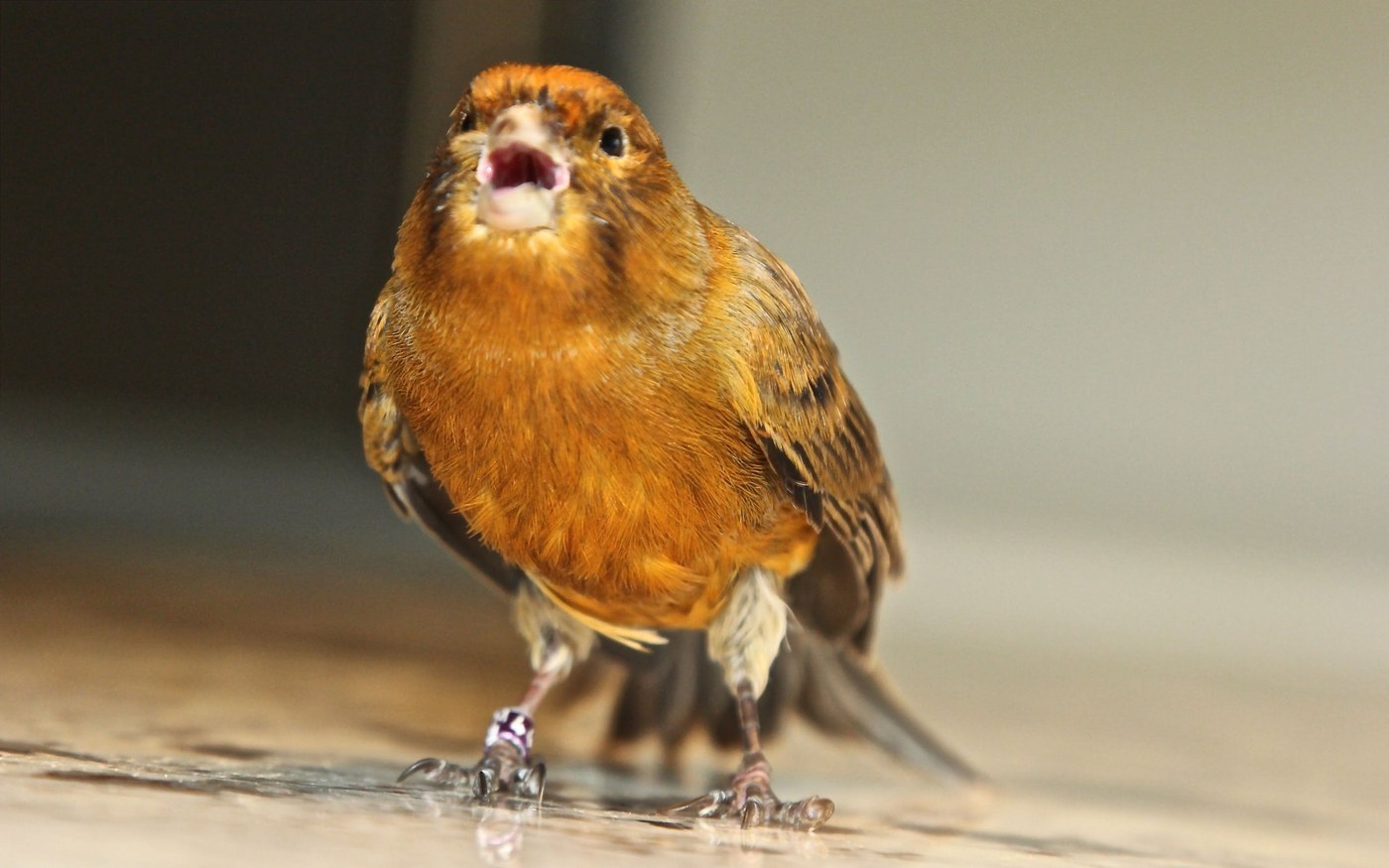
What Atlantic Canary Feathers Look Like
The Atlantic Canary is the wild ancestor of the familiar domestic canary, but its natural plumage is far duller than the bright yellow cage-bird varieties most people picture. Feathers are yellow-green overall, heavily marked with brown-olive streaking on the back and flanks, and underparts are a muted yellowish rather than bright canary-yellow. A grayish patch on the rump is a useful field mark, along with dark-centered flight feathers that show narrow yellow-green edging. Overall, the impression is of a streaky, olive-toned finch rather than the solid bright yellow of domestic canary breeds, which have been selectively bred for centuries to lose this cryptic wild patterning.
Step-by-Step: Is This Feather From an Atlantic Canary?
- Check the level of streaking. Heavy brown-olive streaking on the back and flanks, rather than a clean solid color, points to the wild form rather than a domestic canary.
- Note the muted yellow tone. Underparts are yellowish-green rather than the bright, saturated yellow of pet canaries.
- Look for a gray rump patch, a useful supporting feature when present.
- Consider feather edging. Flight feathers show narrow yellow-green fringes over a darker feather center, not a solid bright color.
- Think about location. Found naturally only in the Macaronesian islands (Canary Islands, Azores, Madeira), so a matching feather found there is far more likely wild Atlantic Canary than an escaped domestic bird, though escapees are always a small possibility near towns.
Similar Species & How to Tell Them Apart
- European Serin: Smaller overall, more heavily and finely streaked, with a brighter, more contrasting yellow rump patch than Atlantic Canary's grayer rump.
- Domestic canary (escaped cage birds): Bred varieties are usually solid bright yellow, orange, or white without the heavy wild streaking - an escapee is usually easy to separate from the streaky wild form on color alone.
- European Greenfinch: Larger and stockier, with more solid green upperparts and yellow wing/tail flashes rather than the fine streaking of canary.
Where & When You'll Find Them
Atlantic Canaries are resident year-round in laurel forest, pine woodland, and scrubby habitat across the Canary Islands, Azores, and Madeira, rarely straying beyond this island range in the wild. As non-migratory residents, molt follows the local breeding season (typically spring into early summer), and shed feathers are most often found in the understory of laurel and pine forest, along woodland edges, and near feeding areas with seeding grasses and shrubs where flocks gather. Outside the breeding season, flocks often descend to lower-elevation scrub, gardens, and agricultural edges to feed on seeding grasses, so feathers can also turn up well below the laurel-forest belt in autumn and winter, particularly around cultivated fields and orchard margins on the islands.
Frequently asked questions
How does a wild Atlantic Canary feather differ from a pet canary's?
The wild form is heavily streaked in brown-olive over a muted yellow-green base, quite different from the solid bright yellow of most domestic canary breeds.
What is the best supporting field mark besides streaking?
A grayish patch on the rump, which helps separate it from the brighter yellow rump of the similar European Serin.
Where do Atlantic Canaries live in the wild?
Only in the Macaronesian islands - the Canary Islands, Azores, and Madeira - in laurel forest, pine woodland, and scrub.
Could a streaky yellow feather from elsewhere be an Atlantic Canary?
Unlikely unless found in or near the Macaronesian islands, since the wild population doesn't naturally occur elsewhere.
When is molt most likely to produce shed feathers?
Following the local spring-to-early-summer breeding season, in laurel/pine forest understory and woodland edges.