
How to Identify Bee Hummingbird Feathers
A guide to identifying Bee Hummingbird feathers, the smallest feathers of any bird in the world, distinguished by fiery pink-red male gorget iridescence.
Read the full Bee Hummingbird encyclopedia entry →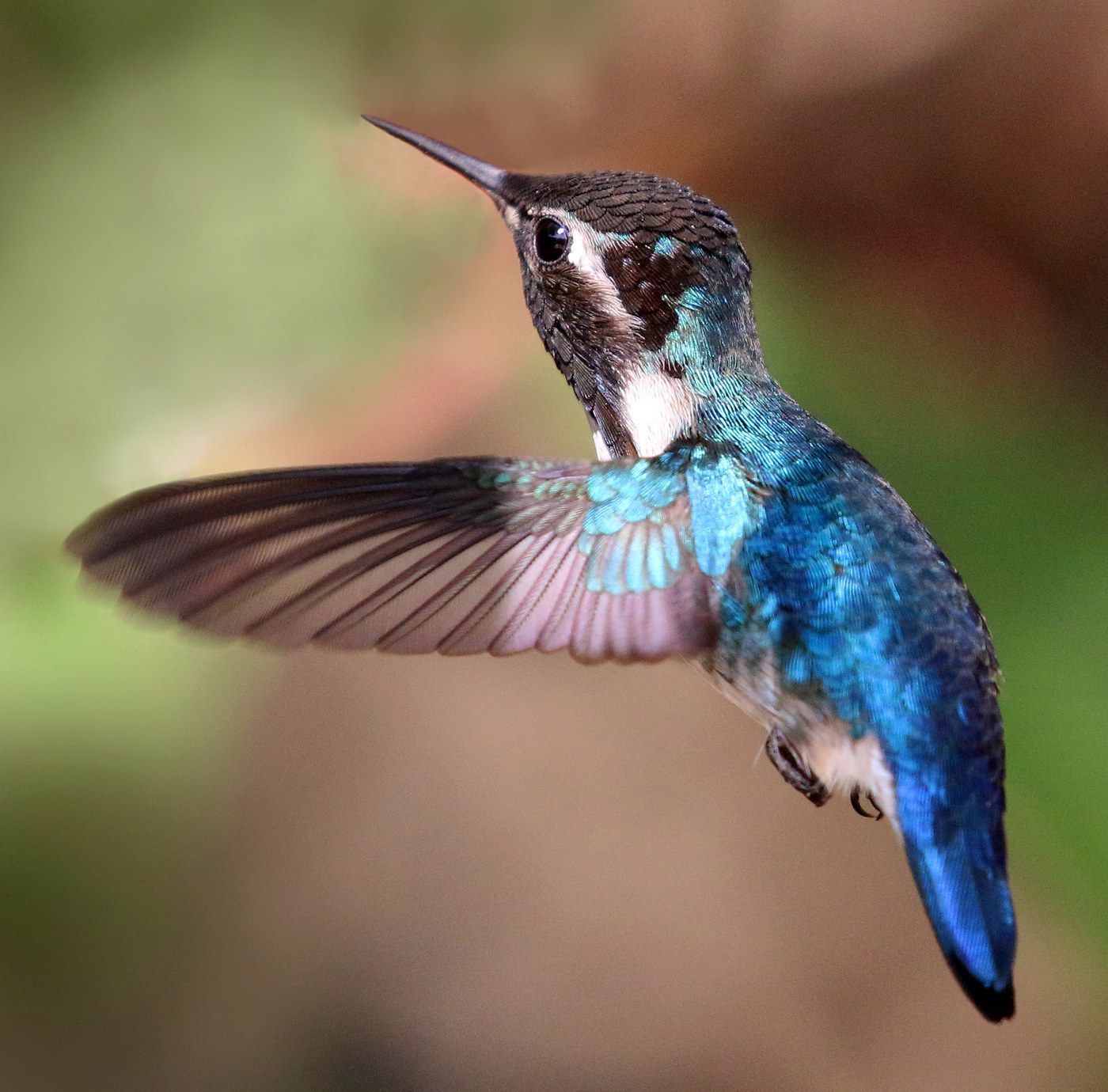
What Bee Hummingbird's Feathers Look Like
The Bee Hummingbird is the smallest bird in the world, native only to Cuba, and its feathers are correspondingly tiny - most individual feathers measure only a centimeter or two. Breeding male throat (gorget) feathers are iridescent, ranging from fiery pink-red to orange-red, and unusually for hummingbirds these elongated gorget feathers extend out to the sides like a collar or mane rather than staying neatly tucked to the throat. The crown and upperparts are iridescent bluish-green, shining brightly in direct light but appearing dark and dull in shade - a classic hummingbird trait caused by feather structure rather than pigment. Underparts (belly) are pale greyish-white. Females lack the colorful gorget entirely, showing a plain pale throat, green upperparts similar to the male, and distinctive white corners/tips on the outer tail feathers, useful for confirming sex if you have a tail feather. Given the extremely small size, virtually any feather this tiny with iridescent green or pink-red color, found in Cuba, should be considered a strong candidate.
Step-by-Step: Is This Feather From a Bee Hummingbird?
- Check the size first - this is the world's smallest bird; feathers should be exceptionally tiny, often under 2 cm, smaller than almost anything else you'd find.
- Look for iridescence - a true metallic shine, shifting color with the light angle, on both the crown/back (green) and male throat (pink-red) feathers.
- Confirm the odd gorget shape - in males, elongated throat feathers flaring outward like a collar, unlike the flat, tidy gorgets of most other hummingbirds.
- Check tail feather tips - small white corners on the outer tail feathers suggest a female.
- Consider location - this species occurs only in Cuba and the Isle of Youth, making geography a powerful confirming clue.
- Rule out insects/other debris - given the tiny size, double-check under magnification that you indeed have a feather and not an insect wing or plant material.
Similar Species & How to Tell Them Apart
The Cuban Emerald, sharing the island, is considerably larger with plainer, more uniformly green feathers and no elongated flaring gorget. Elsewhere in the Caribbean and Americas, other tiny hummingbirds exist, but the sheer minuteness of Bee Hummingbird feathers combined with the flared pink-red male gorget is essentially unmatched - no other regularly occurring species combines both traits at this extreme size. Because of Cuba's endemism, a matching feather found outside Cuba is very unlikely to be this species regardless of appearance.
Where & When You'll Find Them
Bee Hummingbirds live in forest edge, scrubby woodland, and gardens across Cuba and the Isle of Youth, feeding on flowering plants at very low perch heights, which means shed feathers tend to be found close to the ground near flowering shrubs and vines rather than high in the canopy. Molt timing in Cuban hummingbirds tends to follow the local breeding season, broadly in the drier months, though as a tropical resident feather turnover can occur across much of the year. Feathers are most findable near flowering vegetation at ground-to-shrub level.
Frequently asked questions
How small are Bee Hummingbird feathers exactly?
Given the bird itself is only about 5-6 cm long including bill and tail, individual feathers are often under 2 cm - among the smallest feathers of any bird species.
What's the best clue for a male versus a female feather?
Males show elongated, flaring pink-red gorget feathers on the throat, while females lack colorful throat feathers and instead show small white tips on the outer tail feathers.
Could this tiny green feather be from a different hummingbird?
If found outside Cuba, yes - check the Cuban Emerald and other regional hummingbirds, since only genuine Cuban location strongly supports Bee Hummingbird specifically.
Why does the color look dull in some lighting?
Hummingbird iridescence comes from microscopic feather structure, not pigment, so the color only shows brightly when light hits it at the right angle.
Where exactly should I search for feathers?
Low to the ground near flowering shrubs, vines, and garden plants, since this species forages very close to ground level compared to many other hummingbirds.