
How to Identify Brahminy Kite Feathers
Recognize the sharply two-toned rufous-and-white plumage of the adult Brahminy Kite, a common coastal raptor across South and Southeast Asia and Australia, and separate it from similar kites and buzzards.
Read the full Brahminy Kite encyclopedia entry →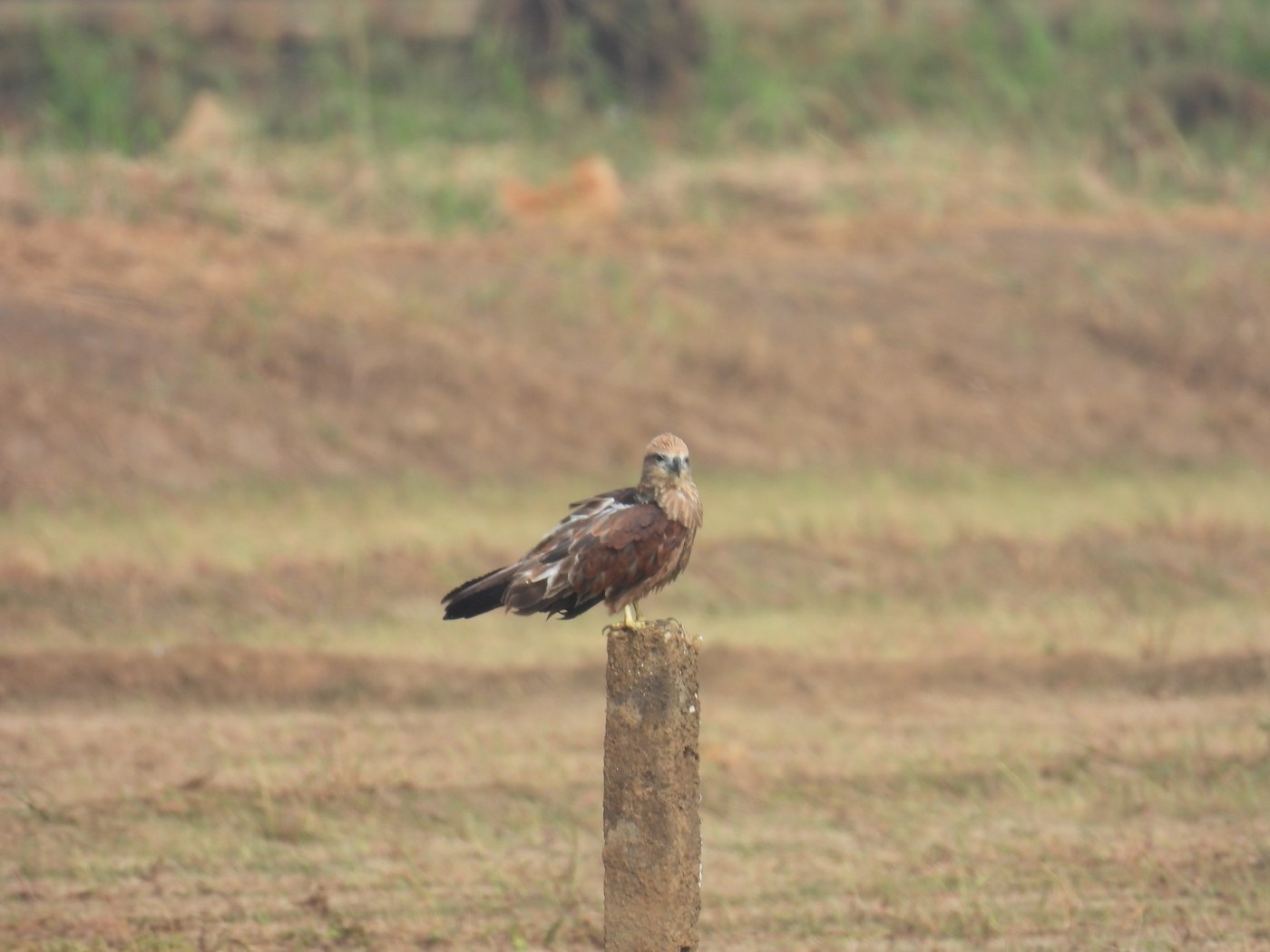
What Brahminy Kite Feathers Look Like
The Brahminy Kite is a strikingly two-toned raptor common along coasts, rivers, and wetlands across South Asia, Southeast Asia, and Australia, and its adult feathers make for one of the more easily recognized raptor feather finds in its range.
- Head/neck feathers (adult): clean white, sharply contrasting with the rest of the body — small, crisp white feathers from the head are a strong first clue.
- Body/contour feathers (adult): rich chestnut-rufous overall on the back, breast, and belly, with a glossy, warm reddish-brown tone unlike the duller browns of many other raptors.
- Flight feathers (primaries): contrastingly blackish at the tips against the rufous body, 20-28 cm, giving a two-toned wing in flight; the black is fairly solid rather than barred.
- Tail feathers: rufous-brown, relatively short and only faintly barred, without the bold banding seen in many other kites and hawks.
- Juvenile feathers: streaky brown overall with pale mottling, lacking the clean white head and solid rufous body of adults — much harder to distinguish from other juvenile raptors.
- Shaft color: pale rufous to brown on body feathers, dark brown to blackish on the primaries.
Step-by-Step: Is This Feather From a Brahminy Kite?
- Check for a clean white feather alongside rufous ones. Finding both a crisp white (head/neck) feather and a rich chestnut-rufous body feather from the same source strongly suggests an adult Brahminy Kite, since this two-tone combination is unusual among regional raptors.
- Look at the primaries. Solid blackish wingtip feathers contrasting against warm rufous body feathers support this identification.
- Assess tail pattern. A rufous-brown tail with only faint or no barring (rather than bold bands) fits Brahminy Kite over many other regional hawks.
- Consider age. Streaky brown feathers without white or solid rufous suggest a juvenile, which is much harder to pin to species without additional context.
- Match to coastal/wetland habitat. Feathers found near coastlines, mangroves, rivers, or wetlands across South/Southeast Asia or Australia fit this species' strong association with water.
Similar Species & How to Tell Them Apart
- Black Kite: overall brown and much less rufous, without the clean white head/rufous body contrast of adult Brahminy Kite, and shows a distinctly forked tail shape in life.
- Whistling Kite (Australia): paler brown overall with a streakier head, lacking the crisp white head and solid rich rufous body of Brahminy Kite.
- Juvenile Brahminy Kite vs. juvenile Black Kite: both are streaky brown and tricky to separate by feather alone; juvenile Brahminy tends to show warmer, more rufous tones in the streaking compared to Black Kite's colder brown, but confirmation often requires more than a single feather.
- Ospreys (in shared coastal habitat): show bold dark-and-white barred flight feathers and a very different, more contrastingly patterned underwing than the largely solid-colored Brahminy Kite.
Where & When You'll Find Them
Brahminy Kites are non-migratory residents found year-round along coasts, mangroves, rivers, and wetlands from India and Sri Lanka through Southeast Asia to northern and eastern Australia. Because they don't migrate, feathers can be found in any season, with the main molt period typically in the months following breeding (timing varies somewhat by region due to the species' broad range). Look along mangrove edges, harbors, river mouths, and coastal towns, where these kites are a common and conspicuous sight, often scavenging near fish markets and shorelines.
Frequently asked questions
What's the easiest way to recognize an adult Brahminy Kite feather?
Look for the combination of a crisp white head/neck feather alongside a rich chestnut-rufous body feather with blackish wingtips — a distinctive two-tone pattern uncommon among regional raptors.
How do juvenile feathers differ?
Juveniles are streaky brown overall with pale mottling, lacking the clean white head and solid rufous body of adults, making them much harder to identify from a single feather.
How do I rule out a Black Kite?
Black Kite is overall brown without the clean white-and-rufous contrast, and lacks the rich chestnut tone of adult Brahminy Kite's body feathers.
Where would I most likely find one of these feathers?
Along mangroves, river mouths, harbors, or coastal towns across South/Southeast Asia or Australia, where this kite is a common scavenger near water.
Brahminy Kite identified by the community
Recent Brahminy Kite feathers identified with Feather Identifier.
