
How to Identify King Vulture Feathers
How to identify the cream-white body feathers, black flight feathers, and gray neck ruff of the King Vulture, and separate them from other large New World vultures.
Read the full King Vulture encyclopedia entry →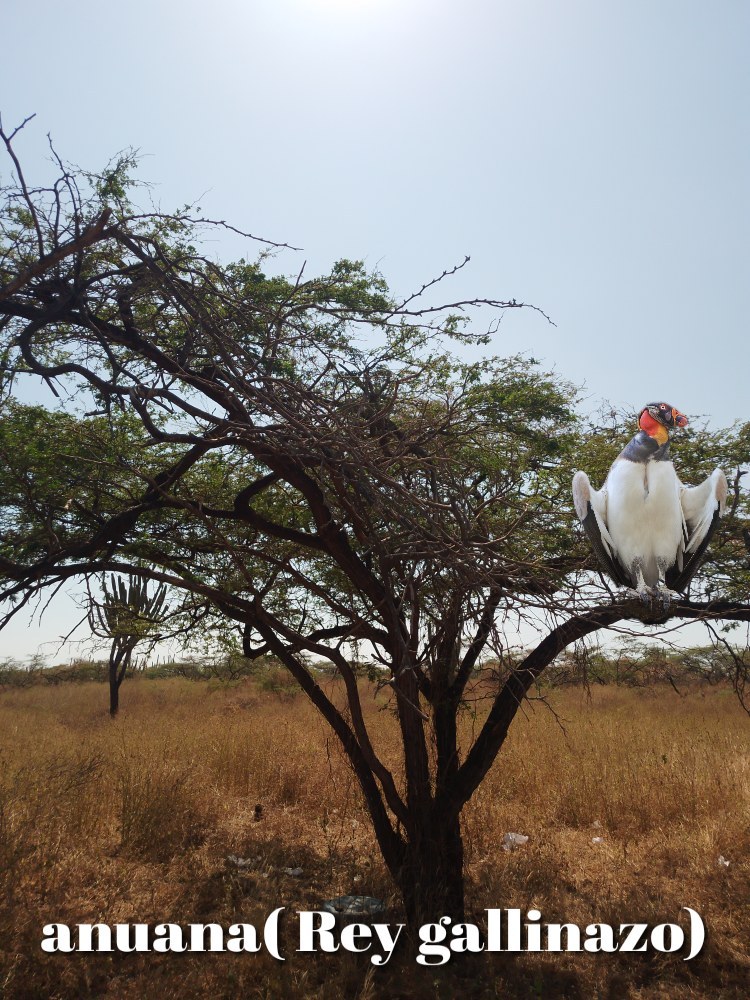
What King Vulture Feathers Look Like
King Vulture body feathers are strikingly pale for a vulture: back, breast, and belly contour feathers are a clean cream-white to pale buffy-white, giving adult birds a notably bright appearance in flight compared to most other vultures. This pale body plumage contrasts sharply with solid black flight feathers — primaries, secondaries, and tail feathers are all a deep, matte black with no white markings, creating a strong two-tone effect that's a reliable diagnostic even from a single detached feather (pale body feather versus black flight feather). At the base of the neck, feathers form a distinctive fluffy gray ruff or collar, softer and looser in texture than the sleeker body feathers elsewhere, marking the transition to the bird's bare, brightly colored head and neck skin (which carries the species' famous multicolored bare-skin caruncles, not feathers). Juvenile King Vultures are entirely different, with dark grayish-brown to blackish overall body plumage that only gradually whitens over several years to reach the adult's cream-white pattern, so a young bird's feathers won't show the sharp pale-and-black contrast yet.
Step-by-Step: Is This Feather From a King Vulture?
- Check body feather color first. A clean cream-white to pale buffy contour feather, if paired with solid black flight feathers from the same bird, strongly supports adult King Vulture.
- Look at flight feathers for solid black with no pattern. Uniform black primaries/secondaries/tail with no barring or pale windows fits this species.
- Look for a fluffy gray neck-ruff feather. Softer, looser texture and gray tone distinguishes this specific feather tract from the sleeker white body feathers.
- Consider age if the feather is dark overall. A uniformly dark grayish-brown to blackish feather could be a juvenile King Vulture rather than automatically pointing to a different species — check size and range for support.
- Assess size. Large, broad flight feathers fit this substantial New World vulture, one of the largest raptors in its range.
Similar Species & How to Tell Them Apart
- Turkey Vulture is entirely dark brownish-black with no pale white body plumage at any age, immediately ruling it out if the feather in hand shows the King Vulture's cream-white body tone.
- Black Vulture is similarly all-black to sooty gray-black overall (aside from pale wing patches near the primary tips visible in flight), lacking King Vulture's extensive pale body plumage.
- Andean Condor shows a white neck ruff too, but its body is otherwise entirely black (aside from large white wing patches in males), a very different pattern from King Vulture's mostly cream-white body with solid black flight feathers only.
- California Condor shows large white underwing patches against an otherwise blackish body, again lacking King Vulture's pale body/black-flight-feather split.
Where & When You'll Find Them
King Vultures range from southern Mexico through Central America and into South America as far as northern Argentina, favoring lowland tropical forest, forest edge, and adjacent savanna where they soar in search of carrion, often locating food by following smaller vultures that use scent to find carcasses. As non-migratory tropical residents, feathers can be found in any season, with the molt occurring gradually over an extended period rather than concentrated in a short window, consistent with this species' large size and the need to maintain flight capability while replacing feathers. Look near forest edges, riverbanks, and open savanna patches within lowland tropical forest regions, particularly near known roost or feeding sites where these large soaring birds regularly gather.
Frequently asked questions
What's the fastest way to confirm an adult King Vulture feather?
Pair a cream-white to pale buffy body feather with a solid black flight feather from the same find — that pale-body/black-flight-feather split is a strong, quick diagnostic.
Could a dark feather still be a King Vulture?
Yes — juveniles are dark grayish-brown to blackish overall for several years before reaching the adult's pale plumage, so a dark feather from the right size and range shouldn't be automatically ruled out.
How does King Vulture differ from Andean Condor, since both show a neck ruff?
Andean Condor's body is otherwise entirely black (with large white wing patches in males), while King Vulture's body is mostly cream-white with only the flight feathers black — a very different overall balance of pale versus dark.
Are King Vulture feathers likely in North America?
No — the species' range runs from southern Mexico southward through Central and South America, so a genuine find would be within that tropical range rather than further north.
Is there a specific molt season to target?
Not a sharply defined one — molt is gradual and extended over time in this large species, so feathers can turn up across the year rather than concentrated in one season.