

Snow Partridge
Lerwa lerwa
A high-alpine Himalayan partridge whose entire plumage is finely barred in gray, black, white, and chestnut, blending seamlessly into rocky, snow-patched terrain.
- Feather type
- Finely vermiculated barred contour feathers
- Colours
- Gray, black, white, and chestnut
- Bird size
- Medium, ~38-40 cm
Found a feather like this?
Identify any feather from a photo, free.
Overview
The Snow Partridge is a hardy gamebird of the highest alpine zones in the Himalayas, living above the treeline in rocky, snow-patched terrain. Unlike partridges with bold, blocky patterns, its plumage is finely and densely barred all over in gray, black, white, and chestnut, creating an intricate vermiculated texture that blends remarkably well against lichen-covered rock and patchy snow cover.
Identifying the Feather
- Overall pattern: dense, fine barring in gray, black, white, and chestnut covering nearly the entire body, more intricate than the broader barring of lowland partridges.
- Face: bare red skin around the eye, standing out against the finely patterned plumage.
- Legs: red, matching the facial skin tone.
- Underparts: continue the same fine vermiculated barring seen on the back, without a plain unmarked area.
- Sexes: appear alike in plumage, unusual among partridges, reflecting the shared camouflage needs of both sexes at high altitude.
Plumage & Molt
Males and females are very similar in plumage, both showing the same finely barred camouflage pattern. Juveniles are duller with less crisply defined barring until their first molt. A single complete molt occurs annually, typically after the short high-altitude breeding season.
Habitat & Range
Snow Partridge live at very high elevations across the Himalayas, generally above the treeline in alpine meadow, scree, and rocky slopes, often near snow line. The species makes only modest elevational movements, descending slightly in the harshest winter conditions but remaining in high-altitude habitat for most of the year.
Behavior & Field Notes
This species forages on the ground for seeds, leaves, and invertebrates, often digging through thin snow cover to reach food. It moves in small coveys and prefers running over rocky slopes to flying, flushing only when closely approached. Nests are shallow scrapes hidden among rocks or alpine vegetation. Calls include loud, whistled notes that carry across open alpine terrain.
Frequently asked questions
What does Snow Partridge plumage look like?
It is finely and densely barred all over in gray, black, white, and chestnut, providing camouflage against rocky, snow-patched alpine terrain.
Where does the Snow Partridge live?
High-altitude alpine zones above the treeline across the Himalayas.
Do male and female Snow Partridge look different?
No, the sexes are very similar in their finely barred plumage, unlike many partridge species.
How does the Snow Partridge cope with its harsh habitat?
It forages by digging through thin snow for food and makes only modest elevational movements rather than long migrations.
Snow Partridge guides
In-depth guides for identifying and understanding Snow Partridge.

Other feathers you may enjoy

Ring-necked Pheasant
Body (contour), tail, and wing feathers

Bornean Peacock-pheasant
Contour and tail feathers with iridescent ocelli

Crested Argus
Extremely elongated, ocellated (eyespot-patterned) tail feathers among the longest of any bird; tall, erectile crest

Grey Partridge
Body and flank feathers

Willow Ptarmigan
Larger, stockier body feathers with warmer rufous tones in summer; tail feathers black year-round

Wild Turkey
Broad, iridescent body feathers and large flight and tail feathers

Bulwer's Pheasant
Contour feathers and elongated white tail feathers
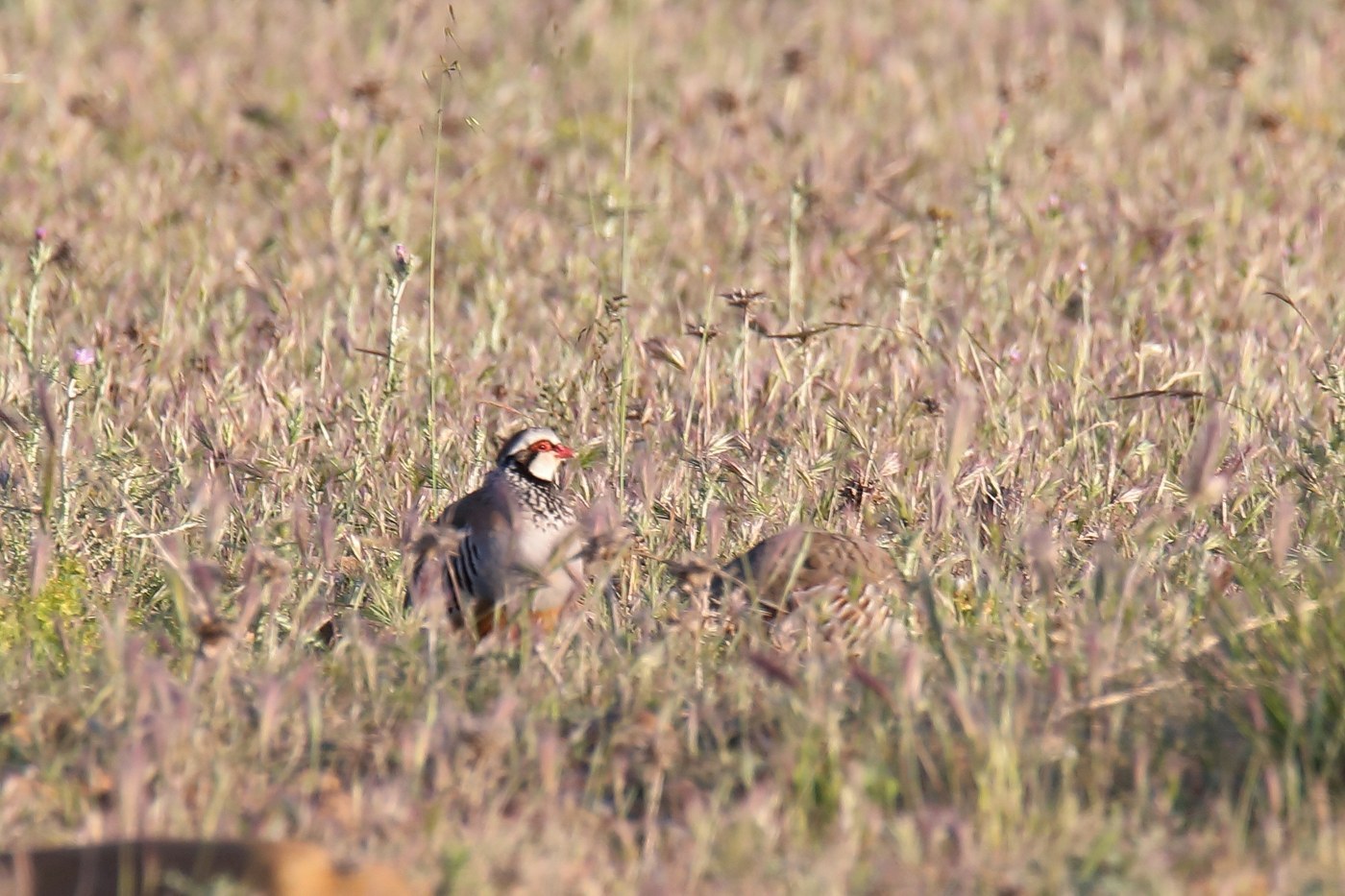
Red-legged Partridge
Flank, body, and flight feathers

White-tailed Ptarmigan
Small body feathers with a tail that stays pure white year-round, unlike other ptarmigan

Edwards's Pheasant
Contour and tail feathers

Sooty Grouse
Dense, plain contour feathers with a pale-tipped, fanned tail

Silver Pheasant
Finely vermiculated white upperpart feathers over glossy blue-black underparts