
How to Identify Splendid Fairywren Feathers
How to recognize a Splendid Fairywren's brilliant cobalt-blue breeding feathers and soft, wispy cocked tail, and separate them from Superb and Variegated Fairywrens.
Read the full Splendid Fairywren encyclopedia entry →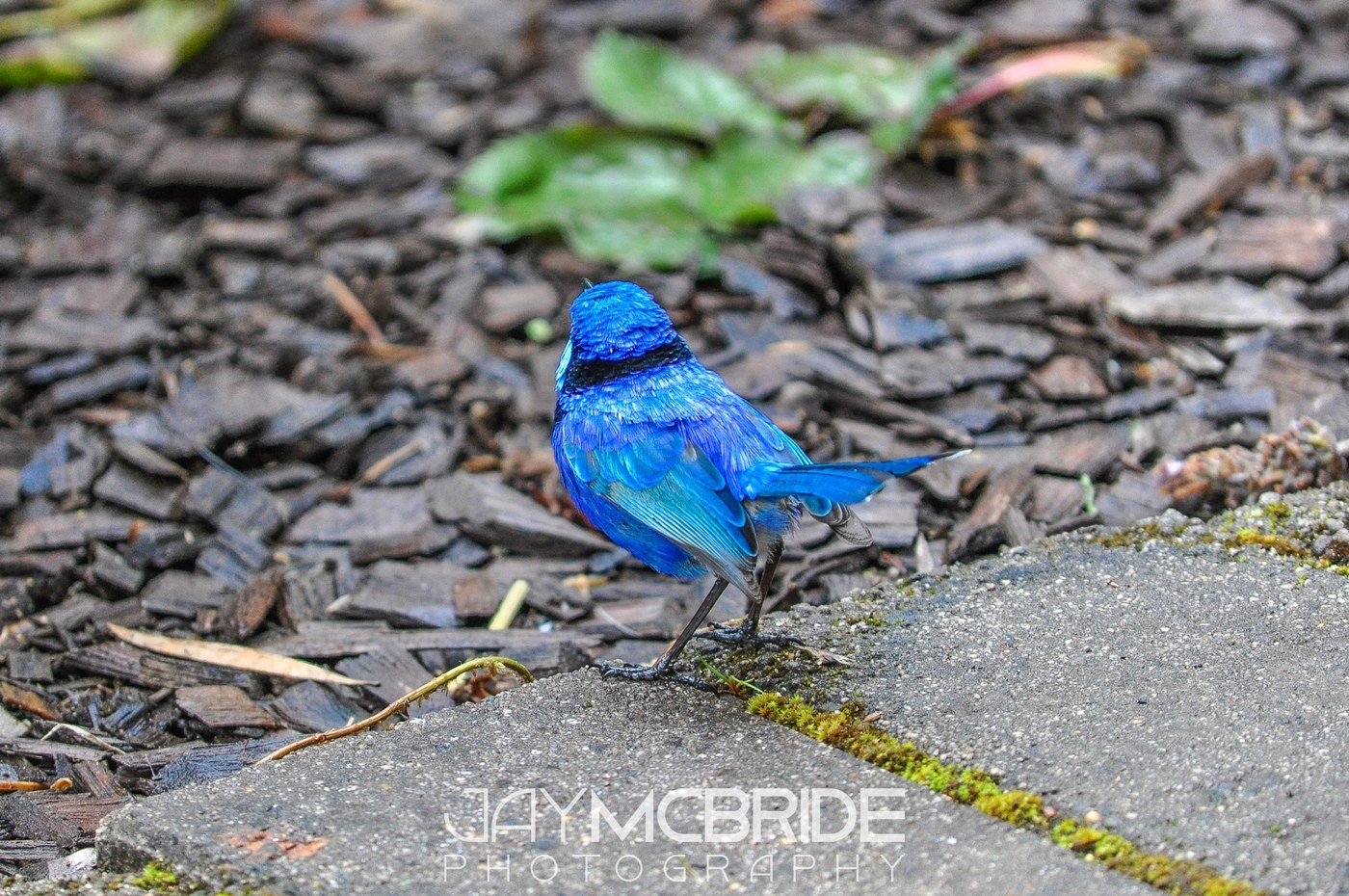
What Splendid Fairywren Feathers Look Like
The Splendid Fairywren is a tiny Australian songbird whose breeding males are among the most vividly blue birds on the continent, while females and non-breeding males wear a much plainer disguise — so, as with many fairywrens, identification depends heavily on which plumage you've found.
- Breeding male body feathers: Brilliant, almost uniform cobalt to violet-blue, covering the crown, ear coverts, back, and throat, with a black band running through the eye and across the upper breast/throat area for contrast.
- Non-breeding male and female feathers: Soft blue-gray to brown, plain and cryptic, with little to no blue except sometimes a paler blue wash retained on the tail.
- Tail feathers: Distinctively narrow and often held cocked upright on the living bird; the feather barbs are notably loose and lightly structured (a general fairywren trait), giving the tail a slightly frayed, wispy appearance rather than a stiff, tightly-vaned tail — pale blue in adult males, duller blue-gray in females/non-breeding birds.
- Feather size: Extremely small, only a centimeter or two for body feathers, consistent with one of the smallest songbird families.
Step-by-Step: Is This Feather From a Splendid Fairywren?
- Check for vivid, uniform blue. A small feather in an intense cobalt-to-violet blue, not patchy or two-toned, suggests a breeding male fairywren.
- Look for a black eye-and-throat band remnant. Contrasting black feathering alongside the blue supports Splendid Fairywren specifically over an all-blue relative.
- Feel the tail feather texture. A slightly loose, wispy, lightly-barbed texture (rather than a stiff, tightly closed vane) is consistent with the fairywren family generally.
- Consider plainer feathers too. A tiny blue-gray or brown feather could be a female or non-breeding male of this or a closely related fairywren — harder to pin to species without more context.
- Weigh the location. Found in dry scrub, mallee, or woodland in southern/western Australia, a vivid uniform blue feather strongly supports Splendid Fairywren over the more patterned Superb Fairywren.
Similar Species & How to Tell Them Apart
- Superb Fairywren: Breeding males show a more patterned blue, with a distinctly paler, silvery-blue crown and ear coverts standing out against a darker blue back, rather than the Splendid Fairywren's more uniform overall blue tone.
- Variegated Fairywren: Breeding males add a chestnut/rufous shoulder patch, which Splendid Fairywren lacks entirely — the presence of any rufous immediately rules out Splendid Fairywren.
- Purple-backed and Turquoise Fairywrens (regional forms): Subtle differences in exactly which blue shade dominates the back versus the crown; range is often the most practical separator given the fine gradation between forms.
- Blue-breasted Fairywren: Shows blue concentrated more on the breast with a darker, less uniformly blue back and crown.
Where & When You'll Find Them
Splendid Fairywrens inhabit dry scrub, mallee woodland, and arid shrubland across much of southern and western Australia, living in small cooperative family groups that stay within a defended territory year-round. Because males molt in and out of their brilliant blue breeding plumage seasonally (with an eclipse period where they resemble females), vivid blue feathers are most likely to be found during the spring breeding season, while the plainer blue-gray or brown feathers of females and eclipse males can be found at any time of year near typical fairywren habitat.
Frequently asked questions
Why might a Splendid Fairywren feather look brown or gray instead of blue?
Females and non-breeding (eclipse) males lack the vivid blue plumage entirely, wearing a plain blue-gray to brown disguise instead, so feather color depends heavily on the sex and season of the individual bird.
What texture clue helps confirm a fairywren tail feather?
Fairywren tail feathers have notably loose, lightly-barbed structure, giving them a slightly frayed or wispy look rather than the tightly closed vane of most songbird tail feathers.
How do I tell Splendid Fairywren from Superb Fairywren?
Splendid Fairywren breeding males show a more uniform overall blue, while Superb Fairywren has a more patterned look with a paler, silvery-blue crown and ear coverts contrasting against a darker blue back.
What single feature rules out Variegated Fairywren?
Any chestnut or rufous shoulder patch immediately points to Variegated Fairywren, since Splendid Fairywren lacks rufous coloring entirely.