

Azure Jay
Cyanocorax caeruleus
A richly blue-bodied jay of South America's Atlantic Forest, with a black head and breast that sharply set off its azure plumage.
- Feather type
- Contour, wing, and tail feathers
- Colours
- Deep azure-blue body with a black head, throat, and breast
- Bird size
- Jay-sized, ~34-40 cm
Found a feather like this?
Identify any feather from a photo, free.
Overview
The Azure Jay is restricted to the Atlantic Forest of southeastern Brazil and adjacent parts of Paraguay and Argentina, a biodiversity-rich but heavily fragmented forest ecosystem. Its deep azure-blue body, offset by a solid black head and breast, gives it a striking, almost regal appearance among South American jays.
It depends on relatively intact forest, and its distribution closely tracks the remaining fragments of this threatened habitat type.
Identifying the Feather
- Head, throat, and breast feathers are solid black, forming a bib-like area that contrasts sharply with the rest of the plumage
- Back, wing, and belly contour feathers are a deep, rich azure blue, among the most saturated blue tones found in South American jays
- Wing feathers maintain the same azure tone with little additional patterning, giving a fairly uniform blue appearance to the folded wing
- Tail feathers are azure blue, generally without strong additional markings beyond the base body color
Plumage & Molt
Sexes look alike in plumage. Juveniles show duller, less saturated blue body feathers and a less crisply defined black head and breast that sharpens with maturity. One complete molt occurs annually after breeding.
Habitat & Range
- Restricted to the Atlantic Forest of southeastern Brazil and adjacent Paraguay and Argentina
- Strongly tied to relatively intact forest, though it can use edge and secondary growth to some degree
- Non-migratory, dependent on remaining forest fragments across its range
Behavior & Field Notes
Azure Jays forage in the forest canopy and understory for insects, fruit, small animals, and occasionally eggs or nestlings, often moving in small family groups. Calls include a range of harsh and more musical notes typical of Cyanocorax jays. Nests are cup-shaped structures built in trees within forest habitat, and the species' reliance on Atlantic Forest fragments makes habitat quality an important factor in its local distribution.
Frequently asked questions
How can I tell an Azure Jay feather from a Plush-crested Jay feather?
Azure Jay feathers are a more uniform deep azure blue over the back, wings, and belly without the pale nape patch or velvety face texture found on the Plush-crested Jay, and the black area covers the head, throat, and breast as a solid bib.
What kind of forest is this species tied to?
It depends on the Atlantic Forest of southeastern Brazil and adjacent Paraguay and Argentina, a biodiverse but heavily fragmented forest type.
Does the blue coloring vary between the wings and the body?
Not markedly; the azure blue tone is fairly uniform across the back, wings, and belly, without strong additional patterning beyond the black head and breast.
Where would I most likely find this species' feathers?
Within Atlantic Forest habitat in southeastern Brazil and adjacent parts of Paraguay and Argentina, wherever sufficiently intact forest remains.
Azure Jay guides
In-depth guides for identifying and understanding Azure Jay.

Other feathers you may enjoy

Yellow-billed Magpie
Contour, wing, and tail feathers

White-throated Magpie-Jay
Contour, wing, and tail feathers

White-necked Crow
Contour and flight feathers

Slender-billed Crow
Contour and flight feathers

Sinaloa Crow
Contour and flight feathers

Siberian Jay
Contour, wing, and tail feathers

Yellow-billed Blue Magpie
Contour, wing, and tail feathers
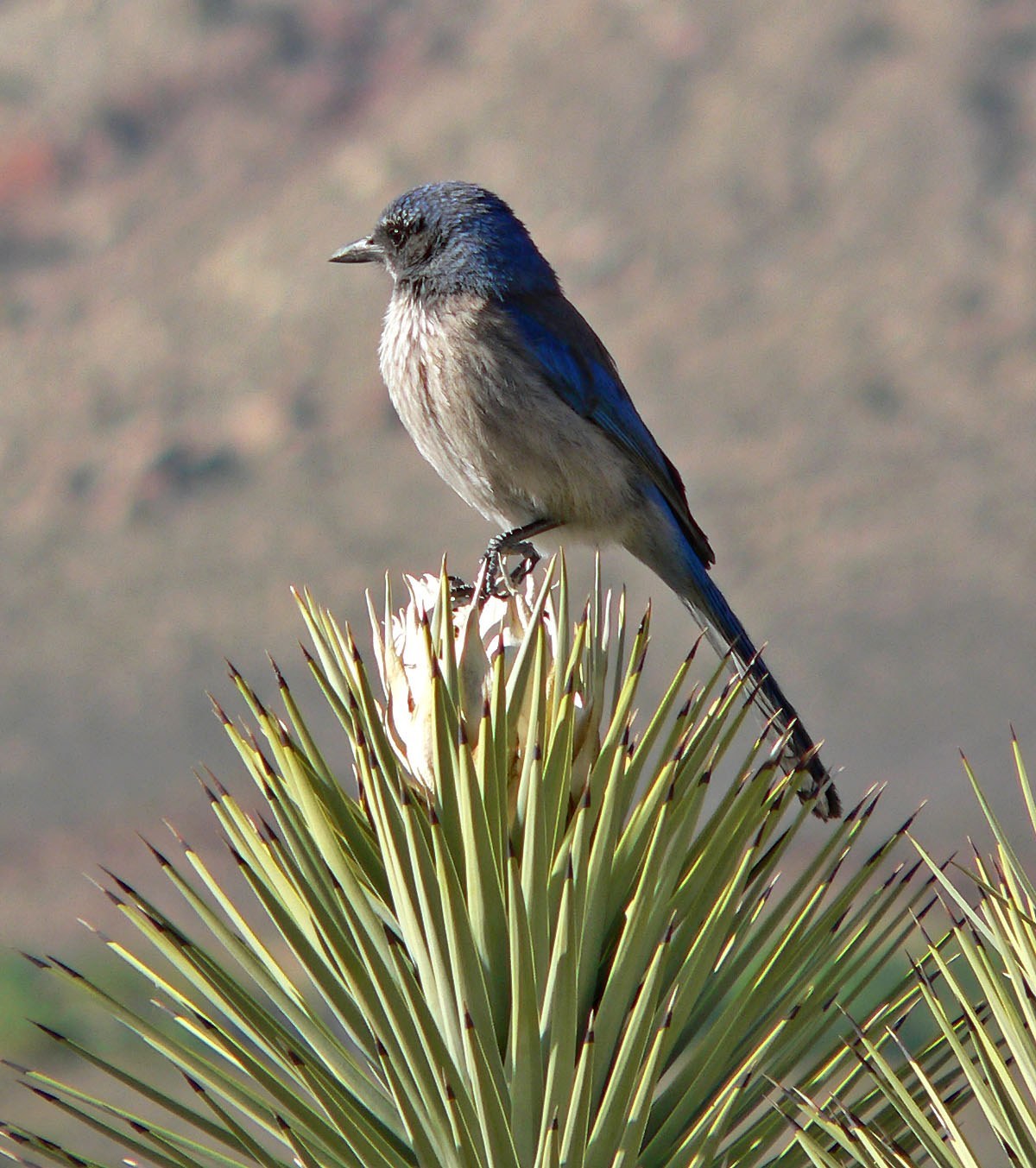
Woodhouse's Scrub-Jay
Contour and flight feathers
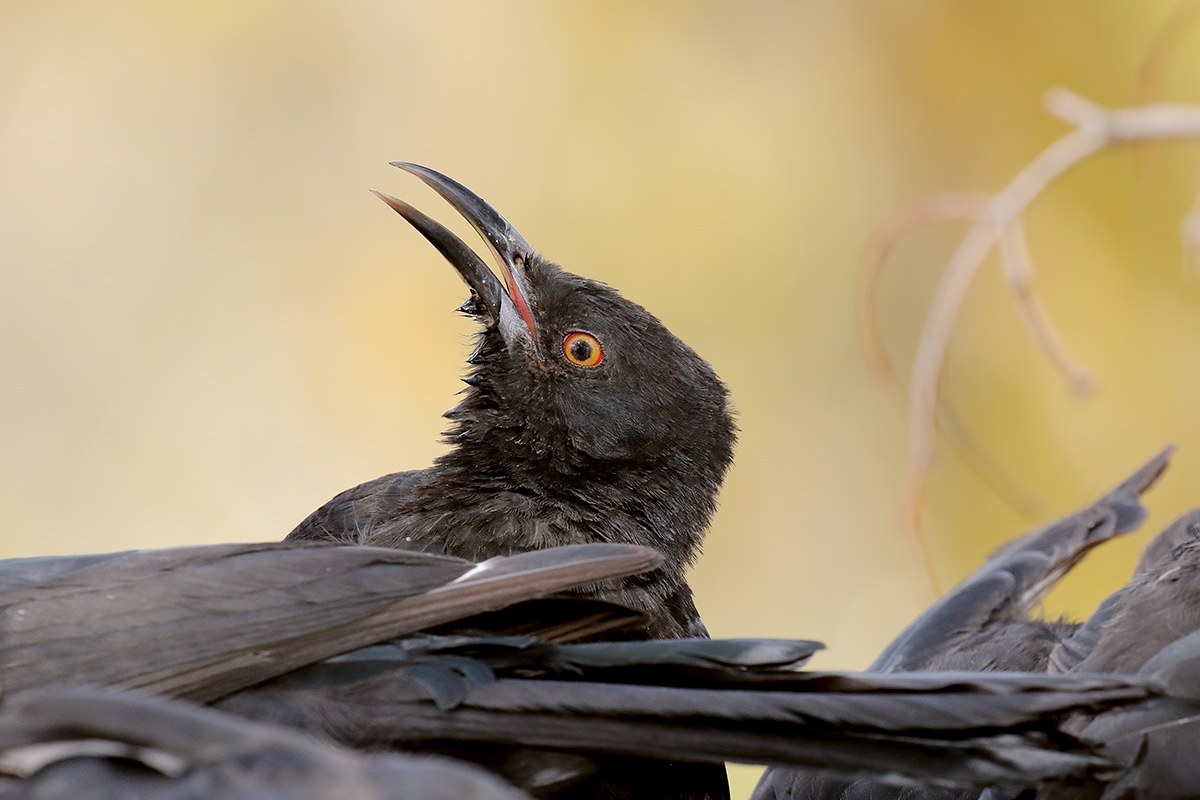
White-winged Chough
Contour and flight feathers

Rufous Treepie
Long, graduated tail feathers; loose body contour feathers

Thick-billed Raven
Contour and flight feathers
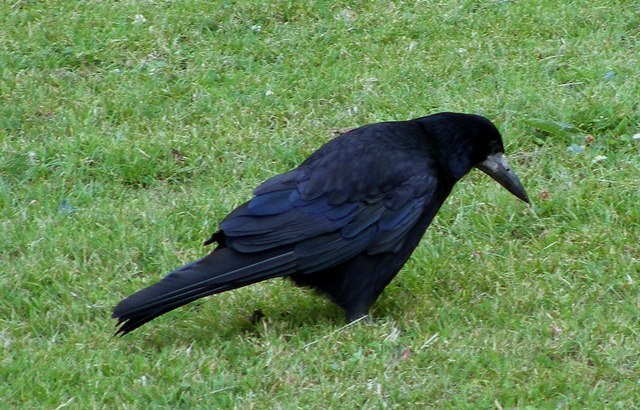
Rook
Glossy purple-black flight and body feathers; loose, shaggy thigh (leg) feathers