
How to Identify Bank Swallow Feathers
How to identify Bank Swallow feathers by their dull matte-brown upperparts (no iridescence) and the crisp brown breast band unique among swallows.
Read the full Bank Swallow encyclopedia entry →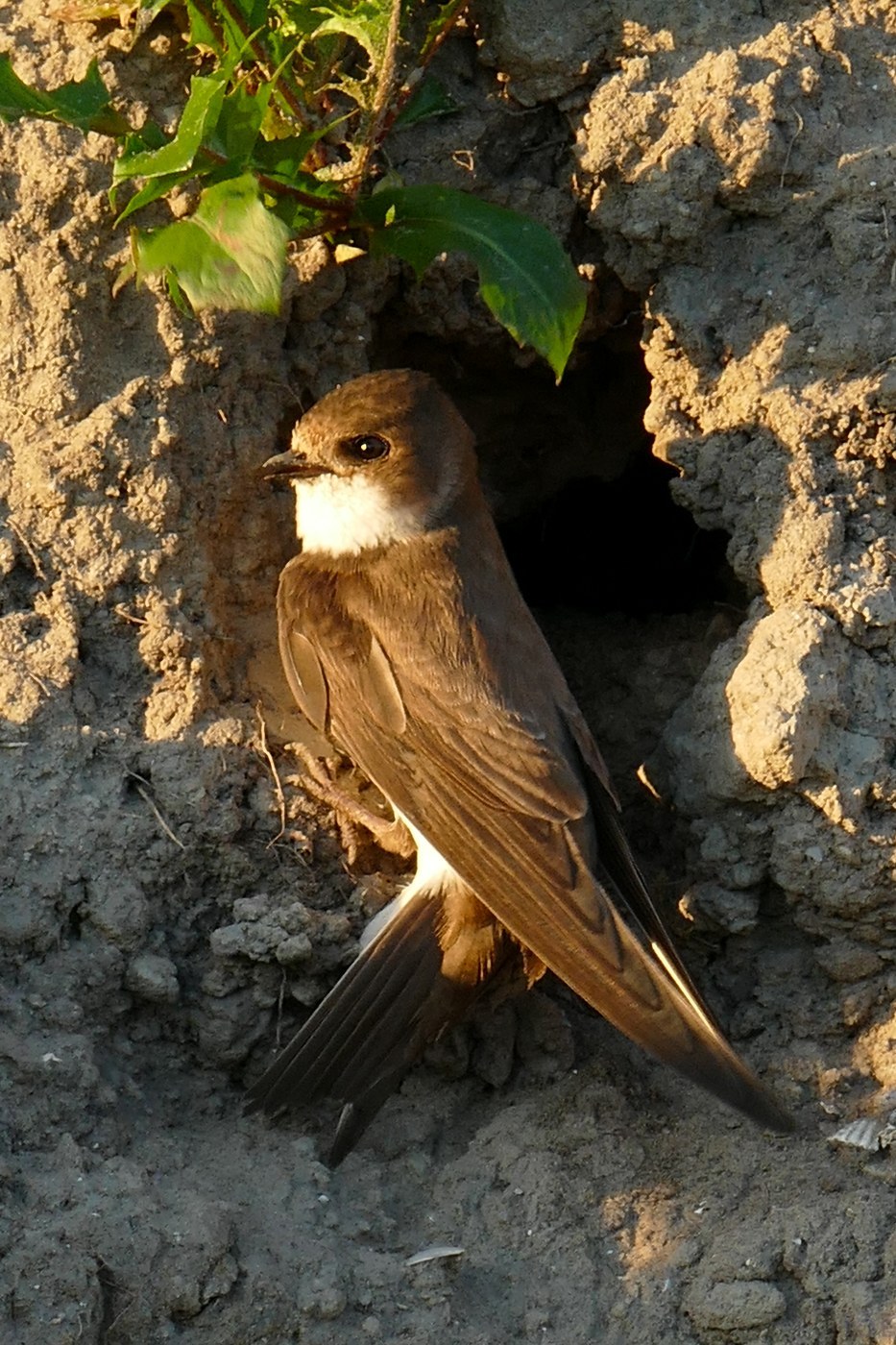
What Bank Swallow Feathers Look Like
Known as the Sand Martin outside North America, the Bank Swallow is the smallest swallow on the continent, and its feathers are correspondingly modest but have one very useful diagnostic feature. Upperpart feathers are a plain, matte earth-brown, distinctly lacking the glossy blue-black sheen seen in most other swallows - this dullness is itself a helpful clue. Underparts are clean white, but crossed by a crisp brown breast band, a feature essentially unique among North American swallows and very useful if you find an intact breast feather showing the band's edge. Wings are long and pointed, with flight feathers around 8-10 cm, and the tail is only shallowly notched rather than deeply forked like a Barn Swallow's.
Step-by-Step: Is This Feather From a Bank Swallow?
- Check for dull, matte brown rather than glossy blue-black. This lack of iridescence is one of the best clues separating this species from most other swallows at a glance.
- Look for a breast band edge. A feather showing a sharp transition from brown to white, consistent with a chest band, strongly supports this species.
- Measure the feather. This is the smallest North American swallow, so feathers in the smaller size range (body under 13 cm) fit well.
- Examine the tail shape. A shallow notch rather than long streamers or a deep fork rules out Barn Swallow and points toward Bank Swallow or another small swallow.
- Weigh the habitat. A matching feather found near sandy riverbanks, quarries, or coastal bluffs with burrow colonies is strong supporting evidence, since this species nests almost exclusively in such sites.
Similar Species & How to Tell Them Apart
- Northern Rough-winged Swallow: Also dull brown above, but lacks the crisp breast band, showing a more diffuse brownish wash across the chest instead.
- Tree Swallow: Shows glossy blue-green upperparts rather than matte brown, an easy distinction in good light.
- Barn Swallow: Deeply forked tail with long streamers and a rufous throat, both absent in Bank Swallow.
- Cliff Swallow: Shows a pale rusty rump patch and a squared rather than notched tail, differing clearly from Bank Swallow's plain brown rump and shallow tail notch.
Where & When You'll Find Them
Bank Swallows nest colonially in burrows dug into sandy riverbanks, coastal cliffs, and quarry faces across much of North America, Europe, and Asia, often in large, densely packed colonies. Feathers accumulate heavily around these burrow colonies during the breeding season in late spring and summer, when birds are constantly entering and exiting nest tunnels and wearing down plumage. Because this species migrates long distances to winter in South America, Africa, or South Asia depending on the population, feathers in temperate breeding areas are essentially a spring-through-late-summer find, disappearing once the colony empties for migration.
Frequently asked questions
What is the quickest way to spot this feather?
A dull, matte earth-brown upperpart feather with no glossy sheen, paired with a crisp brown breast band on a white underside, is the species' clearest signature.
How is this different from a Rough-winged Swallow feather?
Rough-winged Swallow lacks a crisp breast band, showing only a diffuse brownish wash across the chest instead of Bank Swallow's sharp band edge.
How small are Bank Swallow feathers?
This is the smallest North American swallow, so feathers fit a body under 13 cm with flight feathers around 8-10 cm.
Could this be a Tree Swallow feather?
Tree Swallow shows glossy blue-green upperparts, easily distinguished from Bank Swallow's dull, non-iridescent brown.
When and where are these feathers found?
Around sandy riverbank or quarry burrow colonies during late spring and summer breeding; feathers become scarce in the area once the colony departs on migration.