
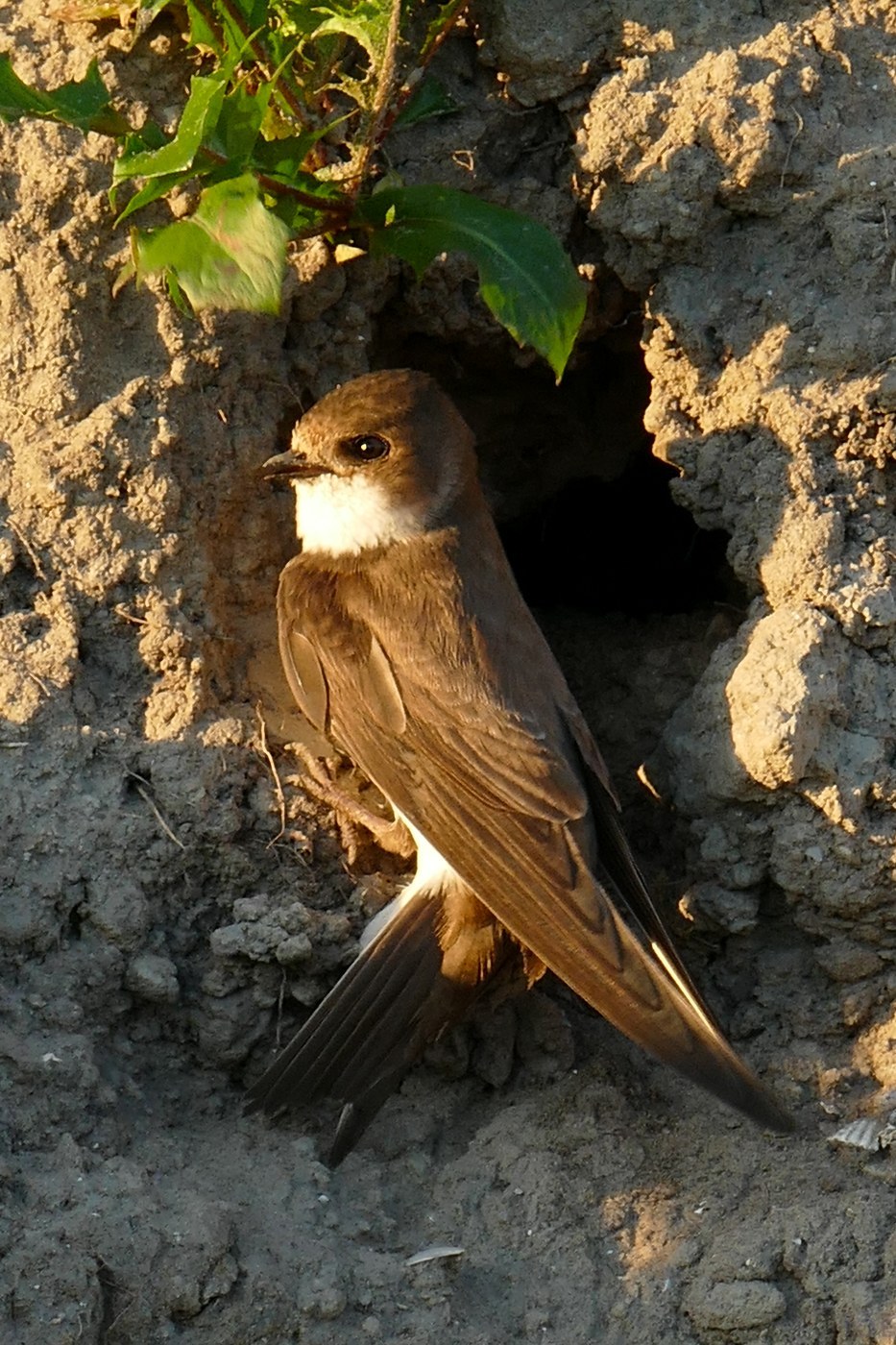
Bank Swallow
Riparia riparia
A small, plain brown-and-white swallow told from other species by a clean brown breast band across otherwise white underparts.
- Feather type
- Contour and flight feathers
- Colours
- Brown upperparts, white underparts with a distinct brown breast band
- Bird size
- Small, sparrow-sized, ~12 cm
Found a feather like this?
Identify any feather from a photo, free.
Overview
Overview
The Bank Swallow, known as the Sand Martin in parts of its Old World range, is a small swallow found across much of the Northern Hemisphere, nesting colonially in burrows excavated into sandy riverbanks, bluffs, and gravel pits. It is one of the more widespread swallow species globally and is notable for its simple but distinctive plumage pattern.
Upperparts are a plain brown, while underparts are white, crossed by a clean, well-defined brown breast band that is the species' most reliable field mark and separates it from other similarly small swallows.
Identifying the Feather
Feather ID Notes
Bank Swallow feathers are uniformly brown above, without iridescence or strong pattern, and white below, interrupted by a crisp brown band across the breast. This band is complete and well-defined, unlike the more diffuse or partial breast markings seen in some similar species.
- Head/back feathers: plain brown, matte rather than glossy
- Underpart feathers: white, clean and unmarked apart from the breast band
- Breast band: brown, crisp, and complete across the chest
- Wing feathers: brown, unmarked The complete brown breast band on white underparts, combined with small size and plain brown upperparts lacking iridescence, readily distinguishes this species from Northern Rough-winged Swallow, which shows a diffuse brownish wash rather than a sharp band.
Plumage & Molt
Plumage Details
Sexes look alike in this species, both showing the same brown-and-white pattern with a breast band. Juveniles are similar but often show buffy edges to the back and wing feathers, giving a slightly scaled appearance that is lost after the first molt. There is no strong seasonal plumage change beyond this juvenile-to-adult transition.
Habitat & Range
Habitat & Range
Bank Swallows breed in colonies along sandy riverbanks, bluffs, and artificial sites such as gravel pits and quarries across much of North America, Europe, and Asia, excavating burrow nests into vertical sandy faces. They are long-distance migrants, with North American populations wintering in South America and Old World populations wintering largely in Africa.
Behavior & Field Notes
Behavior & Field Notes
This species forages on the wing over water, fields, and other open habitat, catching flying insects in flight, often in large mixed flocks with other swallow species. Diet consists almost entirely of flying insects. Nests are burrows excavated into sandy banks, often in dense colonies with numerous entrance holes visible along a single exposed face. Calls include dry, buzzy chattering notes typical of small swallows, often heard around active nesting colonies.
Frequently asked questions
What feather feature identifies Bank Swallow?
A crisp, complete brown breast band across otherwise white underparts, paired with plain brown upperparts.
How does it differ from Northern Rough-winged Swallow?
Bank Swallow has a sharply defined breast band, while Northern Rough-winged Swallow shows a more diffuse brownish wash without a clean band.
Where does Bank Swallow nest?
In burrows it excavates into sandy riverbanks, bluffs, or artificial sites like gravel pits, typically in colonies.
Is this species found outside North America?
Yes, it occurs across much of the Northern Hemisphere and is known as the Sand Martin in parts of its Old World range.
Bank Swallow guides
In-depth guides for identifying and understanding Bank Swallow.
Other feathers you may enjoy

Yellow-breasted Bunting
Contour and flight feathers, chestnut-and-yellow breeding pattern
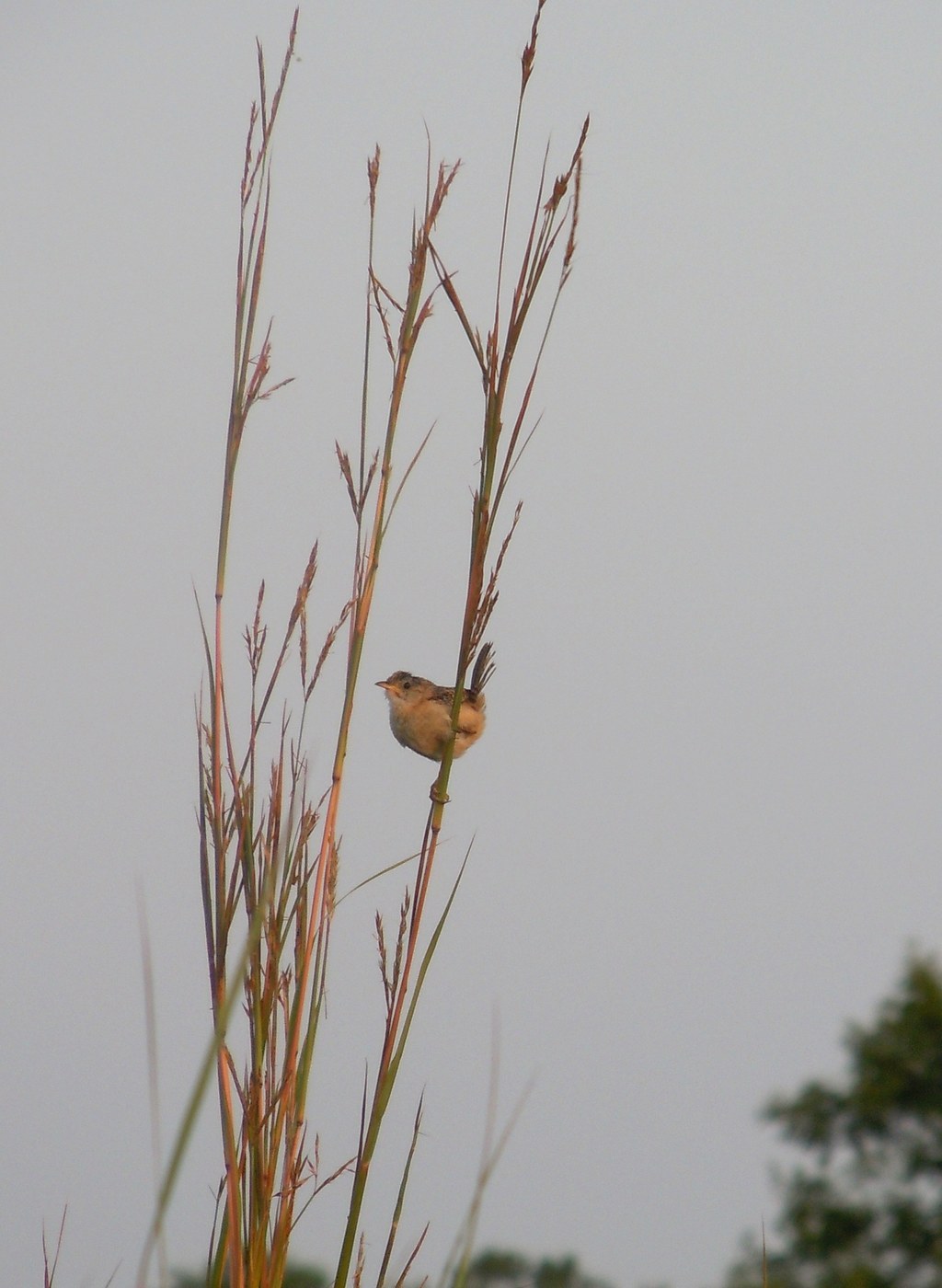
Sedge Wren
Tiny streaked crown and back feathers

Yellow-winged Cacique
Glossy black body feathers, yellow wing patch, shaggy crest

Yellow Warbler
Small contour and flight feathers
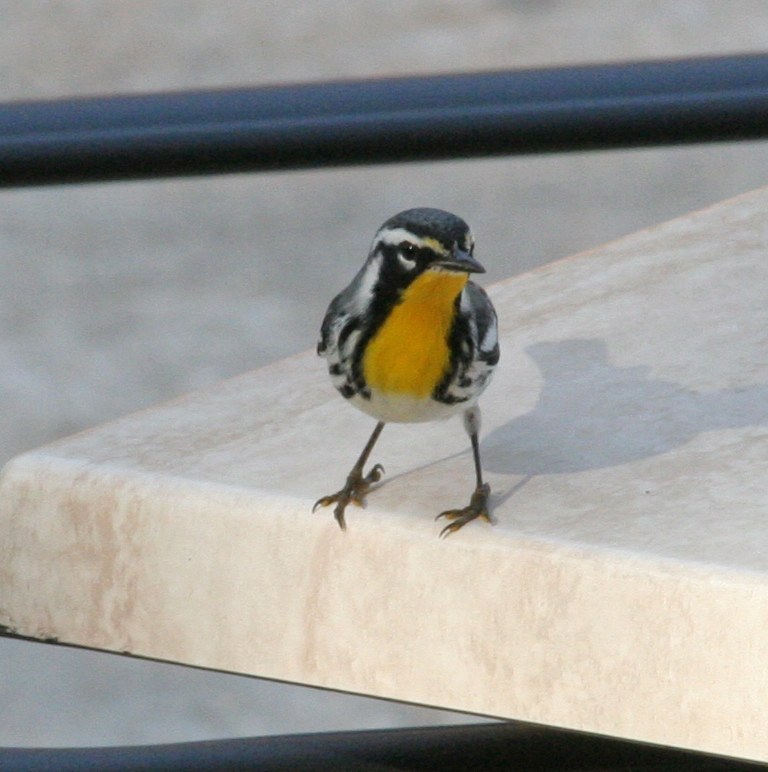
Yellow-throated Warbler
Small contour and flight feathers
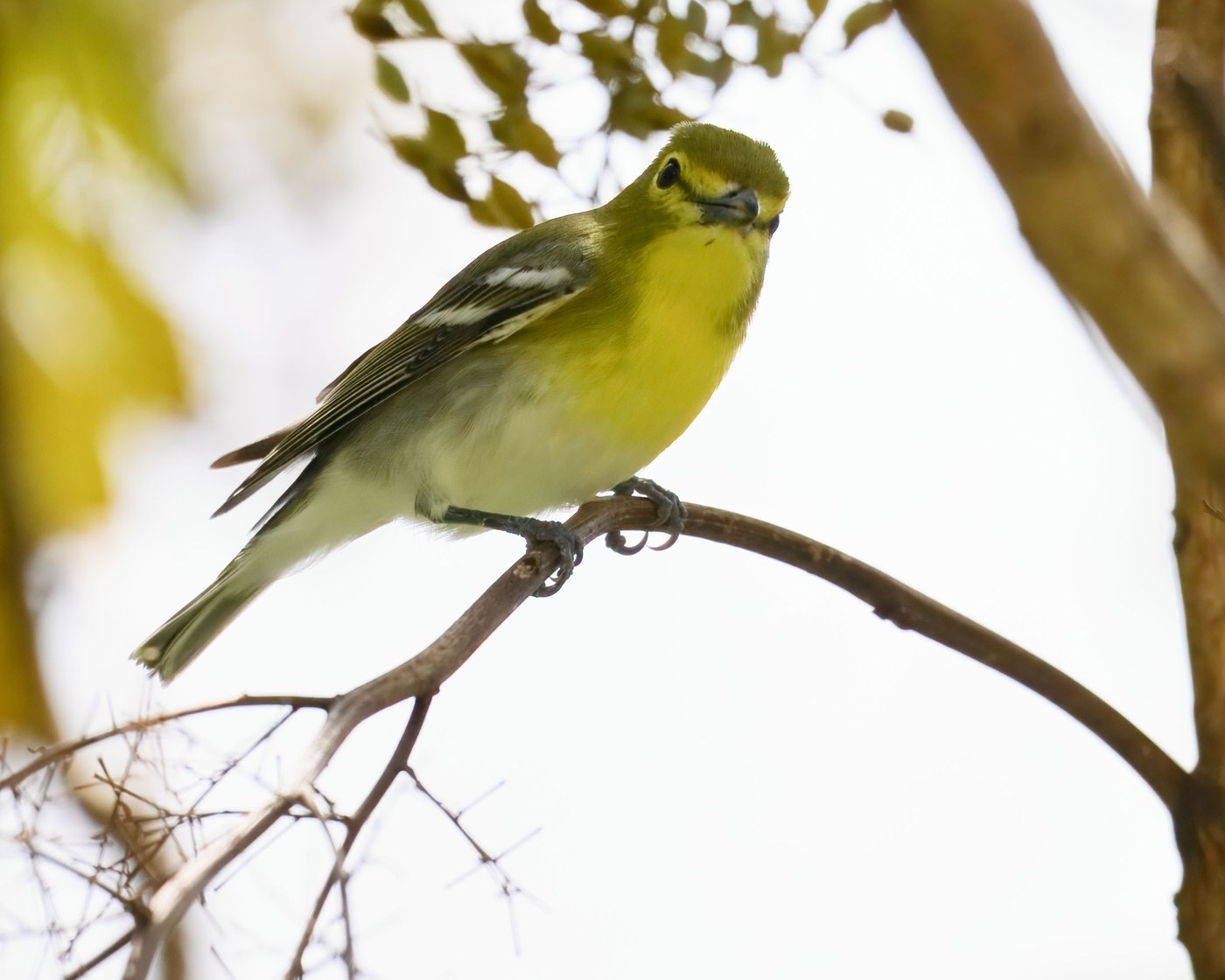
Yellow-throated Vireo
Bright yellow throat and spectacle feathers; olive-green back feathers; two white wing-bar feathers

Yellow-rumped Warbler
Small contour and flight feathers
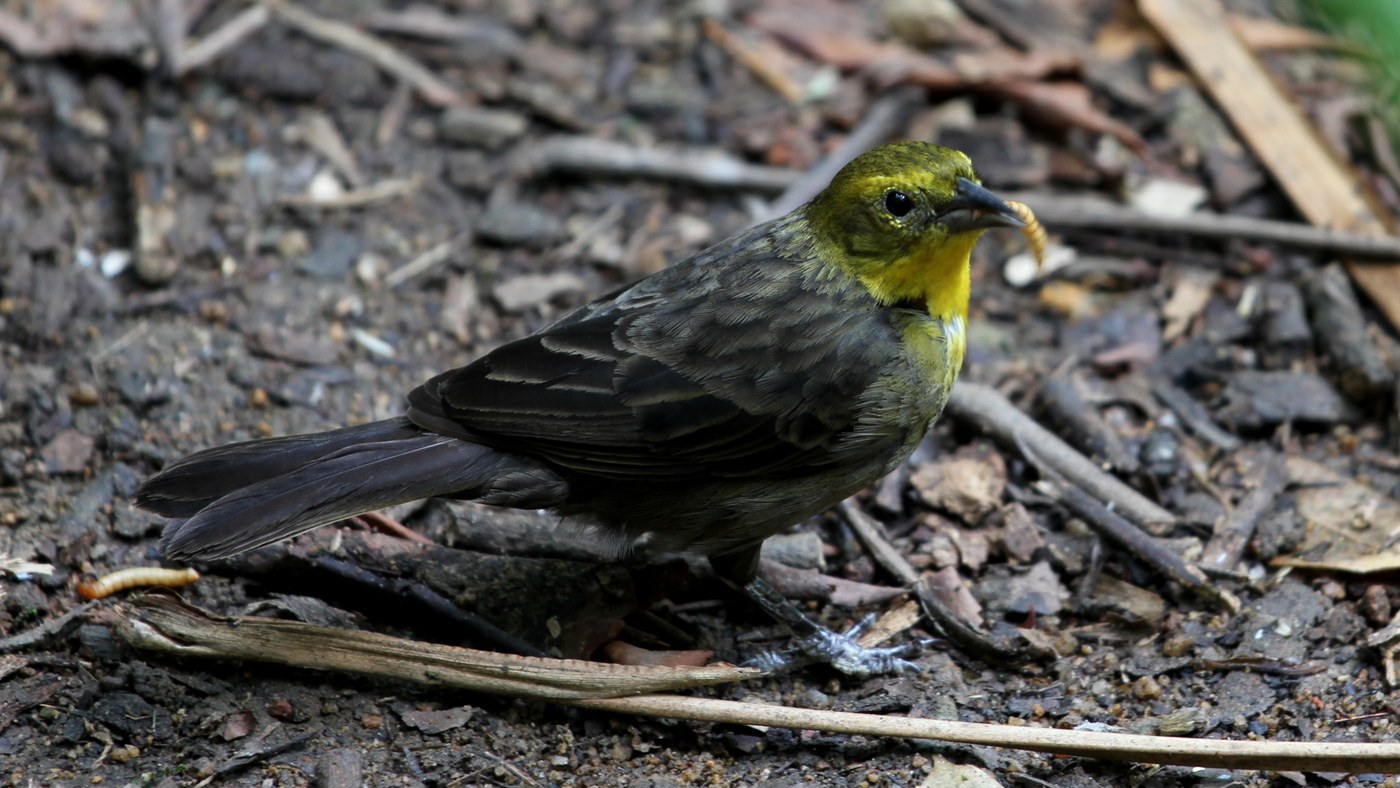
Yellow-hooded Blackbird
Contrasting hood and body feathers
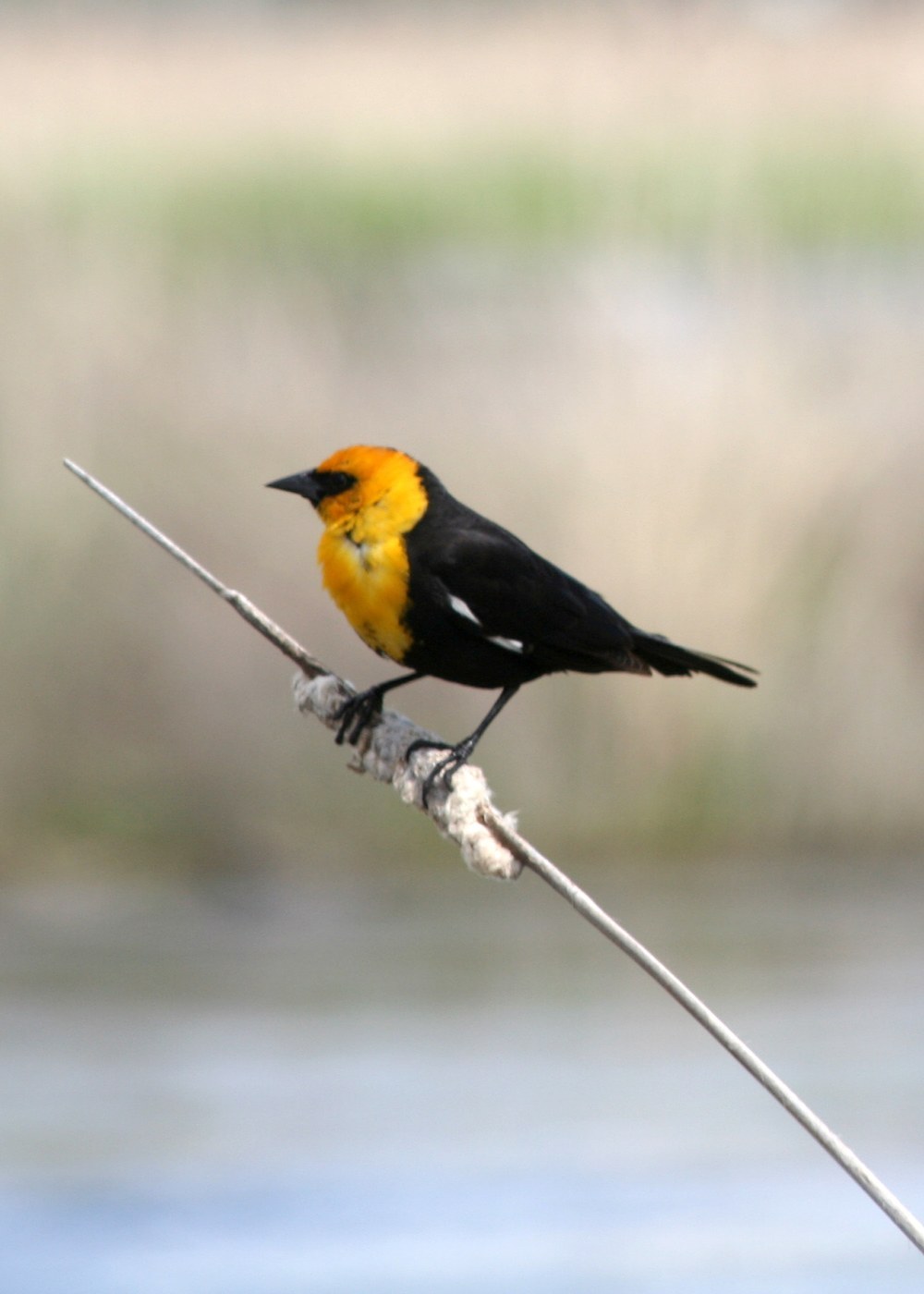
Yellow-headed Blackbird
Glossy black body plumage with a bright yellow head and breast

Yellow-eyed Junco
Contour and flight feathers

Yellow-fronted Canary
Small, smooth body plumage

Yellow-breasted Greenfinch
Compact, smooth body plumage