

Black Grouse
Lyrurus tetrix
A Eurasian grouse whose male is famous for its glossy black plumage and dramatically curved lyre-shaped tail, displayed at communal leks.
- Feather type
- Glossy body feathers with strongly curved, lyre-shaped outer tail feathers
- Colours
- Glossy blue-black with a white wing bar and white undertail
- Bird size
- Medium grouse, ~49-58 cm (male)
Found a feather like this?
Identify any feather from a photo, free.
Overview
Overview
The Black Grouse, or blackcock, is a widespread grouse of northern and central Eurasia found from moorland edges in Britain to birch and pine forest margins across Scandinavia and Siberia. Males are known for their striking lyre-shaped tail and communal spring leks, where groups gather to display and compete for mates through bubbling calls and hissing sounds.
Identifying the Feather
Feather Identification
- Male body feathers: glossy blue-black with a distinct iridescent sheen, especially on the neck and breast
- Tail feathers: the outer pair curve strongly outward, forming the namesake lyre shape when fanned; the tail overall appears forked rather than rounded or wedge-shaped
- Wing: a bold white wing bar crosses the secondaries, visible both in flight and on a shed wing feather
- Undertail coverts: pure white, contrasting sharply with the black tail
- Female (greyhen) feathers: mottled rufous-brown and black barring throughout, lacking any white wing bar contrast as strong as the male's, with a shallowly forked rather than lyre-shaped tail
Plumage & Molt
Plumage Notes
Males (blackcocks) are glossy blue-black overall with a red wattle over the eye, white wing bar, and white undertail coverts visible during display. Females (greyhens) are cryptically mottled in rufous-brown and black barring for camouflage while nesting. Juveniles resemble females. Males undergo a single complete molt after the breeding season, and the glossy sheen of fresh feathers can appear duller as plumage wears through the year.
Habitat & Range
Habitat & Range
Black Grouse occupy a broad belt of habitat across northern Europe and Asia, favoring the transition zones between open moorland or heath and birch, pine, or mixed forest. They are largely resident, though some populations shift to lower elevations or denser cover in severe winter weather.
Behavior & Field Notes
Behavior & Field Notes
Males gather at traditional lekking grounds at dawn and dusk, fanning their lyre-shaped tails, hissing, and producing a bubbling song to attract females and defend small display territories. Diet includes buds, catkins, berries, and shoots, shifting seasonally with available vegetation. Nests are shallow ground scrapes hidden in low vegetation. Outside the lek season, Black Grouse are relatively quiet and can be inconspicuous, often first detected by an explosive flush from cover.
Frequently asked questions
What makes a Black Grouse tail feather distinctive?
The outer tail feathers curve outward to form a lyre shape in males, unlike the fan-shaped or wedge-shaped tails of most other grouse.
How glossy is the black plumage really?
In good light, male body feathers show a blue to green iridescent sheen, particularly on the neck and breast, rather than a flat black.
How do female feathers differ from the male's?
Female (greyhen) feathers are mottled rufous-brown and black for camouflage, entirely lacking the male's glossy black color and white wing bar contrast.
Is the white wing bar visible on a single shed feather?
Yes, the white bar crosses the secondary feathers and is visible as a white band near the tip of an individual secondary.
Black Grouse guides
In-depth guides for identifying and understanding Black Grouse.

Other feathers you may enjoy

Ring-necked Pheasant
Body (contour), tail, and wing feathers

Bornean Peacock-pheasant
Contour and tail feathers with iridescent ocelli

Crested Argus
Extremely elongated, ocellated (eyespot-patterned) tail feathers among the longest of any bird; tall, erectile crest

Grey Partridge
Body and flank feathers

Willow Ptarmigan
Larger, stockier body feathers with warmer rufous tones in summer; tail feathers black year-round

Wild Turkey
Broad, iridescent body feathers and large flight and tail feathers

Bulwer's Pheasant
Contour feathers and elongated white tail feathers
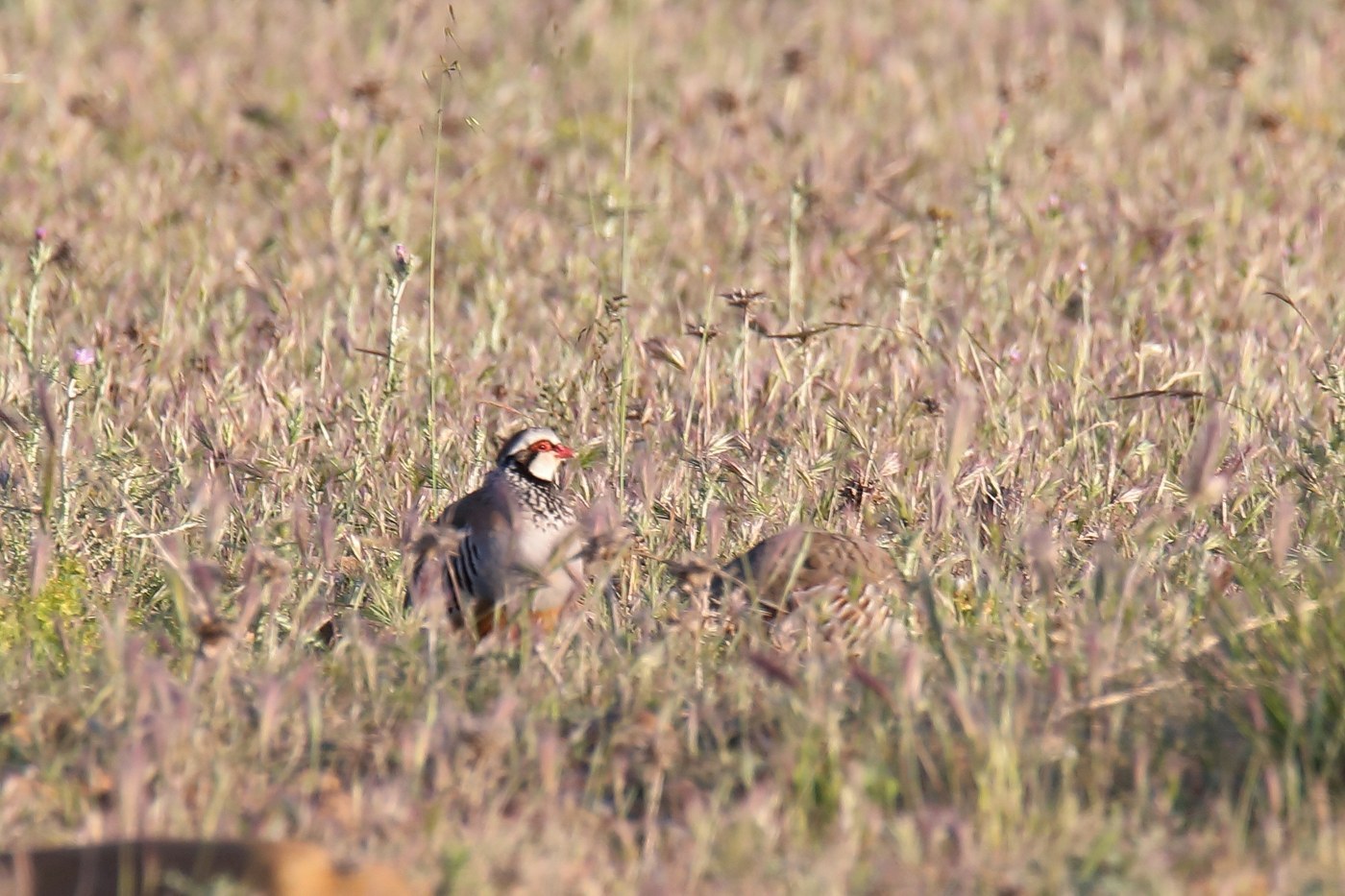
Red-legged Partridge
Flank, body, and flight feathers

White-tailed Ptarmigan
Small body feathers with a tail that stays pure white year-round, unlike other ptarmigan

Edwards's Pheasant
Contour and tail feathers

Sooty Grouse
Dense, plain contour feathers with a pale-tipped, fanned tail

Snow Partridge
Finely vermiculated barred contour feathers