

Brown Jay
Psilorhinus morio
A large, plain brown jay of Mexico and Central America, lacking bright colors but notable for its size, loud calls, and whitish tail tip.
- Feather type
- Contour, wing, and tail feathers
- Colours
- Dull brown to blackish-brown overall, some populations paler on the belly, whitish tip on the tail
- Bird size
- Larger jay, ~40 cm
Found a feather like this?
Identify any feather from a photo, free.
Overview
The Brown Jay ranges from Mexico through much of Central America, favoring forest edge, scrub, and river corridors rather than deep forest interior. Unlike many of its more vividly colored relatives, it is plain brown to blackish-brown overall, one of the largest and least colorful jays in the Americas, though some southern populations show paler underparts.
Its large size, loud voice, and social flocking behavior make it a conspicuous presence wherever it occurs.
Identifying the Feather
- Contour feathers are dull brown to blackish-brown over most of the body, lacking the bright blues, greens, or yellows seen in many related jays
- Some southern populations show paler, whitish-brown feathers on the belly, contrasting mildly with darker upperparts, while northern populations tend to be uniformly dark
- Tail feathers are dark brown with pale, whitish tips, a useful and consistent identifying feature across populations
- Overall feather size is notably larger than in most other American jays, reflecting this species' bigger body size
Plumage & Molt
Sexes look alike in plumage. Juveniles show yellowish bill and eye-ring coloring that fades to black with maturity, though this is a soft-part rather than feather trait; juvenile feathers are otherwise similar in color to adults but slightly duller. One complete molt occurs annually after breeding.
Habitat & Range
- Found from eastern Mexico through Central America, generally in lowland and foothill regions
- Favors forest edge, scrubby second growth, and corridors along rivers and streams rather than closed-canopy forest
- Non-migratory, with flocks typically remaining in the same general area year-round
Behavior & Field Notes
Brown Jays are highly social, moving in noisy flocks and often breeding cooperatively, with related birds helping raise young at shared nests. Diet is broad, including insects, small animals, fruit, and eggs or nestlings of other birds, foraged both on the ground and in vegetation. Calls are loud, harsh, and far-carrying, among the most conspicuous vocalizations of any jay in its range, and nests are bulky stick structures built in trees or dense shrubs.
Frequently asked questions
How can I recognize a Brown Jay feather among more colorful jays?
The plain dull brown to blackish-brown color, combined with a whitish tip on the tail feathers, is a strong identifier since this species lacks the bright blues, greens, or yellows typical of many related jays.
Do all Brown Jay populations look the same?
No, some southern populations show paler, whitish-brown underparts while northern populations tend to be more uniformly dark brown to blackish overall.
What is distinctive about the tail feathers specifically?
They are dark brown with pale, whitish tips, a consistent feature across the species' range and a helpful confirming detail alongside the overall brown coloring.
Where would I most likely find a shed feather?
Along forest edge, scrub, and river corridors from eastern Mexico through Central America, generally in lowland and foothill areas.
Brown Jay guides
In-depth guides for identifying and understanding Brown Jay.

Other feathers you may enjoy

Yellow-billed Magpie
Contour, wing, and tail feathers

White-throated Magpie-Jay
Contour, wing, and tail feathers

White-necked Crow
Contour and flight feathers

Slender-billed Crow
Contour and flight feathers

Sinaloa Crow
Contour and flight feathers

Siberian Jay
Contour, wing, and tail feathers

Yellow-billed Blue Magpie
Contour, wing, and tail feathers
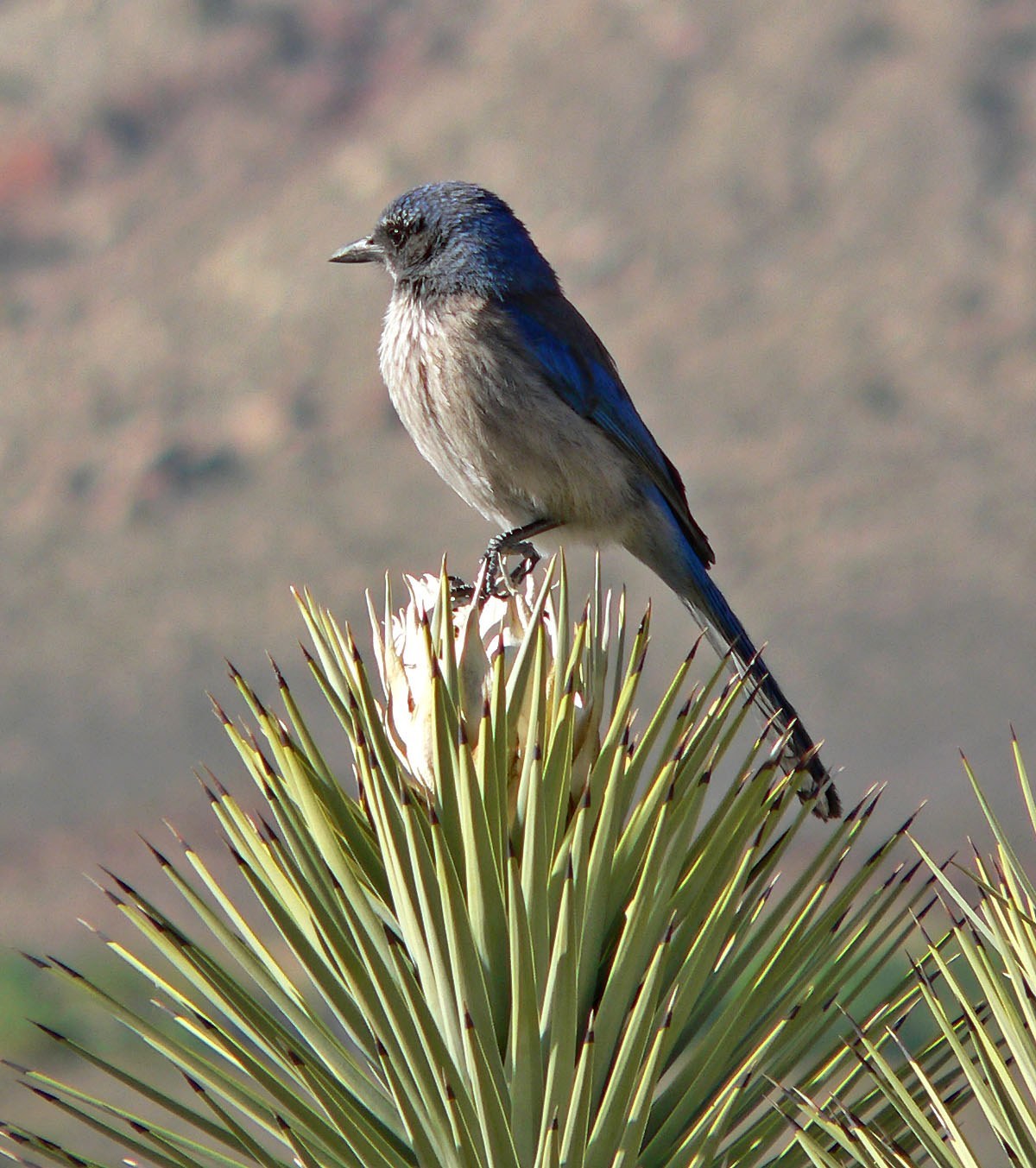
Woodhouse's Scrub-Jay
Contour and flight feathers
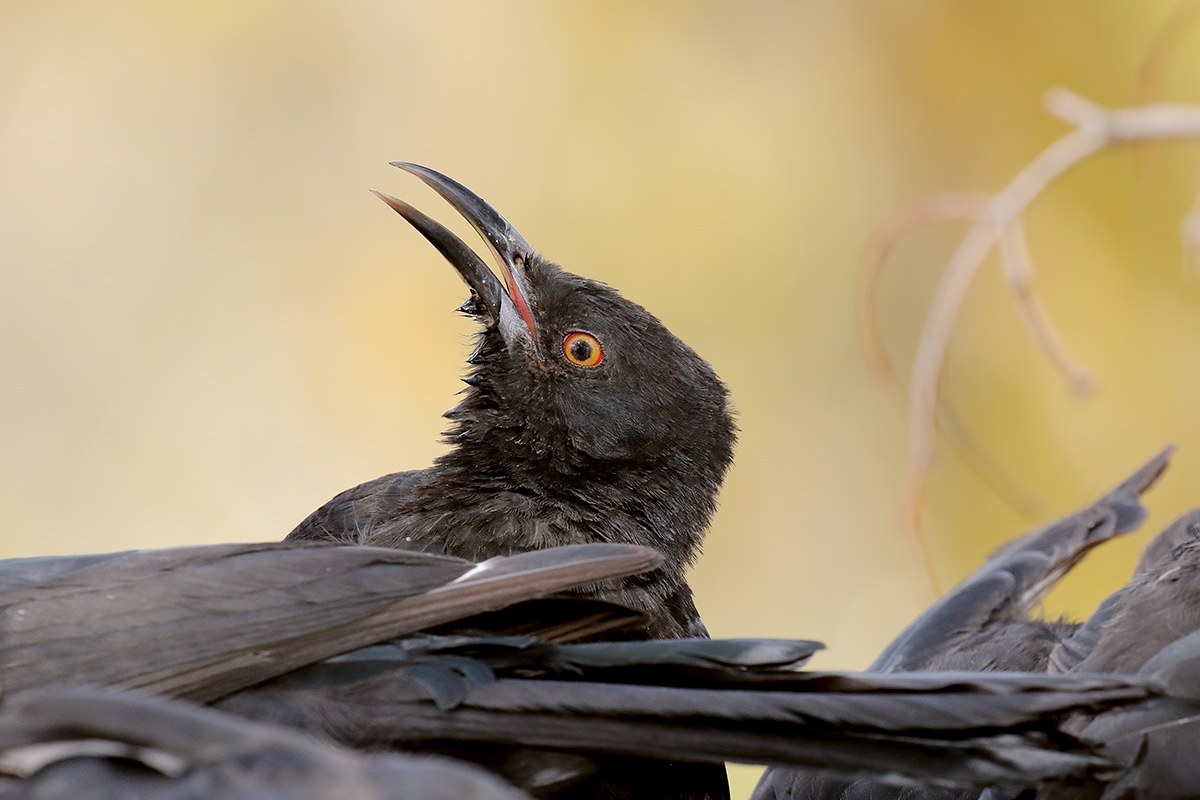
White-winged Chough
Contour and flight feathers

Rufous Treepie
Long, graduated tail feathers; loose body contour feathers

Thick-billed Raven
Contour and flight feathers
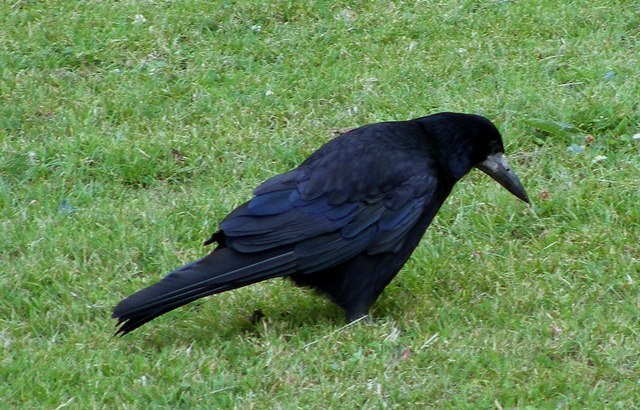
Rook
Glossy purple-black flight and body feathers; loose, shaggy thigh (leg) feathers