

Canada Jay
Perisoreus canadensis
A famously tame, fluffy grey jay of the North American boreal forest, known for boldly approaching campers and caching food for winter survival.
- Feather type
- Contour, wing, and tail feathers
- Colours
- Soft grey body, whitish forehead and face, dark grey-black nape and hindcrown
- Bird size
- Robin- to jay-sized, ~28-33 cm
Found a feather like this?
Identify any feather from a photo, free.
Overview
The Canada Jay is a hallmark bird of the North American boreal forest and high-elevation conifer stands further south, well known for its soft grey plumage, gentle expression, and remarkable tameness around people. It is closely related to the Siberian Jay, sharing a similar body plan and cold-adapted lifestyle, though it lacks the rufous wing and tail patches of its Eurasian relative.
Often called by nicknames like 'whiskey jack' or 'camp robber,' it is famous for its willingness to take food directly from hikers and campers.
Identifying the Feather
- Contour feathers are soft and fluffy, pale grey overall, providing insulation for life in cold northern forests
- The forehead and face feathers are whitish to pale grey, contrasting with a darker grey-black cap covering the hindcrown and nape
- Wing feathers are plain grey without bright patches, distinguishing this species from the rufous-marked Siberian Jay
- Tail feathers are grey and relatively soft-textured, lacking strong pattern or contrasting color
Plumage & Molt
Sexes look alike in plumage. Juveniles are notably darker overall, with sooty grey-black plumage lacking the pale face of adults, and gradually molt into the adult pattern over their first year. One complete molt occurs annually in adults after breeding.
Habitat & Range
- Found across the boreal forest of Canada and Alaska, extending south into high-elevation conifer forest in the western United States and parts of the northeastern U.S.
- Strongly associated with mature spruce-fir and other coniferous forest types
- Non-migratory, relying on food caching to survive long, cold winters
Behavior & Field Notes
Canada Jays cache enormous quantities of food, sticking items to bark and foliage with sticky saliva for retrieval through the winter and into the following breeding season, when they nest and lay eggs unusually early, sometimes in deep snow. They are famously tame, often approaching hikers, hunters, and campsites closely in search of food, giving rise to their common nicknames. Calls include soft whistles and chattering notes, and family groups often remain together outside the breeding season.
Frequently asked questions
How can I tell a Canada Jay feather from a Siberian Jay feather?
Canada Jay feathers are plain grey without the rufous-orange patches found on the wings and tail sides of the Siberian Jay, and the two species do not overlap in range.
Why does the face look paler than the rest of the head?
The forehead and face feathers are whitish to pale grey, contrasting with a darker grey-black cap over the hindcrown and nape, a pattern useful for quick identification.
Do juvenile feathers look different from adult ones?
Yes, juveniles are notably darker and sootier overall, lacking the pale face of adults, and gradually molt into the typical grey-and-white adult pattern over their first year.
Where would I most likely find this species' feathers?
In mature coniferous forest across the Canadian and Alaskan boreal zone, as well as high-elevation conifer forest further south in parts of the western and northeastern United States.
Canada Jay guides
In-depth guides for identifying and understanding Canada Jay.

Canada Jay identified by the community
Real feathers identified with Feather Identifier.


Other feathers you may enjoy

Yellow-billed Magpie
Contour, wing, and tail feathers

White-throated Magpie-Jay
Contour, wing, and tail feathers

White-necked Crow
Contour and flight feathers

Slender-billed Crow
Contour and flight feathers

Sinaloa Crow
Contour and flight feathers

Siberian Jay
Contour, wing, and tail feathers

Yellow-billed Blue Magpie
Contour, wing, and tail feathers
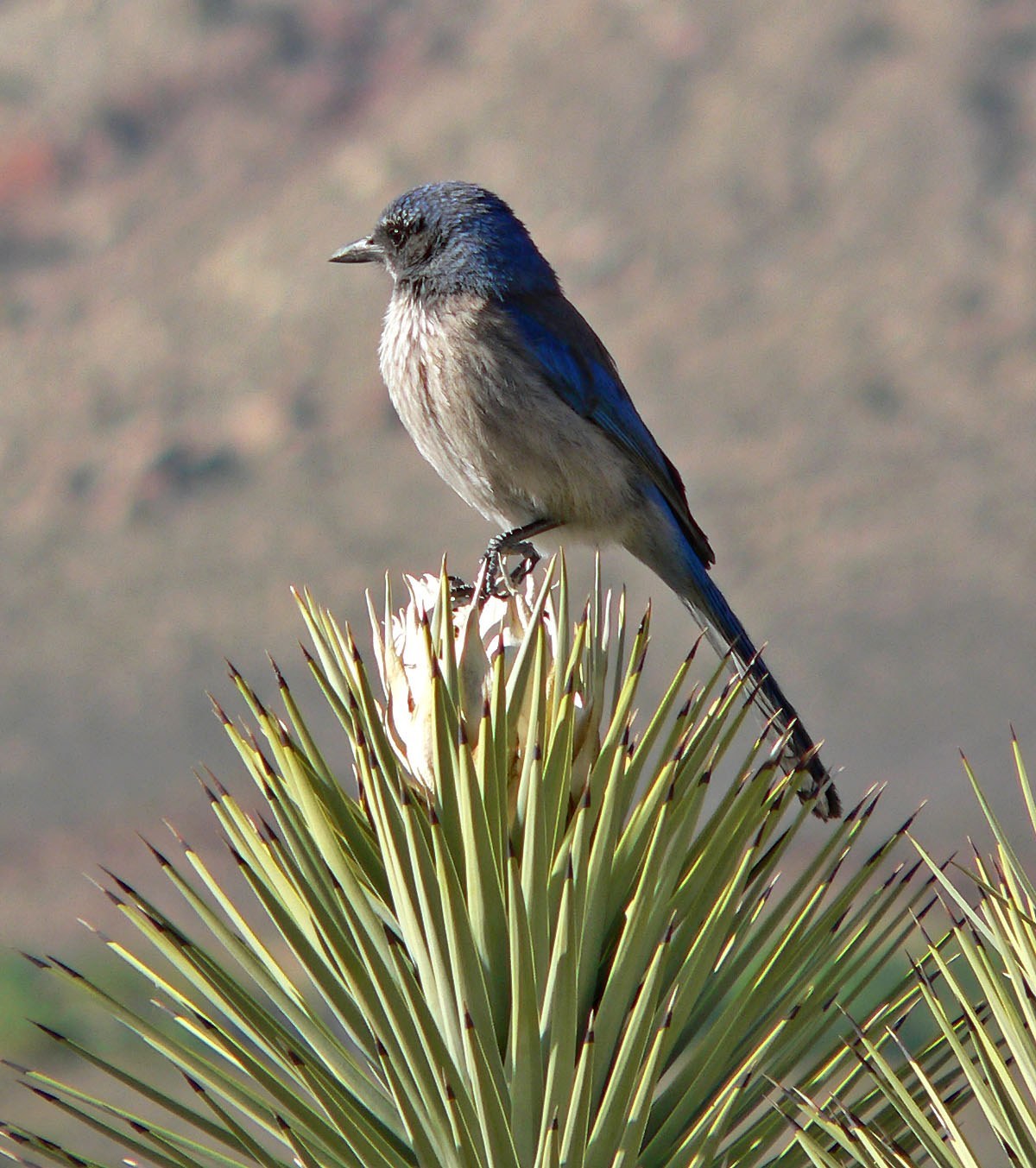
Woodhouse's Scrub-Jay
Contour and flight feathers
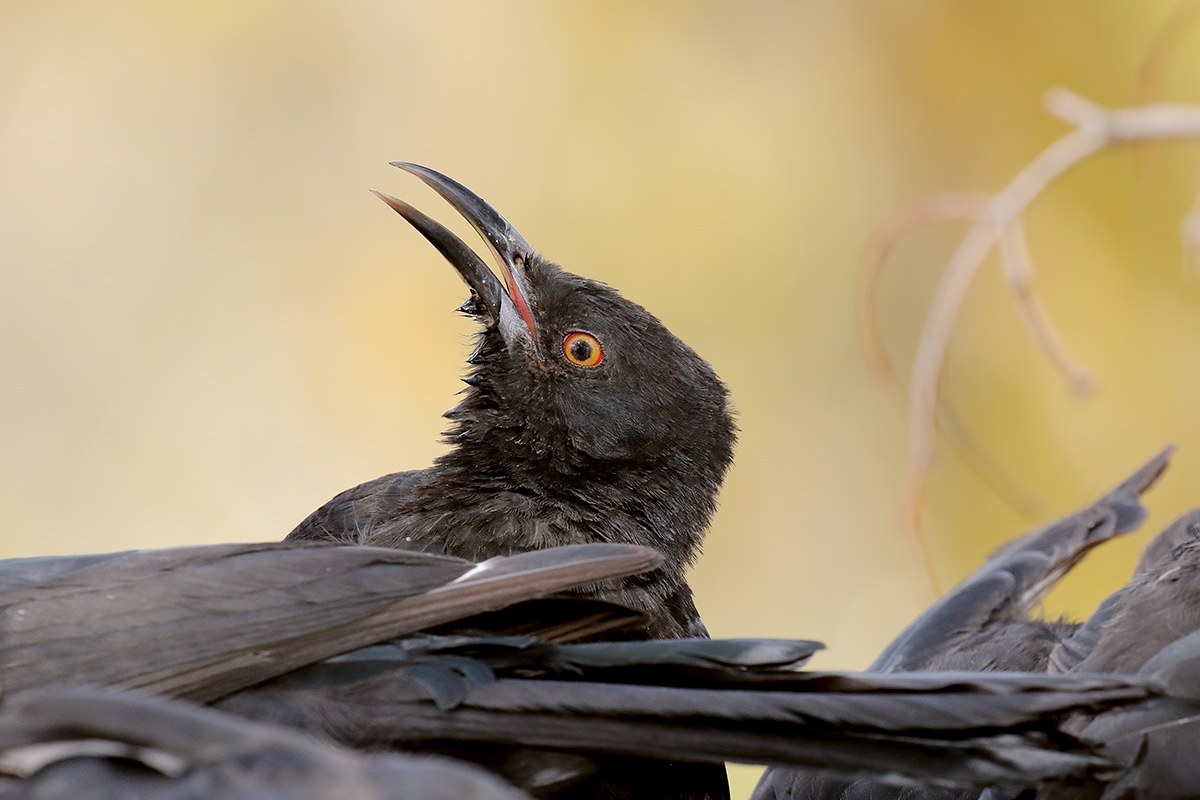
White-winged Chough
Contour and flight feathers

Rufous Treepie
Long, graduated tail feathers; loose body contour feathers

Thick-billed Raven
Contour and flight feathers
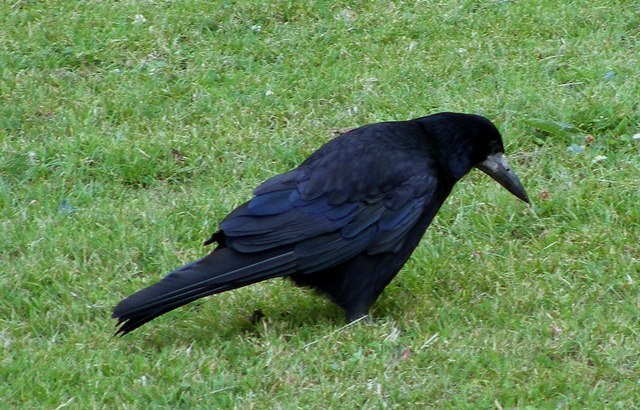
Rook
Glossy purple-black flight and body feathers; loose, shaggy thigh (leg) feathers