

Eurasian Jay
Garrulus glandarius
A shy woodland corvid best known for its brilliant sky-blue, black-barred wing covert feathers — among the most eye-catching and easily recognized feathers found in temperate woodland.
- Feather type
- Distinctive barred blue-and-black wing covert feathers; pinkish-brown body feathers; black tail
- Colours
- Pinkish-brown body, bright azure-blue wing patch barred with black and white, black-and-white head markings
- Bird size
- Medium corvid, ~34 cm, roughly pigeon-sized
Found a feather like this?
Identify any feather from a photo, free.
Overview
The Eurasian Jay is a colorful, secretive member of the crow family, more often heard giving harsh screeching calls than seen clearly in the woodland canopy it favors. Its pinkish-brown body is offset by bold black-and-white facial markings and a striking white rump visible in flight.
Jays are widespread residents of oak and mixed woodlands across Europe and much of temperate Asia, and their habit of caching acorns makes them ecologically important seed dispersers in forest ecosystems.
The feather most people recognize instantly, even without knowing the bird, is the small covert feather from the bend of the wing: a vivid sky-blue background finely barred with black and white, unlike any other feather produced by a European bird.
Identifying the Feather
The famous blue covert feathers
- Small, rounded wing covert feathers show a brilliant azure to sky-blue background crossed by narrow black bars, often with a thin white bar as well.
- These feathers are short (a few centimeters) and are the single most searched-for and recognized feather type from this species.
Other wing and tail feathers
- Larger flight feathers (primaries and secondaries) are blackish with white edging or patches, lacking the blue barring.
- Tail feathers are black, fairly long and square-ended.
Body feathers
- Body (contour) feathers are pinkish-brown to buffy-grey, soft and unmarked.
- Head feathers include a black moustache stripe and a pale, streaked crown that can be raised into a short crest.
Confusion species
The barred blue-and-black covert feather is unique among common European birds — no other species shows this exact combination of azure-blue background with fine black barring, making it one of the most confidently identifiable single feathers in the field.
Plumage & Molt
Adult Jays have a pinkish-brown body, a whitish, black-streaked crown, a bold black moustache stripe, and a white rump contrasting with a black tail. The wings show black flight feathers, white patches, and the signature electric-blue, black-barred covert patch at the bend of the wing.
Males and females look alike in plumage. Juveniles are similar to adults but slightly duller and more loosely feathered, with the blue wing patch present from an early age.
Jays undergo a complete post-breeding molt in late summer, during which the prized blue covert feathers are replaced along with the rest of the plumage.
Habitat & Range
Eurasian Jays live in broadleaf and mixed woodland, with a strong association with oak trees whose acorns they collect and cache in large numbers. They also occur in parks, large gardens, and wooded farmland.
The species is resident across most of its range in Europe and temperate Asia, though northern populations may show irruptive movements south in years of poor acorn crops.
Behavior & Field Notes
Jays are omnivorous, feeding heavily on acorns and other tree seeds which they cache for later use, as well as invertebrates, eggs, and nestlings. Their acorn-caching behavior contributes significantly to oak woodland regeneration.
They are wary and often first detected by their harsh, screeching alarm call rather than by sight. Nests are bulky twig cups built in trees or large shrubs.
Because the blue covert feather is so distinctive, it is often the first feather a beginner learns to identify with confidence; finding one is a reliable sign of Jay activity in nearby woodland.
Frequently asked questions
What is the easiest Jay feather to identify?
The small wing covert feather with a bright azure-blue background finely barred in black and white is unique to this species and unmistakable.
Are all Jay feathers blue?
No, only the wing covert feathers show the blue barring; body feathers are pinkish-brown and the larger flight feathers are blackish with white patches.
Could the blue Jay feather be confused with a Kingfisher feather?
Kingfisher feathers are a solid iridescent blue without black barring, while Jay covert feathers are clearly barred with black and white across the blue.
How big is a typical Jay wing covert feather?
Quite small, generally just a few centimeters long, much shorter than the bird's primary flight feathers.
Where would I likely find a Jay feather?
In or near oak and mixed woodland, often on the ground below trees where Jays forage and cache acorns.
Eurasian Jay guides
In-depth guides for identifying and understanding Eurasian Jay.

Eurasian Jay identified by the community
Real feathers identified with Feather Identifier.


Other feathers you may enjoy

Yellow-billed Magpie
Contour, wing, and tail feathers

White-throated Magpie-Jay
Contour, wing, and tail feathers

White-necked Crow
Contour and flight feathers

Slender-billed Crow
Contour and flight feathers

Sinaloa Crow
Contour and flight feathers

Siberian Jay
Contour, wing, and tail feathers

Yellow-billed Blue Magpie
Contour, wing, and tail feathers
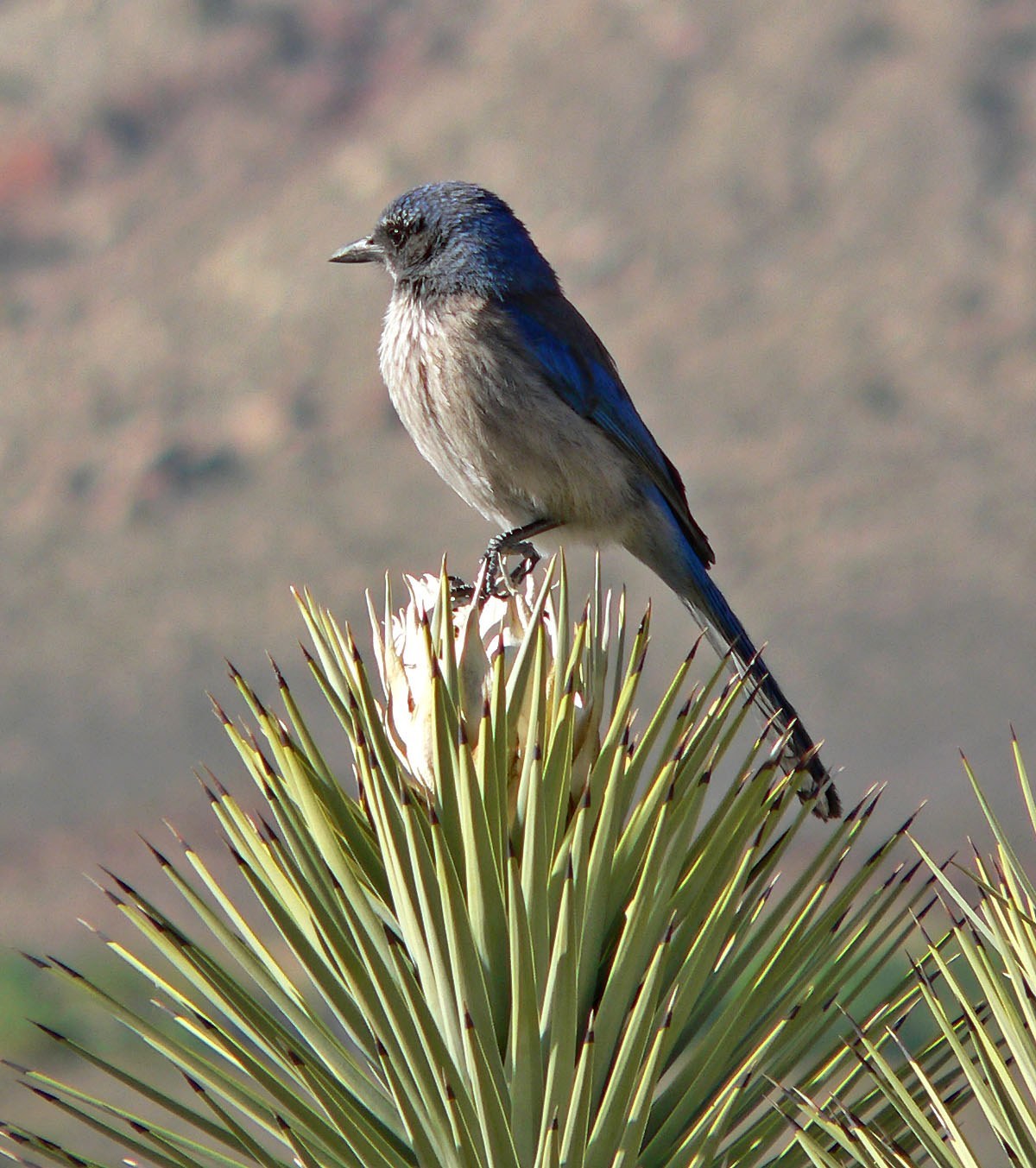
Woodhouse's Scrub-Jay
Contour and flight feathers
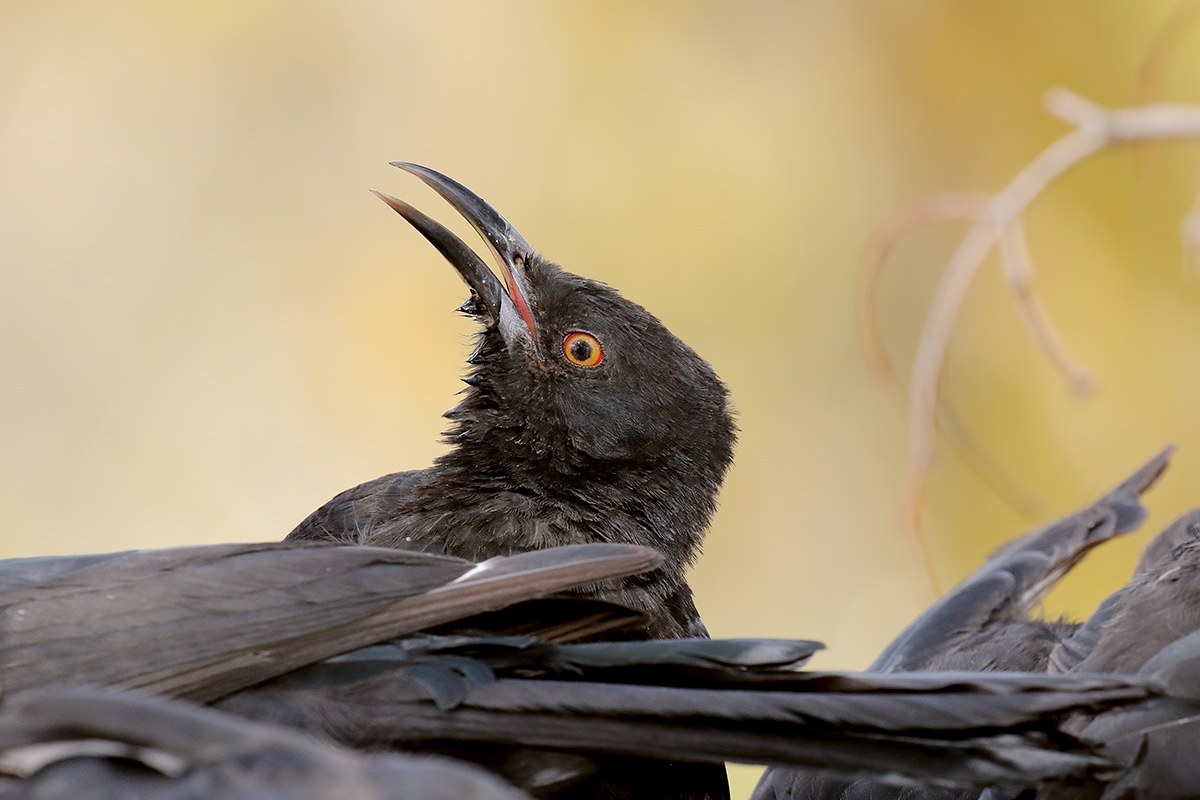
White-winged Chough
Contour and flight feathers

Rufous Treepie
Long, graduated tail feathers; loose body contour feathers

Thick-billed Raven
Contour and flight feathers
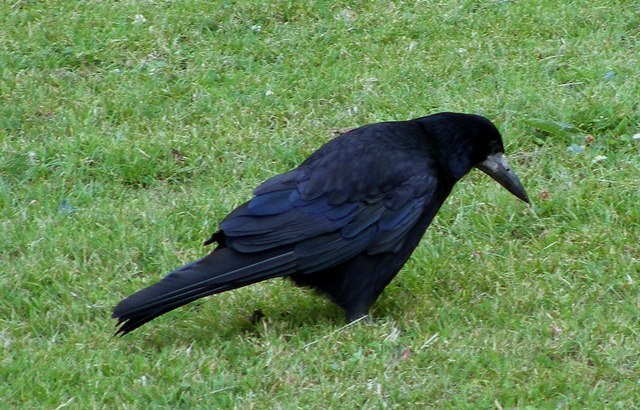
Rook
Glossy purple-black flight and body feathers; loose, shaggy thigh (leg) feathers