

Forest Raven
Corvus tasmanicus
A stocky, forest-associated raven of Tasmania and a limited part of the southeastern mainland, similar in appearance to the Australian Raven.
- Feather type
- Contour and flight feathers
- Colours
- Glossy black with grey-white feather bases
- Bird size
- Large raven, ~50-53 cm
Found a feather like this?
Identify any feather from a photo, free.
Overview
Overview
The Forest Raven is a large, stocky corvid found primarily in Tasmania, with a smaller, disjunct population on parts of the adjacent southeastern Australian mainland. It tends to favor forested habitats more than the more farmland-associated Australian Raven.
Its range barely overlaps with other Australian corvids, making location one of the most useful identification tools.
Identifying the Feather
Feather Identification
Feathers are glossy black with pale grey-white bases, closely resembling those of the Australian Raven in structure and color.
- Body feathers: Stocky build reflected in broader, heavier body feathers compared to Little Raven.
- Throat feathers: Moderate throat hackle feathers, generally intermediate in length between Little Raven and Australian Raven.
- Flight feathers: Broad, strong primaries and secondaries suited to forest and open-country flight.
- Similar species: Very similar to Australian Raven in feather structure; range (primarily Tasmania) is the most reliable distinguishing factor given minimal overlap between the two species.
Plumage & Molt
Plumage Notes
Adults show glossy black plumage with grey-white feather bases. Juveniles are duller, gaining full adult gloss and hackle development with maturity.
Sexes look alike in plumage. A complete annual molt follows breeding.
Habitat & Range
Habitat & Range
Forest Ravens favor forest, farmland, and coastal habitats across Tasmania, with an additional small, disjunct population in parts of southeastern mainland Australia (Victoria and border regions of New South Wales). They are more strongly associated with forested landscapes than some other Australian corvids.
The species is resident within its range, without significant migratory movement.
Behavior & Field Notes
Behavior & Field Notes
This raven is often seen alone, in pairs, or small groups, foraging in forest, farmland, and coastal areas. Diet is broad and opportunistic.
Nests are stick platforms built in trees. Calls are deep, resonant croaks, generally similar to Australian Raven but often described as slightly harsher. Its predominantly Tasmanian range, where it is the only resident raven species, makes location the most reliable identification clue.
Frequently asked questions
How can you tell Forest Raven feathers from Australian Raven feathers?
The two are very similar in feather structure and color; range is the most reliable clue, since Forest Raven is largely restricted to Tasmania with only a small mainland population.
Where does the Forest Raven live?
Primarily in Tasmania, with a smaller, disjunct population in parts of southeastern mainland Australia including Victoria.
What color are Forest Raven feathers?
Glossy black with pale grey-white feather bases, similar to other Australian ravens.
Is the Forest Raven found in cities?
It is more strongly associated with forest and farmland habitats than dense urban areas, though it can occur near towns within its range.
Forest Raven guides
In-depth guides for identifying and understanding Forest Raven.

Other feathers you may enjoy

Yellow-billed Magpie
Contour, wing, and tail feathers

White-throated Magpie-Jay
Contour, wing, and tail feathers

White-necked Crow
Contour and flight feathers

Slender-billed Crow
Contour and flight feathers

Sinaloa Crow
Contour and flight feathers

Siberian Jay
Contour, wing, and tail feathers

Yellow-billed Blue Magpie
Contour, wing, and tail feathers
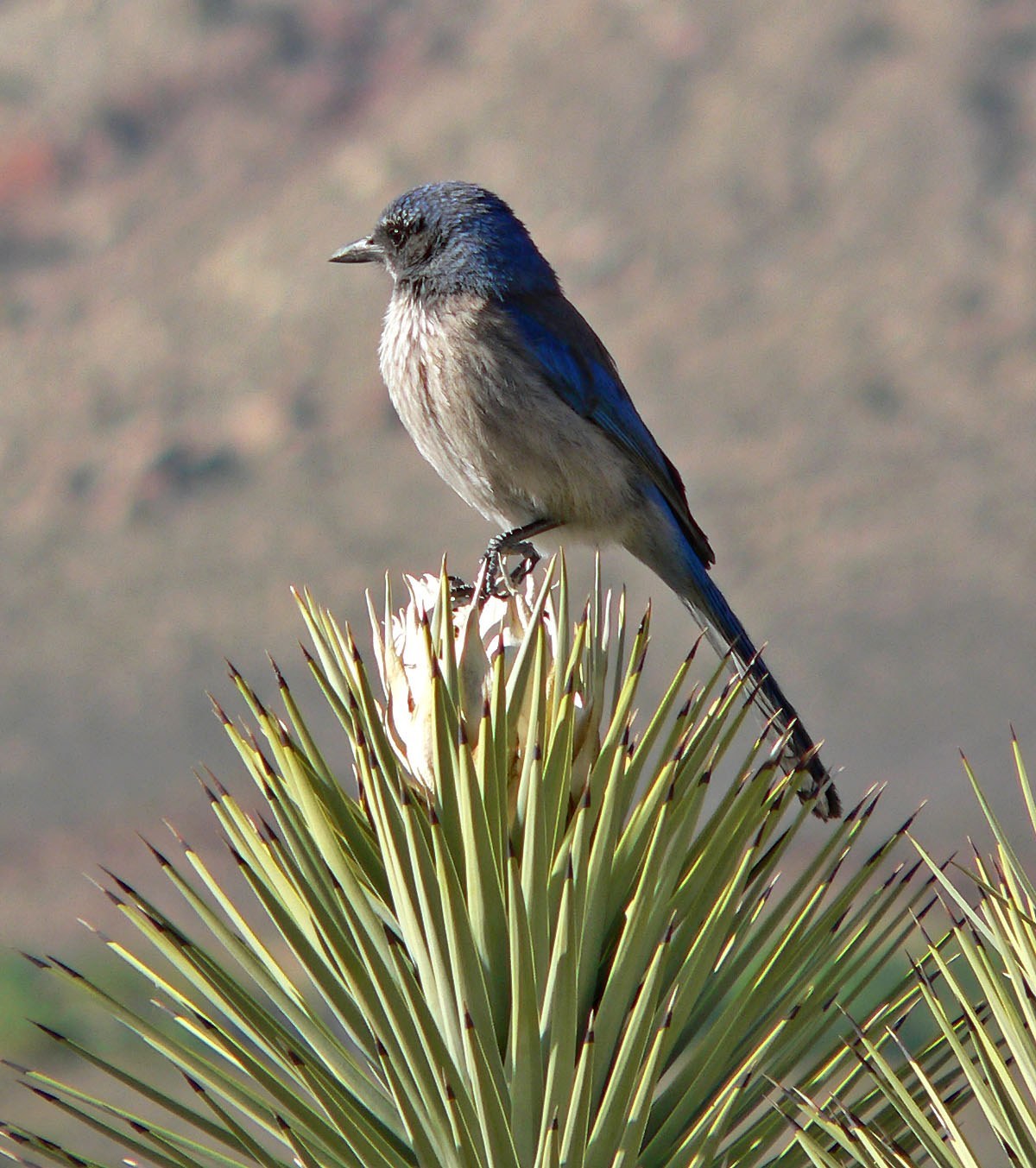
Woodhouse's Scrub-Jay
Contour and flight feathers
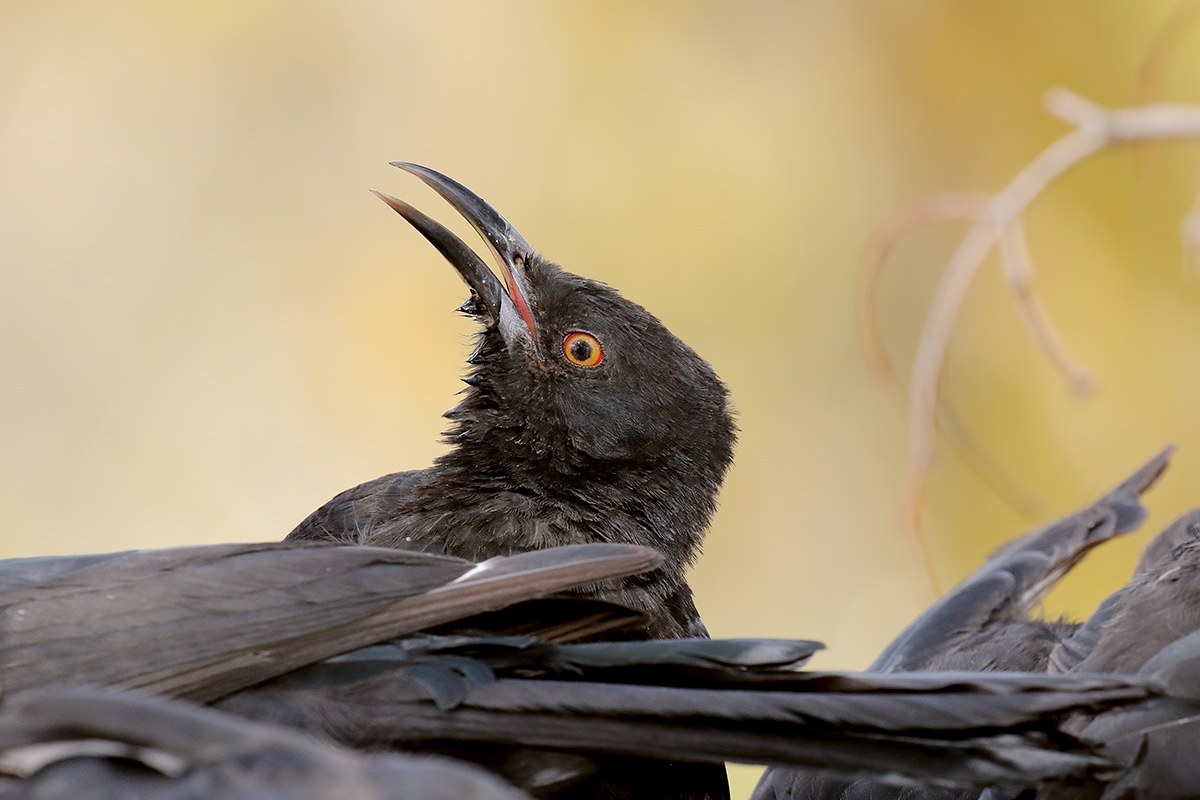
White-winged Chough
Contour and flight feathers

Rufous Treepie
Long, graduated tail feathers; loose body contour feathers

Thick-billed Raven
Contour and flight feathers
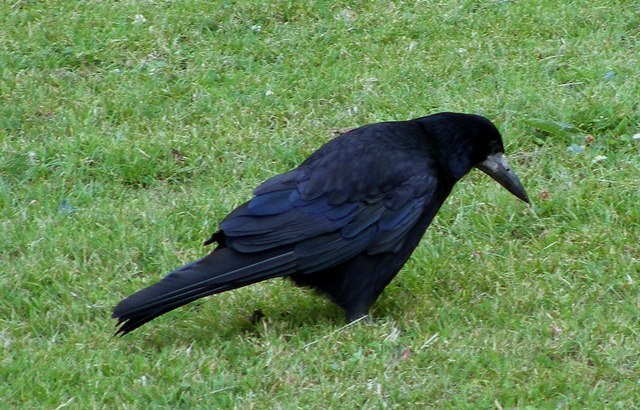
Rook
Glossy purple-black flight and body feathers; loose, shaggy thigh (leg) feathers