
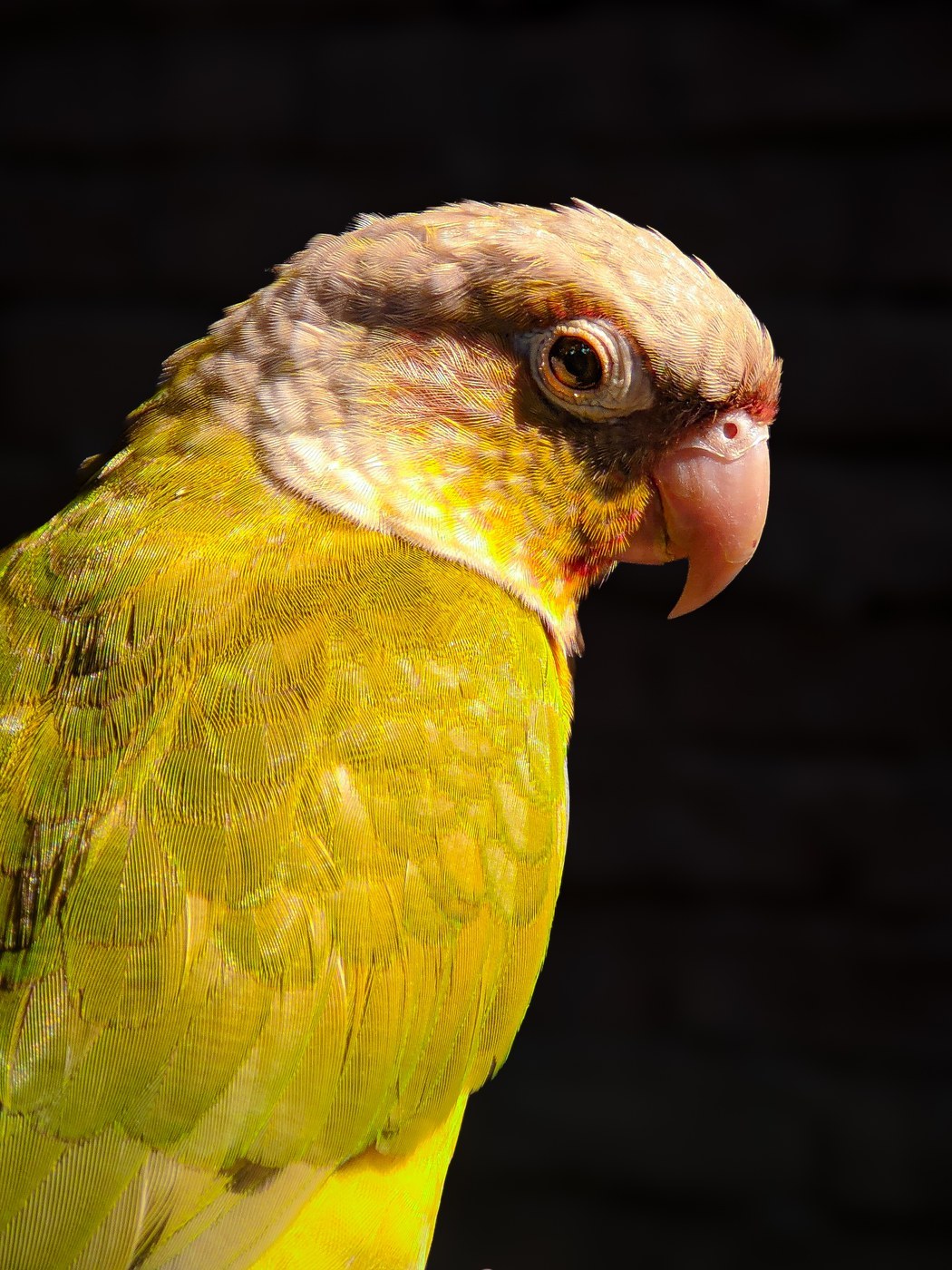
Green-cheeked Conure
Pyrrhura molinae
A small, compact South American conure with green cheeks, a grey-brown crown, and a distinctive maroon-red tail contrasting with its mostly green body.
- Feather type
- Small, softly textured body feathers with a maroon-tinted tail
- Colours
- Green body with a grey-brown crown, green cheeks, and a deep maroon tail
- Bird size
- Small conure, ~26 cm
Found a feather like this?
Identify any feather from a photo, free.
Overview
The Green-cheeked Conure inhabits humid and dry forest across parts of central South America, including Bolivia, Paraguay, and Brazil. It is one of the smaller Pyrrhura conures, a genus generally distinguished by more subdued coloration and finely barred breast feathers compared with the brighter Aratinga conures.
Identifying the Feather
Body feathers are green overall, with a grey-brown crown and nape and green cheeks that give the species its name. The breast shows a faint grey-brown scalloped or barred pattern grading into green on the belly, subtler than the bold scalloping of the Monk Parakeet. The flight feathers are blue-tinged, and the tail is notably long relative to body size and colored a deep maroon-red, especially visible from below or when spread. This maroon tail against an otherwise green, grey-crowned bird is a key identifying combination among small Pyrrhura conures.
Plumage & Molt
Sexes are alike in plumage, with no reliable external difference between males and females. Juveniles are duller with less defined grey scalloping on the breast and a browner tail that deepens to full maroon with maturity after the first molt.
Habitat & Range
This species occupies humid and dry forest, including forest edge and secondary growth, across parts of Bolivia, Paraguay, and central Brazil. It is largely non-migratory, remaining within forested territories, with flocks moving locally in response to fruiting trees.
Behavior & Field Notes
Green-cheeked Conures feed on fruit, seeds, and blossoms, foraging in small flocks within the forest canopy and edge. Nests are placed in tree cavities. Calls include short, sharp chattering notes, generally less harsh and lower in volume than the calls of larger Aratinga conures, given while foraging and in flight.
Frequently asked questions
What color is the Green-cheeked Conure's tail?
A deep maroon-red, contrasting with the mostly green body and grey-brown crown.
What gives the Green-cheeked Conure its name?
Its green cheek feathers, which contrast with the grey-brown crown and nape.
Where does the Green-cheeked Conure live?
In humid and dry forest across parts of Bolivia, Paraguay, and central Brazil.
Are Green-cheeked Conure calls as loud as other conures?
No, their calls tend to be shorter and less harsh than those of larger Aratinga conures.
Green-cheeked Conure guides
In-depth guides for identifying and understanding Green-cheeked Conure.
Other feathers you may enjoy
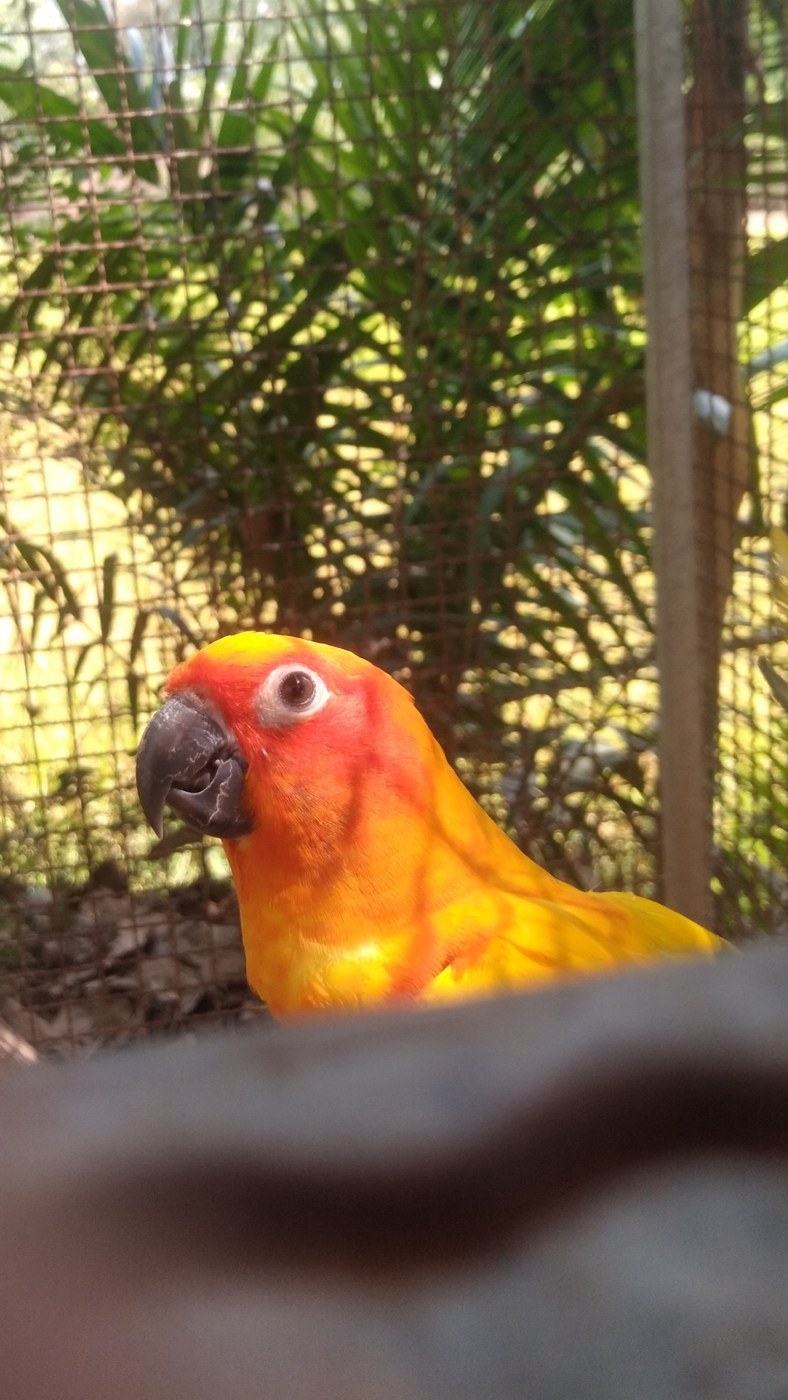
Sun Parakeet
Bright, dense body contour feathers; medium pointed tail feathers

Yellow-naped Amazon
Broad rounded contour feathers with sturdy flight feathers
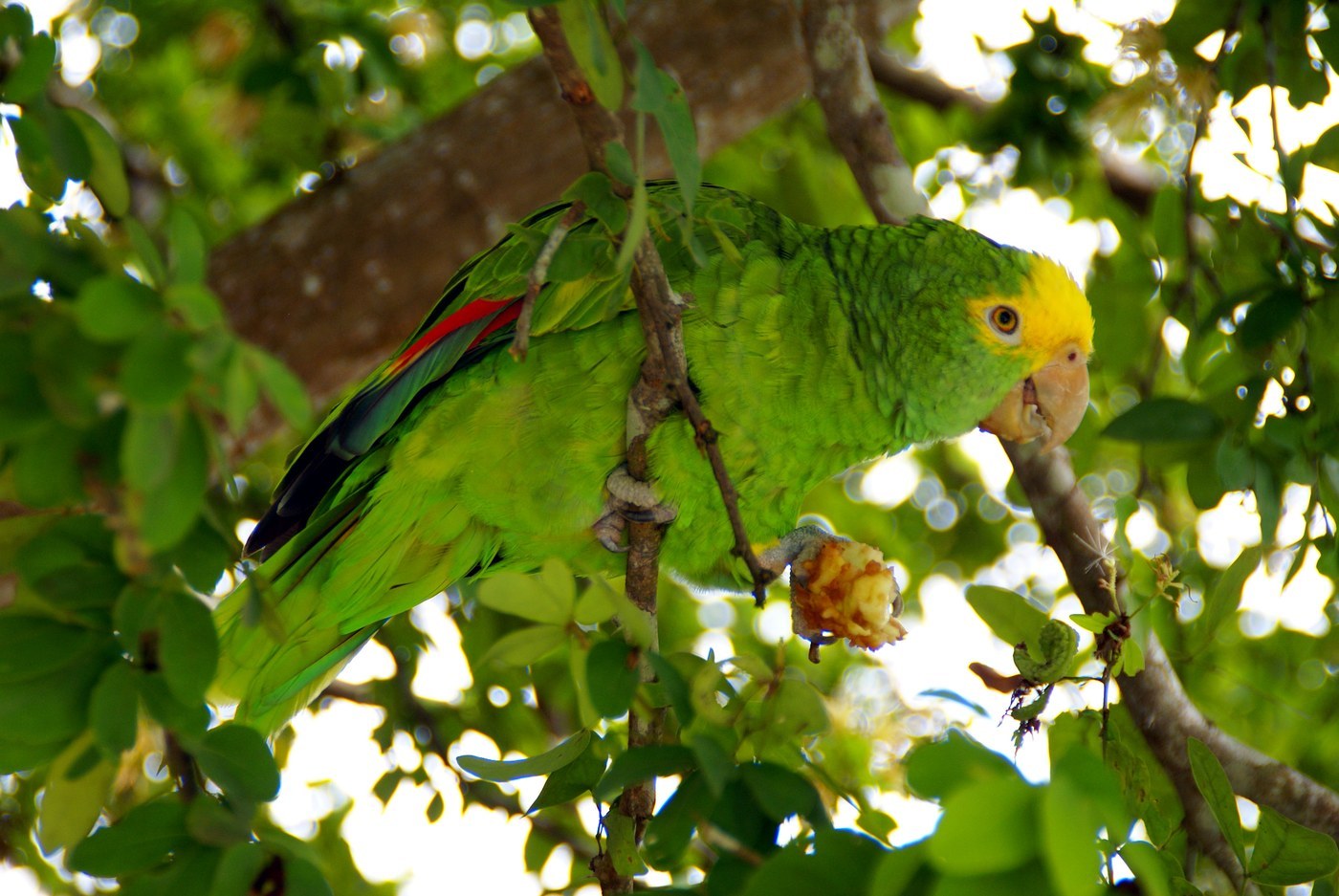
Yellow-headed Amazon
Dense, rounded body contour feathers; broad flight feathers
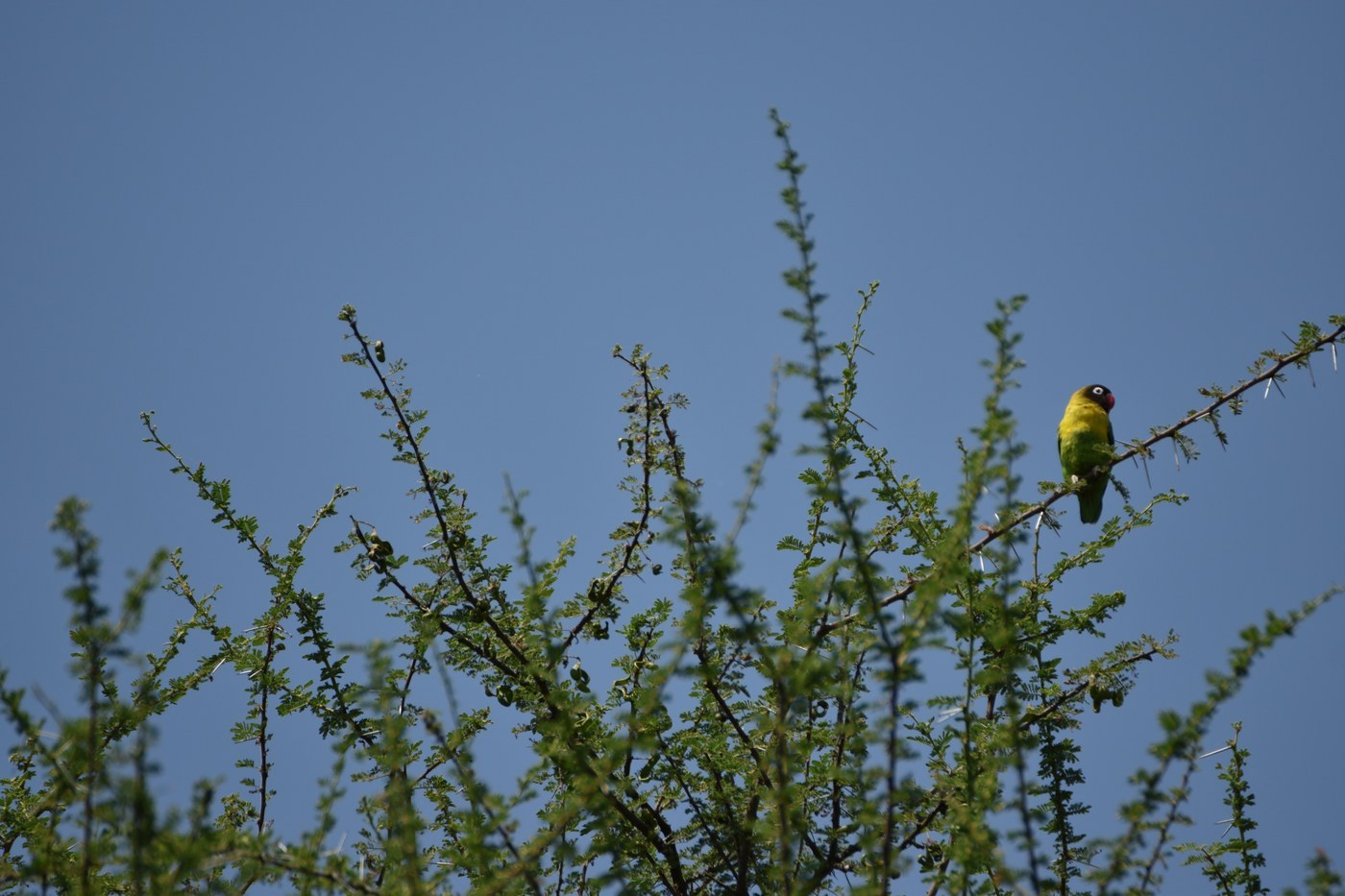
Yellow-collared Lovebird
Small compact flight feathers, short rounded tail

White-eyed Conure
Medium contour and long, graduated tail feathers

Yellow-tailed Black Cockatoo
Large, sturdy contour and flight feathers; short crest

Scarlet-chested Parrot
Small contour and flight feathers

Timneh Parrot
Broad flight feathers, scalloped body feathers with pale edges
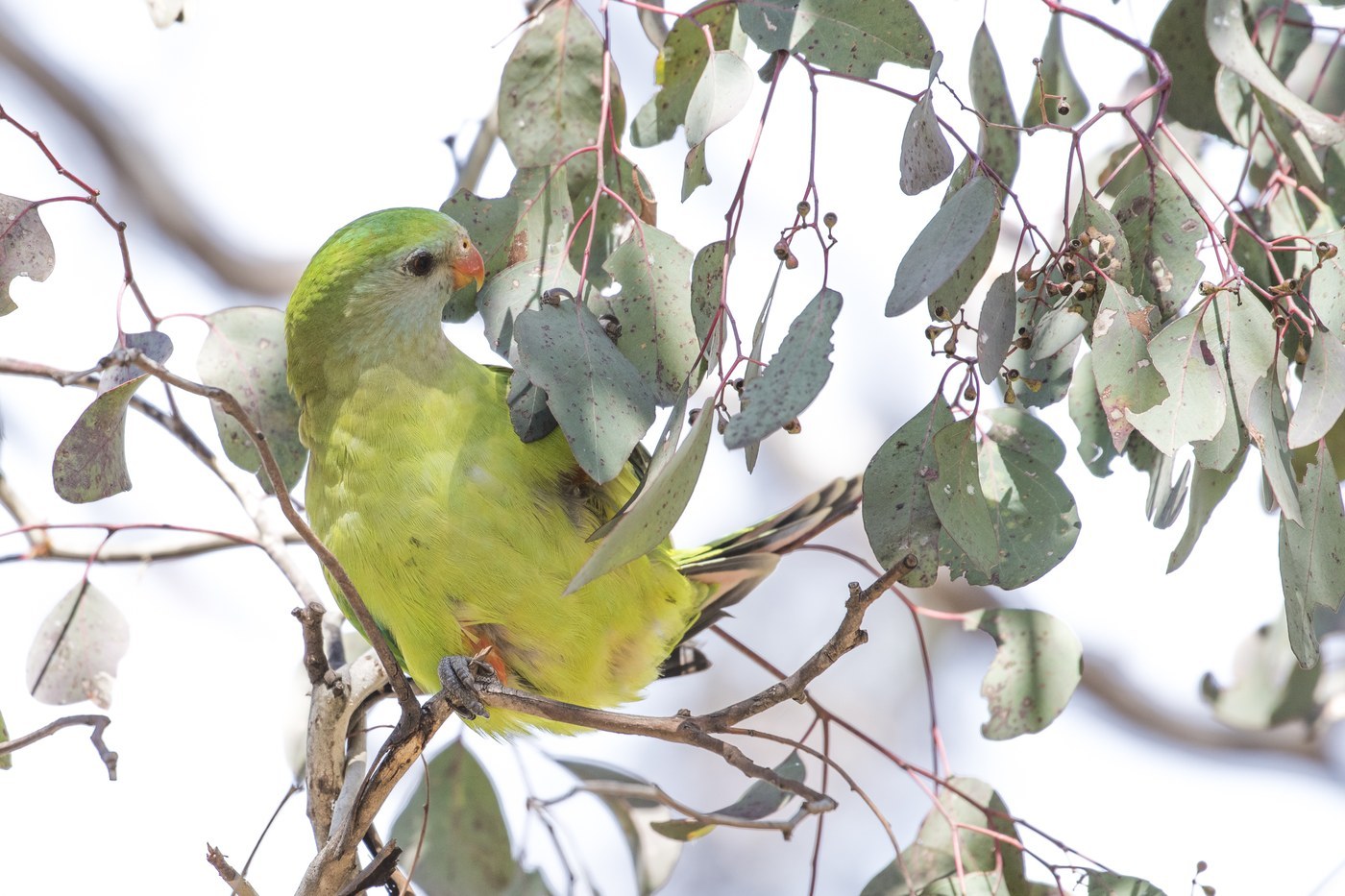
Superb Parrot
Sleek contour feathers with a long tapering tail

Red-shouldered Macaw
Compact body contour feathers; medium flight and tail feathers
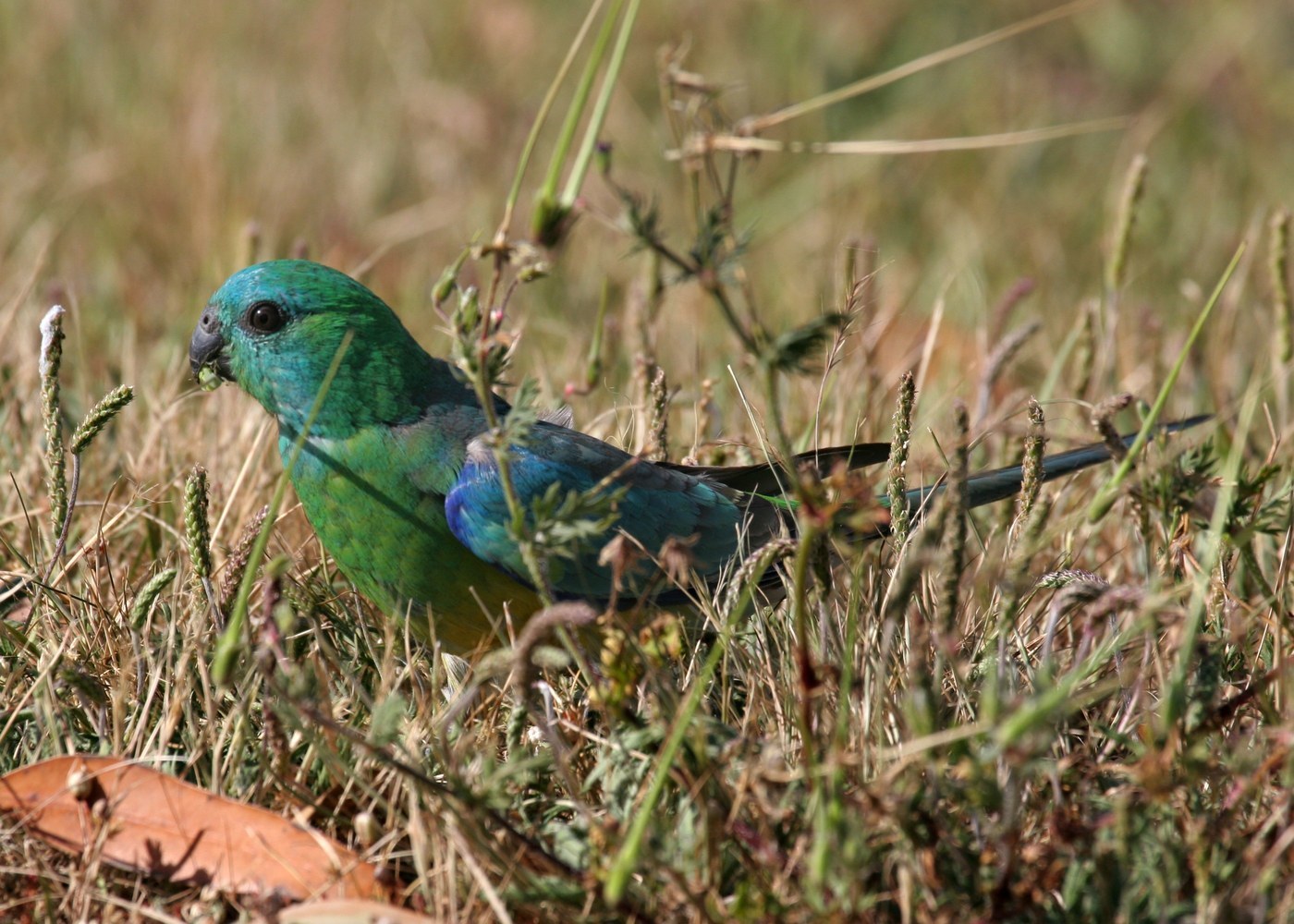
Red-rumped Parrot
Sleek contour feathers with a bright rump patch in males

White-capped Pionus
Compact contour feathers and short, squared tail feathers