

Green Jay
Cyanocorax yncas
A vividly patterned jay with a green back, blue-and-black head, and bright yellow outer tail feathers, found in two widely separated populations across the Americas.
- Feather type
- Contour, wing, and tail feathers
- Colours
- Green back and wings, blue and black head, yellow outer tail feathers
- Bird size
- Jay-sized, ~27-29 cm
Found a feather like this?
Identify any feather from a photo, free.
Overview
The Green Jay occurs in two disjunct populations: one in southern Texas and adjacent Mexico, the other in the Andes and adjacent forests of South America. Despite this large geographic gap, both populations share a similarly bold and colorful pattern, combining a green back and wings with a blue-and-black head and strikingly yellow outer tail feathers.
Its unusual color combination and boldly marked face make it one of the most easily recognized jays wherever it occurs.
Identifying the Feather
- Back and wing contour feathers are green, providing effective camouflage among foliage despite the bird's otherwise bold pattern
- Head feathers combine pale blue on the crown with black on the face, throat, and a bib-like patch on the upper breast
- Central tail feathers are green like the back, while the outer tail feathers are bright yellow, a striking and diagnostic contrast easily seen in a spread or shed tail feather
- Underparts feathers below the black throat patch are pale yellowish-green to whitish
Plumage & Molt
Sexes look alike in plumage. Juveniles are duller, with a less crisply defined blue-and-black head pattern that sharpens with maturity through successive molts. One complete molt occurs annually in adults after breeding, and some regional variation in color intensity exists between the northern and South American populations.
Habitat & Range
- Found in two disjunct populations: southern Texas into eastern Mexico, and separately across parts of the Andes and adjacent South America
- Favors thorn scrub, woodland, and forest edge rather than deep closed-canopy forest
- Non-migratory, with resident populations in both regions
Behavior & Field Notes
Green Jays are social and vocal, often foraging in small groups for insects, small animals, seeds, and fruit both on the ground and in vegetation. They are known for a wide variety of calls, including harsh, chattering, and bell-like notes. Nests are cup-shaped structures built in dense shrubs or trees, and in some populations, related birds may assist at the nest in a cooperative breeding pattern.
Frequently asked questions
What is the easiest way to recognize this species' tail feathers?
The bright yellow color of the outer tail feathers, contrasting with green central tail feathers, is a diagnostic and easily recognized pattern not shared by most other jays in its range.
Why does this species occur in two separate regions so far apart?
Its range is naturally disjunct, with one population in southern Texas and eastern Mexico and a separate population across parts of the Andes and adjacent South America, a gap of many hundreds of miles.
How can I tell the head feathers apart from the body feathers?
Head feathers combine pale blue on the crown with black on the face, throat, and upper breast, a much bolder pattern than the plainer green feathers covering the back and wings.
Where would I most likely find a shed feather?
In thorn scrub, woodland, or forest edge either in southern Texas and eastern Mexico, or separately across parts of the Andes and adjacent South America.
Green Jay guides
In-depth guides for identifying and understanding Green Jay.

Other feathers you may enjoy

Yellow-billed Magpie
Contour, wing, and tail feathers

White-throated Magpie-Jay
Contour, wing, and tail feathers

White-necked Crow
Contour and flight feathers

Slender-billed Crow
Contour and flight feathers

Sinaloa Crow
Contour and flight feathers

Siberian Jay
Contour, wing, and tail feathers

Yellow-billed Blue Magpie
Contour, wing, and tail feathers
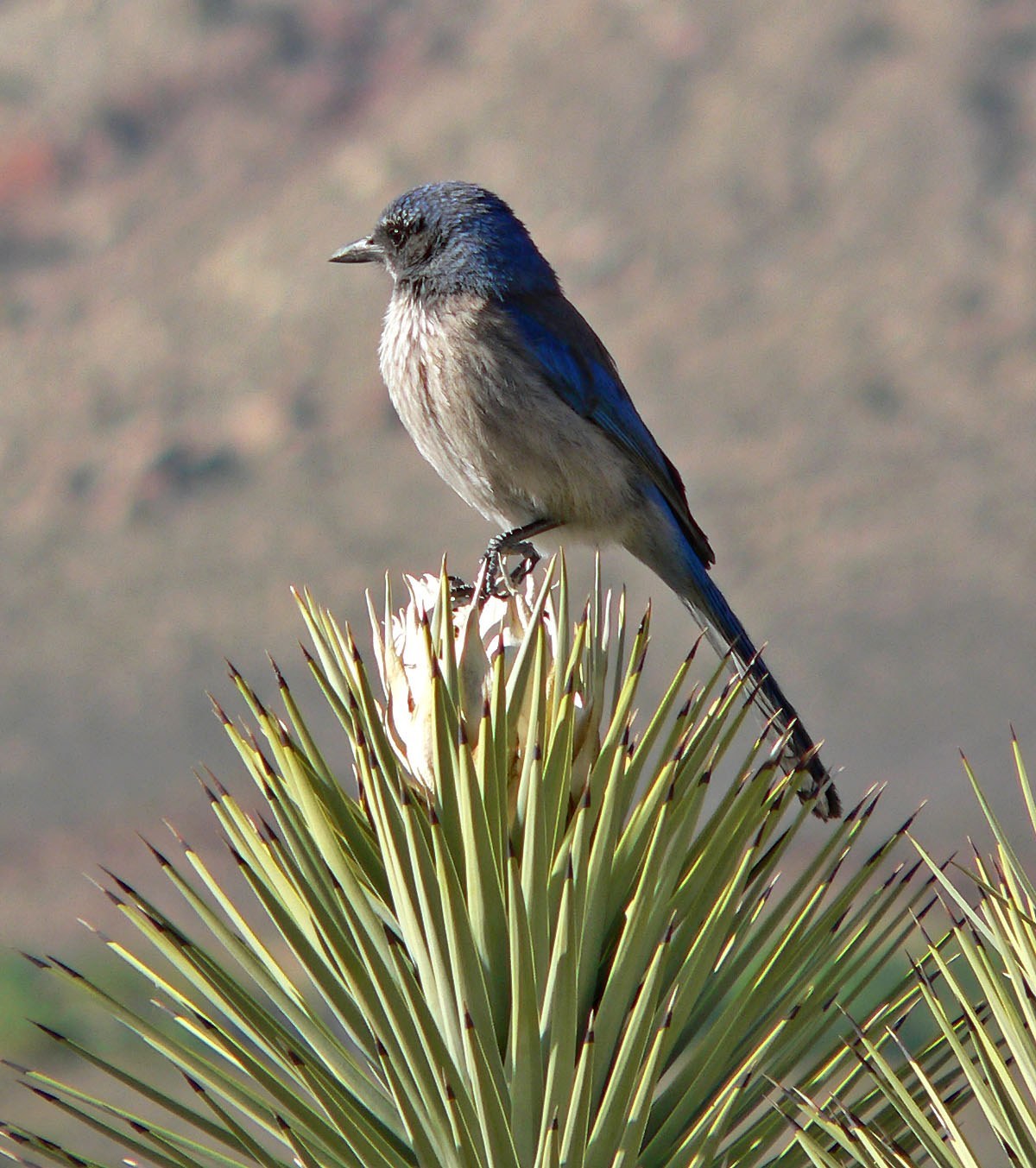
Woodhouse's Scrub-Jay
Contour and flight feathers
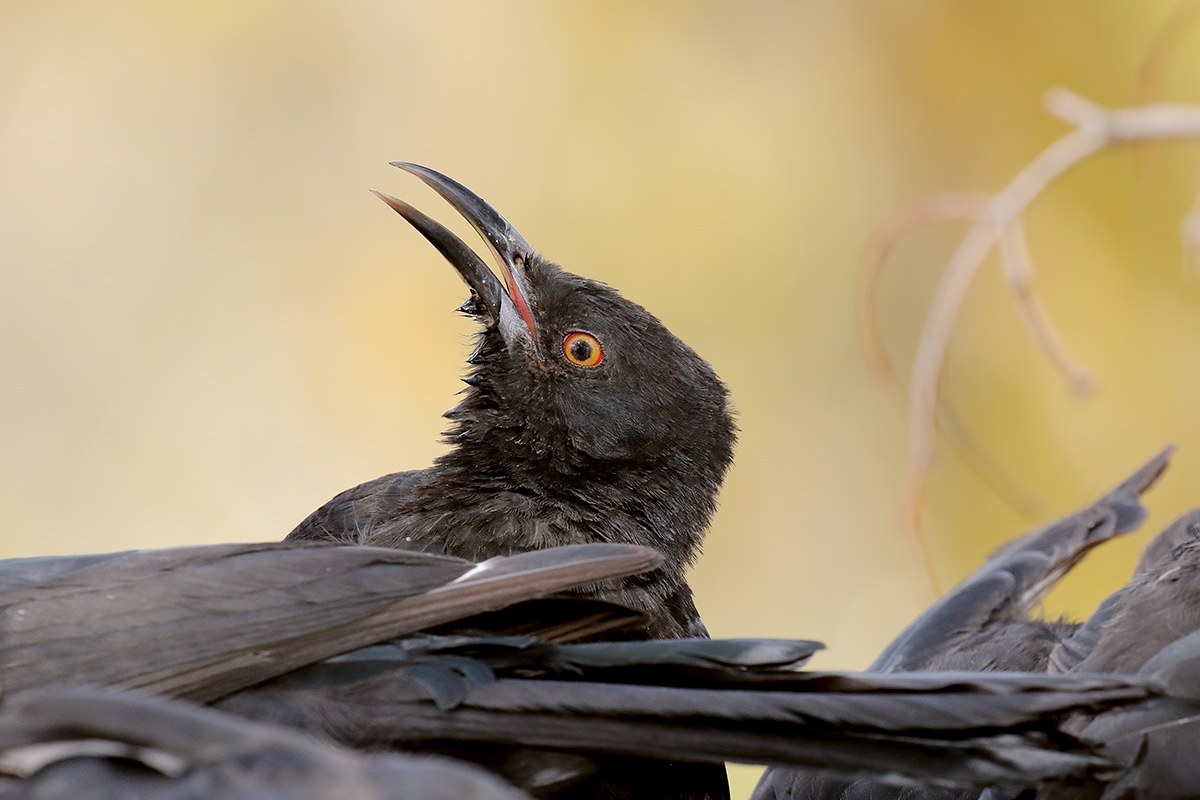
White-winged Chough
Contour and flight feathers

Rufous Treepie
Long, graduated tail feathers; loose body contour feathers

Thick-billed Raven
Contour and flight feathers
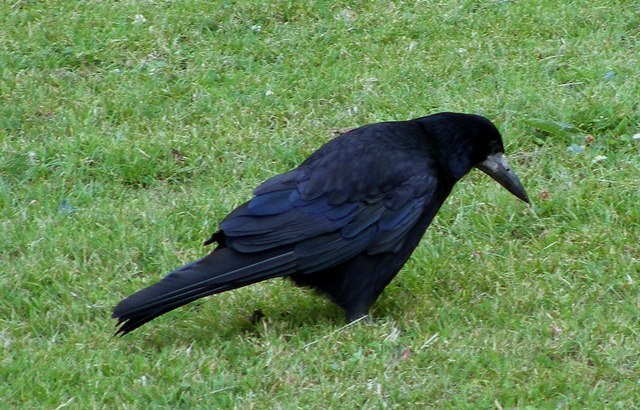
Rook
Glossy purple-black flight and body feathers; loose, shaggy thigh (leg) feathers