

Hazel Grouse
Tetrastes bonasia
A small, secretive forest grouse of northern Eurasia, best known for its finely patterned gray-brown plumage and a bold black-and-white throat patch in males.
- Feather type
- Small, finely barred body feathers with a banded tail showing a dark subterminal band
- Colours
- Gray-brown mottled with black-and-white throat markings
- Bird size
- Small grouse, ~35-37 cm
Found a feather like this?
Identify any feather from a photo, free.
Overview
Overview
The Hazel Grouse is a small, elusive grouse found in dense mixed and coniferous forests across a broad swath of northern and central Eurasia. Unlike many grouse, it does not form conspicuous leks, instead relying on a soft whistled call and dense cover to remain largely unseen.
Identifying the Feather
Feather Identification
- Body feathers: finely mottled gray-brown with intricate black vermiculation, providing excellent camouflage against forest leaf litter and bark
- Throat: males show a black throat patch bordered by a white line, a feature useful for separating plucked throat feathers from those of similar-sized forest birds
- Tail feathers: grayish with fine barring and a bold dark subterminal band followed by a pale or white tip, a distinctive banding pattern for a grouse this size
- Crest: a small, often raised crest on the crown, giving a peaked head profile
- Size: notably smaller and more finely patterned than prairie-chickens or capercaillie, closer in scale to a large partridge
Plumage & Molt
Plumage Notes
Both sexes share a finely mottled gray-brown plumage, but males show a more prominent black throat patch outlined in white, while females have a paler, less contrasting throat. Juveniles are duller and less crisply patterned. The species undergoes a single annual molt, and fresh plumage shows crisper barring than worn late-season feathers.
Habitat & Range
Habitat & Range
Hazel Grouse inhabit dense, mixed or coniferous forest with a thick shrub understory across a wide range from central Europe through Scandinavia, Russia, and into parts of eastern Asia. They are non-migratory and tend to remain within a small home range year-round, relying on continuous forest cover.
Behavior & Field Notes
Behavior & Field Notes
Unlike lekking grouse, Hazel Grouse pairs form and defend territories using a high, thin whistled call rather than communal display grounds. Diet includes buds, seeds, berries, and invertebrates depending on season. Nests are concealed ground scrapes under dense understory vegetation. The species is notoriously difficult to observe, usually detected by its call or a sudden, quiet flush from thick cover rather than by sight.
Frequently asked questions
What is the easiest feature to identify a Hazel Grouse feather by?
The fine gray-brown mottling combined with a dark subterminal band near the tail tip is a useful identifying combination for this small forest grouse.
Do males have any bold markings?
Yes, males show a black throat patch bordered by a white line, more prominent than the paler throat of females.
How does a Hazel Grouse feather compare in size to a prairie-chicken feather?
It is considerably smaller, reflecting the Hazel Grouse's compact size relative to larger grassland grouse species.
Is there a crest feather on this species?
Yes, a small crest of feathers on the crown gives the head a slightly peaked profile compared to smoother-headed grouse.
Hazel Grouse guides
In-depth guides for identifying and understanding Hazel Grouse.

Other feathers you may enjoy

Ring-necked Pheasant
Body (contour), tail, and wing feathers

Bornean Peacock-pheasant
Contour and tail feathers with iridescent ocelli

Crested Argus
Extremely elongated, ocellated (eyespot-patterned) tail feathers among the longest of any bird; tall, erectile crest

Grey Partridge
Body and flank feathers

Willow Ptarmigan
Larger, stockier body feathers with warmer rufous tones in summer; tail feathers black year-round

Wild Turkey
Broad, iridescent body feathers and large flight and tail feathers

Bulwer's Pheasant
Contour feathers and elongated white tail feathers
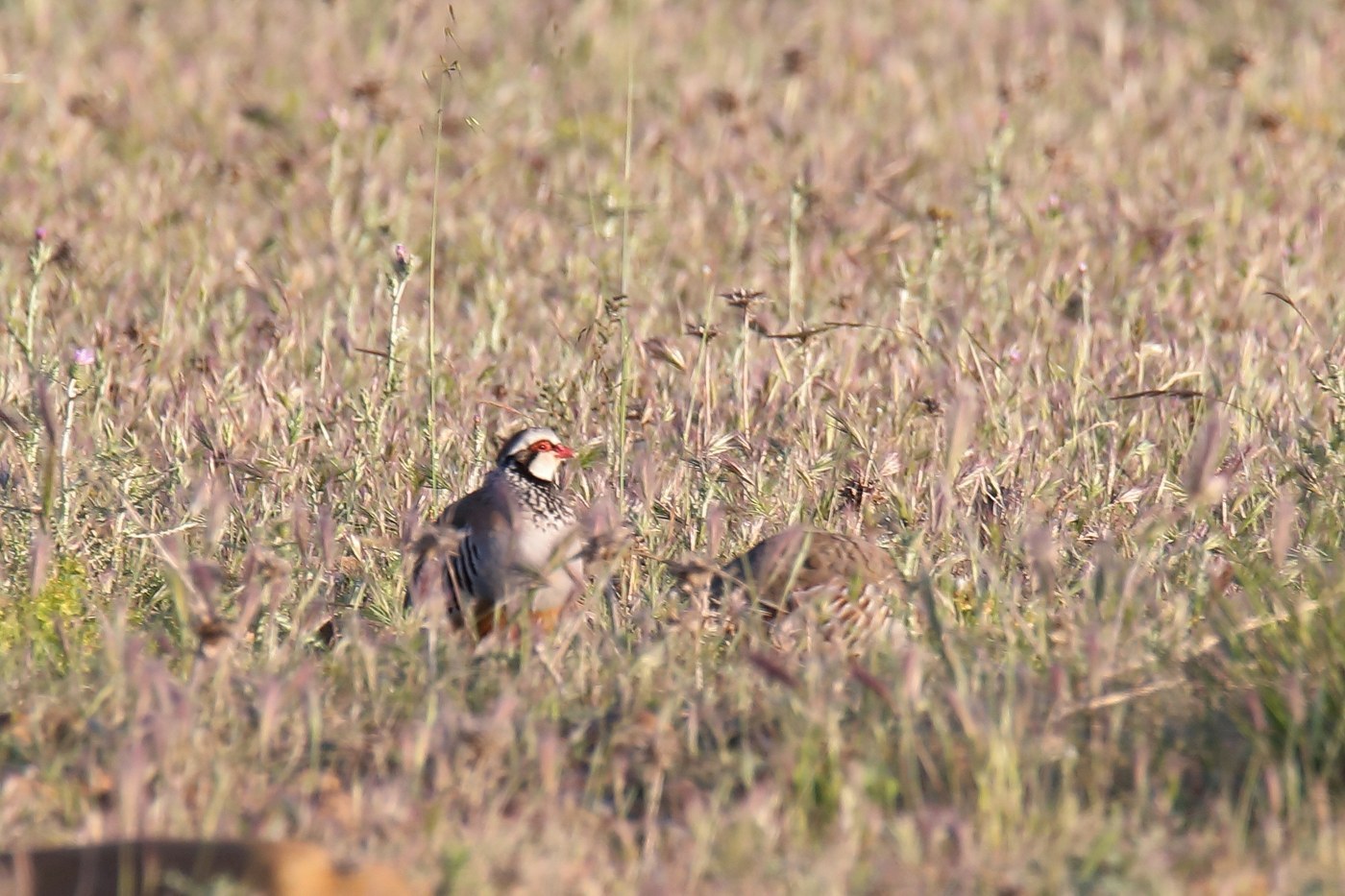
Red-legged Partridge
Flank, body, and flight feathers

White-tailed Ptarmigan
Small body feathers with a tail that stays pure white year-round, unlike other ptarmigan

Edwards's Pheasant
Contour and tail feathers

Sooty Grouse
Dense, plain contour feathers with a pale-tipped, fanned tail

Snow Partridge
Finely vermiculated barred contour feathers