

House Crow
Corvus splendens
A slender crow native to South Asia, easily recognized by its glossy black cap paired with a pale grey collar and underparts.
- Feather type
- Contour and flight feathers
- Colours
- Glossy black with a contrasting pale grey nape and breast
- Bird size
- Medium crow, ~43 cm
Found a feather like this?
Identify any feather from a photo, free.
Overview
Overview
The House Crow is a slender, highly adaptable crow native to the Indian subcontinent that has spread to many port cities worldwide through ship-assisted travel. It is one of the most conspicuous urban birds across much of South Asia.
Its close association with human settlements, markets, and waste has allowed it to establish populations far outside its native range, including parts of East Africa, the Middle East, and Southeast Asia.
Identifying the Feather
Feather Identification
House Crow feathers are readily distinguished from most other crows by their two-tone appearance rather than being uniformly black.
- Body feathers: Feathers from the nape, neck sides, and breast show a pale ashy-grey base color, contrasting sharply with the glossy black feathers of the crown, throat, wings, and tail.
- Flight feathers: Primaries and secondaries are glossy black, slim in profile compared to larger crow species.
- Shape: The bill and overall build are slighter than American or Carrion Crow, and body feathers reflect this lighter, slimmer structure.
- Similar species: The grey collar is diagnostic; no other widespread crow combines a black cap and wings with an ash-grey neck and breast.
Plumage & Molt
Plumage Notes
Adults show a glossy black crown, throat, wings, and tail contrasting with pale grey on the nape, neck, and breast, though the exact extent and shade of grey varies somewhat between regional populations. Juveniles are duller overall with a less defined contrast between the grey and black areas.
Sexes look alike. A full molt after breeding replaces worn plumage, and the sharp grey-black contrast is usually easy to see even in worn feathers.
Habitat & Range
Habitat & Range
House Crows are found in and around towns, cities, harbors, and villages, rarely straying far from human activity. The species is native to South Asia but has established feral populations in parts of East Africa, the Arabian Peninsula, and some Indian Ocean and Southeast Asian port cities due to ship-borne introductions.
It is a non-migratory, resident species wherever it occurs, though local movements track food availability.
Behavior & Field Notes
Behavior & Field Notes
House Crows are bold, gregarious, and highly opportunistic, often seen in large communal roosts and foraging in noisy groups around markets, garbage areas, and outdoor eateries. Their diet is broad and includes scraps, small invertebrates, and other easily available food around human settlements.
Nests are stick platforms built in trees or on structures, often in loose colonies. The voice is a harsh, flat "kaaw" repeated frequently. Its comfort around people and dense urban roosting behavior make it one of the easiest crows to observe up close.
Frequently asked questions
What makes House Crow feathers different from other crow species?
The pale grey feathers of the neck, nape, and breast contrasting with glossy black elsewhere is distinctive and not shared by most other common crow species.
Do House Crow feathers vary between populations?
Yes, the extent and shade of the grey collar can vary somewhat across the bird's native and introduced range, though the overall two-tone pattern remains consistent.
Is the House Crow found outside South Asia?
Yes, feral populations exist in parts of East Africa, the Middle East, and some port cities elsewhere, established through ship-assisted spread from its native range.
Are male and female House Crow feathers different?
No, plumage is essentially identical between sexes in this species.
House Crow guides
In-depth guides for identifying and understanding House Crow.

Other feathers you may enjoy

Yellow-billed Magpie
Contour, wing, and tail feathers

White-throated Magpie-Jay
Contour, wing, and tail feathers

White-necked Crow
Contour and flight feathers

Slender-billed Crow
Contour and flight feathers

Sinaloa Crow
Contour and flight feathers

Siberian Jay
Contour, wing, and tail feathers

Yellow-billed Blue Magpie
Contour, wing, and tail feathers
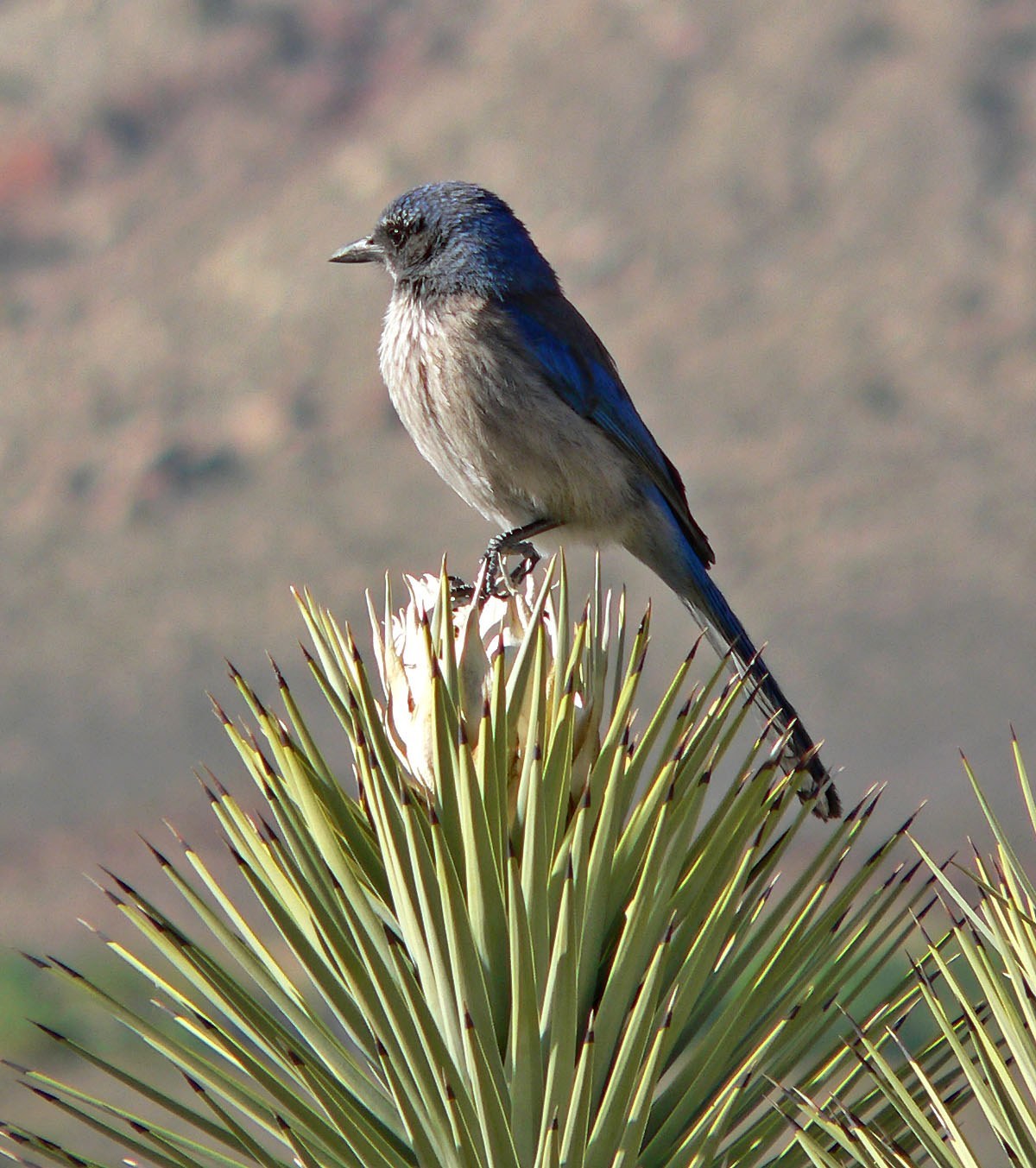
Woodhouse's Scrub-Jay
Contour and flight feathers
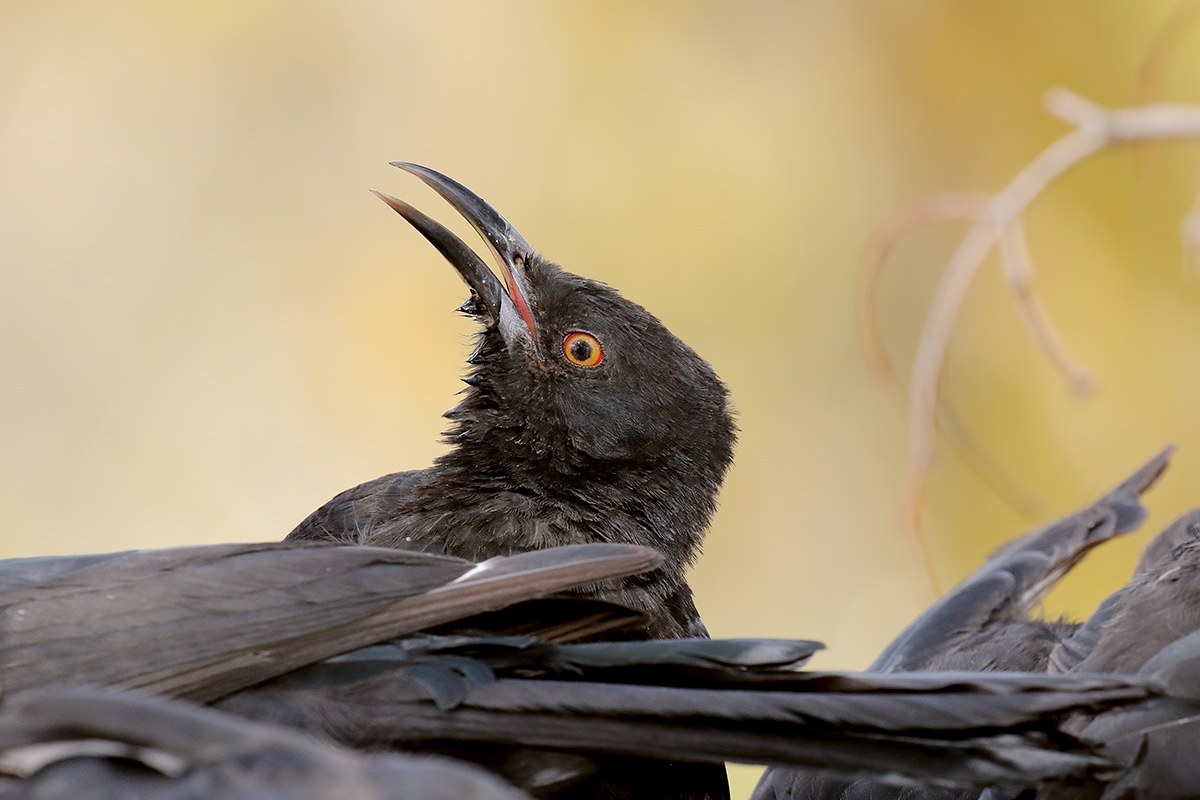
White-winged Chough
Contour and flight feathers

Rufous Treepie
Long, graduated tail feathers; loose body contour feathers

Thick-billed Raven
Contour and flight feathers
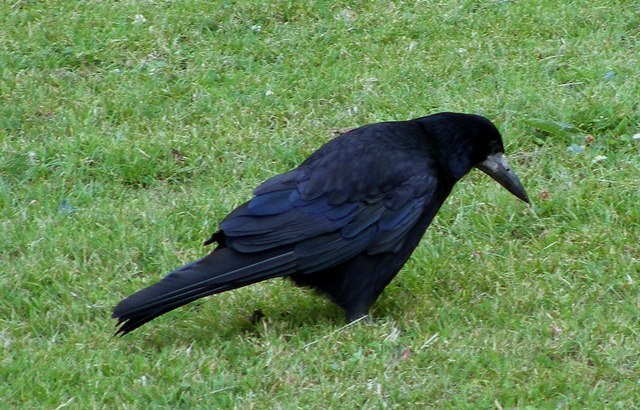
Rook
Glossy purple-black flight and body feathers; loose, shaggy thigh (leg) feathers