
How to Identify Least Bittern Feathers
How to identify the tiny size and bold buffy wing patches of North America's smallest heron, and tell it apart from young American Bitterns.
Read the full Least Bittern encyclopedia entry →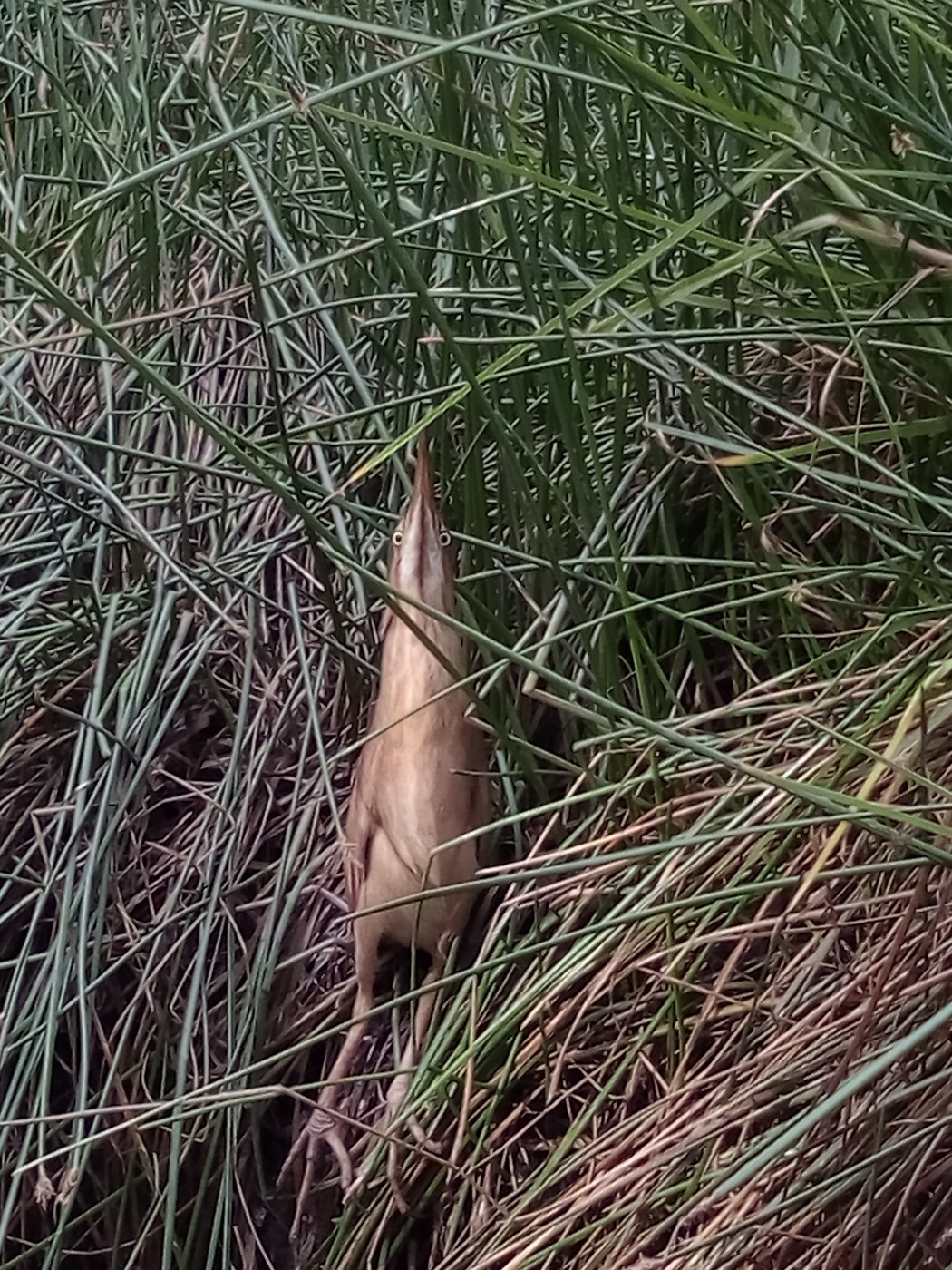
What Least Bittern Feathers Look Like
The Least Bittern is the smallest heron in North America, and its diminutive size alone is one of the best clues when examining a feather, combined with a bold wing patch pattern.
- Body/contour feathers: Warm buffy-tawny overall on the neck and underparts, streaked lightly on the neck.
- Crown and back feathers (male): Glossy greenish-black, contrasting sharply with the buffy neck and underparts — a small glossy blackish feather paired with warm buff ones suggests a male's cap or back.
- Wing covert feathers: A large buffy to chestnut patch on the wing coverts contrasts strongly with darker flight feathers, creating a bold two-toned wing pattern visible even in a single covert feather.
- Female feathers: Similar pattern but with the black areas replaced by duller brown, less glossy and less contrasty than the male.
- Flight feathers: Darker brown to blackish, providing contrast against the pale wing covert patch.
- Size: Very small for a heron — feathers are noticeably tiny and delicate compared to any other heron or bittern, rarely more than a few inches even for flight feathers.
Step-by-Step: Is This Feather From a Least Bittern?
- Check the size first. A heron-type feather (long, somewhat lance-shaped body feathers) that's unusually small and delicate rules out most other herons, which are much larger.
- Look for a bold buffy or chestnut wing patch feather contrasting against darker flight feathers — this two-toned wing pattern is a strong clue.
- Check for a glossy greenish-black cap or back feather paired with warm buff neck/underparts feathers, suggesting a male.
- For duller, browner versions of the same pattern, consider a female rather than ruling out the species entirely.
- Factor in habitat. A find in dense freshwater marsh with cattails or bulrushes across North, Central, or parts of South America fits this secretive species.
Similar Species & How to Tell Them Apart
- American Bittern (juvenile/female): Much larger overall, with heavily streaked brown underparts throughout rather than the Least Bittern's largely plain buffy underparts and bold wing patch contrast.
- Green Heron: Larger, with grayish-green upperparts and chestnut neck, lacking the sharply two-toned buffy-and-dark wing pattern of Least Bittern.
- Rails (e.g., Virginia Rail): Similar marsh habitat but body feathers are more uniformly reddish-brown without the bold pale wing patch contrast.
Where & When You'll Find Them
Least Bitterns breed in dense freshwater and brackish marshes with tall emergent vegetation like cattails and bulrushes across much of the U.S., Mexico, and parts of Central and South America, with northern populations migrating south for winter. Because they're famously secretive, clinging to reeds rather than flying in the open, feathers are most often found by carefully searching marsh vegetation near nesting sites rather than open water. Molt follows breeding in mid-to-late summer, making late summer through early fall a reasonably good window to find feathers near known marsh territories.
Frequently asked questions
What's the fastest way to rule in or out a Least Bittern feather?
Check the size first — Least Bitterns are the smallest heron in North America, so an unusually tiny, delicate heron-type feather is a strong starting clue.
How do I tell this apart from a young American Bittern feather?
American Bittern shows heavy streaking across the underparts, while Least Bittern has largely plain buffy underparts paired with a bold, contrasting wing patch.
Why does the wing feather I found have two very different colors on it?
Least Bitterns show a bold buffy-to-chestnut patch on the wing coverts that contrasts sharply with darker flight feathers, a distinctive two-toned wing pattern for the species.
Where in a marsh should I look for these feathers?
Search dense stands of cattails or bulrushes rather than open water, since Least Bitterns are secretive and cling to vegetation rather than flying in the open.