
Least Bittern
Ixobrychus exilis
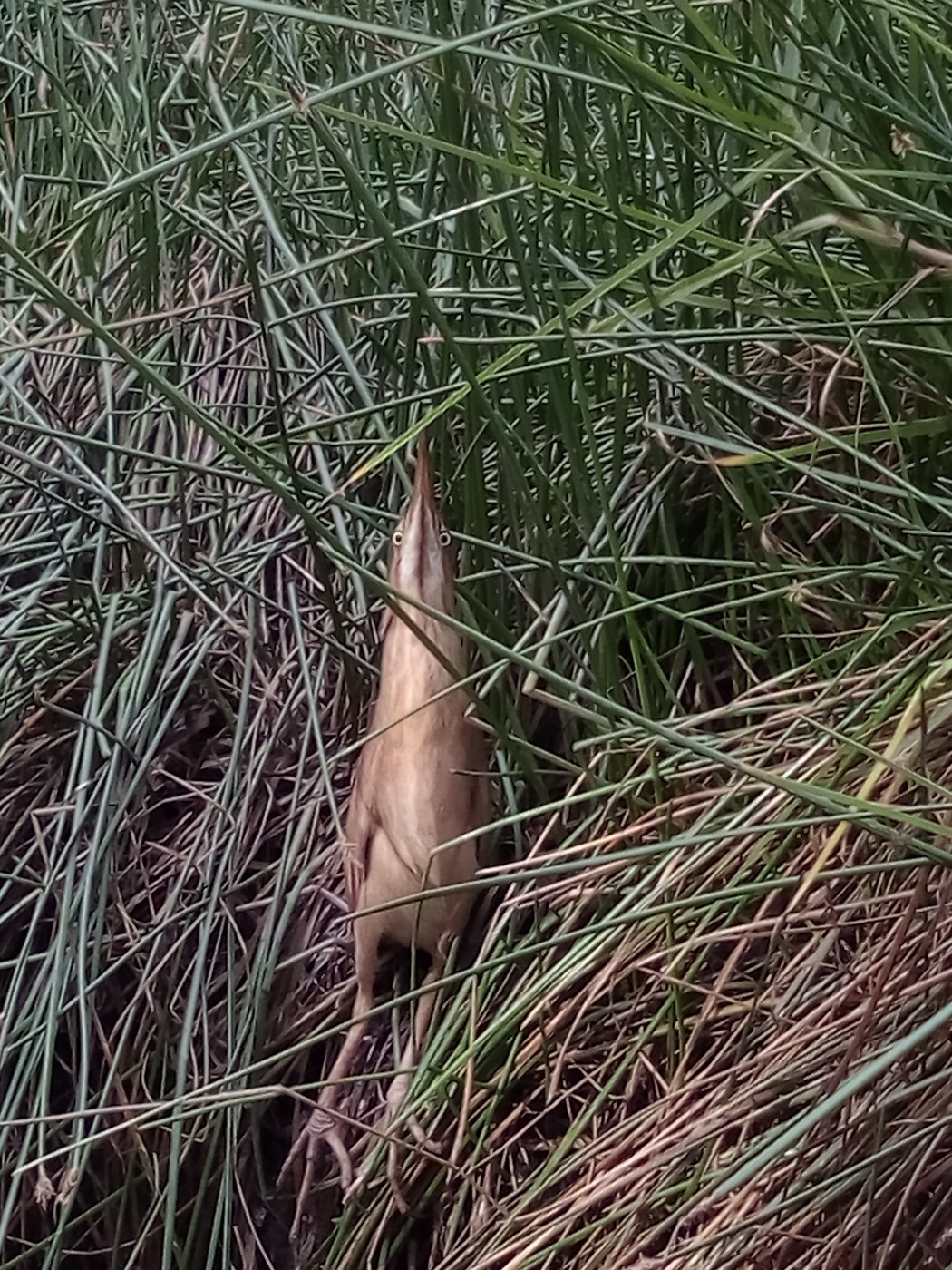
One of the smallest herons in the world, an inconspicuous marsh dweller with buffy wing patches that flash as it clambers deftly through dense reeds.
- Feather type
- Small, soft contour feathers with buff and chestnut wing patches
- Colours
- Buff, chestnut, black cap and back
- Bird size
- Very small, ~28-36 cm tall, among the smallest herons
Found a feather like this?
Identify any feather from a photo, free.
Overview
Overview
The Least Bittern is among the smallest heron species in the world, a tiny, secretive bird of dense marshes across the Americas. Its small size and slim build allow it to move nimbly through tightly packed reeds and cattails, gripping multiple stems at once, a habitat niche unlike that of any larger heron.
- Among the smallest heron species worldwide
- Buff body with contrasting black cap and back, and buffy-chestnut wing patches
- Found in dense freshwater marshes with tall emergent vegetation
Identifying the Feather
Feather Identification
Least Bittern feathers are notably small and lightweight, matching the species' tiny body size, among the smallest feathers likely to be encountered from any heron. Wing covert feathers show a buffy to chestnut patch that contrasts with darker flight feathers, while back and crown feathers in males are blackish, contrasting with a buffy neck and underparts. Females typically show a browner cap and back rather than solid black.
- Very small feather size fits the species' status as one of the smallest herons
- Buff to chestnut wing patch is a useful identifying feature against otherwise darker wings
- Male back/crown feathers are blackish; female equivalents are browner, offering a possible sex distinction
- Compare with Little Bittern, the Old World counterpart, which shows a similar but distinct plumage pattern
Plumage & Molt
Plumage
Adult males have a black crown and back, buffy neck and underparts, and buff to chestnut patches on the wing coverts; females are similar but show a browner, less solidly black crown and back. Juveniles resemble females but with additional streaking on the underparts. Molt is gradual, and the species retains its buff-and-dark contrasting pattern year-round without a distinct seasonal breeding plumage change.
Habitat & Range
Habitat & Range
The Least Bittern breeds across much of the eastern and central United States, parts of southern Canada, and further south through Mexico, the Caribbean, and much of South America, with northern populations wintering in the southern United States and points further south. It is tightly associated with dense freshwater marshes containing tall emergent vegetation such as cattails and bulrushes, rarely found in open water or short vegetation.
Behavior & Field Notes
Behavior & Field Notes
This tiny heron is highly secretive, using its small size and flexible feet to grip multiple reed stems simultaneously as it clambers through dense marsh vegetation in search of small fish, amphibians, and aquatic invertebrates. When alarmed, it may freeze with its bill pointed upward, similar to larger bitterns, relying on its buffy, patterned plumage for camouflage. Its call is a soft, cooing series of notes, quite different from the deep booming of larger bitterns. Its small size, agile climbing behavior, and preference for the densest marsh vegetation make it one of the most difficult herons to observe directly.
Frequently asked questions
What makes Least Bittern feathers recognizable?
Their notably small size, reflecting the species' status as one of the smallest herons, combined with buff to chestnut wing patches contrasting with darker flight feathers.
How does the Least Bittern move through dense marsh vegetation?
It uses flexible feet to grip multiple reed or cattail stems at once, allowing it to clamber nimbly through the densest marsh growth.
What does the Least Bittern's call sound like?
A soft, cooing series of notes, quite different from the deep booming calls of larger bittern species.
Where does the Least Bittern live?
In dense freshwater marshes with tall emergent vegetation across much of the Americas.
Least Bittern guides
In-depth guides for identifying and understanding Least Bittern.
Other feathers you may enjoy

Yellow-billed Spoonbill
White contour and flight feathers with fine breeding plumes on the back and breast
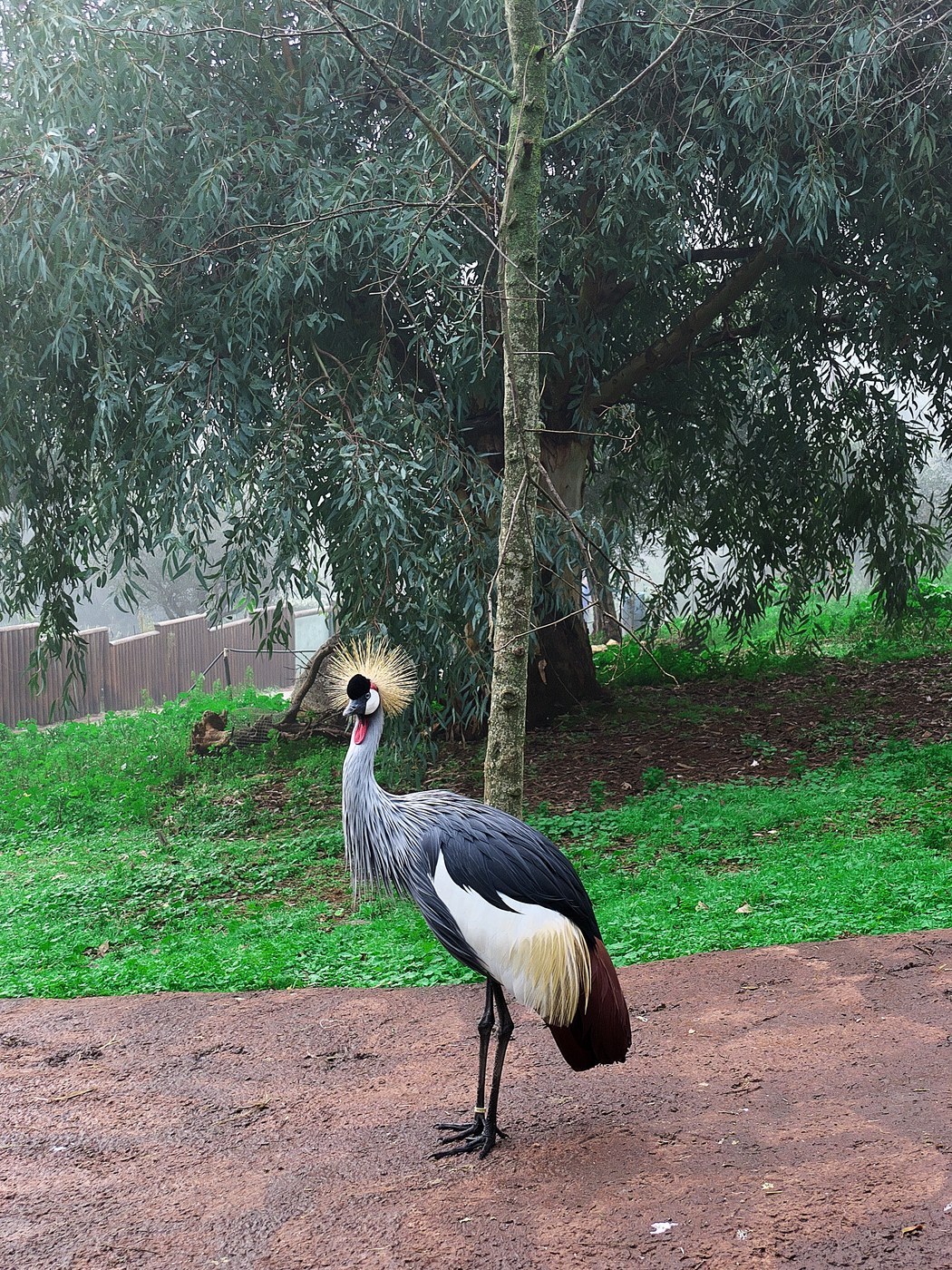
Grey Crowned Crane
Grey body feathers with white wing coverts, chestnut flight feathers, and stiff golden crown bristles
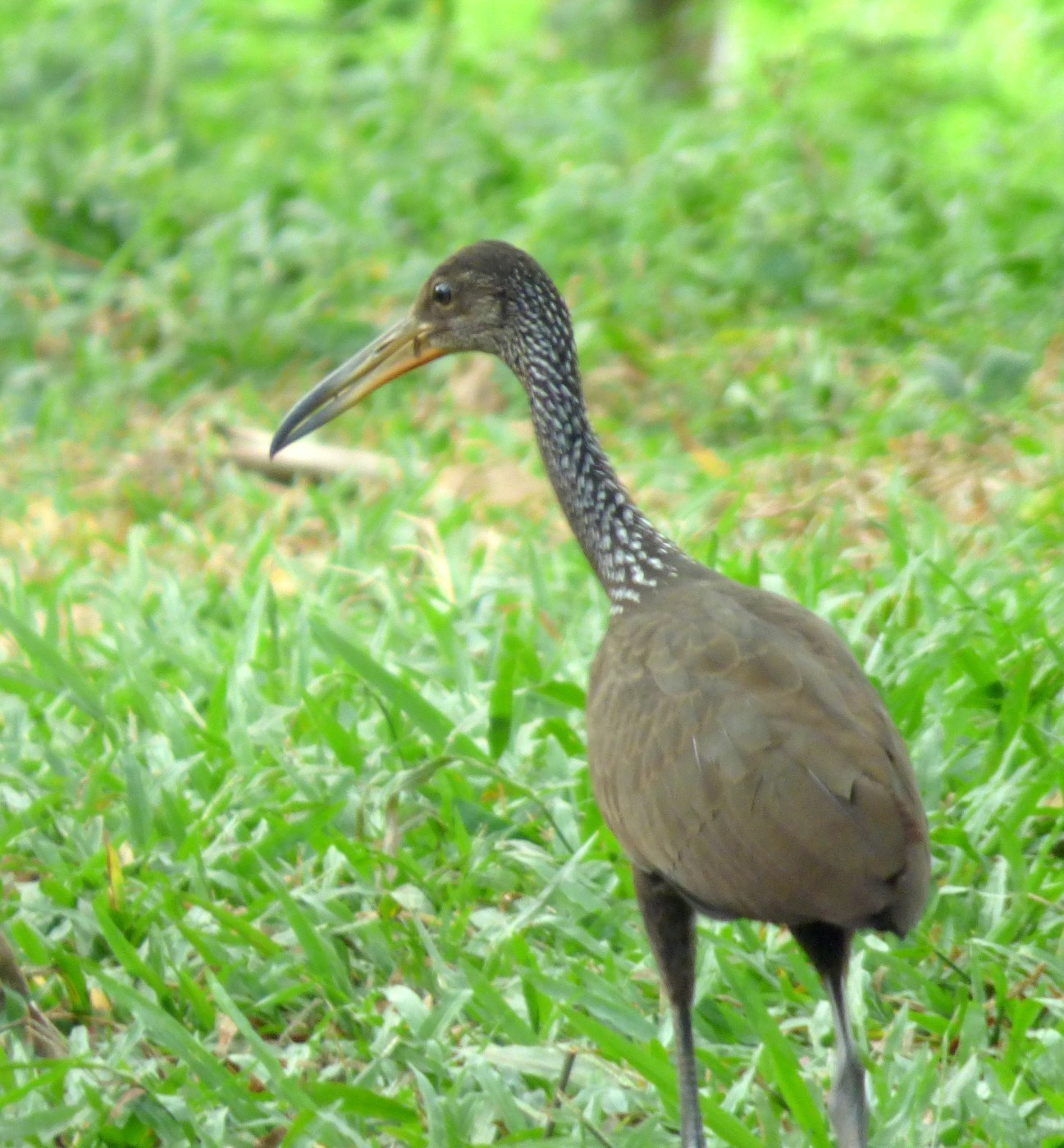
Limpkin
Brown contour feathers with white teardrop-shaped spots and streaks
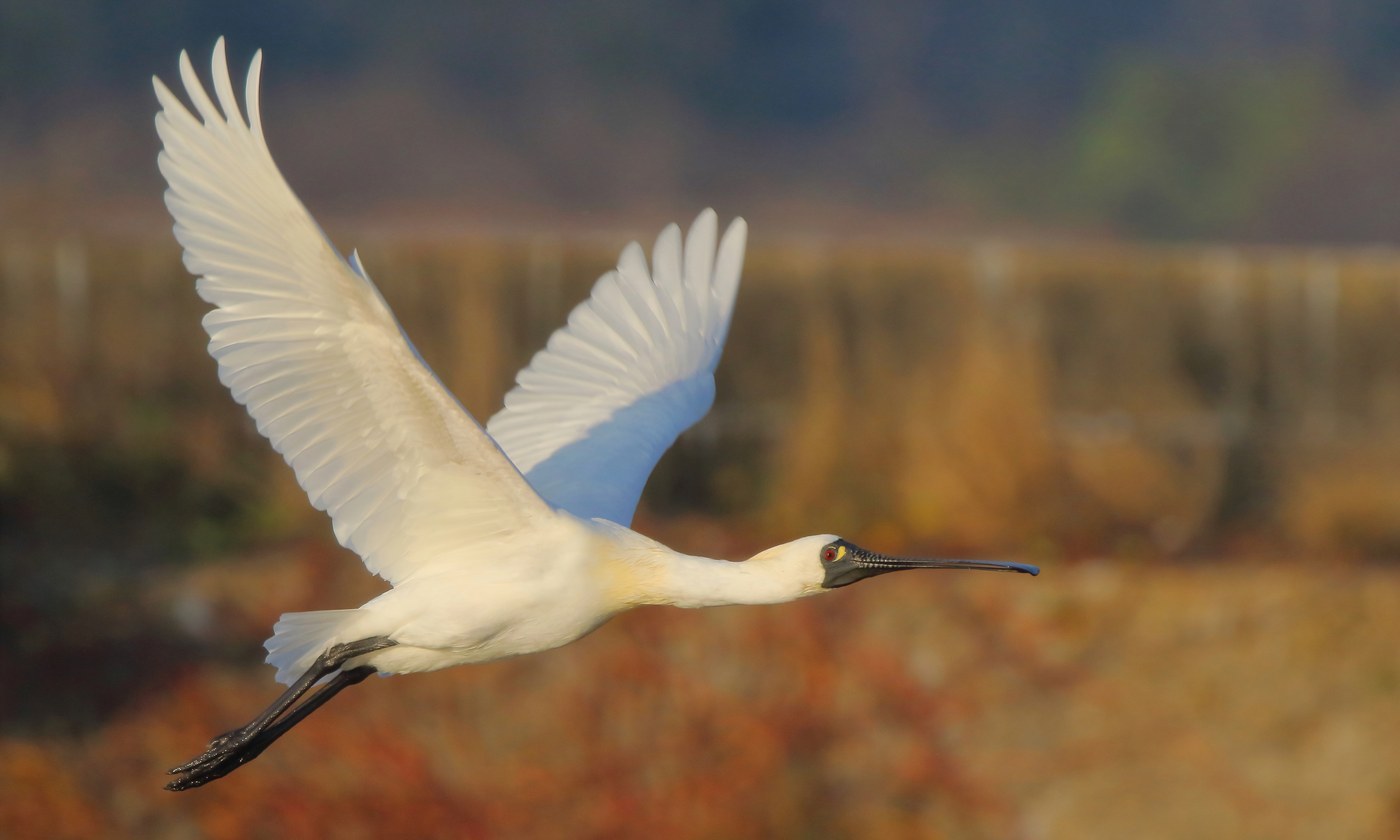
Black-faced Spoonbill
White contour and flight feathers with fine breeding crest and breast plumes
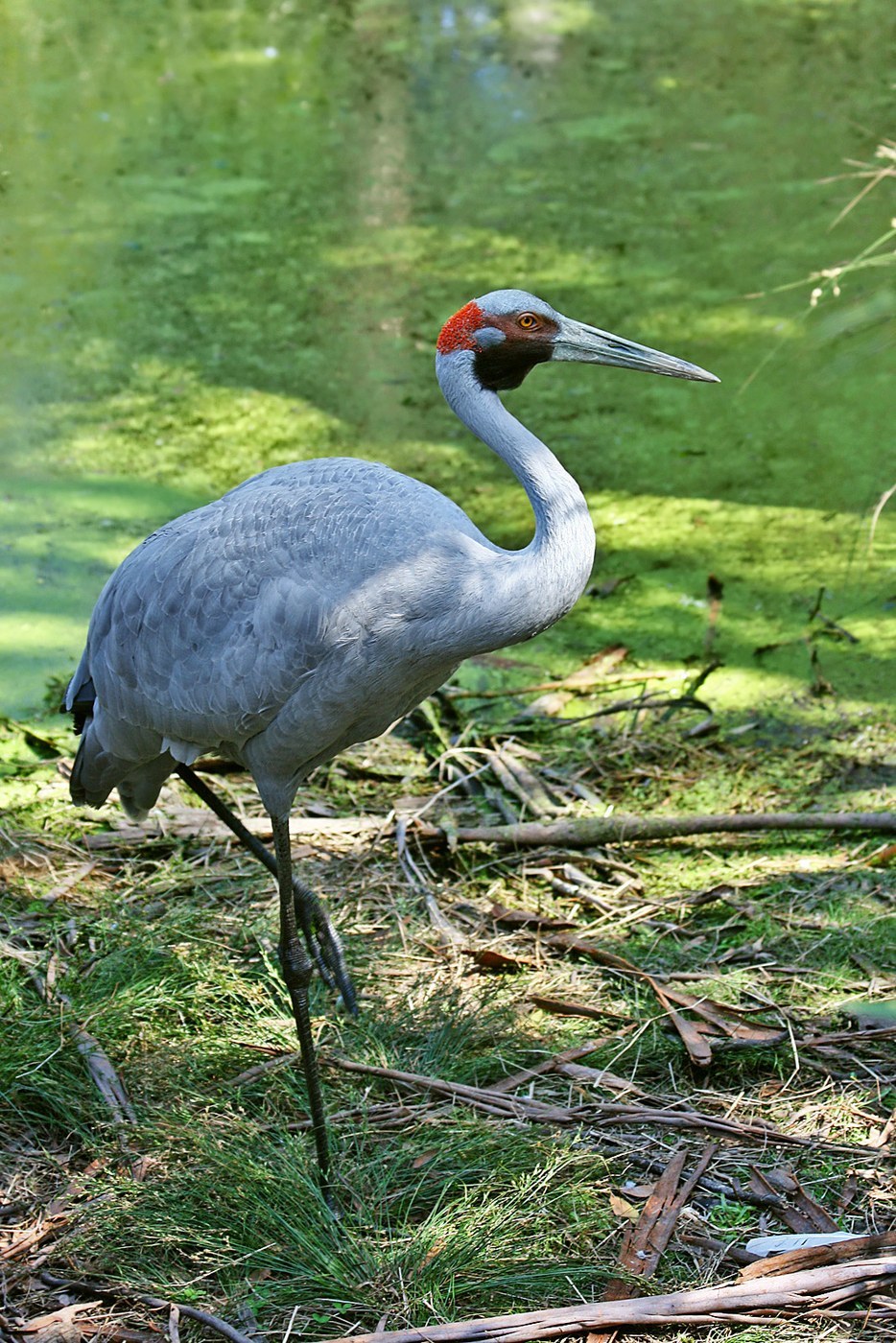
Brolga
Grey contour feathers with drooping bustle plumes
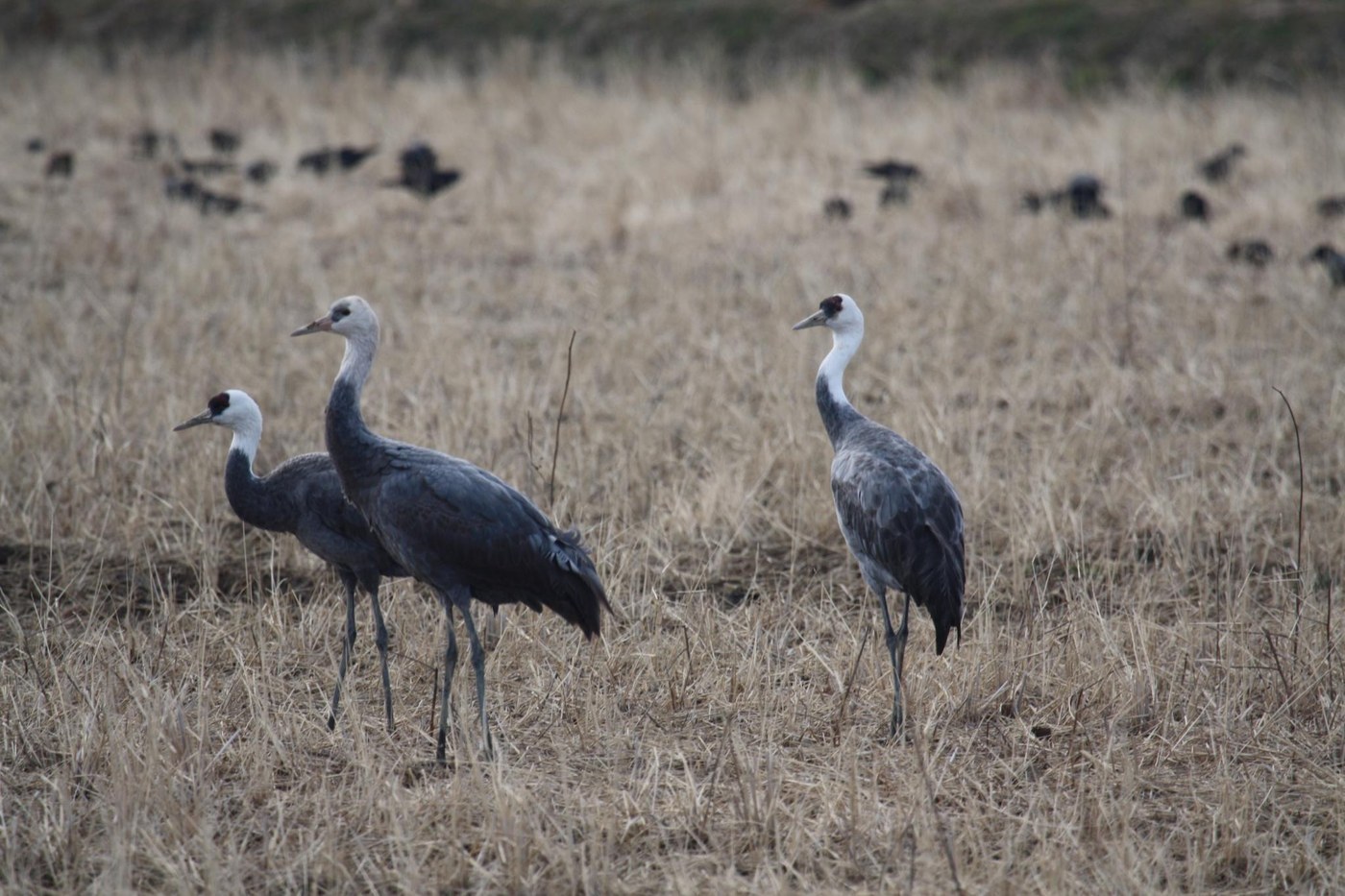
Hooded Crane
Dark slate-grey body feathers with a white head/upper neck 'hood' and black bustle plumes
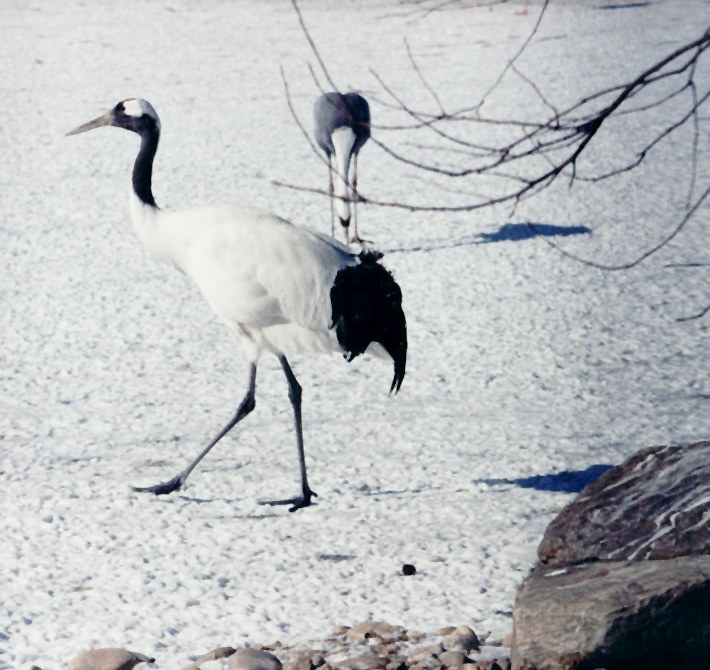
Red-crowned Crane
White contour feathers with black secondary/tertial bustle feathers and a bare red crown

Common Crane
Grey contour feathers with black head/neck feathers and drooping bustle plumes
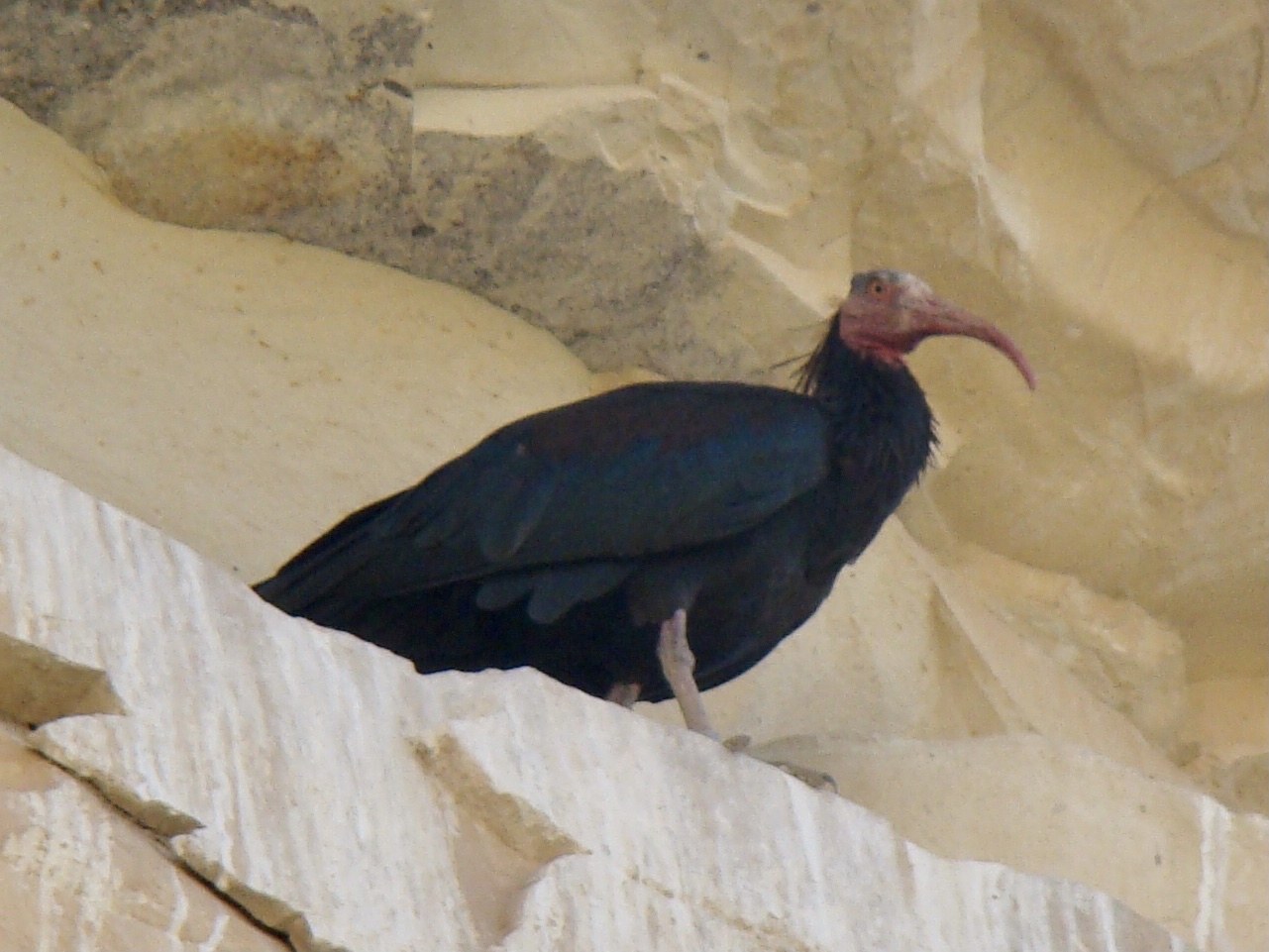
Northern Bald Ibis
Glossy black contour feathers with elongated nape plumes
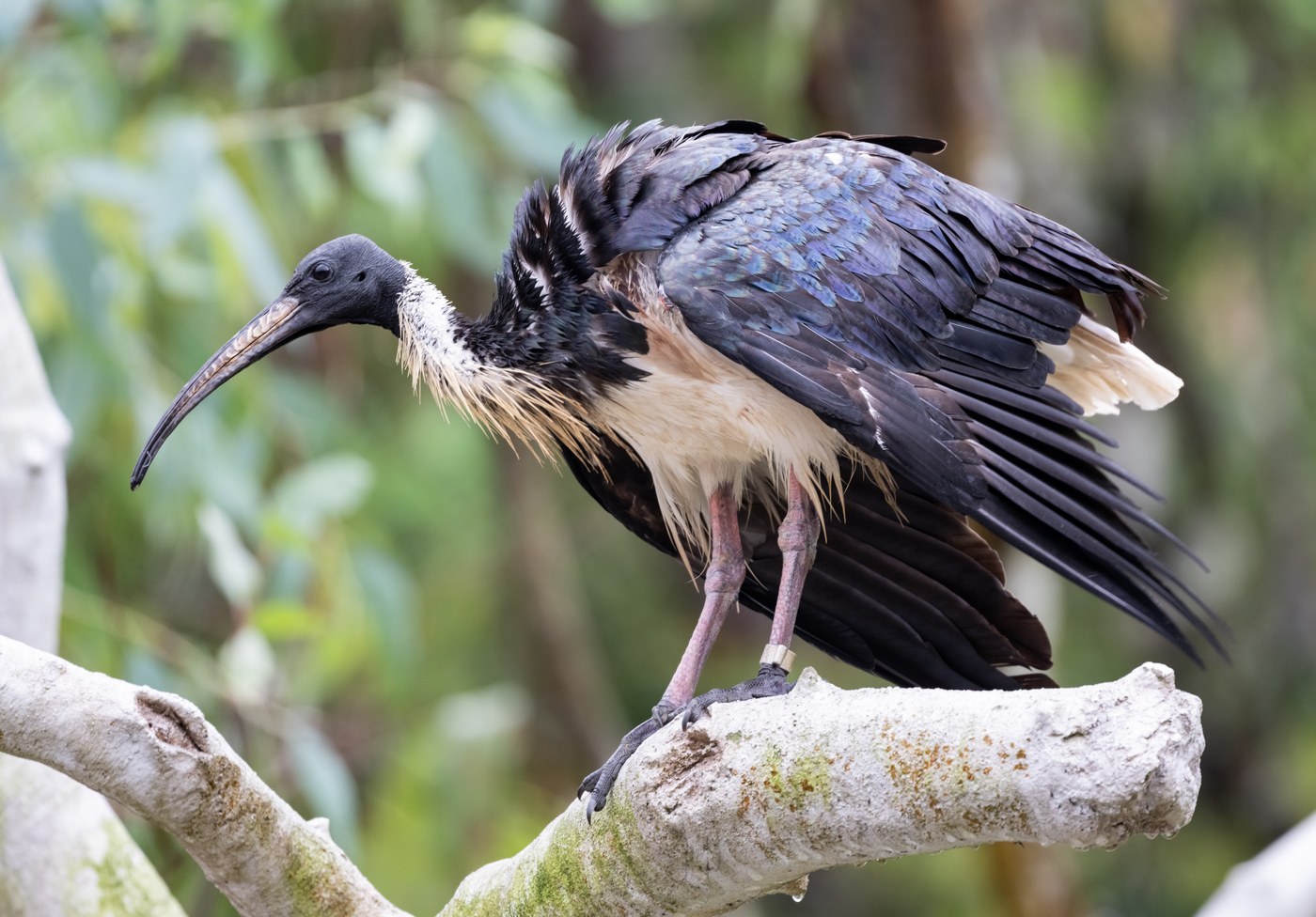
Straw-necked Ibis
Glossy contour feathers with unique straw-like neck plumes
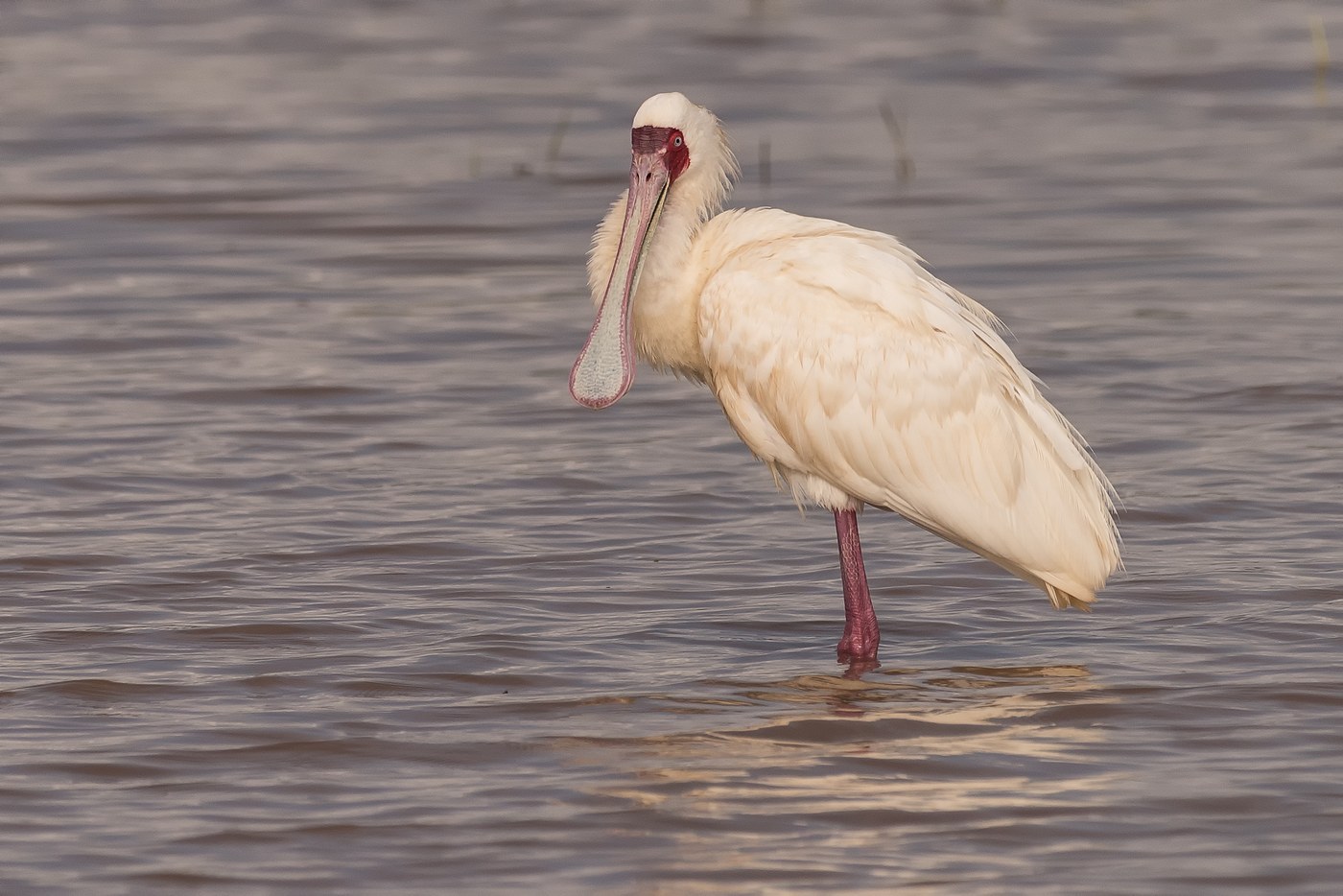
African Spoonbill
White contour and flight feathers, unmarked by black tips

Roseate Spoonbill
Pink and white contour and flight feathers with a carmine shoulder patch