

Plush-crested Jay
Cyanocorax chrysops
A South American jay with a velvety black face, glowing yellow eyes, and a soft blue patch on the nape, its tail broadly tipped in white.
- Feather type
- Contour, wing, and tail feathers
- Colours
- Black head with velvety frontal feathers, blue nape patch, yellow eyes, blue-black upperparts, white-tipped tail
- Bird size
- Jay-sized, ~33-35 cm
Found a feather like this?
Identify any feather from a photo, free.
Overview
The Plush-crested Jay ranges across woodland, forest edge, and gallery forest in south-central South America, where its bold face pattern and striking pale eyes make it a distinctive presence. Its common name refers to the dense, velvety texture of the feathers on the forehead and face, which have a soft, plush appearance unlike the sleeker feathers found elsewhere on the body.
It is a social species, often moving through the forest canopy and understory in small, vocal groups.
Identifying the Feather
- Forehead and face feathers are black with a dense, velvety, plush texture, distinctly different from the sleeker feathers on the rest of the body
- A pale blue patch covers the nape, contrasting against the black head and darker blue-black back
- Body contour feathers are blue-black to dark blue overall, with a somewhat glossy finish on the upperparts
- Tail feathers are dark with broad white tips, a bold and easily noticed contrast when a full feather is examined
Plumage & Molt
Sexes look alike in plumage, though eye color can deepen with age in both sexes. Juveniles show duller, browner-black head feathers lacking the full plush texture of adults, along with darker eyes that brighten to yellow with maturity. One complete molt occurs annually after breeding.
Habitat & Range
- Found across south-central South America, including parts of Brazil, Paraguay, Bolivia, and northern Argentina
- Favors woodland, forest edge, and gallery forest along rivers and streams
- Non-migratory, with resident groups occupying stable territories
Behavior & Field Notes
Plush-crested Jays move in small, active social groups, foraging for insects, fruit, small animals, and occasionally eggs or nestlings of other birds. They are vocal, with a range of harsh and more musical calls used to maintain group contact. Nests are cup-shaped structures built in trees, and cooperative breeding behavior, with related birds assisting at some nests, has been documented in this species.
Frequently asked questions
What does 'plush-crested' refer to in this species' feathers?
The name describes the dense, velvety texture of the black feathers covering the forehead and face, which feel and look noticeably softer and plusher than the sleeker feathers elsewhere on the body.
How can I identify the nape feathers specifically?
They form a distinct pale blue patch contrasting against the black head and darker blue-black back, a useful field mark when examining a set of feathers together.
What color are the tail feather tips?
The tail feathers are dark overall with broad white tips, creating a bold contrast easily visible on a complete or nearly complete feather.
Where would I most likely find this species' feathers?
In woodland, forest edge, and gallery forest across south-central South America, including parts of Brazil, Paraguay, Bolivia, and northern Argentina.
Plush-crested Jay guides
In-depth guides for identifying and understanding Plush-crested Jay.

Other feathers you may enjoy

Yellow-billed Magpie
Contour, wing, and tail feathers

White-throated Magpie-Jay
Contour, wing, and tail feathers

White-necked Crow
Contour and flight feathers

Slender-billed Crow
Contour and flight feathers

Sinaloa Crow
Contour and flight feathers

Siberian Jay
Contour, wing, and tail feathers

Yellow-billed Blue Magpie
Contour, wing, and tail feathers
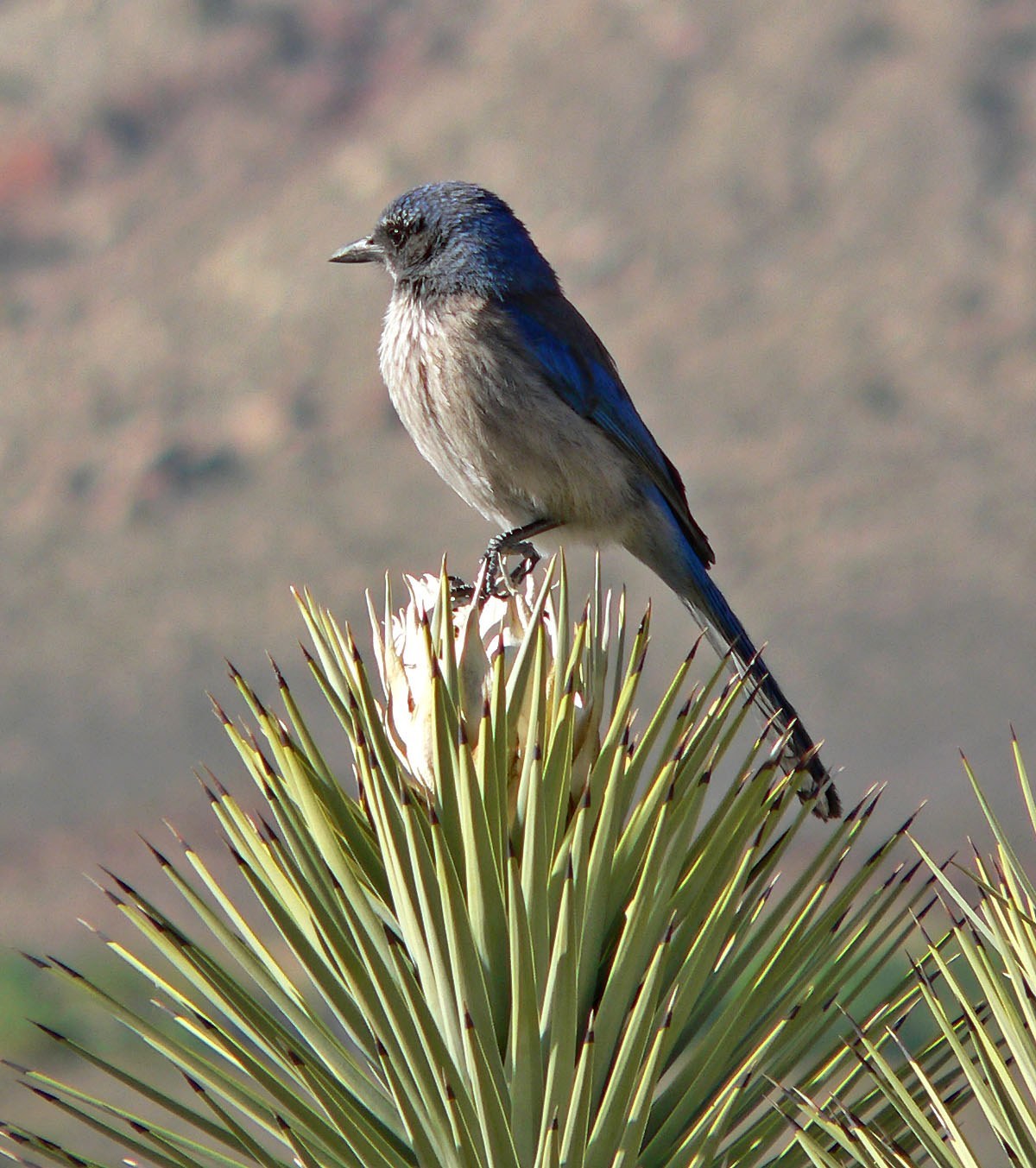
Woodhouse's Scrub-Jay
Contour and flight feathers
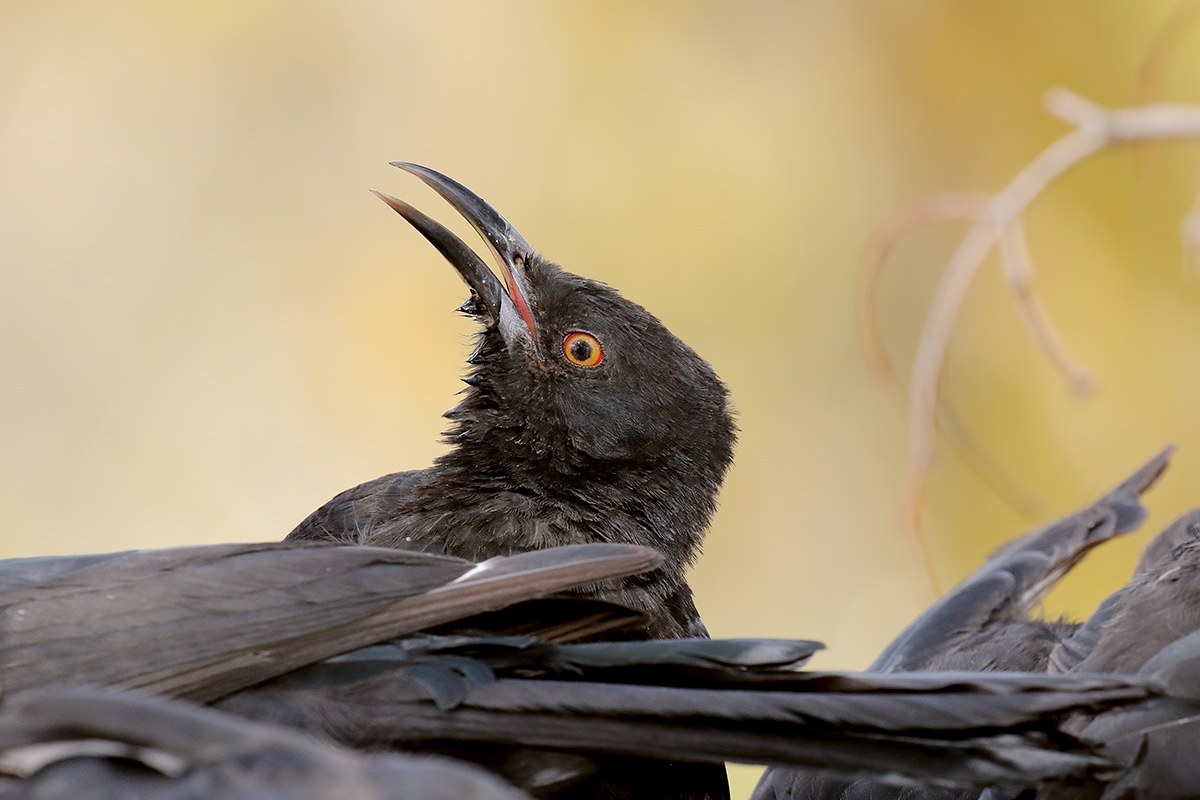
White-winged Chough
Contour and flight feathers

Rufous Treepie
Long, graduated tail feathers; loose body contour feathers

Thick-billed Raven
Contour and flight feathers
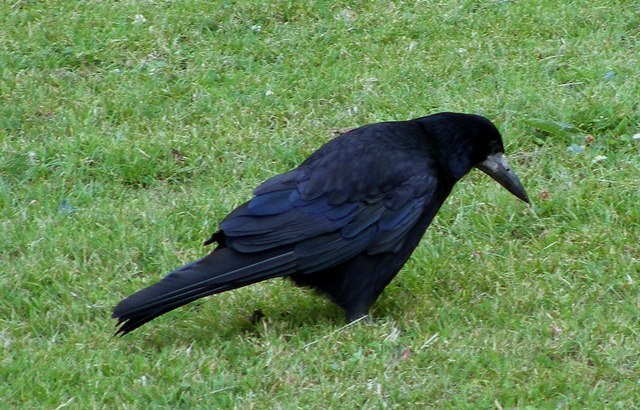
Rook
Glossy purple-black flight and body feathers; loose, shaggy thigh (leg) feathers