

Tamaulipas Crow
Corvus imparatus
One of the smallest North American crows, native to northeastern Mexico with a small range extending into southern Texas.
- Feather type
- Contour and flight feathers
- Colours
- Uniform glossy black
- Bird size
- Small crow, ~34-36 cm
Found a feather like this?
Identify any feather from a photo, free.
Overview
Overview
The Tamaulipas Crow is a small corvid native to northeastern Mexico, with a limited presence in the extreme southern tip of Texas. It is among the smallest crow species found in North America.
Its range is comparatively restricted, and it is closely associated with human-modified landscapes such as farmland, dumps, and towns.
Identifying the Feather
Feather Identification
Feathers are uniformly glossy black with a blue-green sheen, similar in basic pattern to other small crows but noticeably compact given the bird's small size.
- Flight feathers: Short, compact primaries and secondaries reflecting the species' small overall size.
- Tail feathers: Squared, glossy black tail feathers, shorter than in larger crow species.
- Similar species: Very similar to the closely related Sinaloa Crow of western Mexico; overall small size compared to American Crow is a useful clue in areas of range overlap in south Texas.
Plumage & Molt
Plumage Notes
Adults show uniform glossy black plumage with a moderate sheen. Juveniles are duller, gaining full gloss as they mature.
Sexes are alike in plumage. An annual complete molt follows breeding.
Habitat & Range
Habitat & Range
Tamaulipas Crows favor open scrub, farmland, and towns in northeastern Mexico, with a small population reaching extreme southern Texas, particularly around Brownsville. They are closely tied to human-altered landscapes including refuse areas.
The species is generally resident, without significant long-distance migration.
Behavior & Field Notes
Behavior & Field Notes
This crow is highly social, often seen in flocks, especially around towns, farmland, and waste disposal sites where food is concentrated. Diet is broad and opportunistic.
Nests are stick platforms built in trees or shrubs. Calls are notably different from typical crow caws, often described as a low, froglike or croaking sound. This unusual voice is one of the most useful field marks for separating it from the larger American Crow where ranges overlap.
Frequently asked questions
How can you tell Tamaulipas Crow feathers from American Crow feathers?
Tamaulipas Crow feathers are noticeably smaller and more compact, matching the bird's smaller overall size; range in south Texas and northeastern Mexico also helps narrow identification.
What does the Tamaulipas Crow sound like?
Its call is a distinctive low, froglike croak rather than a typical sharp crow caw, a helpful clue for identifying the live bird.
Where is the Tamaulipas Crow found?
It is native to northeastern Mexico, with a small population reaching extreme southern Texas near Brownsville.
Is the Tamaulipas Crow closely related to any other species?
It is closely related to the Sinaloa Crow of western Mexico, and the two were once considered a single species.
Tamaulipas Crow guides
In-depth guides for identifying and understanding Tamaulipas Crow.

Other feathers you may enjoy

Yellow-billed Magpie
Contour, wing, and tail feathers

White-throated Magpie-Jay
Contour, wing, and tail feathers

White-necked Crow
Contour and flight feathers

Slender-billed Crow
Contour and flight feathers

Sinaloa Crow
Contour and flight feathers

Siberian Jay
Contour, wing, and tail feathers

Yellow-billed Blue Magpie
Contour, wing, and tail feathers
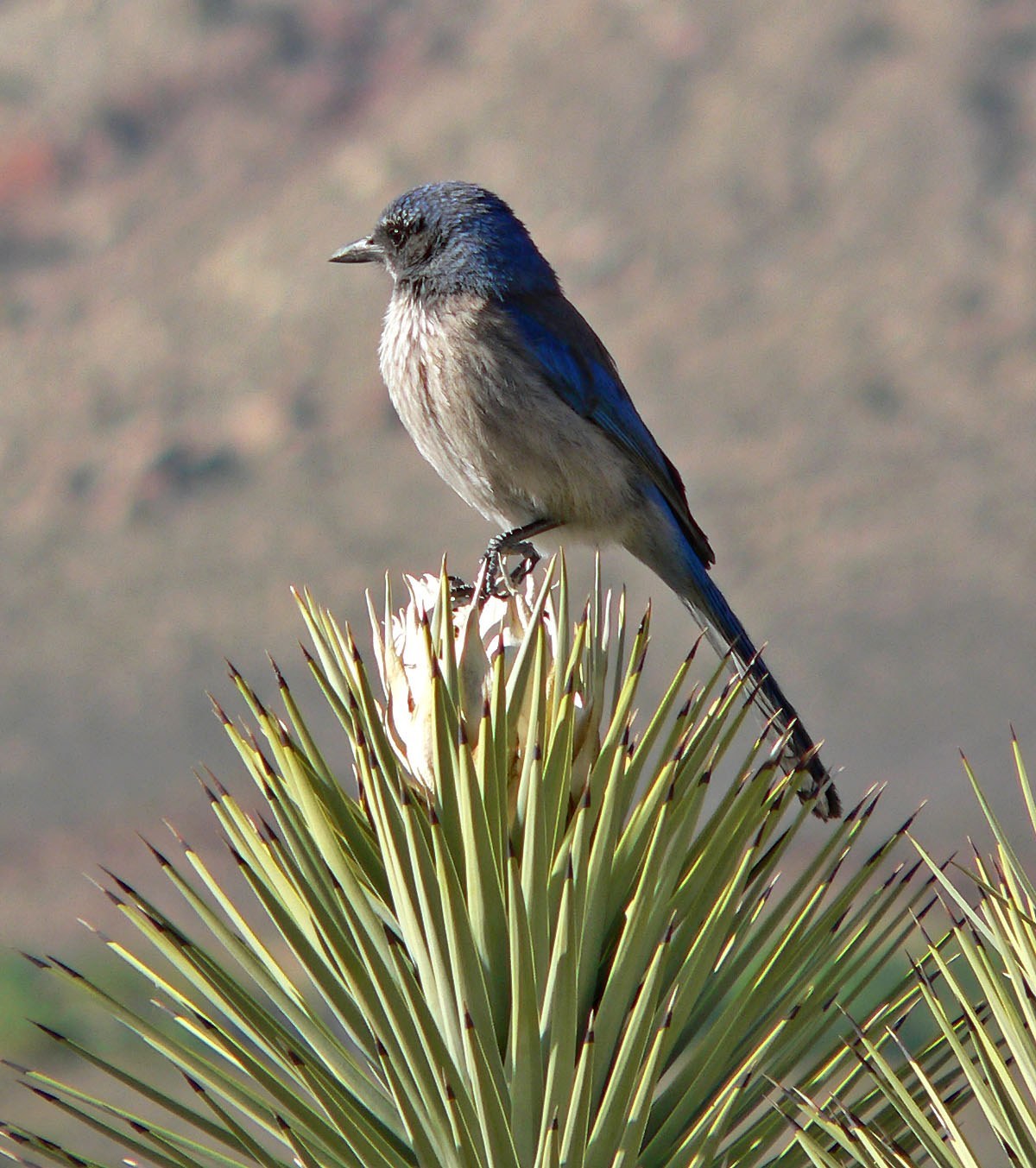
Woodhouse's Scrub-Jay
Contour and flight feathers
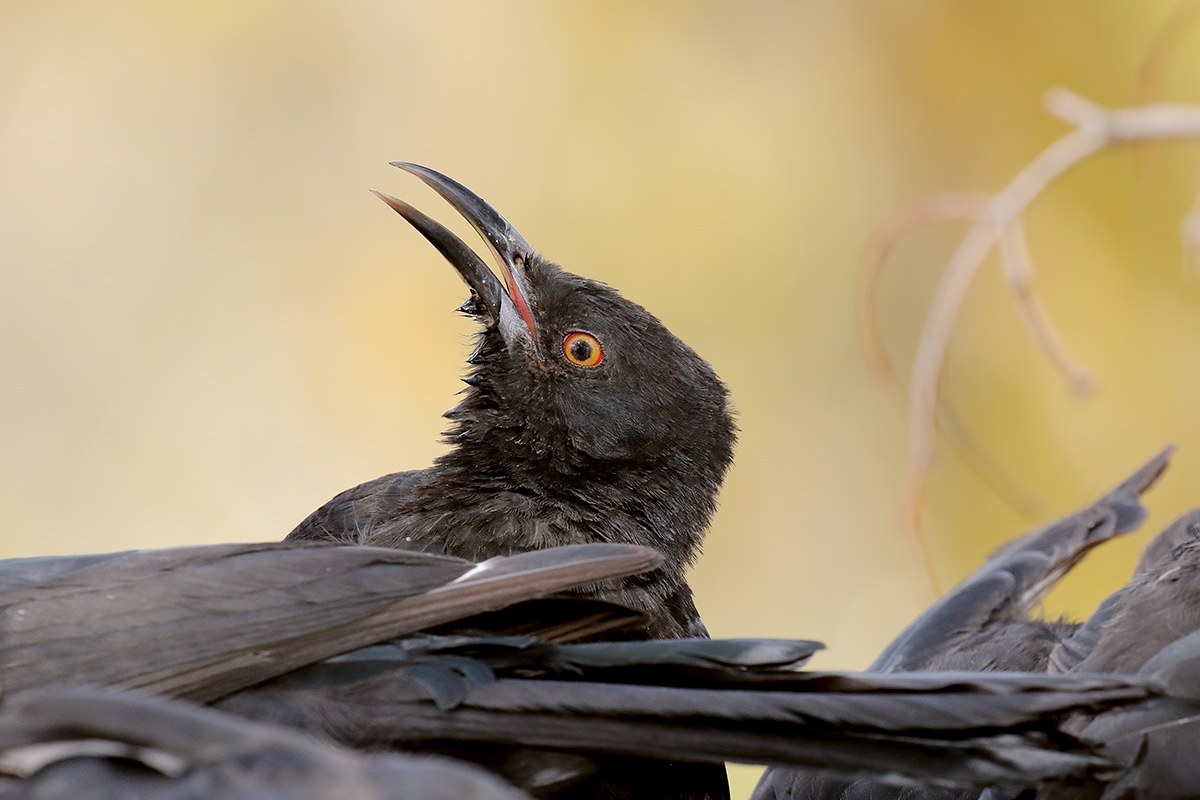
White-winged Chough
Contour and flight feathers

Rufous Treepie
Long, graduated tail feathers; loose body contour feathers

Thick-billed Raven
Contour and flight feathers
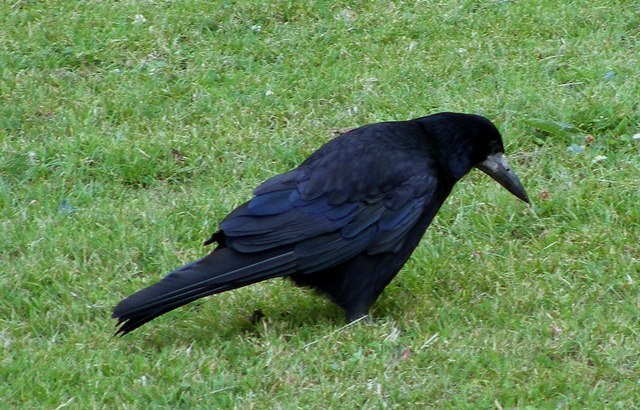
Rook
Glossy purple-black flight and body feathers; loose, shaggy thigh (leg) feathers