

Vasa Parrot
Coracopsis vasa
A large, dark, unusually plain-plumaged parrot from Madagascar known for its loose, almost vulture-like feathering.
- Feather type
- Loose contour feathers and rounded flight feathers
- Colours
- Uniform dark grey-brown to blackish
- Bird size
- Crow-sized, ~50 cm
Found a feather like this?
Identify any feather from a photo, free.
Overview
Overview
The Vasa Parrot is a large Madagascan parrot notable for its uniformly dark, almost featureless plumage, a stark contrast to the brightly colored parrots typically associated with the family. Its loose-feathered, somewhat scruffy appearance and bare-skin facial patches during breeding give it a distinctive silhouette.
- Among the largest parrots of Madagascar
- Plumage is unusually drab for a parrot, aiding recognition
- Females can develop striking bare yellow skin on the head and neck during breeding
Identifying the Feather
Feather Identification
Vasa Parrot feathers are notably loose and somewhat ragged in structure compared to tightly feathered tropical parrots.
- Body feathers: dark grey-brown to near-black overall, lacking the bright colors typical of most parrot feathers
- Flight feathers: broad and rounded, blackish-brown with little contrast between vane and shaft
- Facial region: in breeding females, feathering recedes to expose bare, yellow-toned skin, a distinctive feature during the breeding season
- Texture: feathers appear looser and less sleek than in most parrots, giving a slightly disheveled look even when fresh
- Compared to similar species: the closely related Lesser Vasa Parrot is smaller and slightly browner but shares the same drab, dark coloring, so size is the more reliable distinguishing feature between the two
Plumage & Molt
Plumage Notes
Both sexes are dark grey-brown, but breeding females undergo a striking change, losing head feathers to reveal bare yellow skin, while males retain full facial feathering year-round.
- Juveniles resemble adults but may show a slightly paler or browner tone before their first full molt
- The seasonal bare-skin change in breeding females is one of the more unusual plumage-related traits among parrots
- Molt outside the breeding season restores full head feathering in females
Habitat & Range
Habitat & Range
Endemic to Madagascar and some nearby islands, the Vasa Parrot occupies a range of wooded habitats.
- Found in lowland forest, woodland, and mangrove edges
- Generally non-migratory, though it may move locally in response to food availability
- Occurs across much of Madagascar where suitable forest and woodland remain
Behavior & Field Notes
Behavior & Field Notes
Vasa Parrots are gregarious and vocal, often seen in flocks moving between feeding and roosting sites.
- Diet: fruits, seeds, and other plant material gathered while foraging in trees
- Nesting: nests in tree cavities, with an unusual breeding system in which one female may mate with multiple males
- Voice: a range of harsh, raucous calls, often given in flight or at communal roosts
- Field notes: the dark, almost crow-like silhouette combined with a distinctly parrot-shaped hooked bill helps separate it from other dark-plumaged birds sharing its range
Frequently asked questions
Why is the Vasa Parrot's plumage so dark and plain?
Unlike most brightly colored parrots, it has evolved uniformly dark grey-brown to blackish feathers, making it one of the drabbest parrot species.
What happens to breeding female Vasa Parrots?
They lose feathers on the head to expose bare, yellow-toned skin during the breeding season, a distinctive seasonal change.
Where is the Vasa Parrot found?
It is endemic to Madagascar and some nearby islands, occupying forest, woodland, and mangrove habitats.
How can you tell Vasa Parrot feathers from other dark parrots?
Their loose, somewhat ragged texture combined with uniform dark grey-brown coloring and large size helps distinguish them from other dark-plumaged parrots in the region.
Vasa Parrot guides
In-depth guides for identifying and understanding Vasa Parrot.

Other feathers you may enjoy
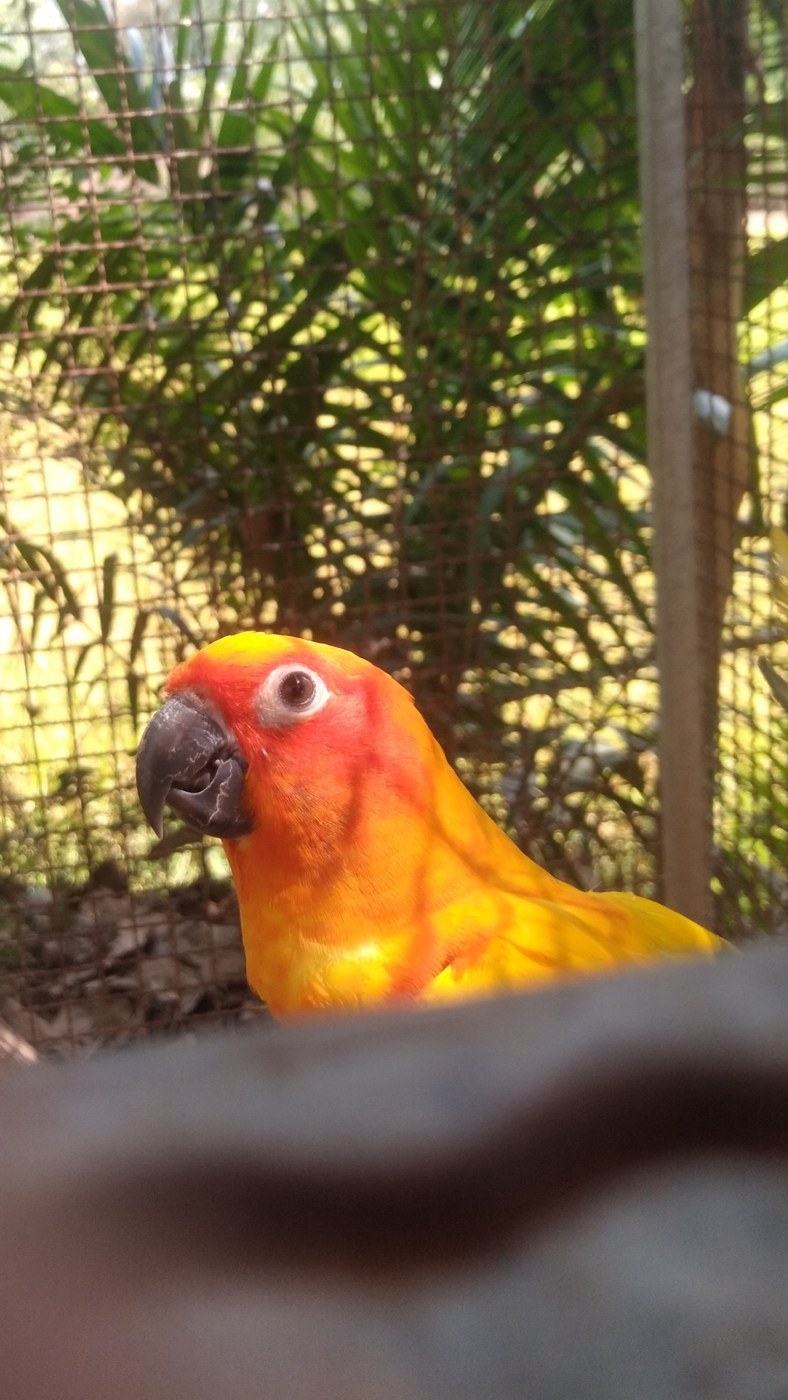
Sun Parakeet
Bright, dense body contour feathers; medium pointed tail feathers

Yellow-naped Amazon
Broad rounded contour feathers with sturdy flight feathers
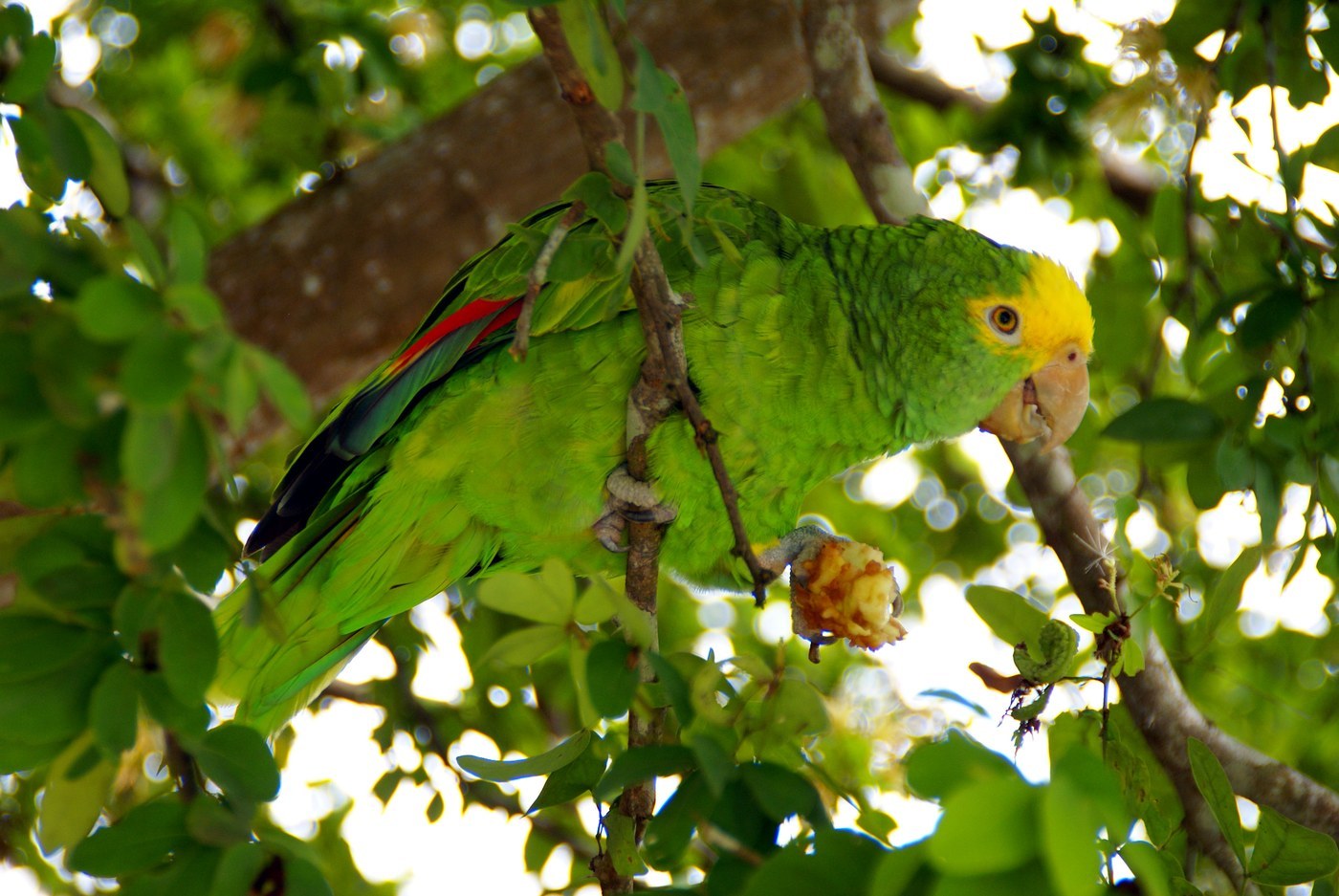
Yellow-headed Amazon
Dense, rounded body contour feathers; broad flight feathers
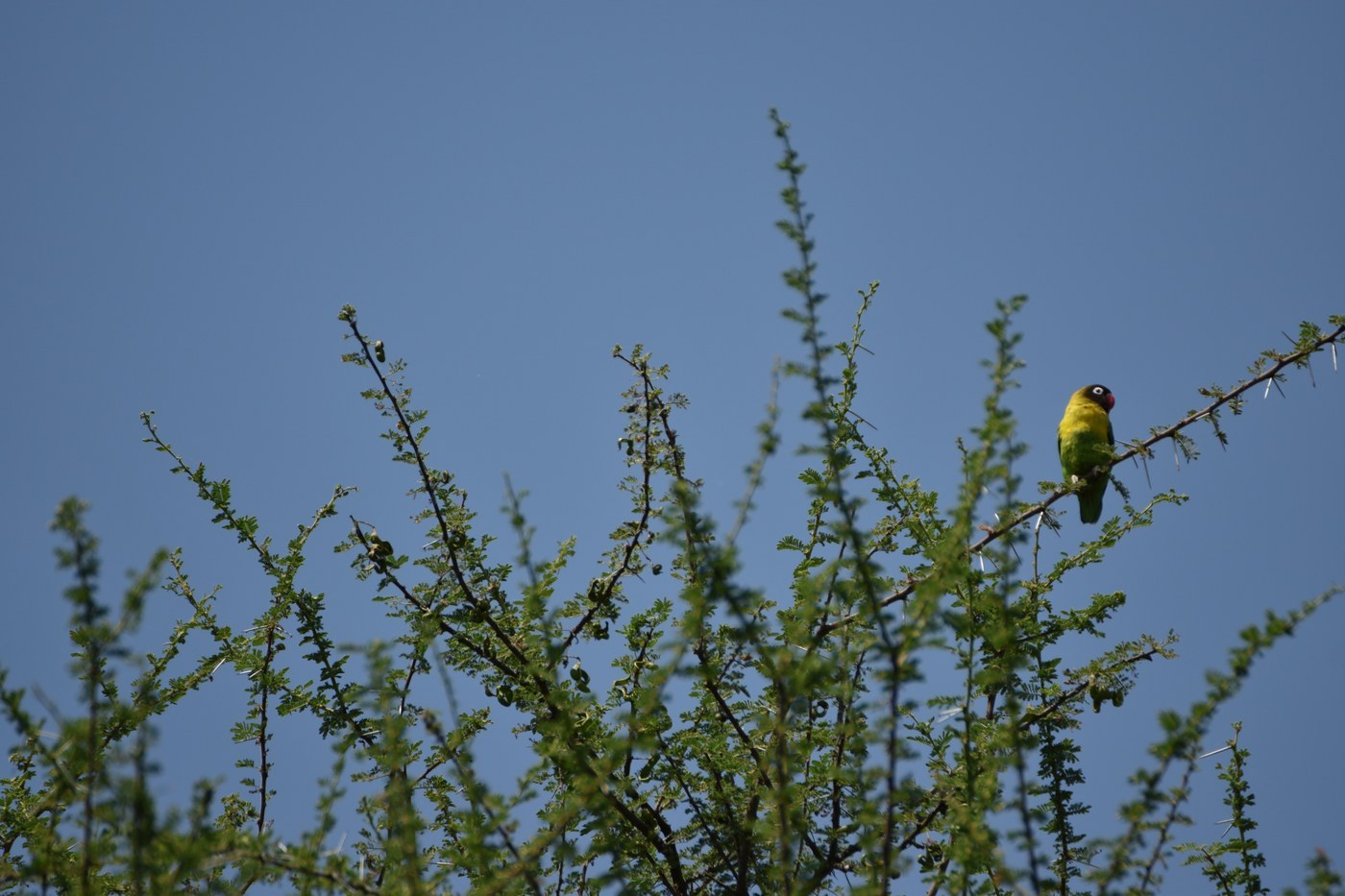
Yellow-collared Lovebird
Small compact flight feathers, short rounded tail

White-eyed Conure
Medium contour and long, graduated tail feathers

Yellow-tailed Black Cockatoo
Large, sturdy contour and flight feathers; short crest

Scarlet-chested Parrot
Small contour and flight feathers

Timneh Parrot
Broad flight feathers, scalloped body feathers with pale edges
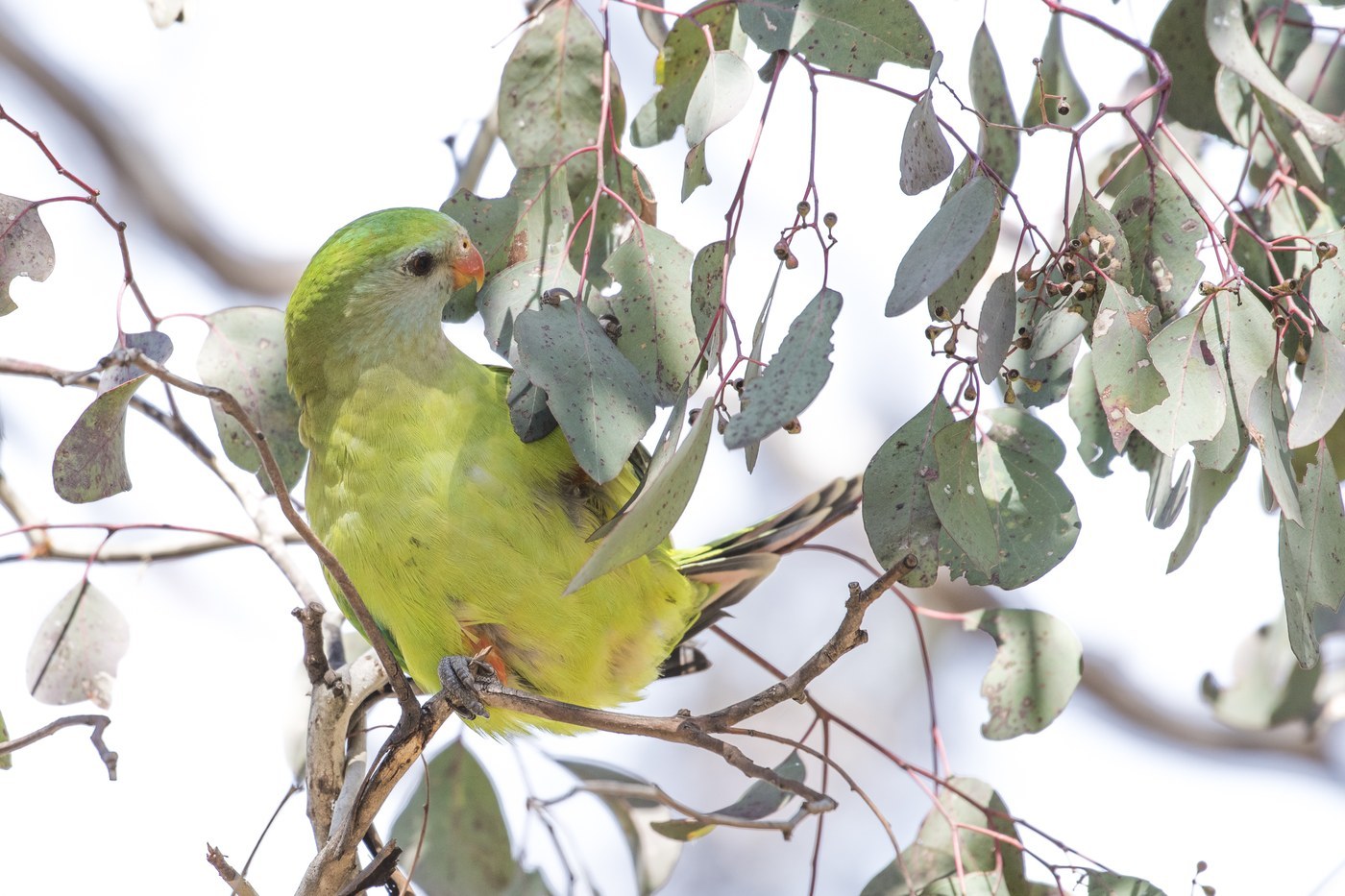
Superb Parrot
Sleek contour feathers with a long tapering tail

Red-shouldered Macaw
Compact body contour feathers; medium flight and tail feathers
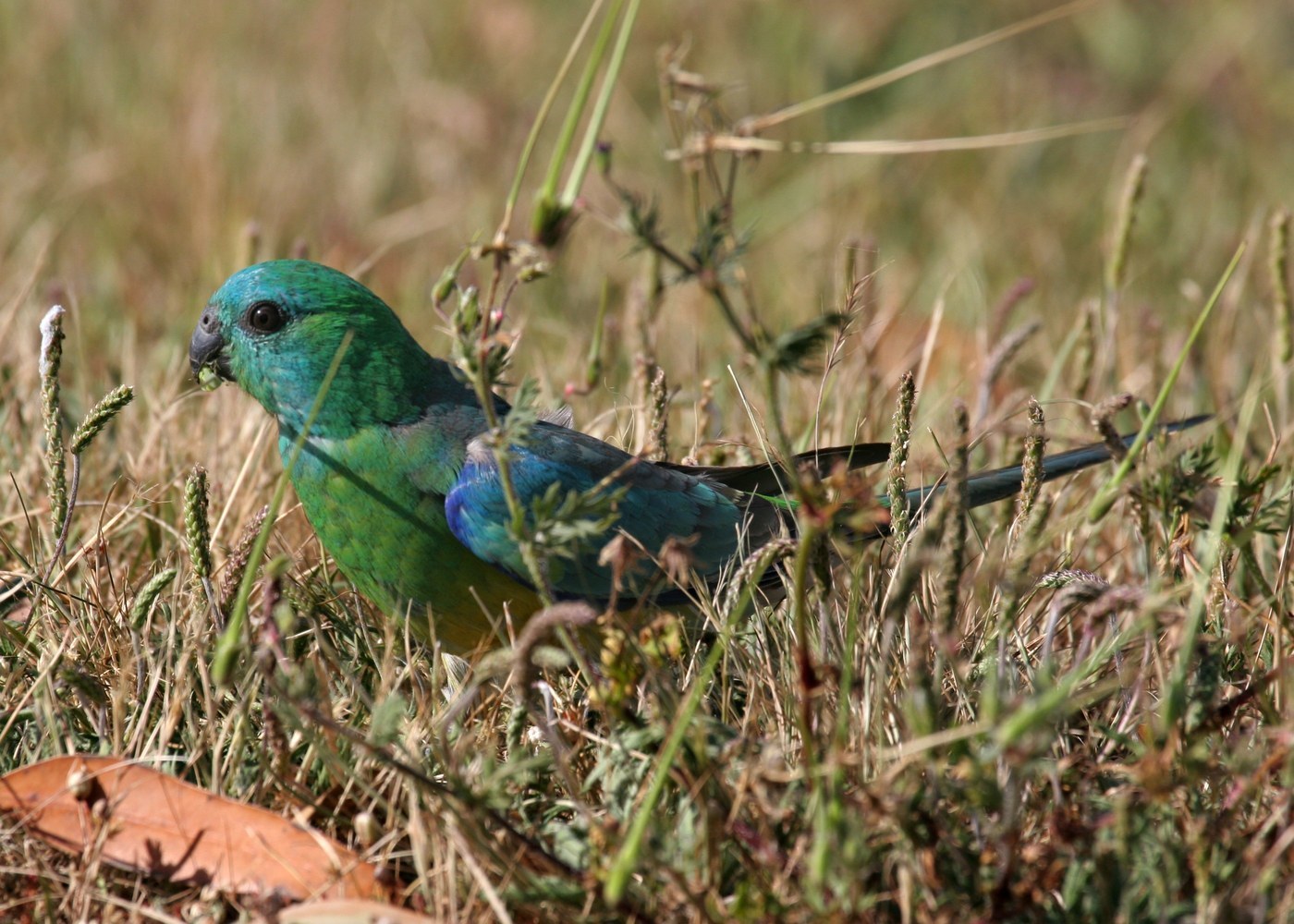
Red-rumped Parrot
Sleek contour feathers with a bright rump patch in males

White-capped Pionus
Compact contour feathers and short, squared tail feathers