
Alexandrine Parakeet
Psittacula eupatria
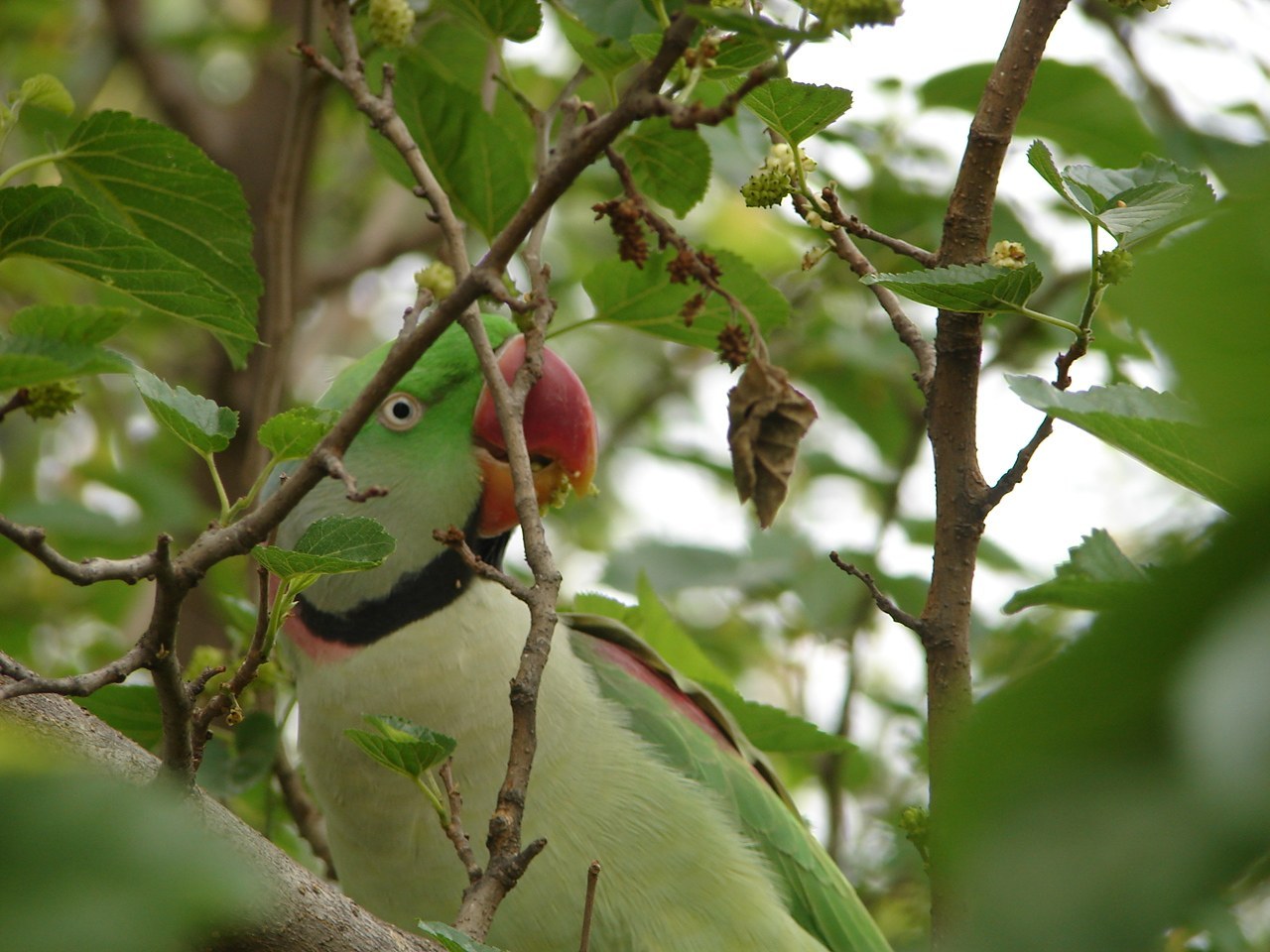
One of the largest Psittacula parakeets, distinguished from the similar Rose-ringed Parakeet by its bigger size, heavier red bill, and a distinctive maroon-red patch on the shoulder.
- Feather type
- Broad green body feathers with a red shoulder patch; long tapered tail feathers
- Colours
- Green overall with a maroon-red shoulder patch and black-and-pink neck ring in males
- Bird size
- Large parakeet, ~50-58 cm including tail
Found a feather like this?
Identify any feather from a photo, free.
Overview
The Alexandrine Parakeet ranges across South and Southeast Asia, from Pakistan and India through parts of Indochina, inhabiting open forest, farmland, and lightly wooded lowlands. It is closely related to and often confused with the Rose-ringed Parakeet but is notably larger, with a heavier build and bill, and carries a distinctive maroon shoulder patch not found on its smaller relative.
Identifying the Feather
Body feathers are green overall, similar in tone to the Rose-ringed Parakeet but the bird is visibly larger and heavier-bodied. A maroon-red patch marks the shoulder (lesser wing coverts), a key field mark separating this species from the otherwise similar Rose-ringed Parakeet, which lacks this patch. Males show a black chin stripe extending into a rose-pink neck band, similar in position to the Rose-ringed Parakeet's ring but on a larger bird with a proportionately larger, more massive red bill. The tail is long and tapered with elongated central feathers, blue-tinged above, and overall wing and tail feathers are broader and heavier than those of smaller Psittacula species.
Plumage & Molt
Adult males show the black-and-rose neck ring along with the maroon shoulder patch, while females and immatures lack the neck ring but retain the shoulder patch, which is present in both sexes from a young age. Juveniles have duller green plumage overall and a less developed shoulder patch, with the neck ring in young males developing gradually over a few years. A single annual molt renews the plumage.
Habitat & Range
This species inhabits open forest, forest edge, farmland, and scattered woodland across South and Southeast Asia, from Pakistan and India through Sri Lanka and into parts of Indochina. It is largely non-migratory, remaining resident within suitable habitat, and has also become established in some areas as an escaped or released population.
Behavior & Field Notes
Alexandrine Parakeets feed on fruit, seeds, blossoms, and cultivated grain, foraging in flocks in trees and crop fields. Nests are placed in large tree cavities, often reused across years. Calls include loud, resonant screeching notes, deeper and harsher than those of the smaller Rose-ringed Parakeet, given in flight and at communal roosts.
Frequently asked questions
How do you tell an Alexandrine Parakeet from a Rose-ringed Parakeet by its feathers?
The Alexandrine is larger overall and shows a maroon-red shoulder patch that the Rose-ringed Parakeet lacks.
What color are Alexandrine Parakeet feathers?
Green overall, with a maroon shoulder patch and, in males, a black-and-rose neck ring.
Do female Alexandrine Parakeets have the shoulder patch too?
Yes, the maroon shoulder patch is present in both sexes, unlike the neck ring which is limited to males.
Where does the Alexandrine Parakeet live?
Across open forest, farmland, and lightly wooded lowlands of South and Southeast Asia.
Alexandrine Parakeet guides
In-depth guides for identifying and understanding Alexandrine Parakeet.
Other feathers you may enjoy
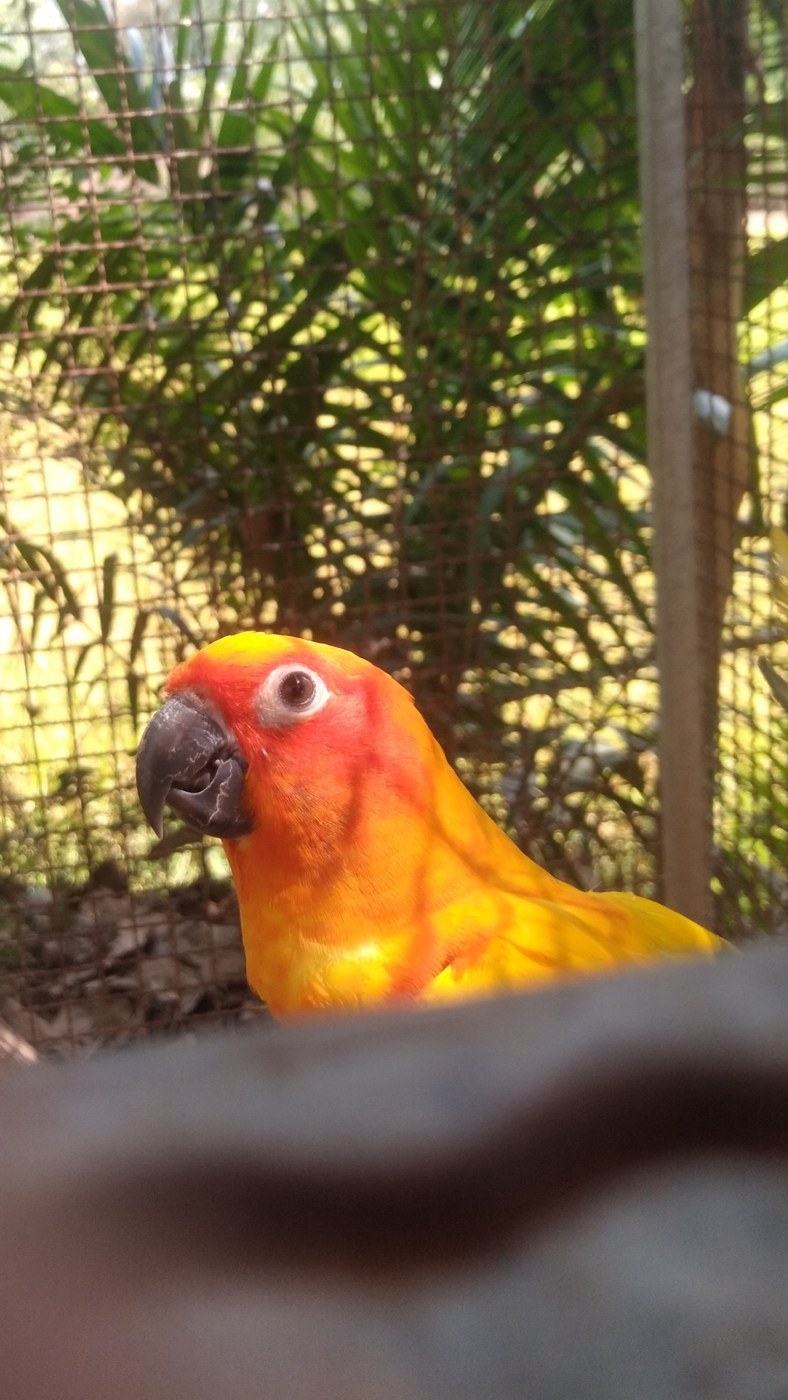
Sun Parakeet
Bright, dense body contour feathers; medium pointed tail feathers

Yellow-naped Amazon
Broad rounded contour feathers with sturdy flight feathers
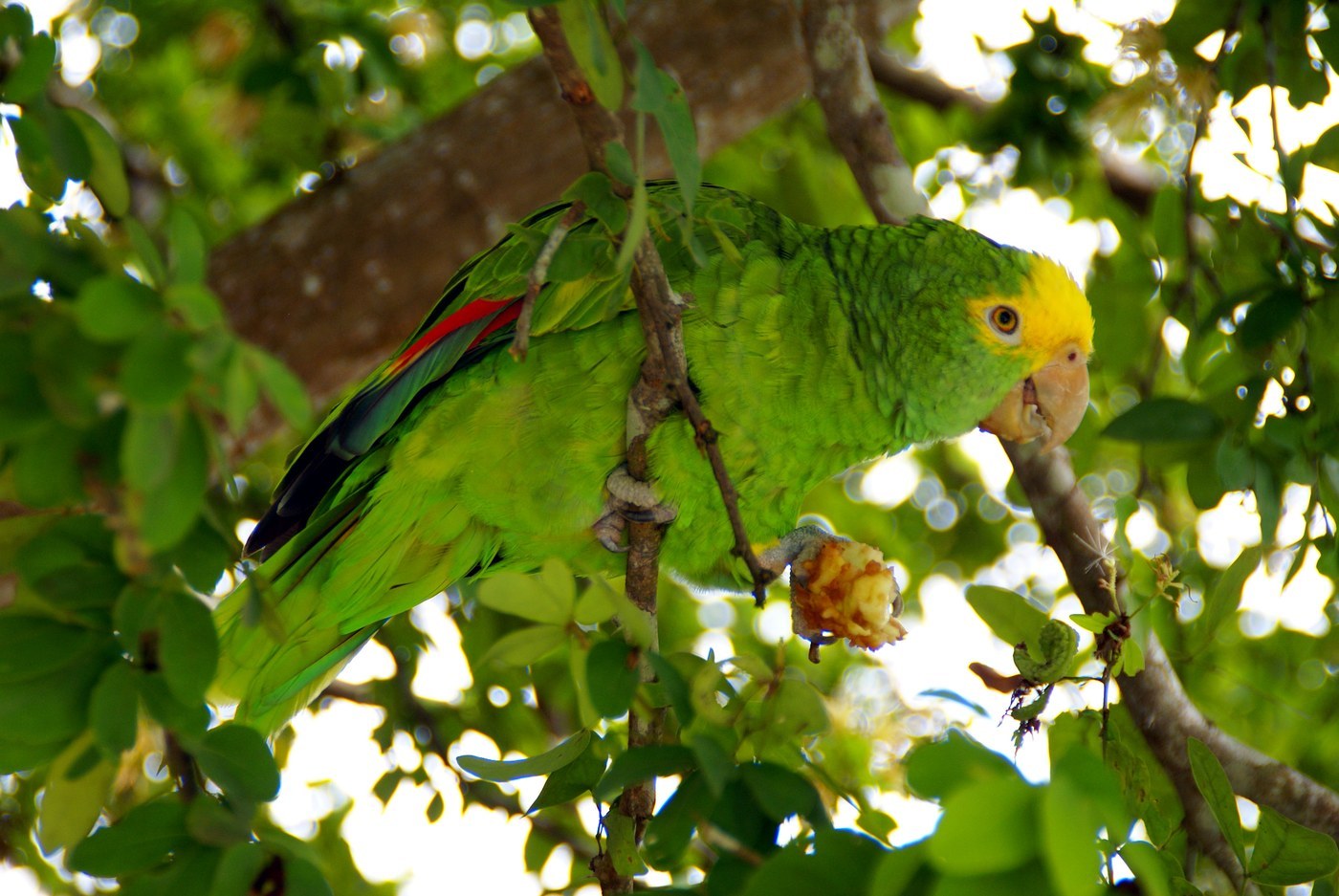
Yellow-headed Amazon
Dense, rounded body contour feathers; broad flight feathers
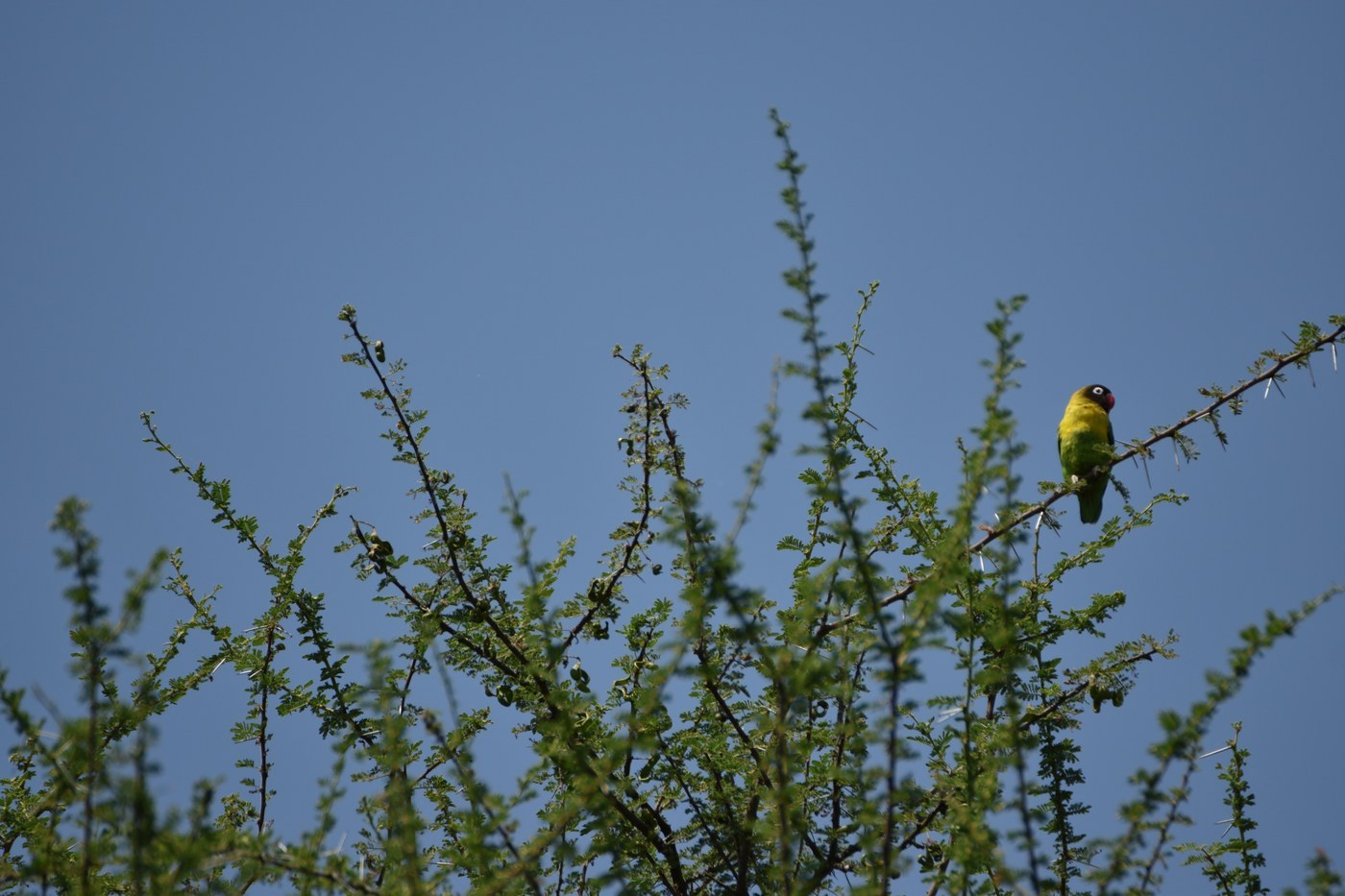
Yellow-collared Lovebird
Small compact flight feathers, short rounded tail

White-eyed Conure
Medium contour and long, graduated tail feathers

Yellow-tailed Black Cockatoo
Large, sturdy contour and flight feathers; short crest

Scarlet-chested Parrot
Small contour and flight feathers

Timneh Parrot
Broad flight feathers, scalloped body feathers with pale edges
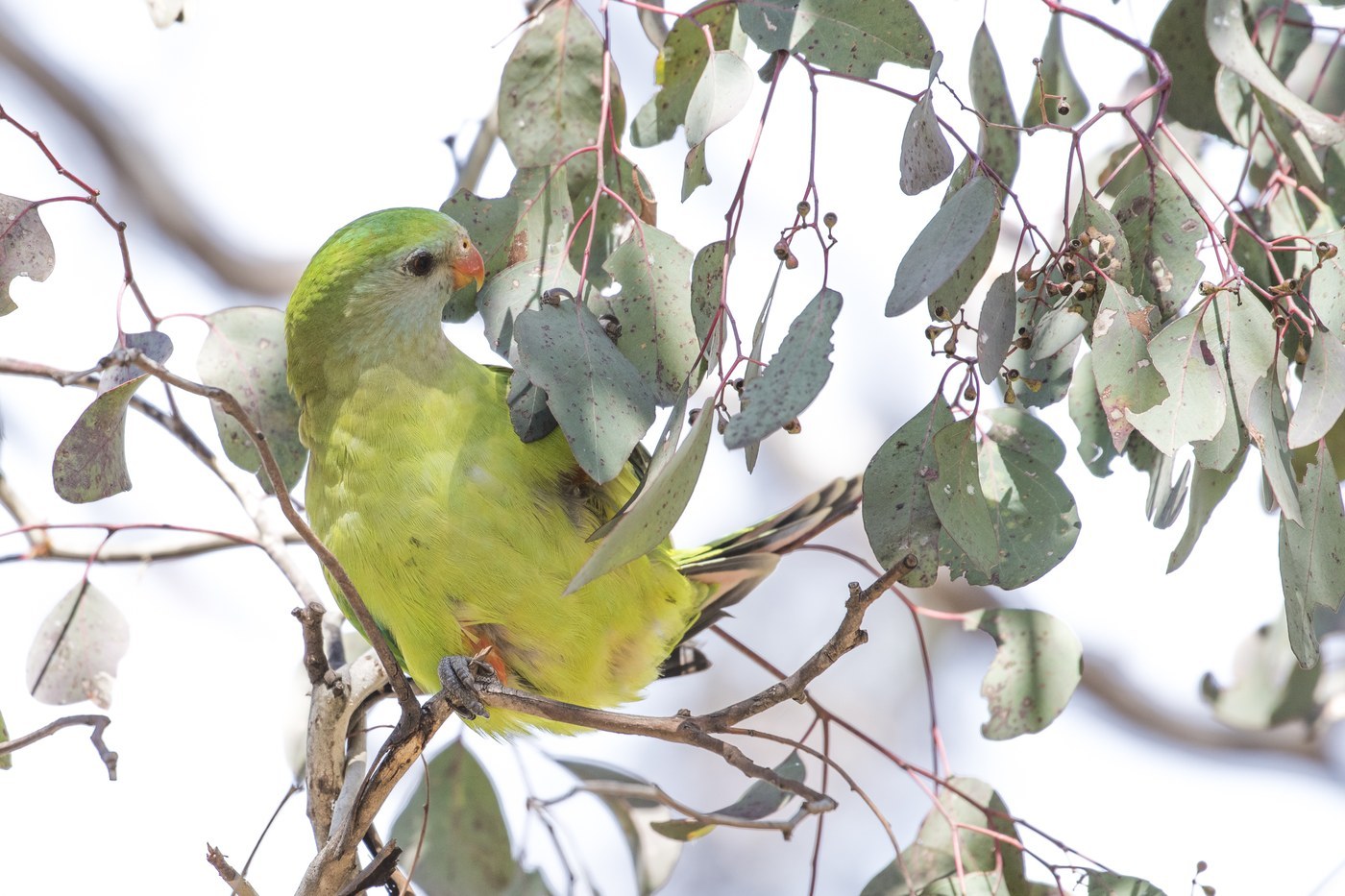
Superb Parrot
Sleek contour feathers with a long tapering tail

Red-shouldered Macaw
Compact body contour feathers; medium flight and tail feathers
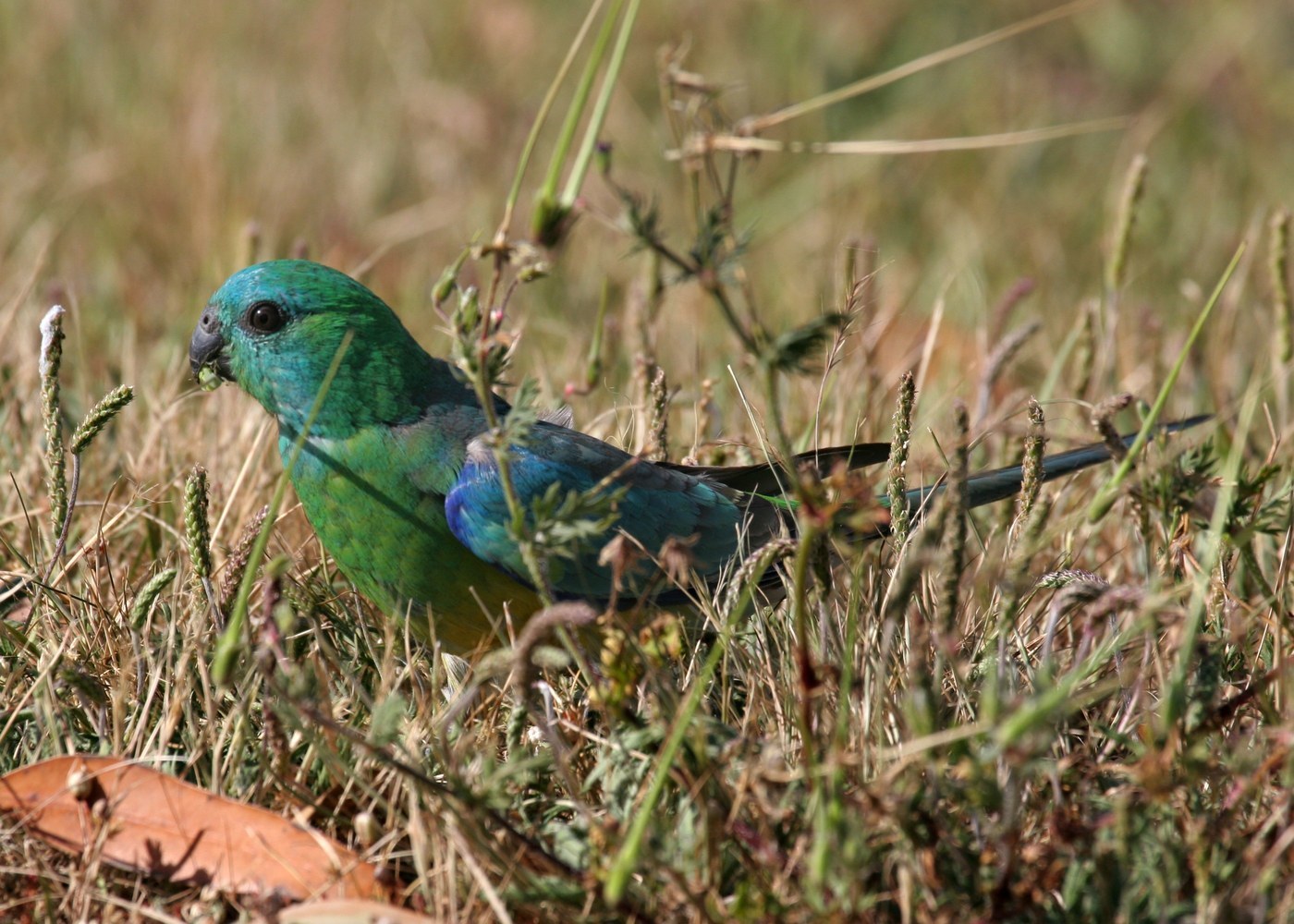
Red-rumped Parrot
Sleek contour feathers with a bright rump patch in males

White-capped Pionus
Compact contour feathers and short, squared tail feathers