

American Bittern
Botaurus lentiginosus
A secretive, superbly camouflaged heron of North American marshes that freezes with its bill pointed skyward to blend into the reeds.
- Feather type
- Densely streaked, cryptic contour feathers for camouflage
- Colours
- Brown, buff, and black streaking throughout
- Bird size
- Medium, stocky, ~58-70 cm tall
Found a feather like this?
Identify any feather from a photo, free.
Overview
Overview
The American Bittern is a stocky, secretive heron of North American marshes, far more often heard than seen due to its exceptional camouflage and habit of freezing motionless among reeds. Its streaky brown plumage and behavior of pointing its bill straight up make it one of the best-camouflaged wading birds on the continent.
- Stocky, medium-sized heron with densely streaked brown and buff plumage
- Freezes with bill pointed skyward to blend into vertical marsh vegetation
- Found in dense marshes and wet meadows across North America
Identifying the Feather
Feather Identification
American Bittern feathers are heavily marked with brown, buff, and blackish streaking and mottling throughout, providing effective camouflage rather than any bold, unbroken color block. A distinctive black patch or stripe typically occurs along the side of the neck. Feathers are generally softer and less glossy than those of many herons, with a cryptic, mottled pattern rather than a solid color.
- Dense brown-buff-black streaking throughout is diagnostic camouflage patterning
- Black neck-side patch or stripe, if present on a feather, is a strong species clue
- Feathers overall lack the solid gray, white, or chestnut blocks seen in more conspicuous herons
- Compare with Eurasian Bittern, which shows similar streaking but occurs on a different continent
Plumage & Molt
Plumage
Adults are densely streaked and mottled with brown, buff, and black across the body, with a bold black patch along the side of the neck and a plainer, buffy throat. Sexes look similar. Juveniles resemble adults but often lack the well-defined black neck patch and show slightly less contrast overall. Molt occurs gradually after breeding, maintaining the cryptic plumage pattern throughout the year.
Habitat & Range
Habitat & Range
The American Bittern breeds across much of Canada and the northern United States, wintering in the southern United States, Mexico, and parts of Central America and the Caribbean. It favors dense freshwater marshes, reedbeds, and wet meadows with tall emergent vegetation, rarely venturing into open water or short grass. Migratory populations move seasonally, tracking the availability of suitable marsh habitat.
Behavior & Field Notes
Behavior & Field Notes
This bittern is solitary and highly secretive, relying on its cryptic plumage and a freezing posture, bill pointed skyward with body feathers compressed, to avoid detection among reeds. Its diet includes fish, amphibians, and various marsh invertebrates and small animals, captured with a quick strike after slow, deliberate stalking. Its voice is a distinctive, deep, pumping "oonk-a-chunk" call, often given from deep within marsh vegetation and more frequently heard than the bird itself is seen. Its combination of camouflage plumage and freezing behavior makes it one of the most difficult-to-observe herons in its range.
Frequently asked questions
How can I recognize an American Bittern feather?
Look for dense brown, buff, and black streaking and mottling throughout, quite different from the more solid-colored feathers of most herons.
Why is the American Bittern so hard to spot?
Its heavily streaked plumage blends into marsh vegetation, and it often freezes with its bill pointed skyward rather than fleeing.
What kind of habitat does the American Bittern prefer?
Dense freshwater marshes, reedbeds, and wet meadows with tall emergent vegetation.
What does the American Bittern's call sound like?
A deep, pumping, resonant call often described as 'oonk-a-chunk,' typically given from within dense marsh vegetation.
American Bittern guides
In-depth guides for identifying and understanding American Bittern.

Other feathers you may enjoy

Yellow-billed Spoonbill
White contour and flight feathers with fine breeding plumes on the back and breast
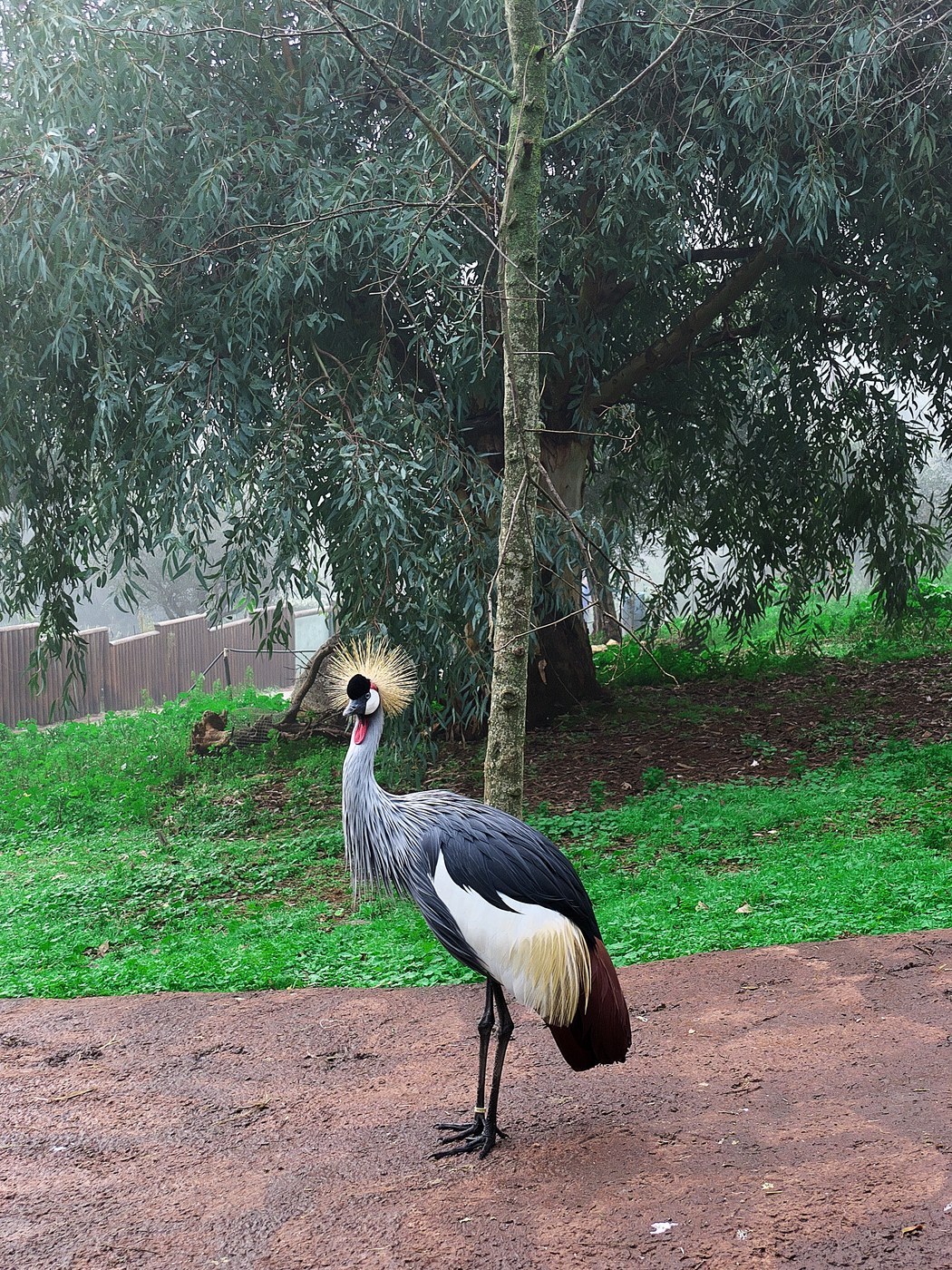
Grey Crowned Crane
Grey body feathers with white wing coverts, chestnut flight feathers, and stiff golden crown bristles
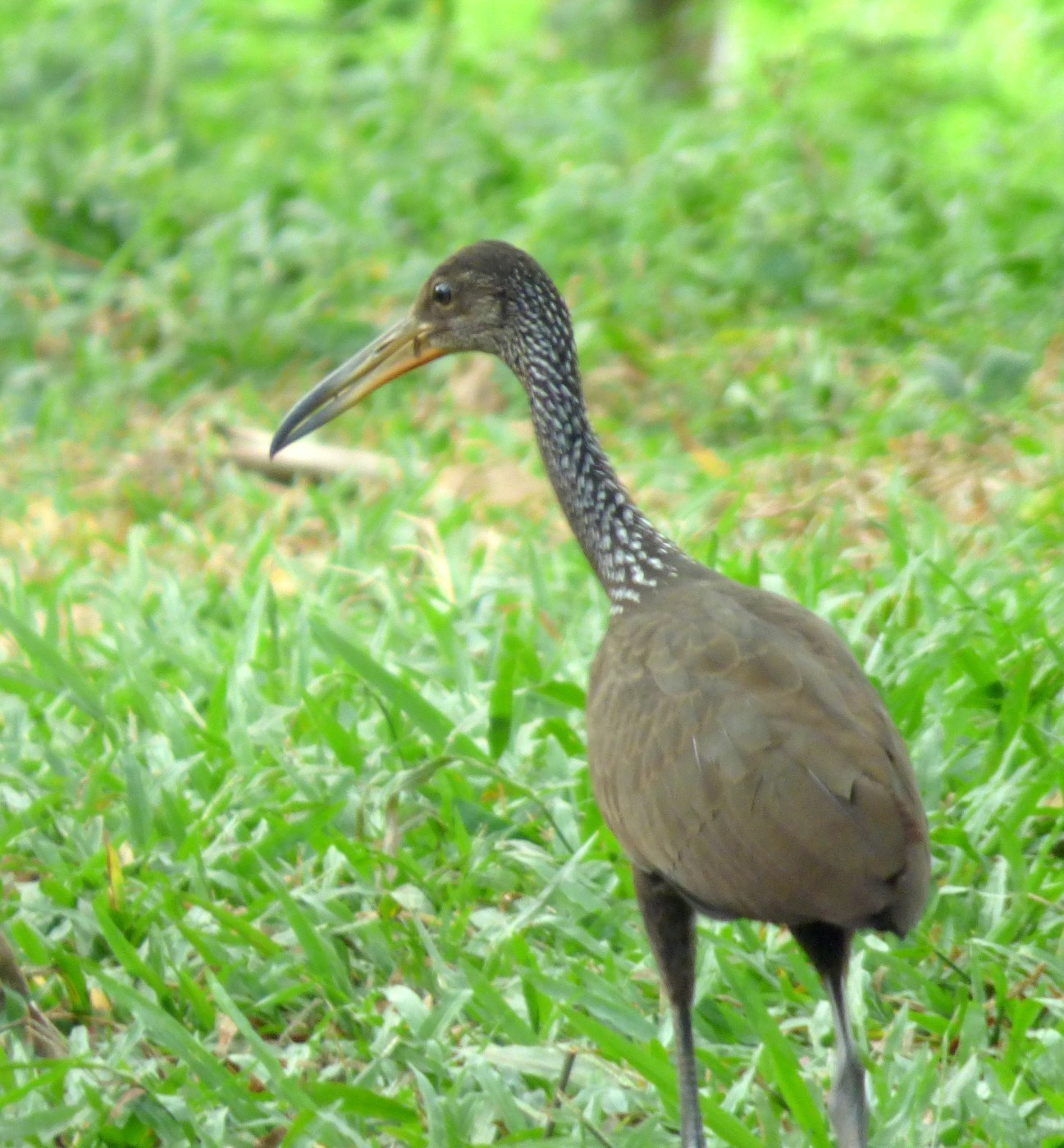
Limpkin
Brown contour feathers with white teardrop-shaped spots and streaks
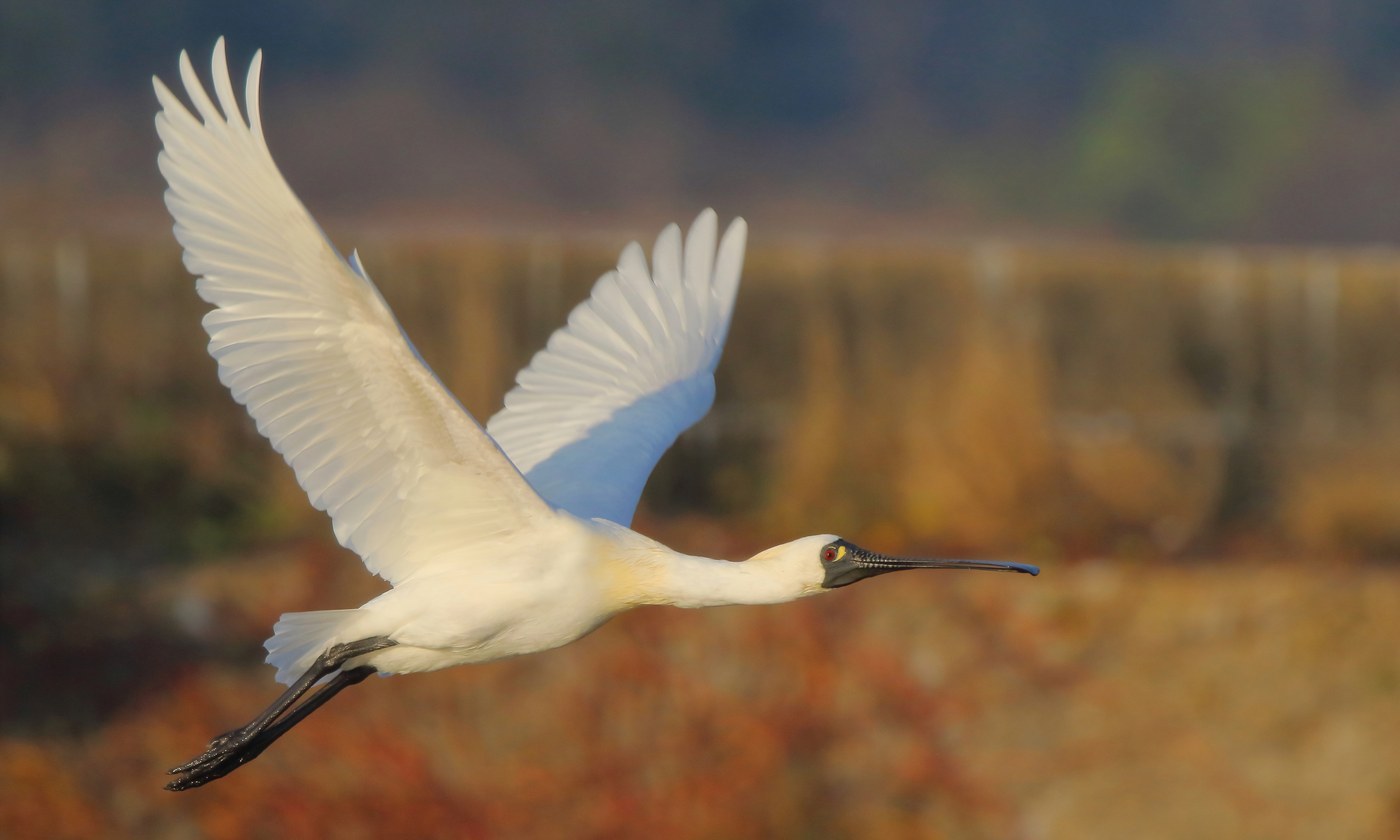
Black-faced Spoonbill
White contour and flight feathers with fine breeding crest and breast plumes
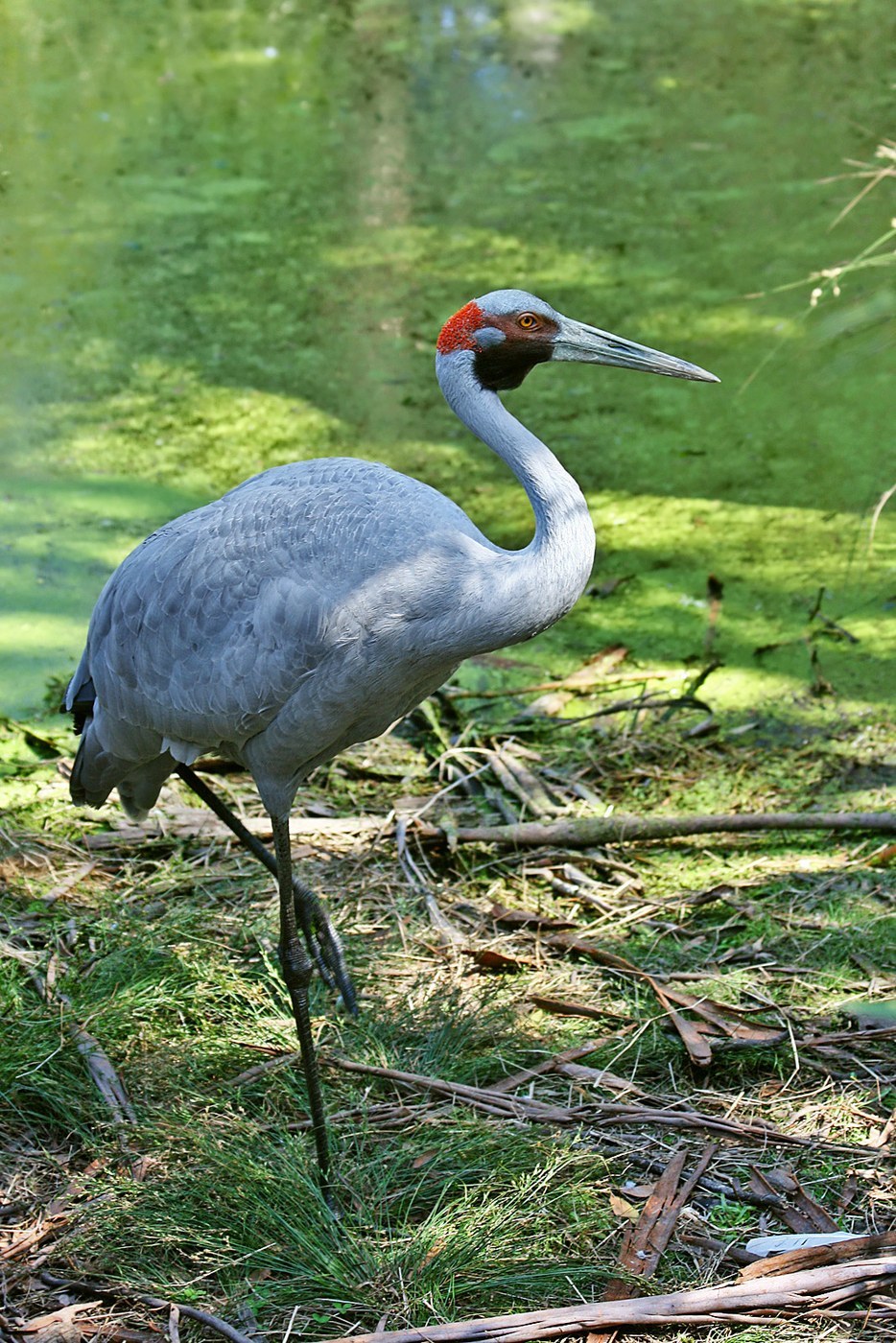
Brolga
Grey contour feathers with drooping bustle plumes
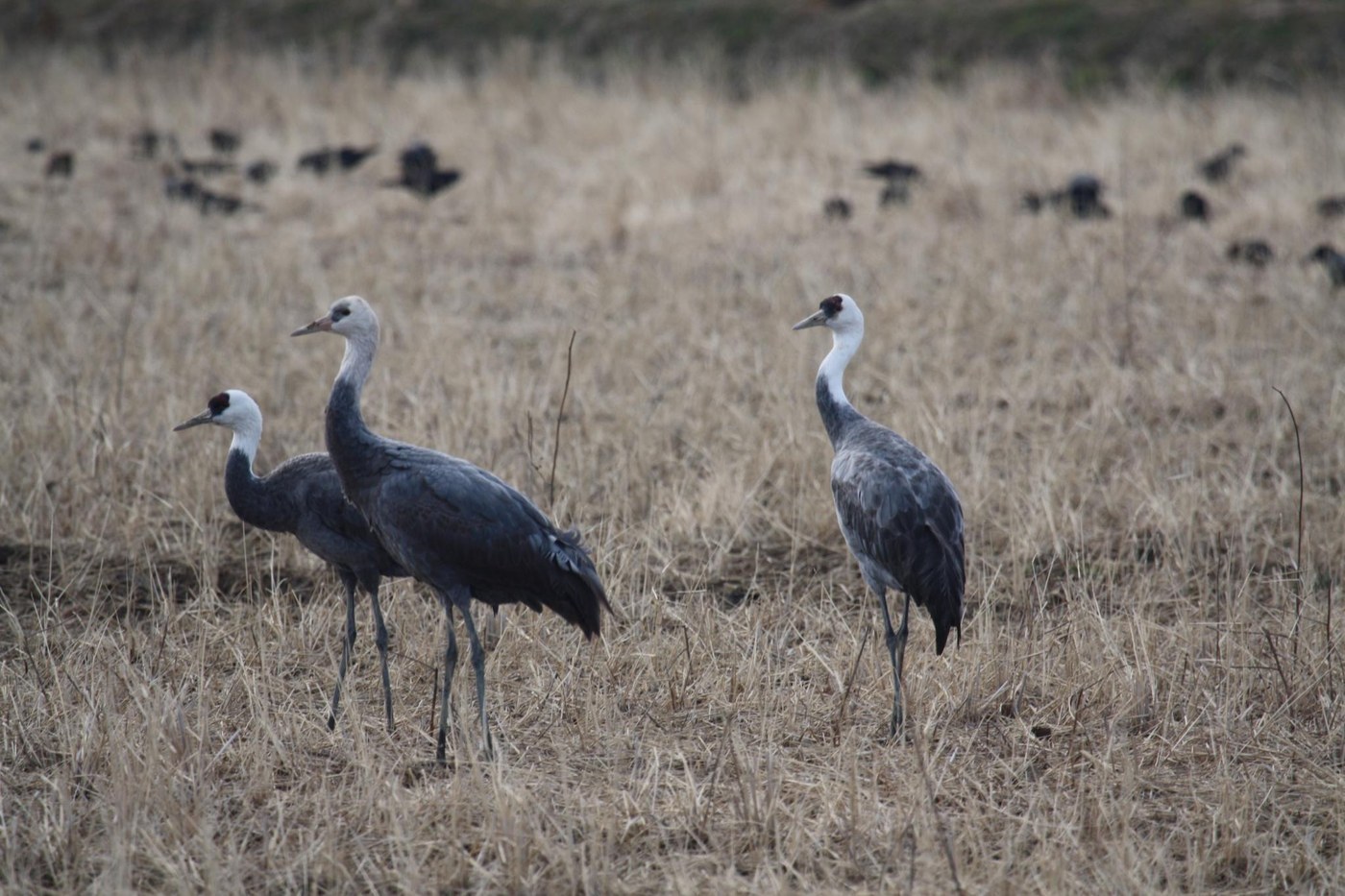
Hooded Crane
Dark slate-grey body feathers with a white head/upper neck 'hood' and black bustle plumes
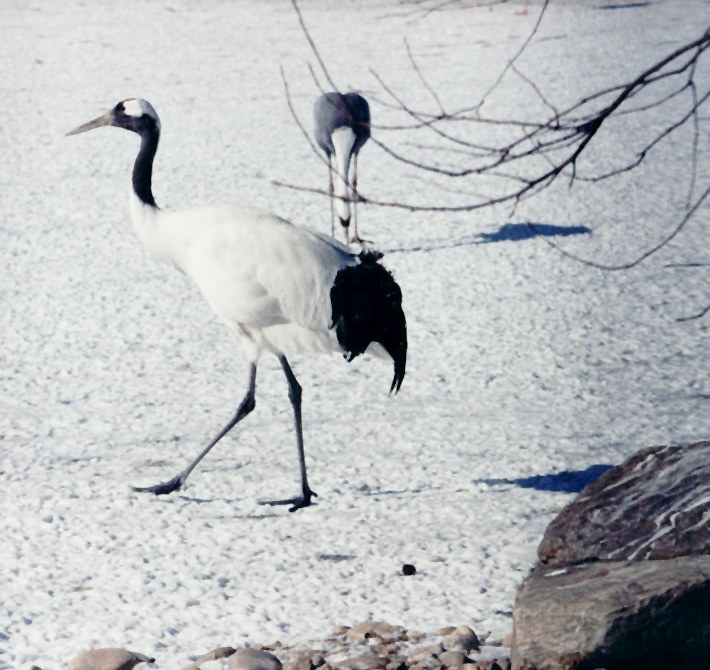
Red-crowned Crane
White contour feathers with black secondary/tertial bustle feathers and a bare red crown

Common Crane
Grey contour feathers with black head/neck feathers and drooping bustle plumes
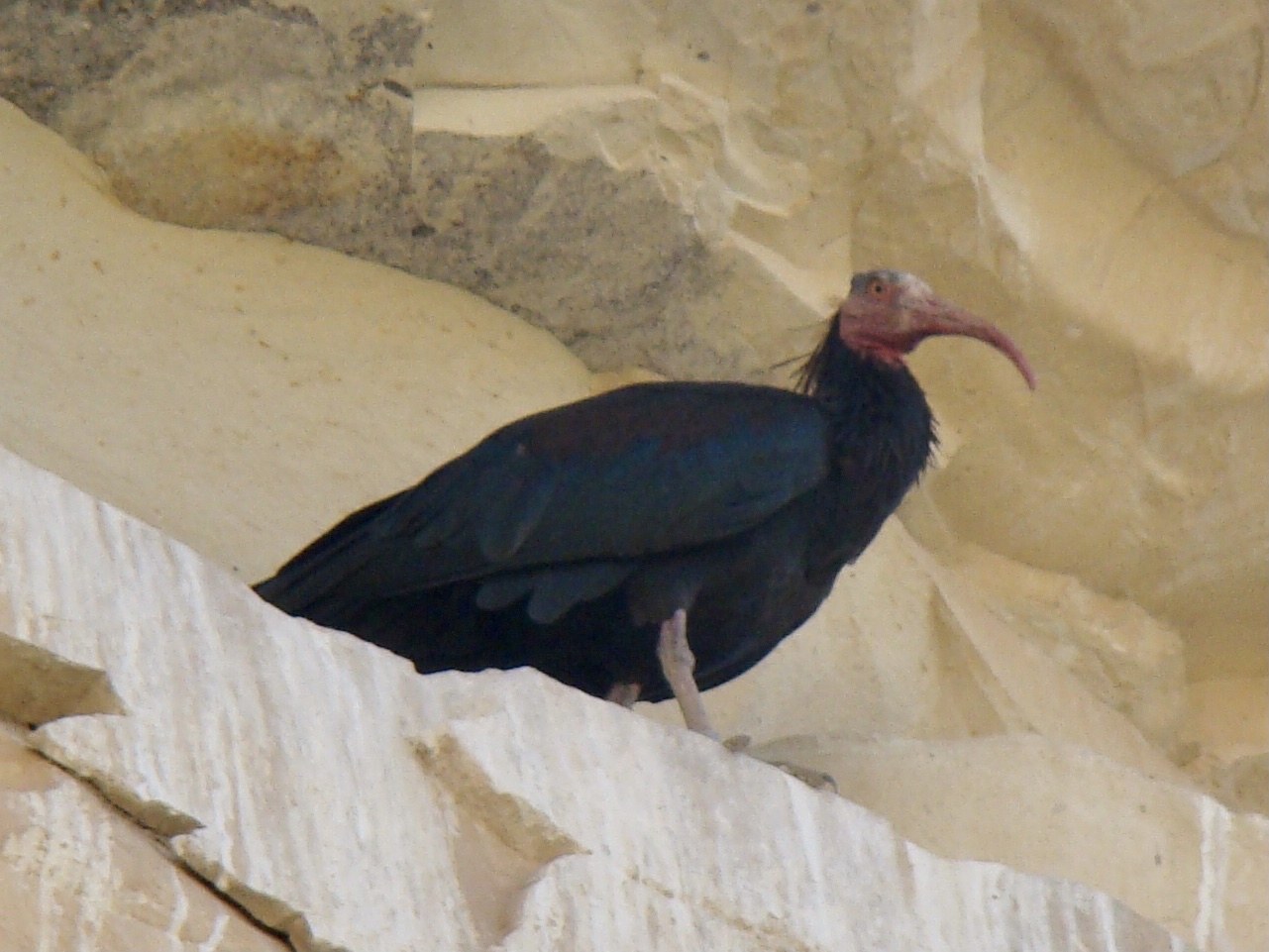
Northern Bald Ibis
Glossy black contour feathers with elongated nape plumes
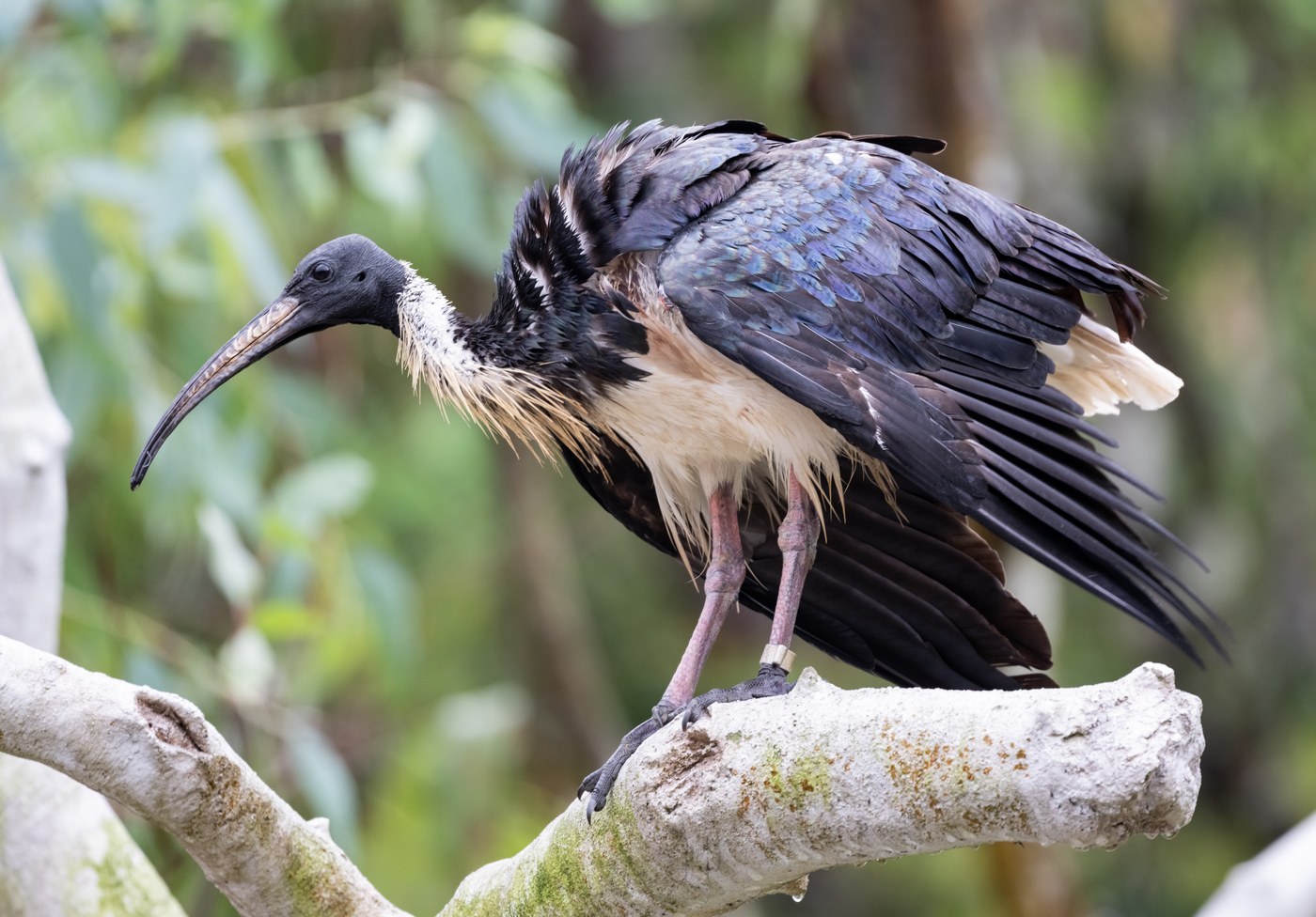
Straw-necked Ibis
Glossy contour feathers with unique straw-like neck plumes
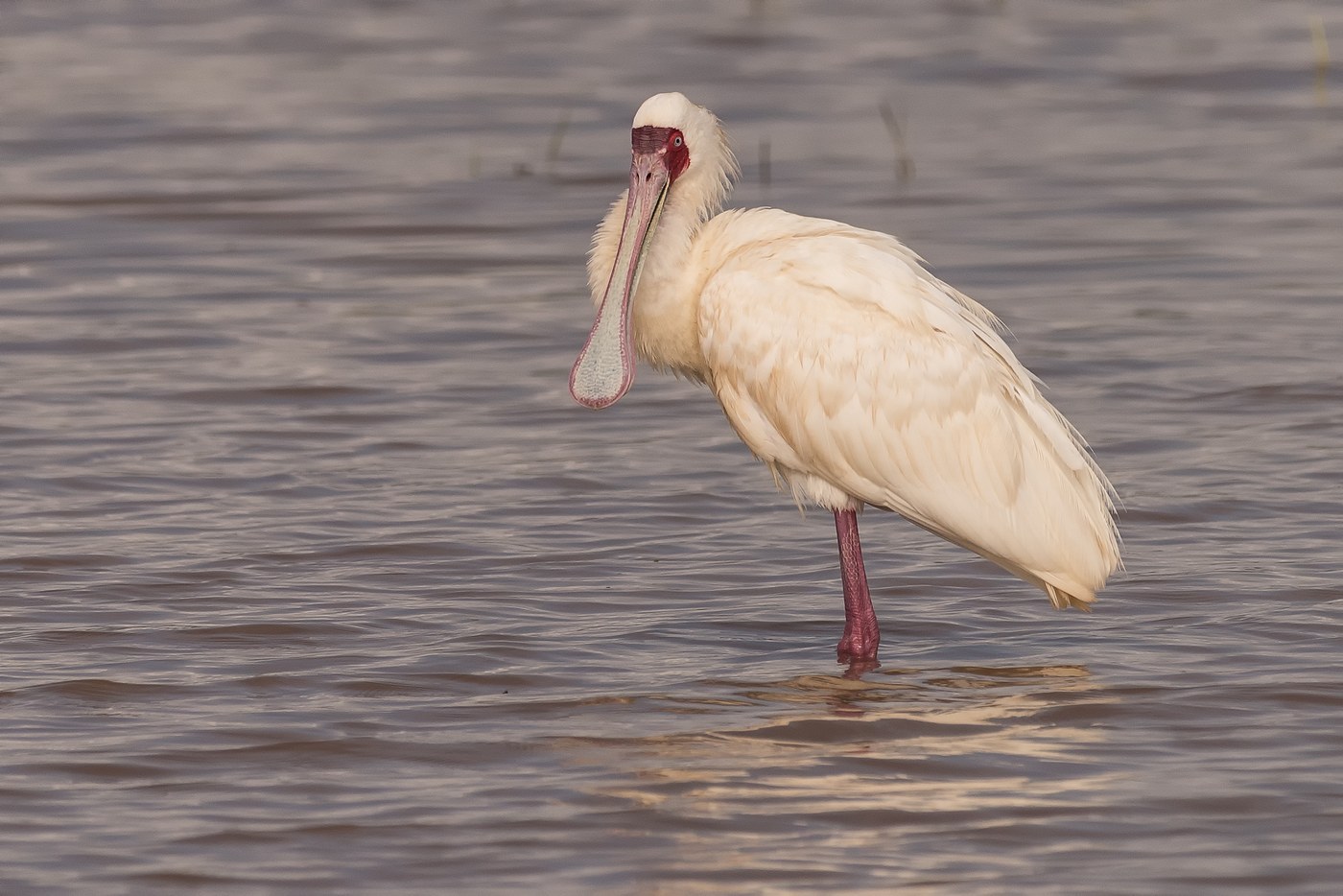
African Spoonbill
White contour and flight feathers, unmarked by black tips

Roseate Spoonbill
Pink and white contour and flight feathers with a carmine shoulder patch