
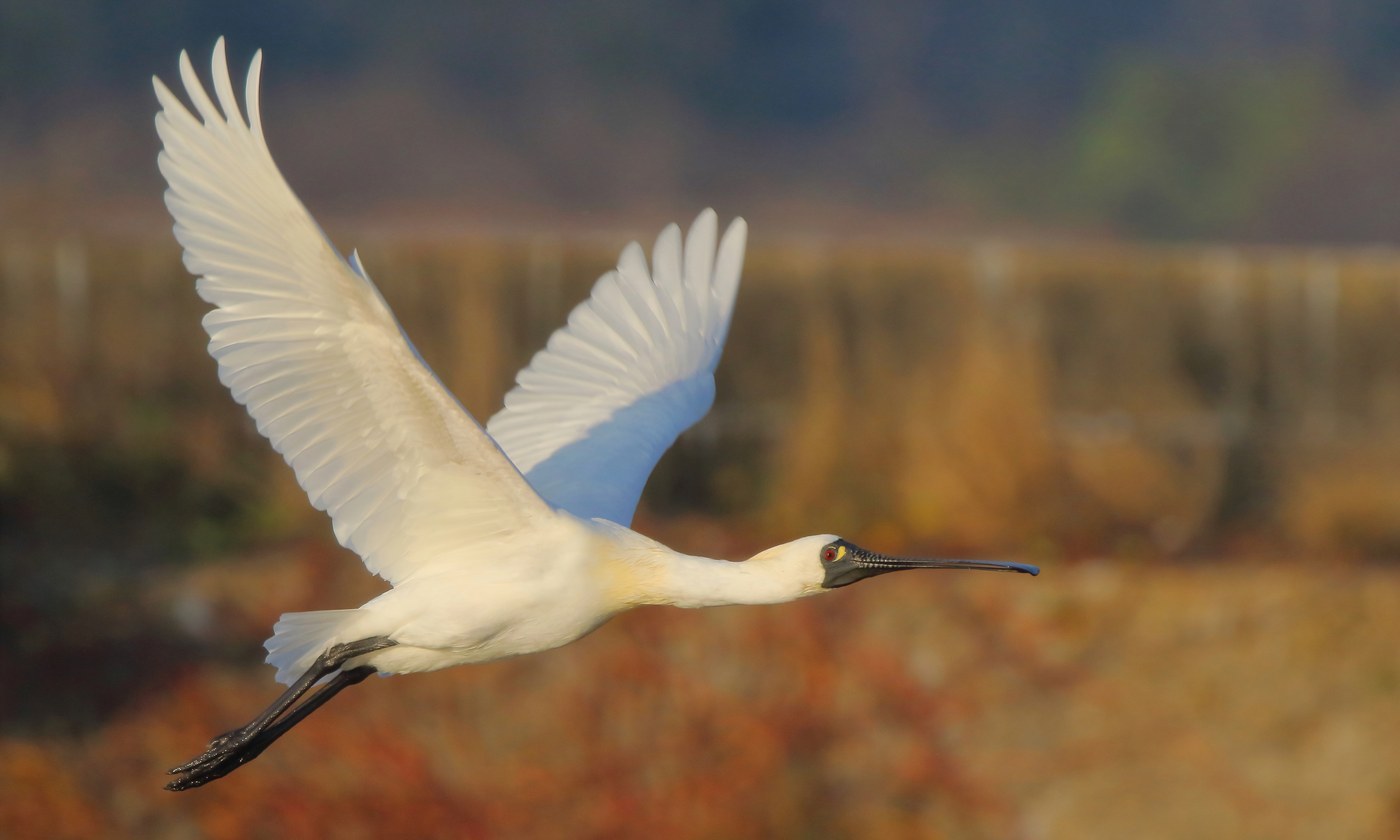
Black-faced Spoonbill
Platalea minor
The smallest and one of the rarest spoonbill species, an all-white East Asian wading bird with a black bare face and a slender black spoon-shaped bill.
- Feather type
- White contour and flight feathers with fine breeding crest and breast plumes
- Colours
- White overall with a black bare face and black bill
- Bird size
- Smallest spoonbill species, ~60-78 cm
Found a feather like this?
Identify any feather from a photo, free.
Overview
The Black-faced Spoonbill is the smallest of the world's spoonbill species, breeding on a small number of islands off the coast of the Korean Peninsula and wintering in coastal wetlands of Taiwan, mainland China, Japan, and Vietnam. Its all-black facial skin against white plumage sets it apart from other Asian wading birds, and coordinated international conservation efforts have helped its small population recover from very low numbers.
Identifying the Feather
- Body and flight feathers are entirely white, similar in tone to other spoonbill species, without black wingtips.
- Breeding plumage adds fine, elongated nape crest feathers and a pale yellow wash on the breast and crest, both regressing outside the breeding season.
- Overall body feather size is somewhat smaller than that of the Eurasian or Royal Spoonbill, reflecting its status as the smallest spoonbill species.
- The bare black facial skin means no feathers are found on the face itself, unlike fully feathered wading birds such as egrets.
- Distinguish from the Eurasian Spoonbill mainly by range (East Asia only) and generally smaller feather size.
Plumage & Molt
Adults are all white with bare black facial skin, developing a shaggy nape crest and buff-yellow wash on the breast and crest during the breeding season, both fading in non-breeding plumage. Sexes look similar. Juveniles show black tips on the primary flight feathers and lack the crest, gradually acquiring full adult features over a couple of years. Molt follows the breeding season on the Korean breeding islands.
Habitat & Range
Black-faced Spoonbills breed on a limited number of rocky islets off the west coast of the Korean Peninsula and winter along coastal wetlands, tidal flats, and estuaries in Taiwan, mainland China, Japan, and parts of Southeast Asia. The species is fully migratory, undertaking a coastal East Asian flyway migration between breeding and wintering grounds.
Behavior & Field Notes
This spoonbill forages in shallow tidal flats and estuarine wetlands, sweeping its bill side to side to detect small fish and aquatic invertebrates by touch, often roosting and foraging in tight flocks at wintering sites. It nests colonially on predator-free offshore islands, building simple stick nests among rocks or low vegetation. It is generally quiet outside the breeding colony. Because of its small global population concentrated in a few key sites, coordinated monitoring and habitat protection across its flyway have been central to its recovery.
Frequently asked questions
How can you tell a Black-faced Spoonbill feather from other spoonbill feathers?
It is generally smaller than Eurasian or Royal Spoonbill feathers and comes only from East Asian coastal habitats, though the plain white coloration is similar across species.
Why is this species considered special among spoonbills?
It is the smallest spoonbill species and one of the rarest, breeding on only a handful of islands.
Is the Black-faced Spoonbill migratory?
Yes, it migrates between breeding islands off Korea and wintering wetlands in Taiwan, China, Japan, and Southeast Asia.
Do juveniles look different from adults?
Juveniles show black tips on the primary flight feathers and lack the breeding crest, unlike adults.
Black-faced Spoonbill guides
In-depth guides for identifying and understanding Black-faced Spoonbill.

Other feathers you may enjoy

Yellow-billed Spoonbill
White contour and flight feathers with fine breeding plumes on the back and breast
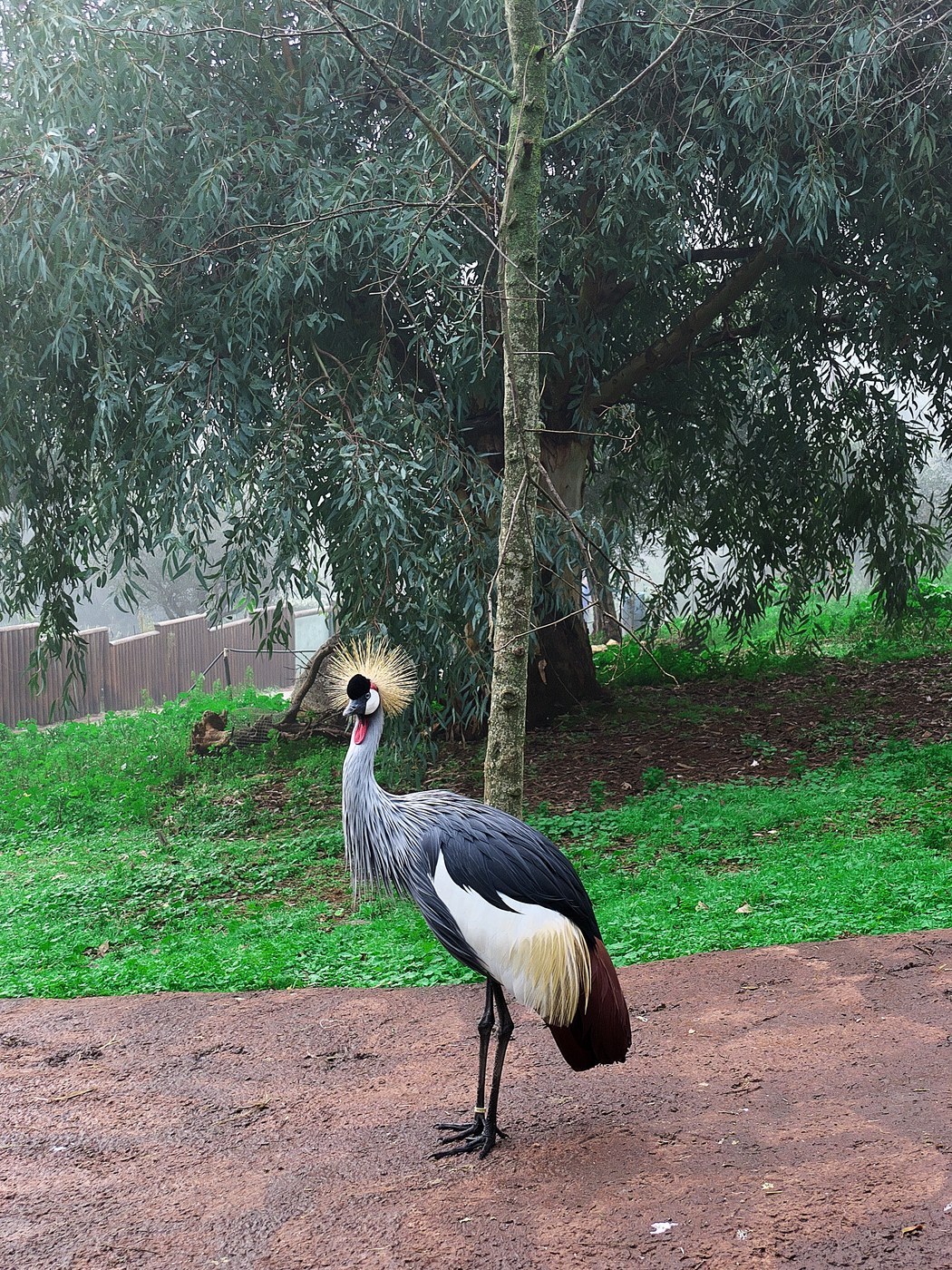
Grey Crowned Crane
Grey body feathers with white wing coverts, chestnut flight feathers, and stiff golden crown bristles
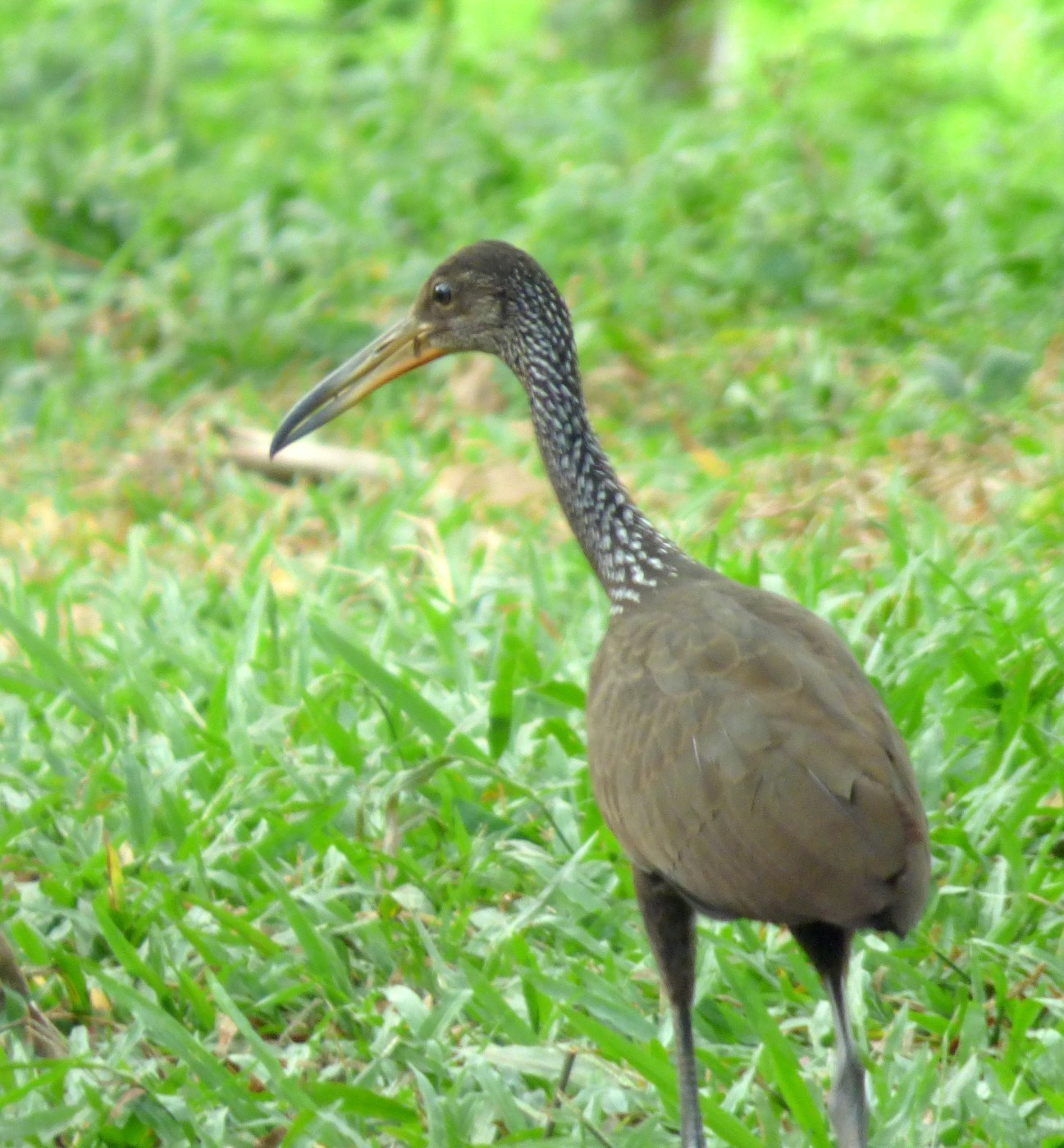
Limpkin
Brown contour feathers with white teardrop-shaped spots and streaks
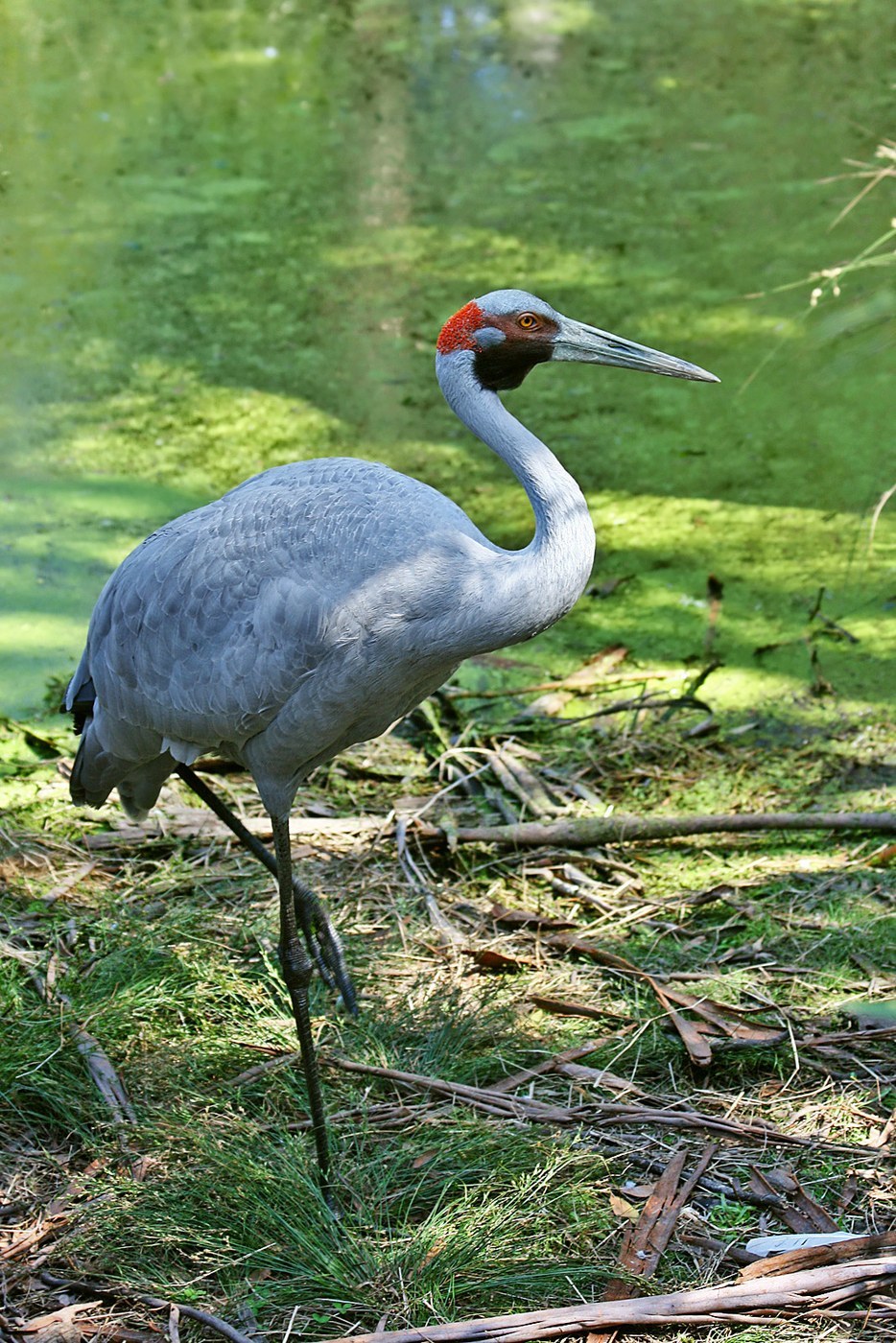
Brolga
Grey contour feathers with drooping bustle plumes
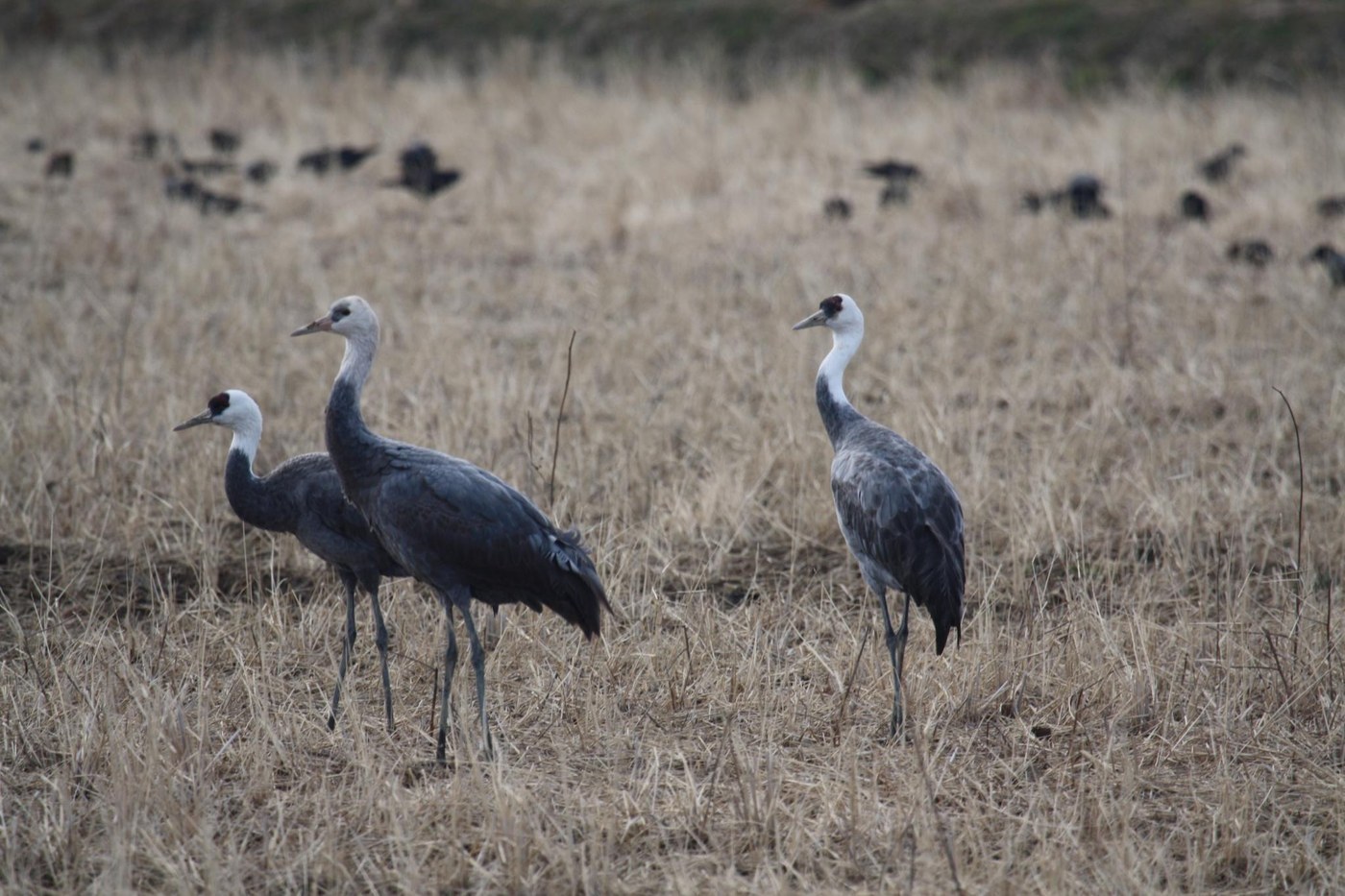
Hooded Crane
Dark slate-grey body feathers with a white head/upper neck 'hood' and black bustle plumes
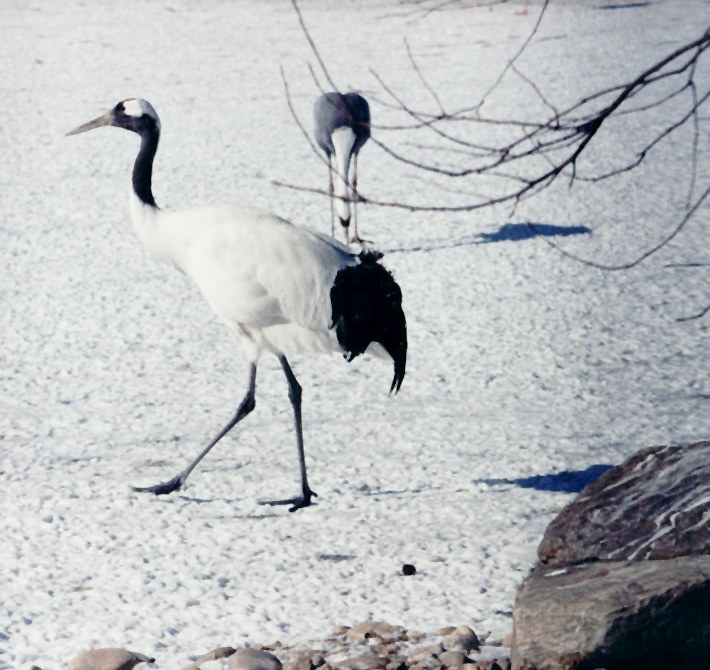
Red-crowned Crane
White contour feathers with black secondary/tertial bustle feathers and a bare red crown

Common Crane
Grey contour feathers with black head/neck feathers and drooping bustle plumes
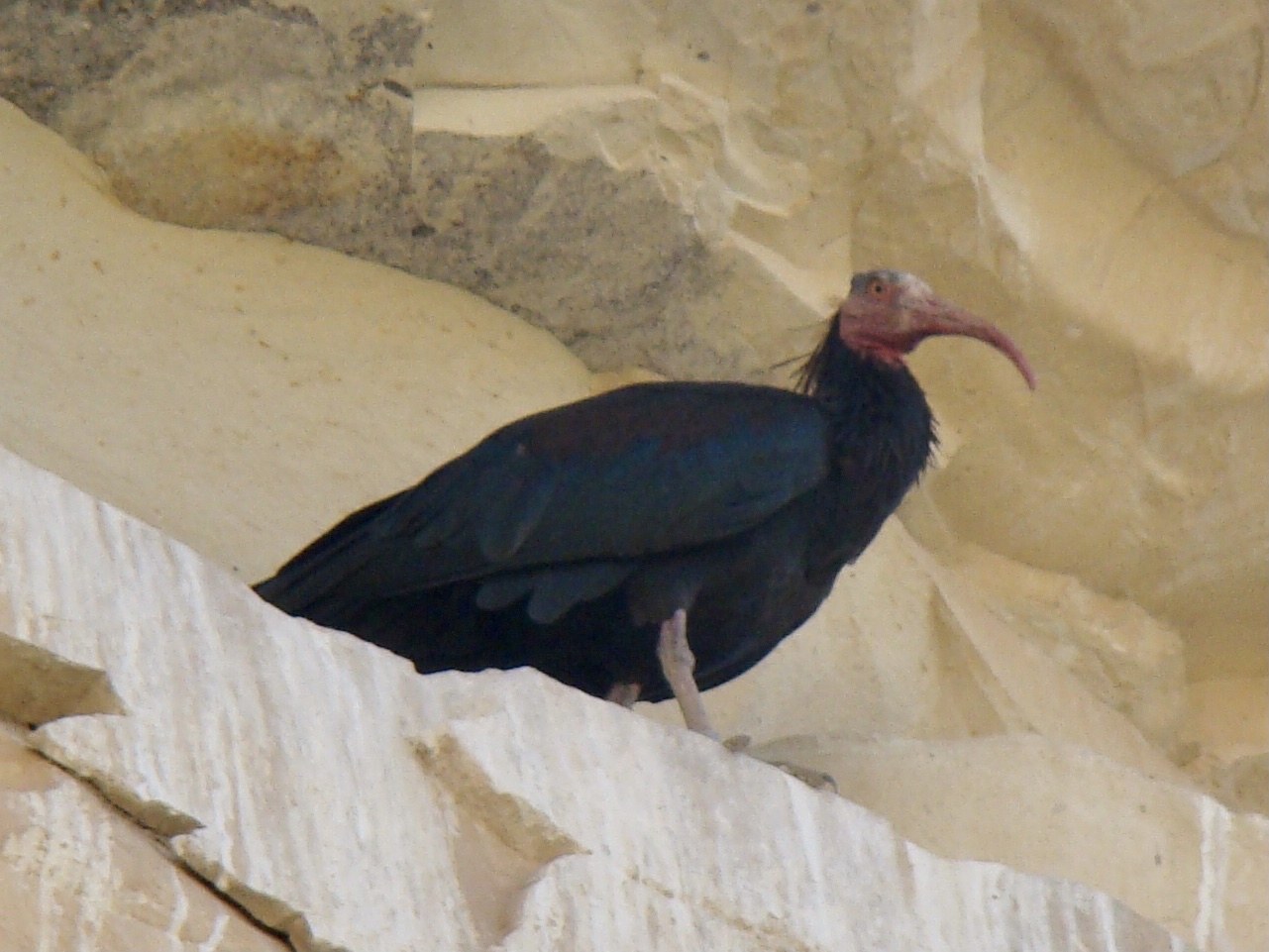
Northern Bald Ibis
Glossy black contour feathers with elongated nape plumes
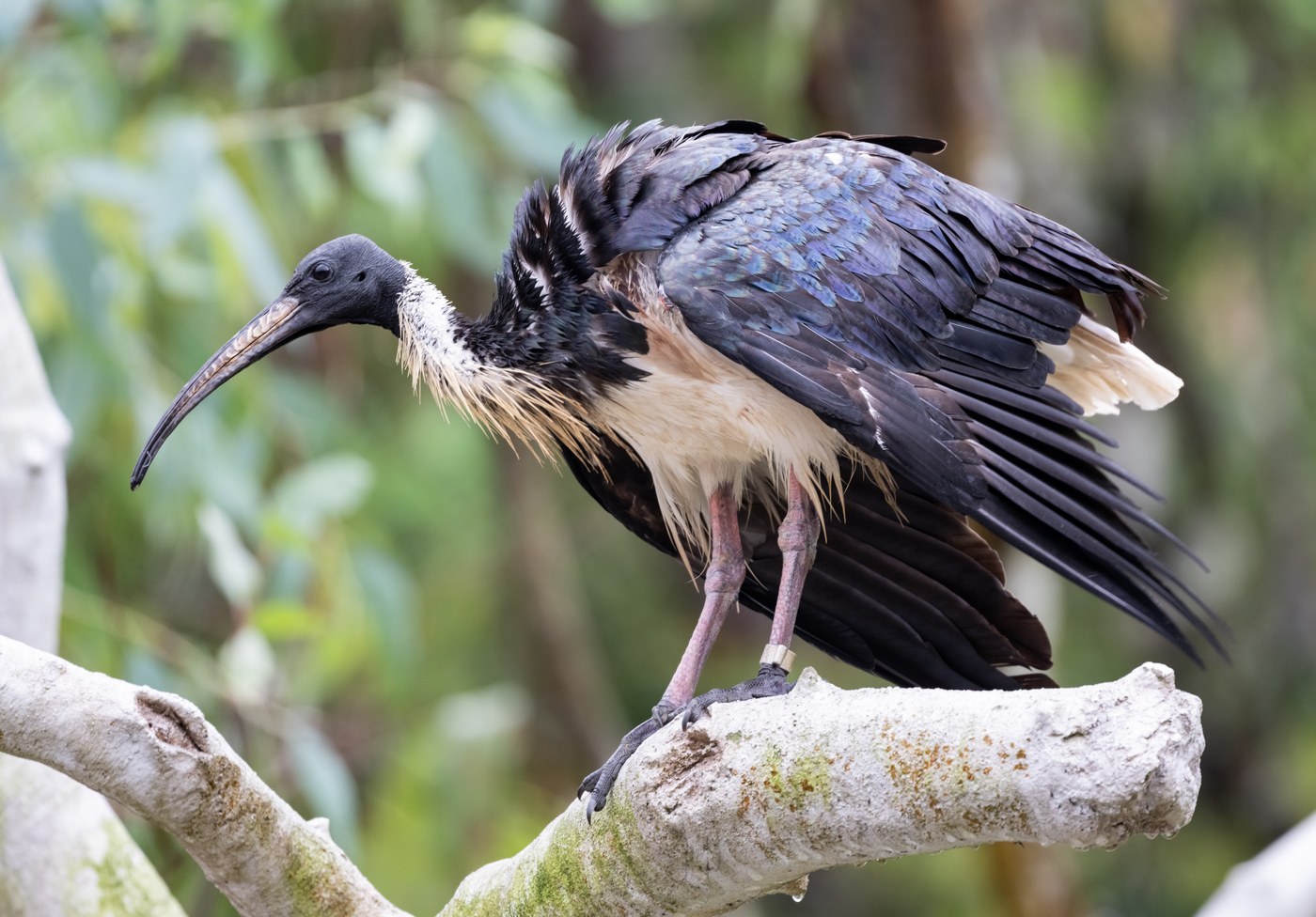
Straw-necked Ibis
Glossy contour feathers with unique straw-like neck plumes
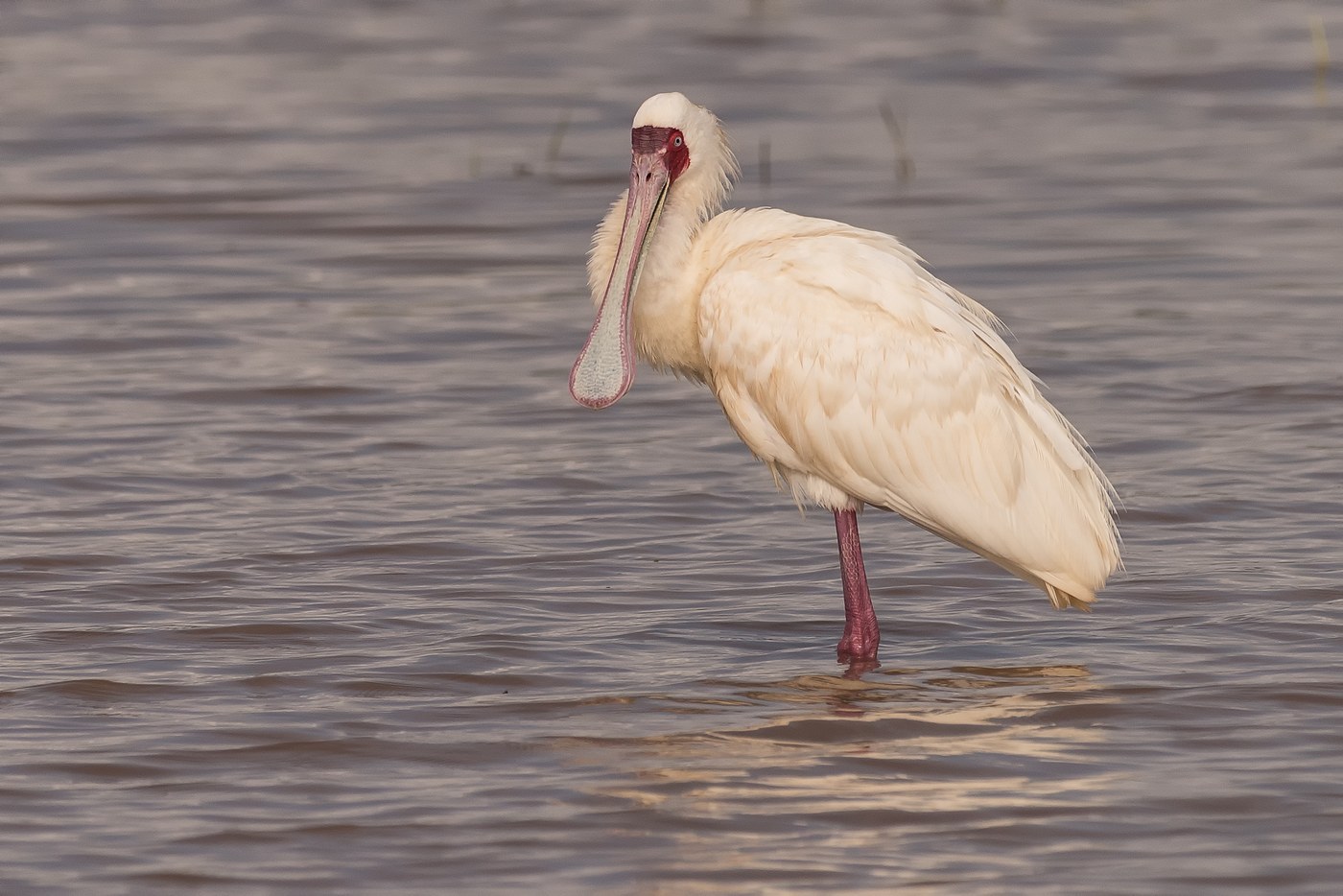
African Spoonbill
White contour and flight feathers, unmarked by black tips

Roseate Spoonbill
Pink and white contour and flight feathers with a carmine shoulder patch
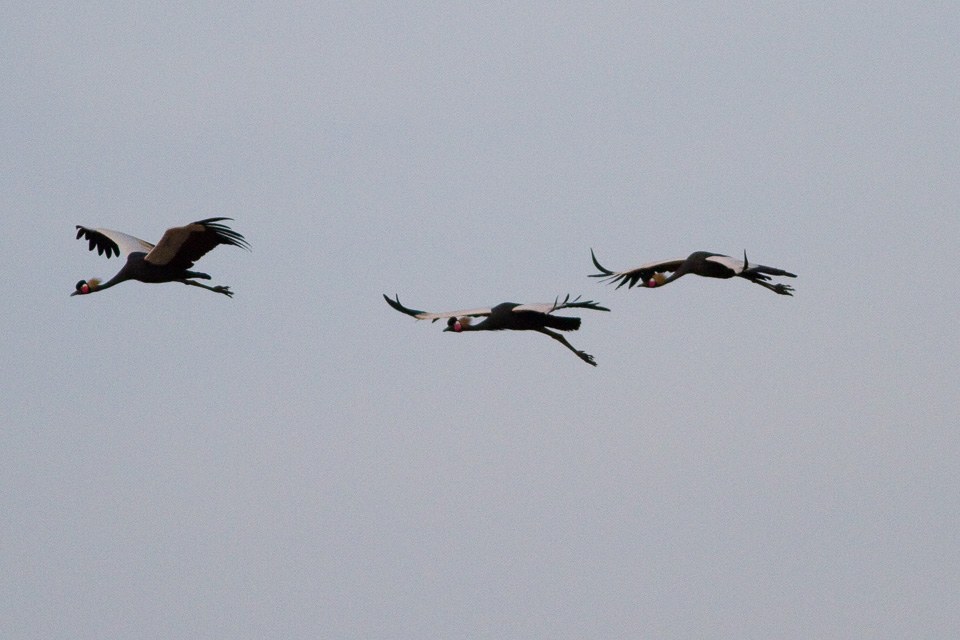
Black Crowned Crane
Dark grey-black body feathers with white wing coverts, chestnut flight feathers, and stiff golden crown bristles