

Common Crane
Grus grus
A widespread Eurasian crane with slate-grey plumage, a black-and-white striped head and neck, and drooping tertial plumes that form a bustle over the tail.
- Feather type
- Grey contour feathers with black head/neck feathers and drooping bustle plumes
- Colours
- Slate-grey overall with a black-and-white head/neck pattern and a red crown
- Bird size
- Very large crane, ~100-130 cm tall
Found a feather like this?
Identify any feather from a photo, free.
Overview
The Common Crane, also called the Eurasian Crane, breeds across a broad swath of northern and eastern Europe and Asia, migrating in large, vocal flocks to wintering grounds in southern Europe, North Africa, and parts of Asia. Its overall slate-grey plumage is set off by a bold black-and-white head and neck pattern and a small patch of bare red skin on the crown, along with the drooping tertial bustle typical of large cranes.
Identifying the Feather
- Body feathers are slate-grey, generally more uniform in tone than the sometimes rust-stained feathers of the Sandhill Crane.
- Head and neck feathers are strikingly patterned in black and white, with a white stripe running from behind the eye down the side of the neck, distinct from the plainer grey neck of the Sandhill Crane.
- Tertial (bustle) feathers are long, drooping, and grey with darker tips, curling over the tail in standing birds.
- The bare red crown patch interrupts feathering at the top of the head.
- Distinguish from the Demoiselle Crane, which is smaller with longer white ear-plumes and a fully black neck and breast rather than a black-and-white striped pattern.
Plumage & Molt
Adults are slate-grey with a black face, throat, and foreneck, a white stripe from behind the eye to the nape, a red bare crown patch, and elongated drooping tertial bustle feathers. Sexes look alike. Juveniles have a feathered, brownish-grey head lacking the bold black-and-white pattern and red crown, which develop over the first year or so as the bird matures. Molt follows breeding, with adults undergoing a flightless period during wing molt in some breeding seasons.
Habitat & Range
Common Cranes breed across a wide range from Scandinavia and Central Europe through Russia and parts of Asia, typically in bogs, wet meadows, and forested wetlands. They are strongly migratory, forming large flocks that travel to wintering grounds in Spain, France, North Africa, the Middle East, and parts of East Asia, with major migratory staging sites used year after year.
Behavior & Field Notes
This crane forages in wetlands and adjacent farmland, taking a varied diet of plant material, grain, and small invertebrates. It nests on the ground in wet, secluded areas, usually laying two eggs. Its call is a loud, trumpeting bugle, produced with the aid of an elongated, coiled windpipe, and flocks are often heard calling overhead during migration long before they are seen. Group dancing displays involving jumping, wing-spreading, and bowing occur both in courtship and in non-breeding social flocks.
Frequently asked questions
How can you identify a Common Crane feather?
Look for slate-grey body feathers combined with black-and-white head/neck feathering and drooping grey tertial bustle plumes.
How does it differ from a Sandhill Crane feather?
Common Crane feathers show a bolder black-and-white head/neck pattern, while Sandhill Crane feathers are more uniformly grey and can appear rust-stained.
Is the Common Crane migratory?
Yes, it undertakes long migrations between northern breeding grounds and southern wintering areas, often in large, vocal flocks.
Do juveniles look different from adults?
Juveniles lack the bold black-and-white head pattern and red crown, having a plainer brownish-grey head instead.
Common Crane guides
In-depth guides for identifying and understanding Common Crane.

Other feathers you may enjoy

Yellow-billed Spoonbill
White contour and flight feathers with fine breeding plumes on the back and breast
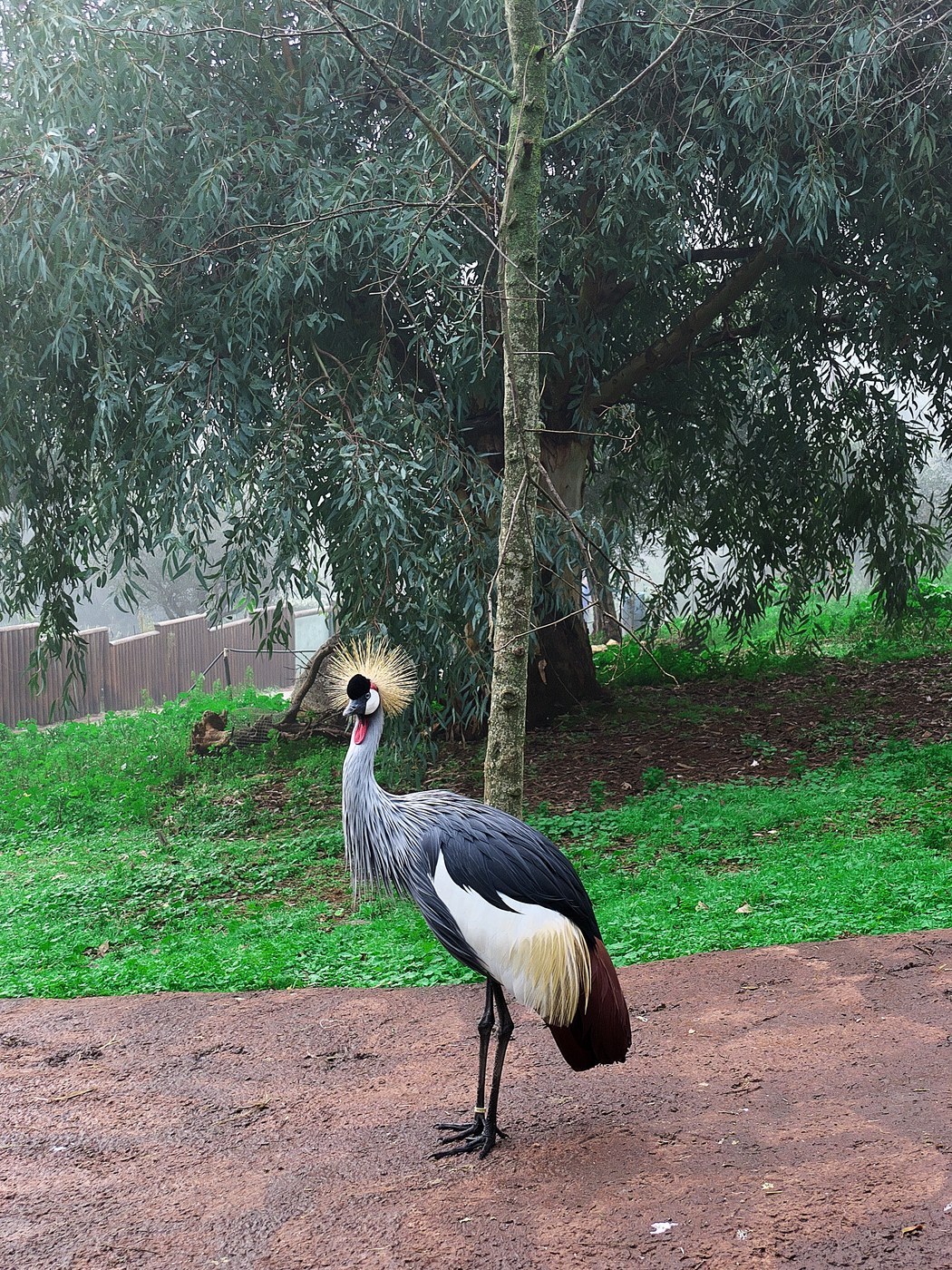
Grey Crowned Crane
Grey body feathers with white wing coverts, chestnut flight feathers, and stiff golden crown bristles
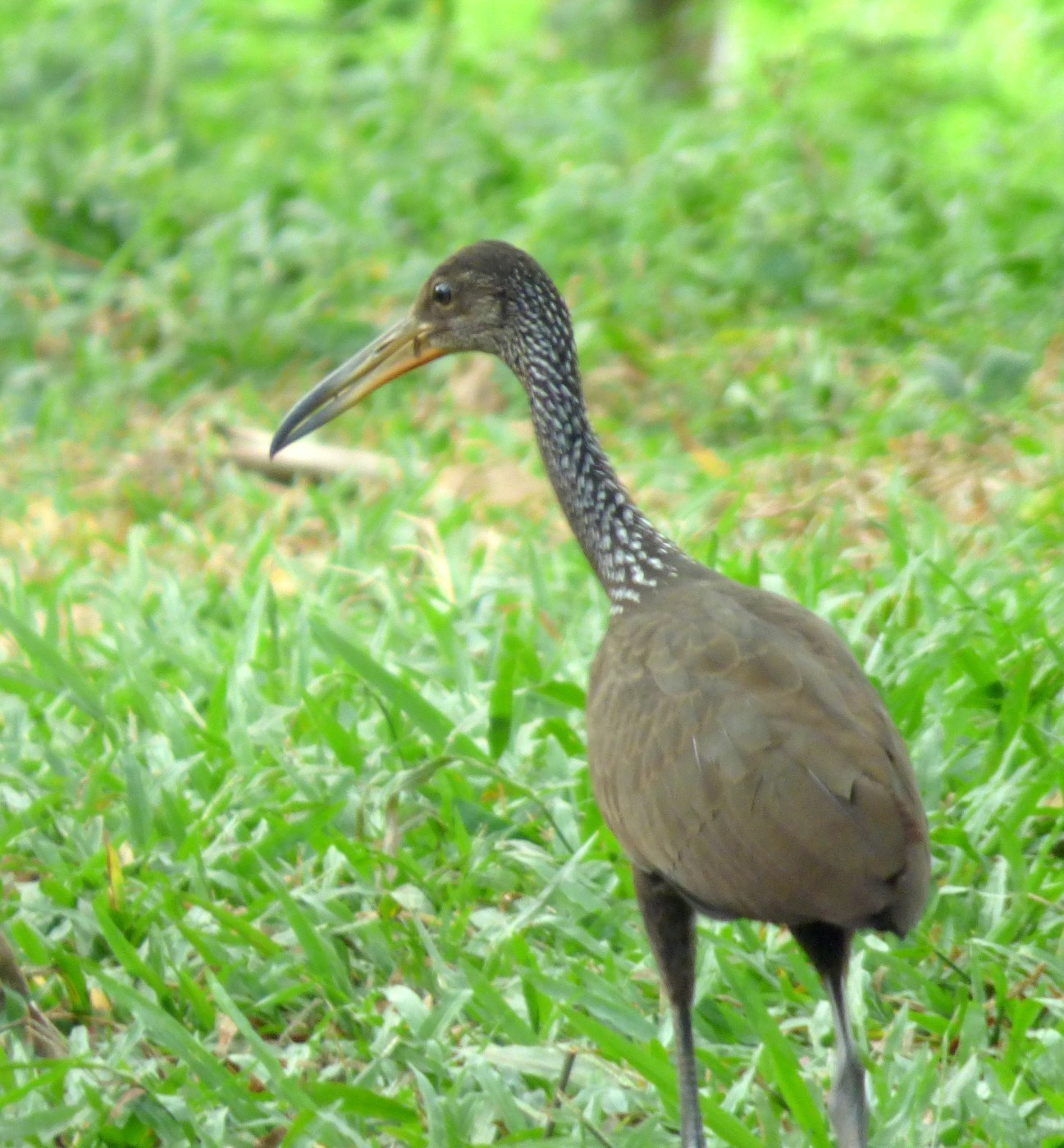
Limpkin
Brown contour feathers with white teardrop-shaped spots and streaks
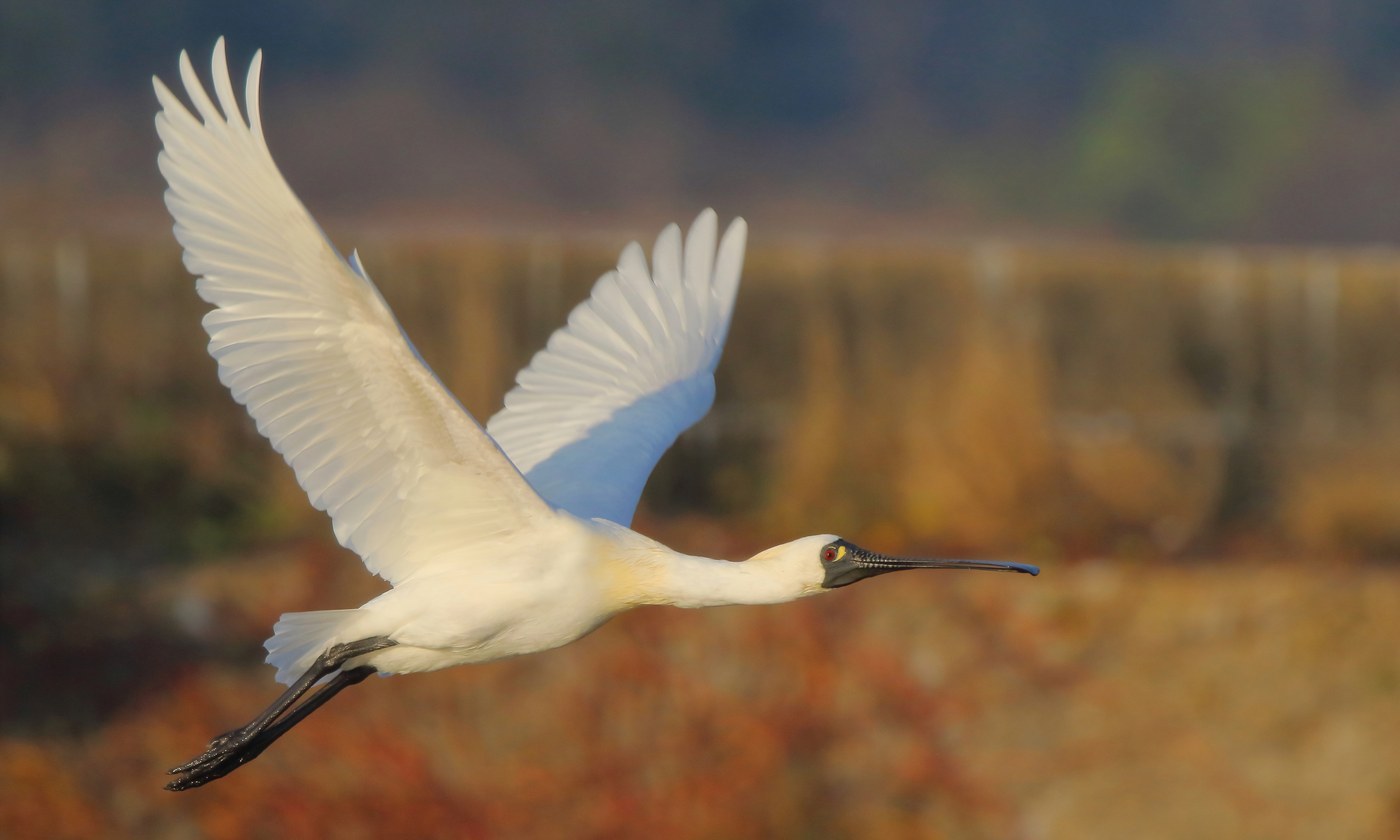
Black-faced Spoonbill
White contour and flight feathers with fine breeding crest and breast plumes
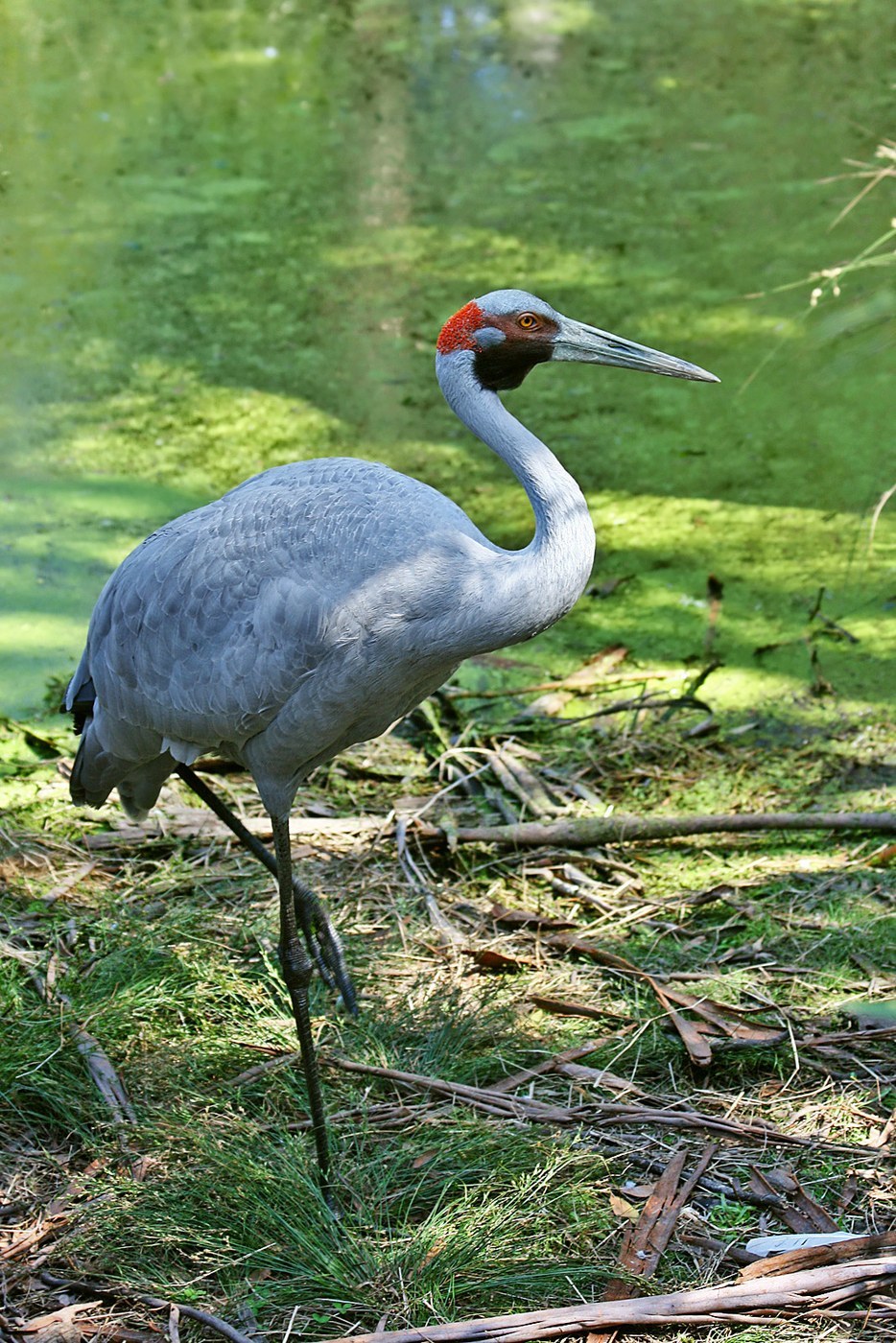
Brolga
Grey contour feathers with drooping bustle plumes
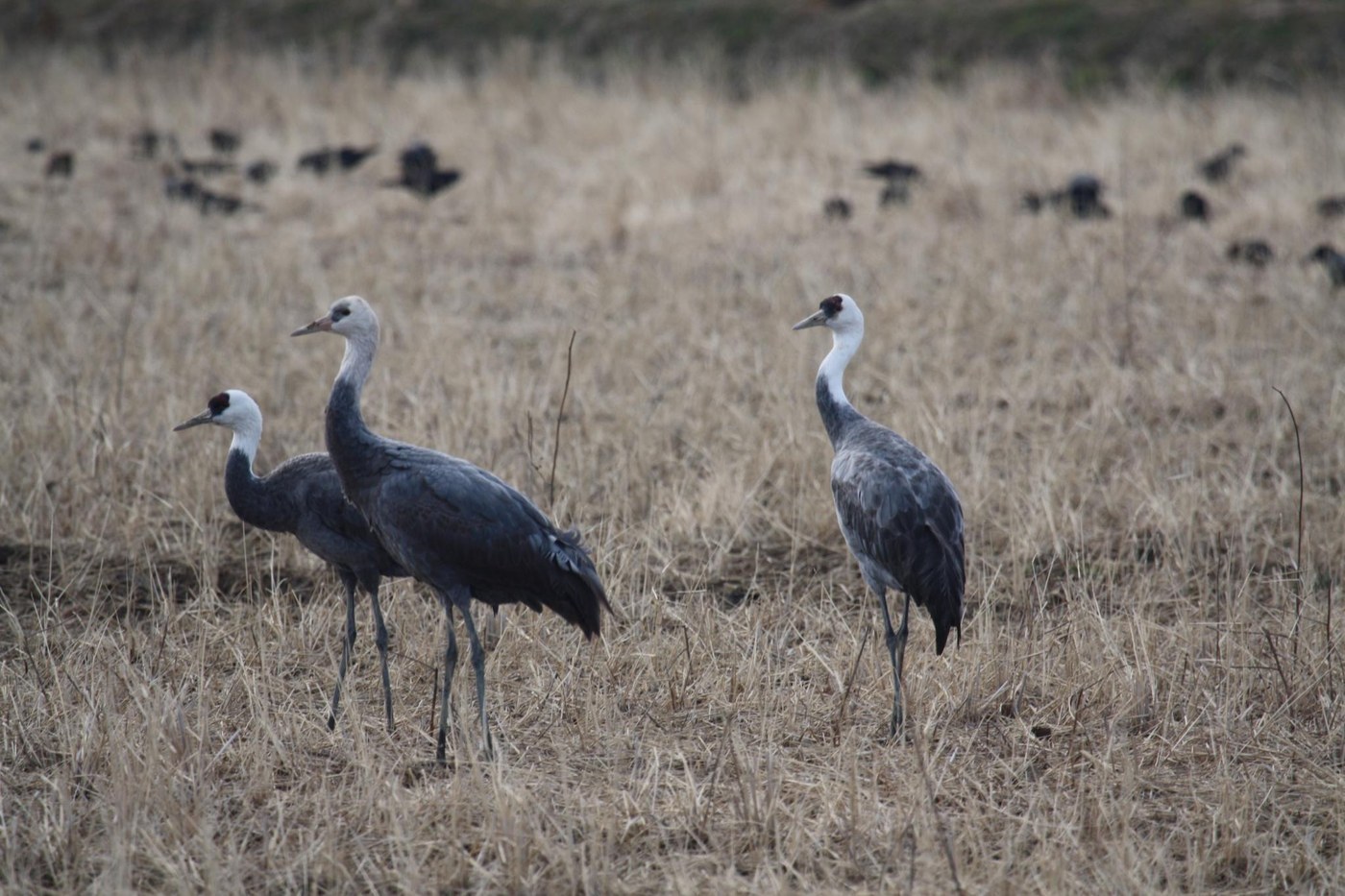
Hooded Crane
Dark slate-grey body feathers with a white head/upper neck 'hood' and black bustle plumes
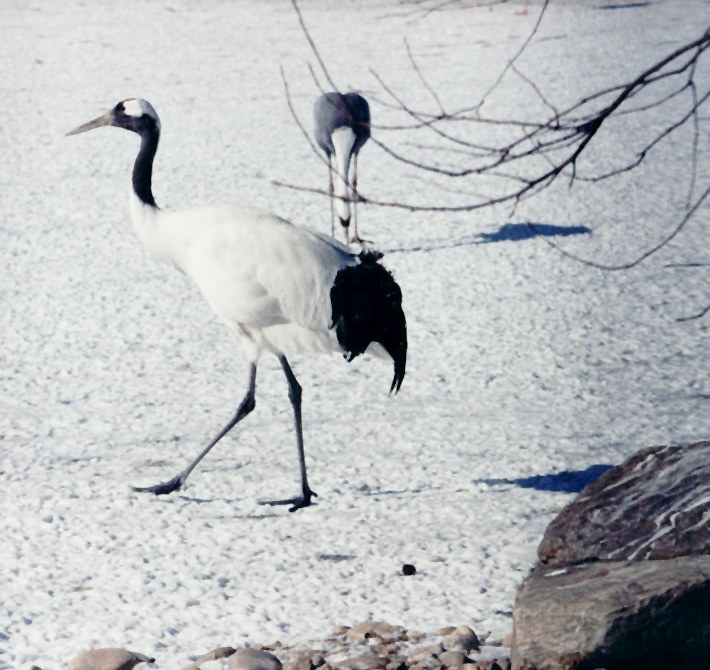
Red-crowned Crane
White contour feathers with black secondary/tertial bustle feathers and a bare red crown
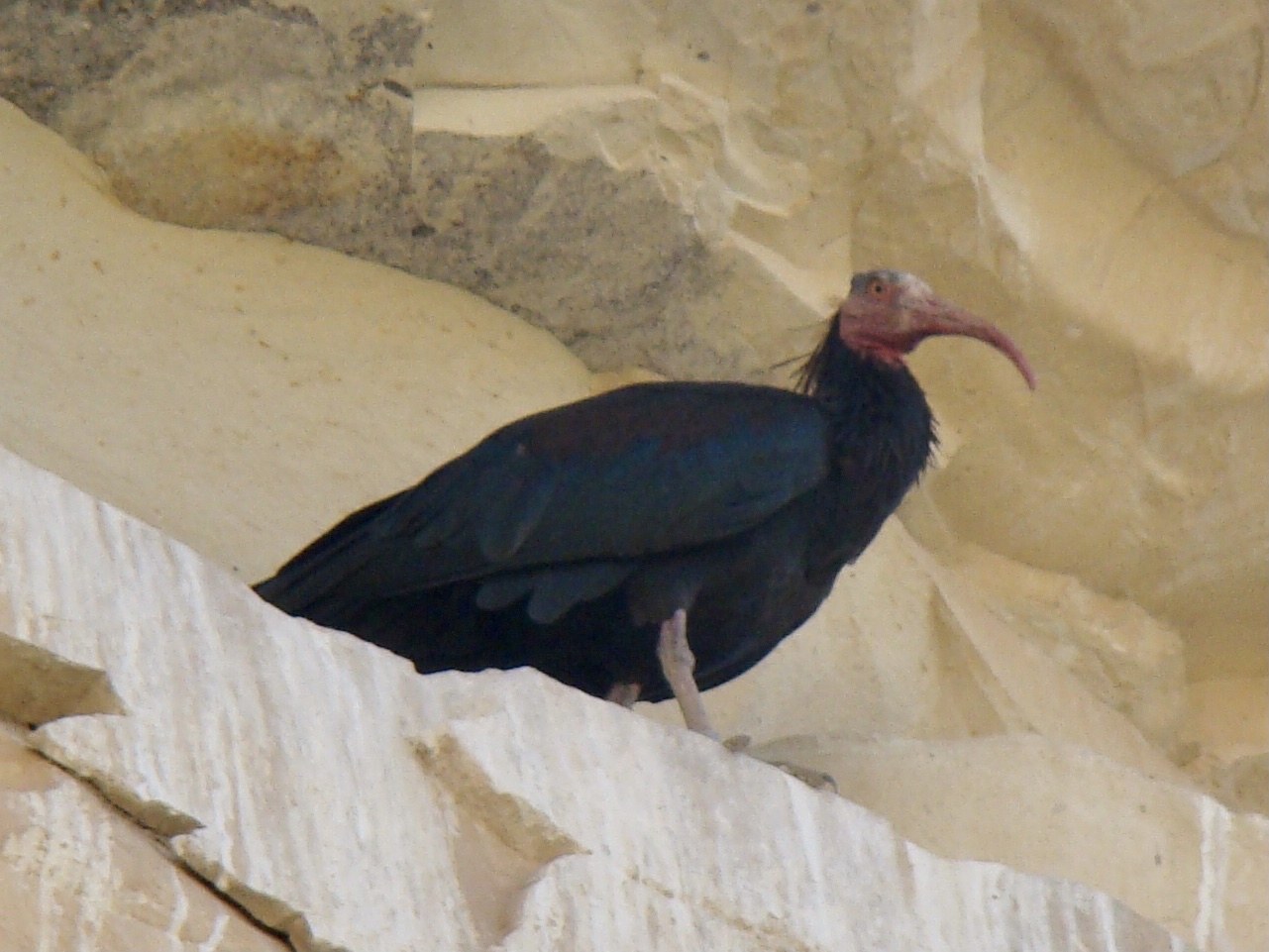
Northern Bald Ibis
Glossy black contour feathers with elongated nape plumes
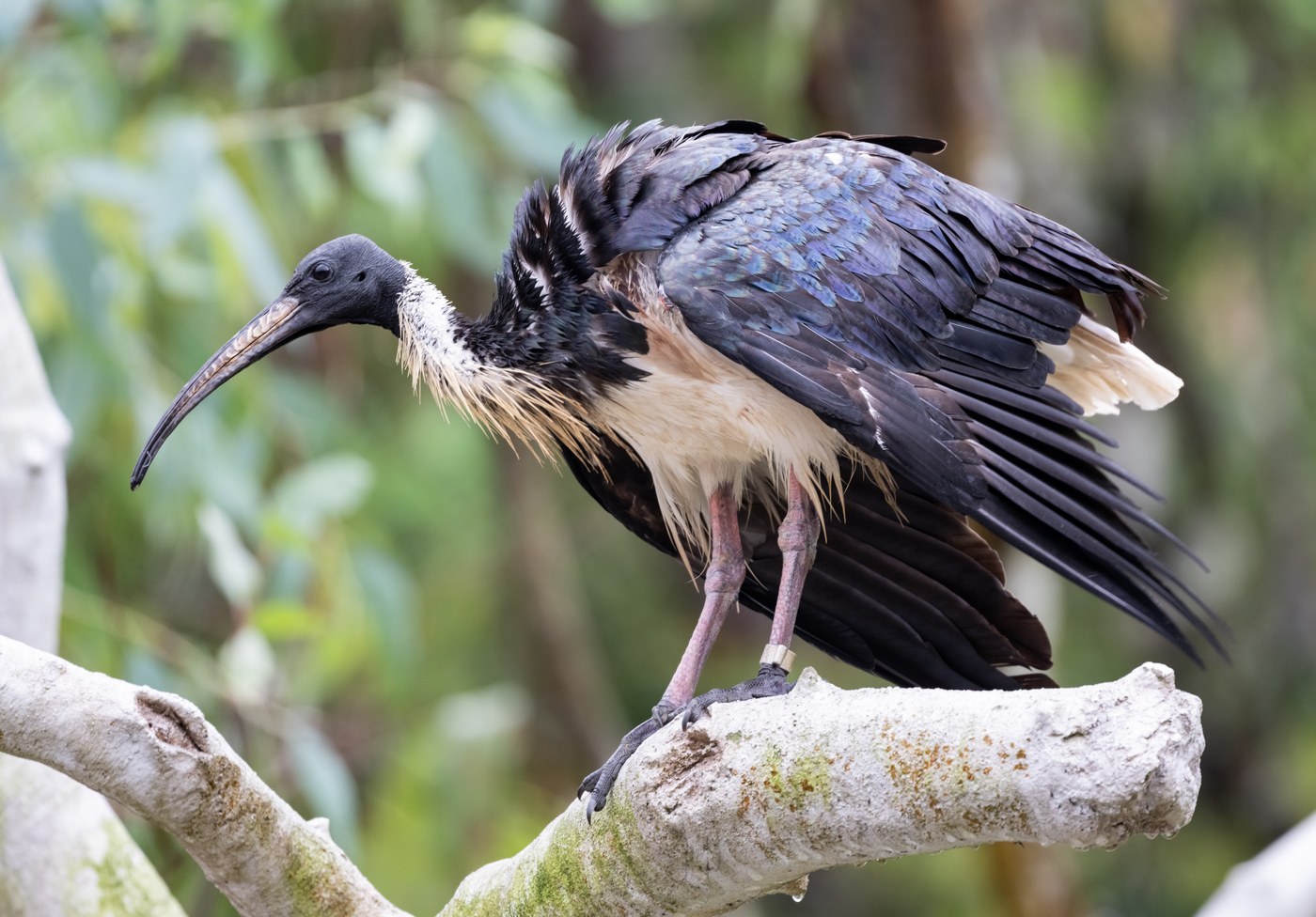
Straw-necked Ibis
Glossy contour feathers with unique straw-like neck plumes
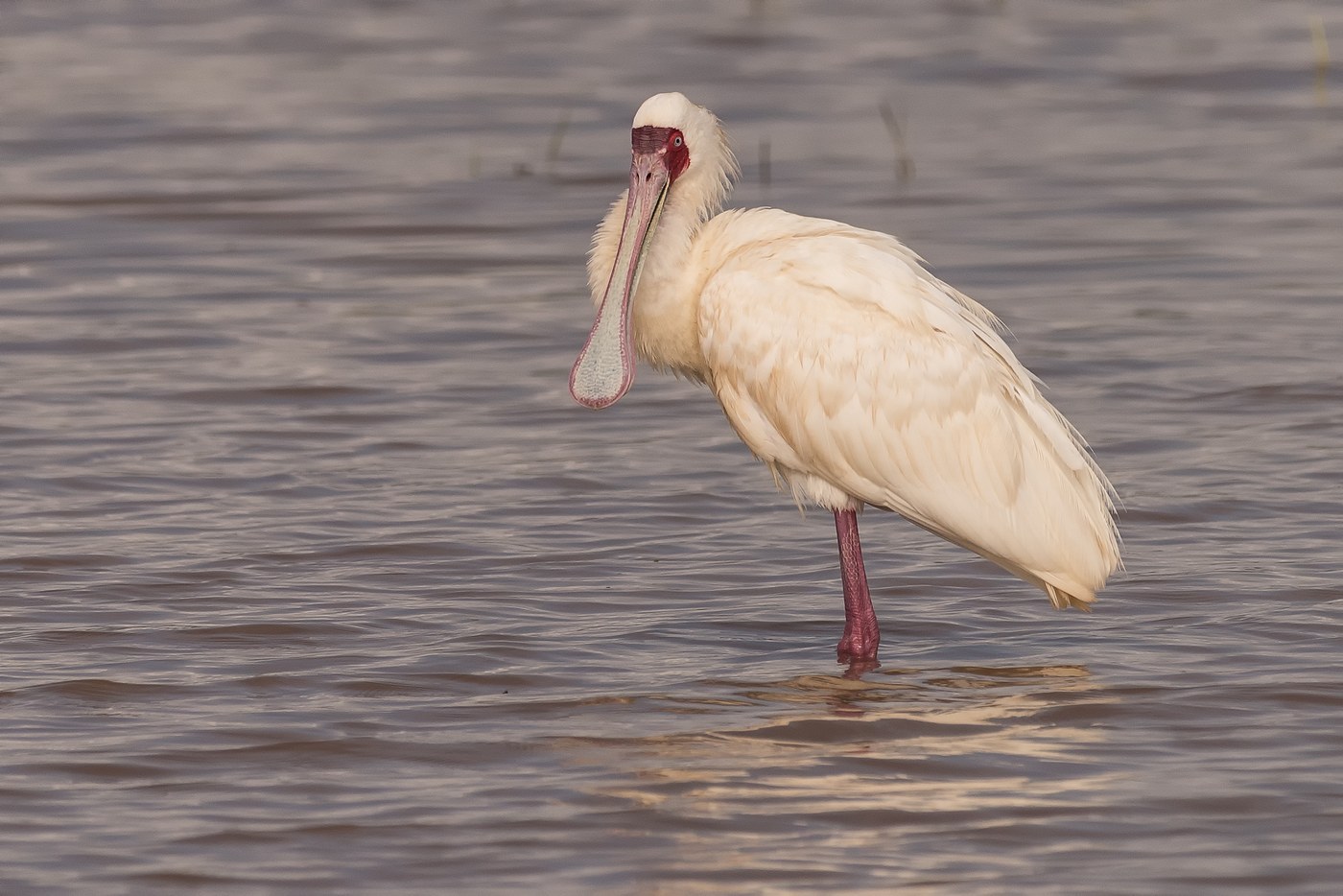
African Spoonbill
White contour and flight feathers, unmarked by black tips

Roseate Spoonbill
Pink and white contour and flight feathers with a carmine shoulder patch
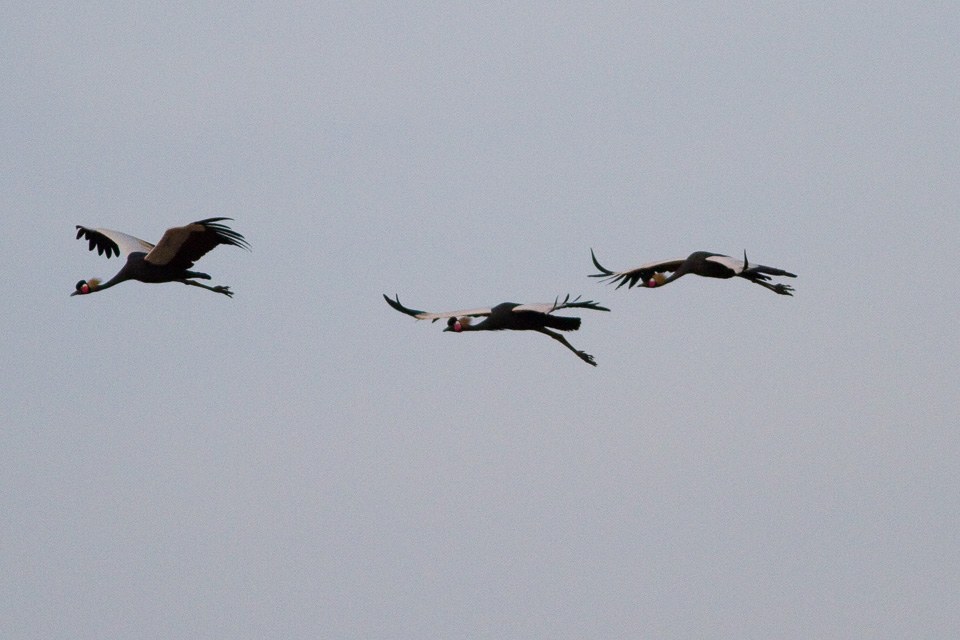
Black Crowned Crane
Dark grey-black body feathers with white wing coverts, chestnut flight feathers, and stiff golden crown bristles