

Andean Siskin
Spinus spinescens
A modestly plumaged high-Andean finch with streaky brown-olive feathering, adapted to cold paramo grasslands rather than showy display.
- Feather type
- Small, dense contour feathers adapted to cool highlands
- Colours
- Olive-brown streaked upperparts, dull yellowish underparts
- Bird size
- Sparrow-sized, ~10-11 cm
Found a feather like this?
Identify any feather from a photo, free.
Overview
Overview
The Andean Siskin inhabits paramo grassland and shrubby highland habitats of Colombia, Venezuela, and Ecuador, typically well above treeline. Unlike many of its more brightly colored relatives, it shows a subdued, streaky plumage suited to blending into grassy, high-elevation surroundings. It forages in flocks among low vegetation, feeding on the seeds of grasses and herbaceous plants characteristic of paramo ecosystems.
Identifying the Feather
Feather Identification
- Overall duller and more heavily streaked than most siskins, lacking a solid black hood in either sex
- Upperpart feathers are olive-brown with dark streaking; underparts show a diffuse, dull yellowish wash rather than bright yellow
- Wings show only faint pale or yellowish edging rather than a bold wing patch, a useful distinction from brighter congeners
- Tail feathers are notched and dusky with limited yellow at the base
- Small conical bill typical of the genus
- Best distinguished from other Andean finches by its small size, streaky brown-olive tone, and high-elevation paramo habitat where few other siskins occur
Plumage & Molt
Plumage Notes
Both sexes are relatively similar, showing streaked olive-brown upperparts and duller yellowish underparts without a strong black hood, differing from the more sexually dimorphic siskins of lower elevations. Juveniles are even more heavily streaked and buffy overall. A single annual molt follows the breeding season, with plumage changing little through the year.
Habitat & Range
Habitat & Range
Restricted to high-elevation paramo, shrubby grassland, and open highland habitats of the northern Andes in Colombia, Venezuela, and Ecuador, typically above 3,000 meters. It is resident, with limited elevational movement in response to weather or food availability rather than true migration.
Behavior & Field Notes
Behavior & Field Notes
Andean Siskins forage in flocks low to the ground or in shrubs, feeding on grass and herb seeds typical of paramo vegetation. Nests are built low in shrubby cover, offering protection from harsh highland weather. The voice is a thin, wiry twitter similar to other siskins. Flocks can be inconspicuous against the streaked grassland background until they call or take flight.
Frequently asked questions
Why does the Andean Siskin look less colorful than other siskins?
It lacks the black hood and bright yellow markings of lowland siskins, instead showing streaky olive-brown plumage that blends with its high-elevation paramo habitat.
Where would I find an Andean Siskin?
In paramo grassland and open highland habitat of Colombia, Venezuela, and Ecuador, usually well above 3,000 meters elevation.
Do males and females look different?
The sexes are fairly similar, both showing streaky, subdued plumage rather than strong dimorphism seen in other siskins.
Is this species migratory?
It is essentially resident, with only local elevational shifts rather than long-distance migration.
Andean Siskin guides
In-depth guides for identifying and understanding Andean Siskin.

Other feathers you may enjoy

Yellow-breasted Bunting
Contour and flight feathers, chestnut-and-yellow breeding pattern
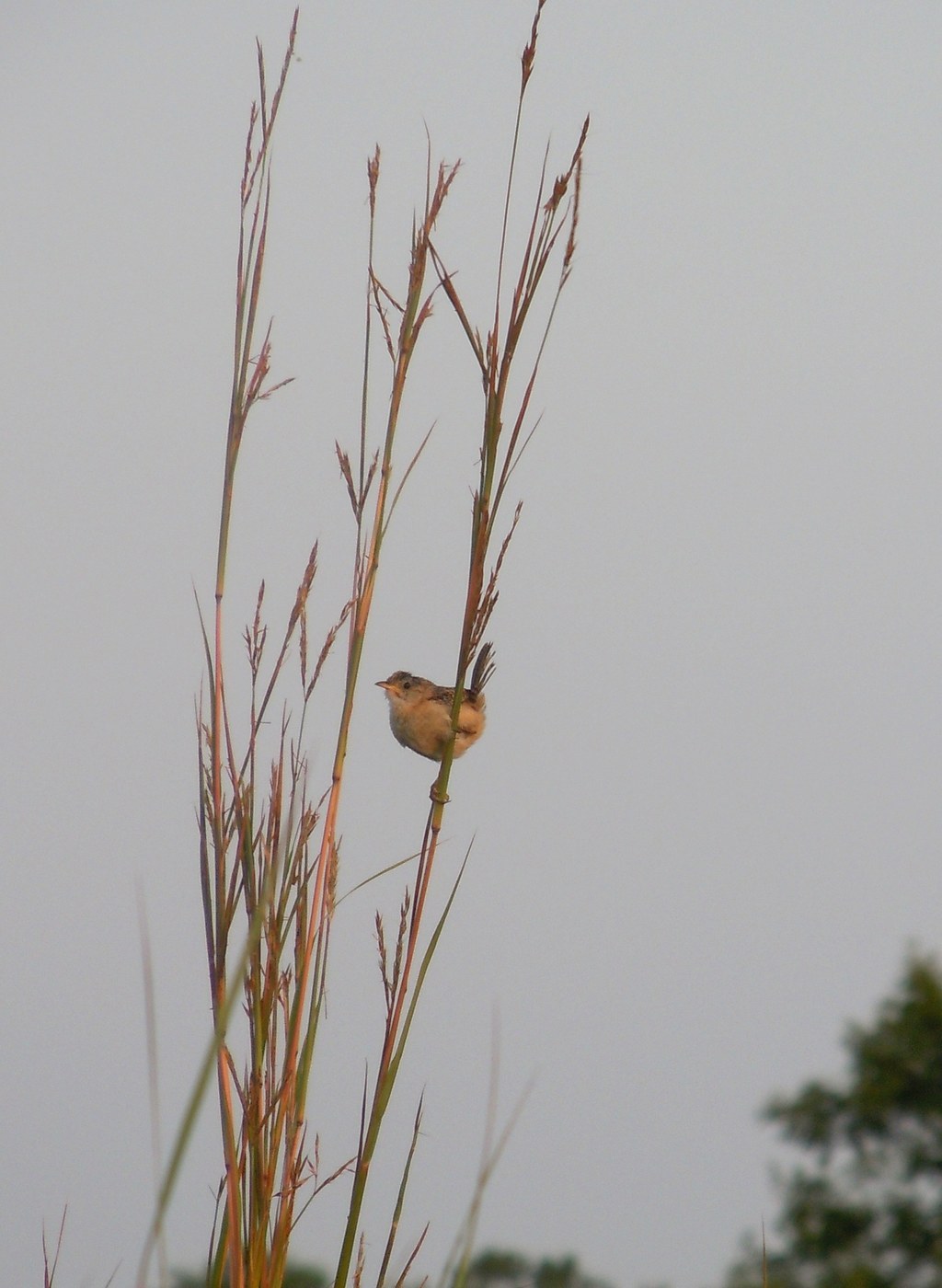
Sedge Wren
Tiny streaked crown and back feathers

Yellow-winged Cacique
Glossy black body feathers, yellow wing patch, shaggy crest

Yellow Warbler
Small contour and flight feathers
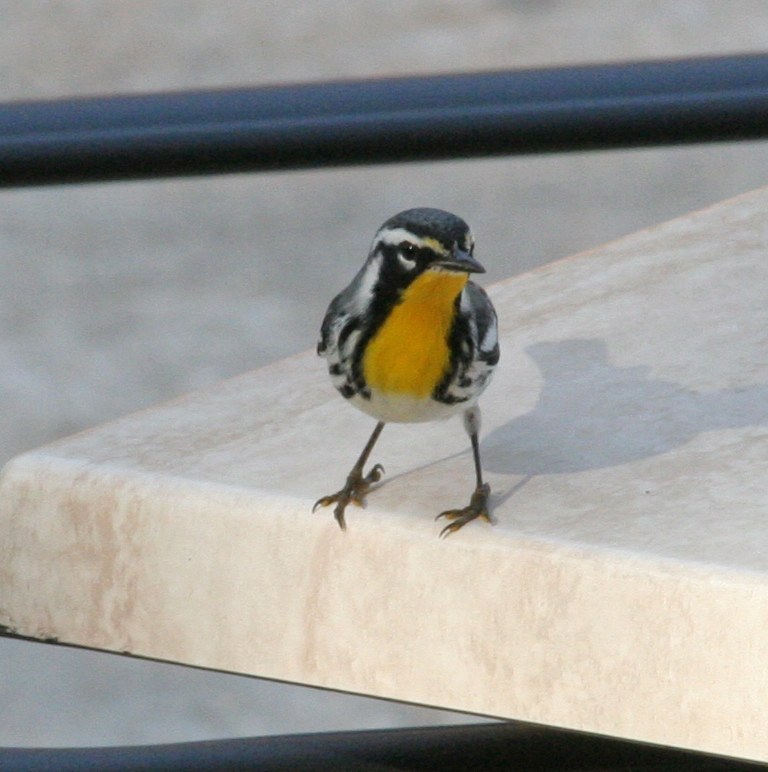
Yellow-throated Warbler
Small contour and flight feathers
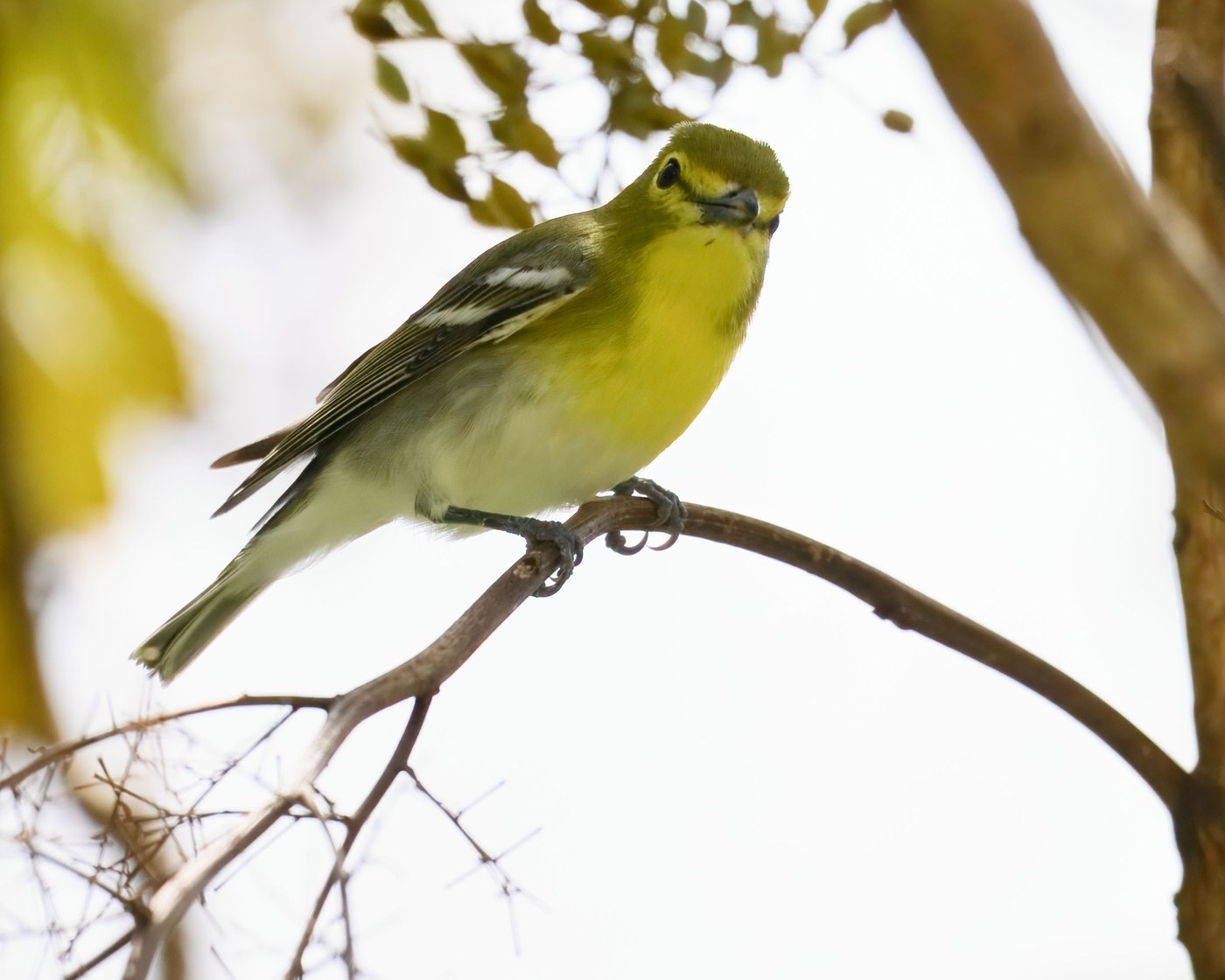
Yellow-throated Vireo
Bright yellow throat and spectacle feathers; olive-green back feathers; two white wing-bar feathers

Yellow-rumped Warbler
Small contour and flight feathers
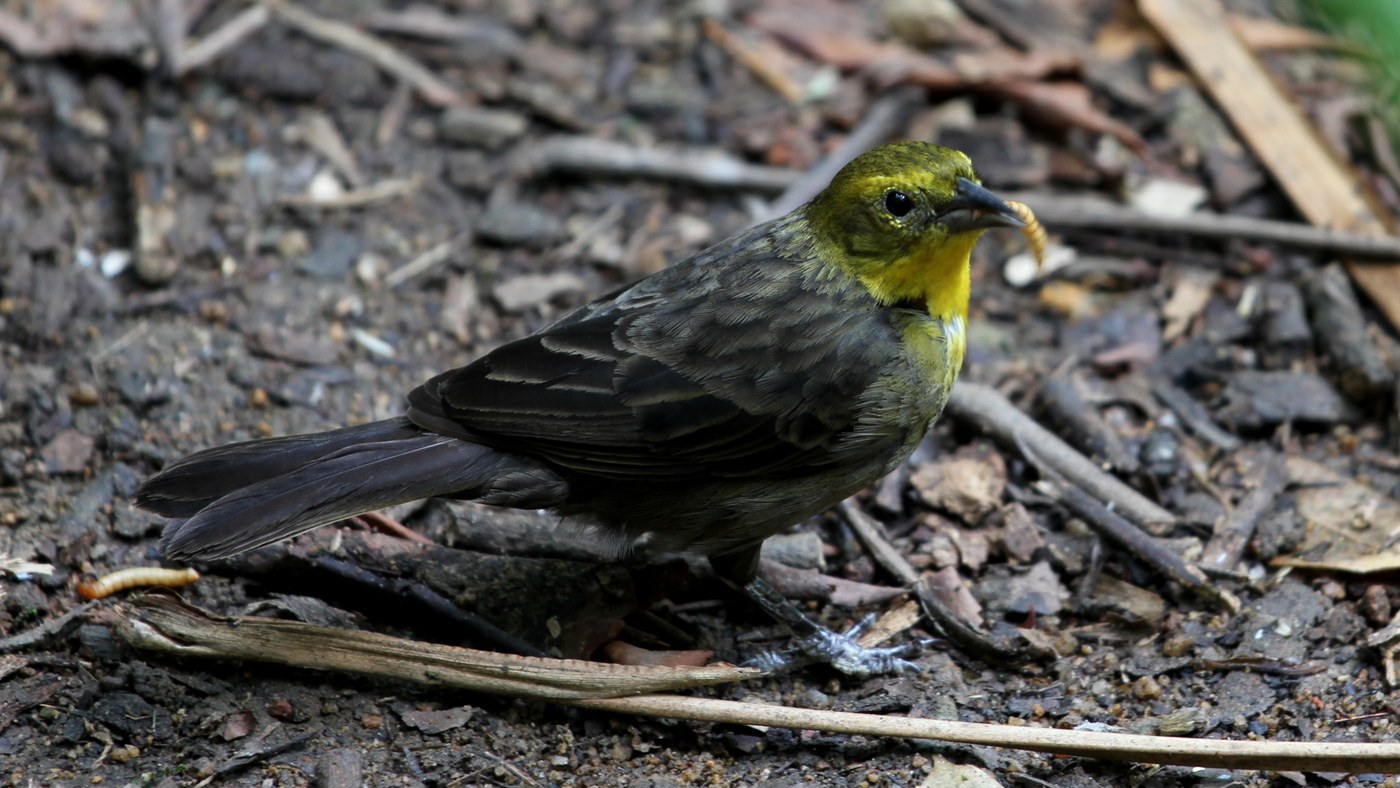
Yellow-hooded Blackbird
Contrasting hood and body feathers
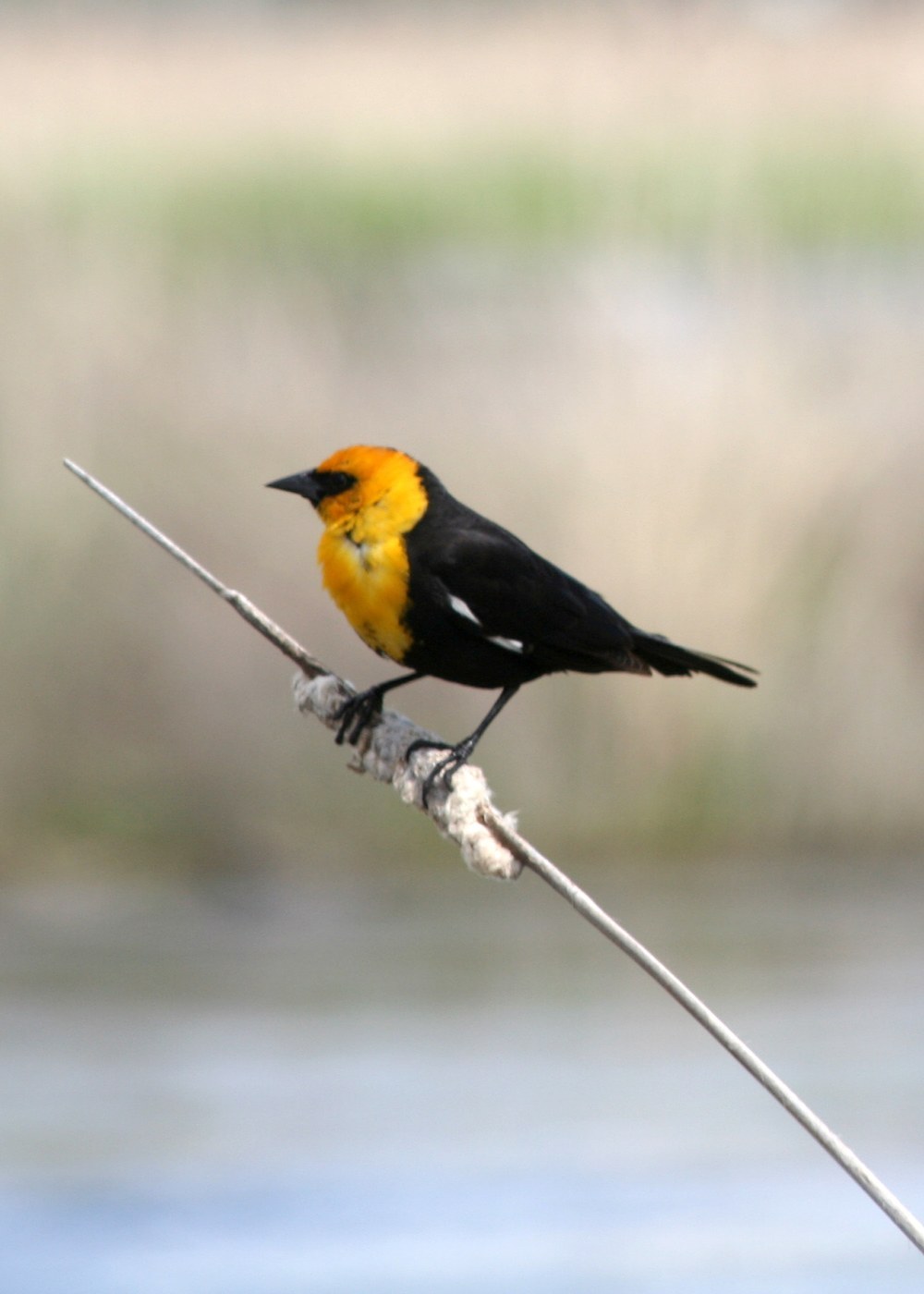
Yellow-headed Blackbird
Glossy black body plumage with a bright yellow head and breast

Yellow-eyed Junco
Contour and flight feathers

Yellow-fronted Canary
Small, smooth body plumage

Yellow-breasted Greenfinch
Compact, smooth body plumage