

Yellow-eyed Junco
Junco phaeonotus
A montane junco of the southwestern borderlands, distinguished from its dark-eyed relative by a striking pale yellow eye.
- Feather type
- Contour and flight feathers
- Colours
- Slate gray, rufous, and white
- Bird size
- Sparrow-sized, ~15 cm
Found a feather like this?
Identify any feather from a photo, free.
Overview
Overview
The Yellow-eyed Junco replaces the more widespread Dark-eyed Junco in the mountains of the southwestern United States and much of Mexico, occupying pine-oak and pine forest at middle to high elevations. It shares the general junco shape and ground-foraging habits of its relatives.
The bright pale eye is the most reliable field mark, readily visible even at moderate distance and unmistakable once seen well in good light.
Identifying the Feather
Feather Identification
- Head and body contour feathers: slate-gray hood and back with a contrasting rufous-brown patch on the back and wing coverts
- Eye: pale yellow to whitish, standing out sharply against the dark gray face feathering
- Underparts: pale gray fading to whitish on the belly, without streaking
- Tail feathers: dark gray-brown with white outer tail feathers flashed in flight, similar to other junco species
- Compared to Dark-eyed Junco: the pale yellow eye is diagnostic; body pattern is otherwise broadly similar though the rufous back patch tends to be more contrastingly bordered
Plumage & Molt
Plumage Notes
Sexes look similar, both showing the slate hood, pale eye, and rufous back patch, though females can average slightly duller. Juveniles are streaked brown overall and lack the pale eye color initially, gradually acquiring adult-like gray plumage and eye color through their first fall molt. There is little seasonal plumage change in adults, and the species undergoes a single complete molt after the breeding season, unlike some junco populations that show more pronounced immature-to-adult transitions.
Habitat & Range
Habitat & Range
This junco is a permanent resident of pine and pine-oak forests in the mountains of the southwestern United States, including isolated ranges in Arizona and New Mexico, extending south through the highlands of Mexico and Central America. It generally does not migrate long distances but may shift to lower elevations in harsh winters. It favors open forest floor with needle litter and scattered undergrowth, often near forest edges, campgrounds, and clearings.
Behavior & Field Notes
Behavior & Field Notes
Yellow-eyed Juncos forage mainly on the ground, hopping and pecking for seeds and small invertebrate food items, often in small flocks or family groups. They are relatively approachable in areas with regular human visitation, such as campgrounds in southeastern Arizona mountains. The song is a simple trill similar to other juncos, and calls include soft chip notes used to maintain contact within a foraging group. Nests are cup-shaped and placed on the ground or in low vegetation, often tucked against a rock or root.
Frequently asked questions
What is the single best field mark for this species?
The pale yellow eye, which contrasts strongly with the dark gray face and is visible at close to moderate range in good light.
Where in the United States can Yellow-eyed Juncos be found?
They occur as residents in isolated mountain ranges of southeastern Arizona and southwestern New Mexico, within pine-oak forest habitat.
Does this junco migrate?
It is largely non-migratory, though birds may descend to lower elevations during severe winter weather.
How does the body shape compare to other juncos?
It shares the same compact, rounded body, conical bill, and white-edged tail typical of juncos generally, differing mainly in eye color and back pattern.
Yellow-eyed Junco guides
In-depth guides for identifying and understanding Yellow-eyed Junco.

Other feathers you may enjoy

Yellow-breasted Bunting
Contour and flight feathers, chestnut-and-yellow breeding pattern
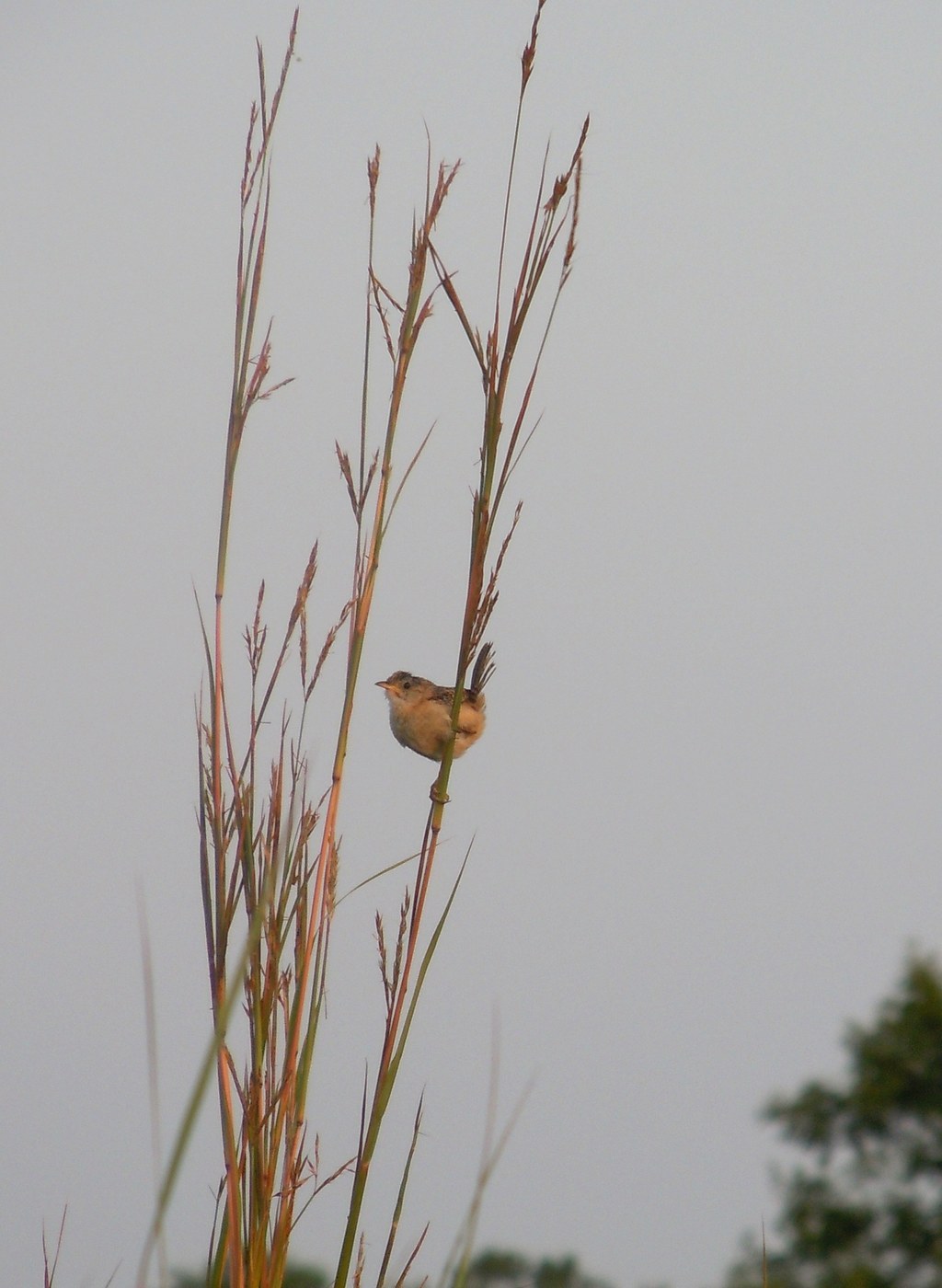
Sedge Wren
Tiny streaked crown and back feathers

Yellow-winged Cacique
Glossy black body feathers, yellow wing patch, shaggy crest

Yellow Warbler
Small contour and flight feathers
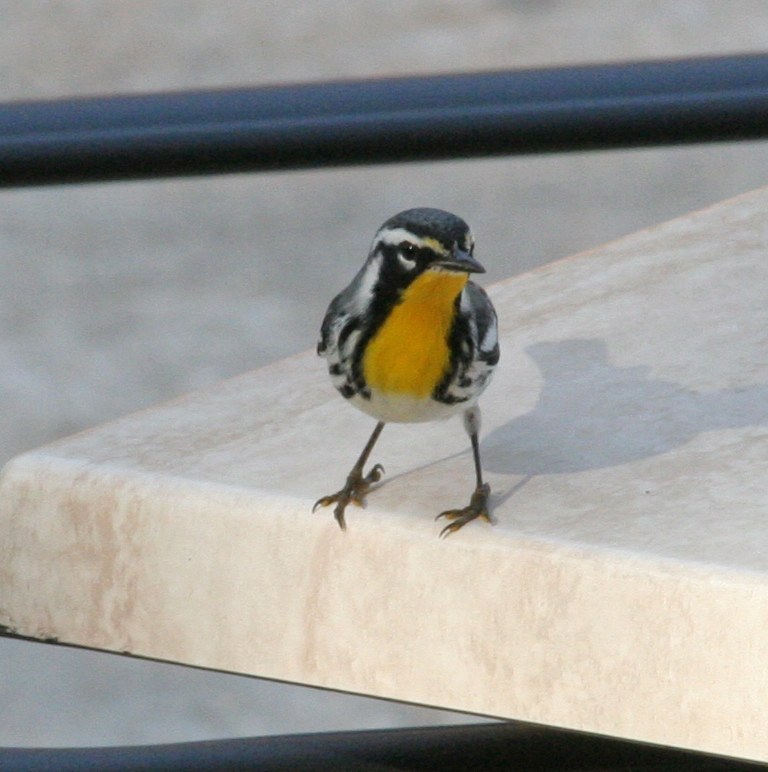
Yellow-throated Warbler
Small contour and flight feathers
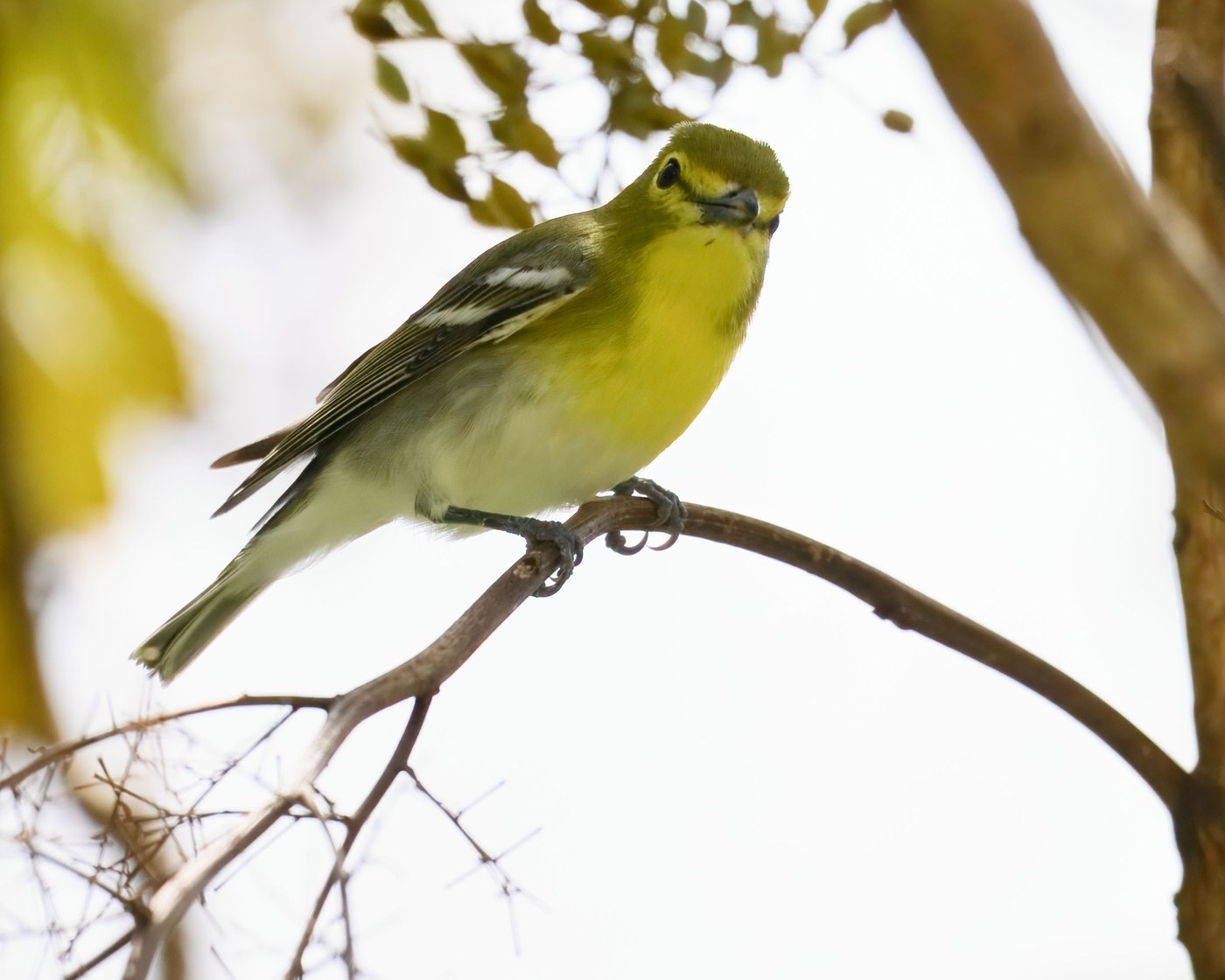
Yellow-throated Vireo
Bright yellow throat and spectacle feathers; olive-green back feathers; two white wing-bar feathers

Yellow-rumped Warbler
Small contour and flight feathers
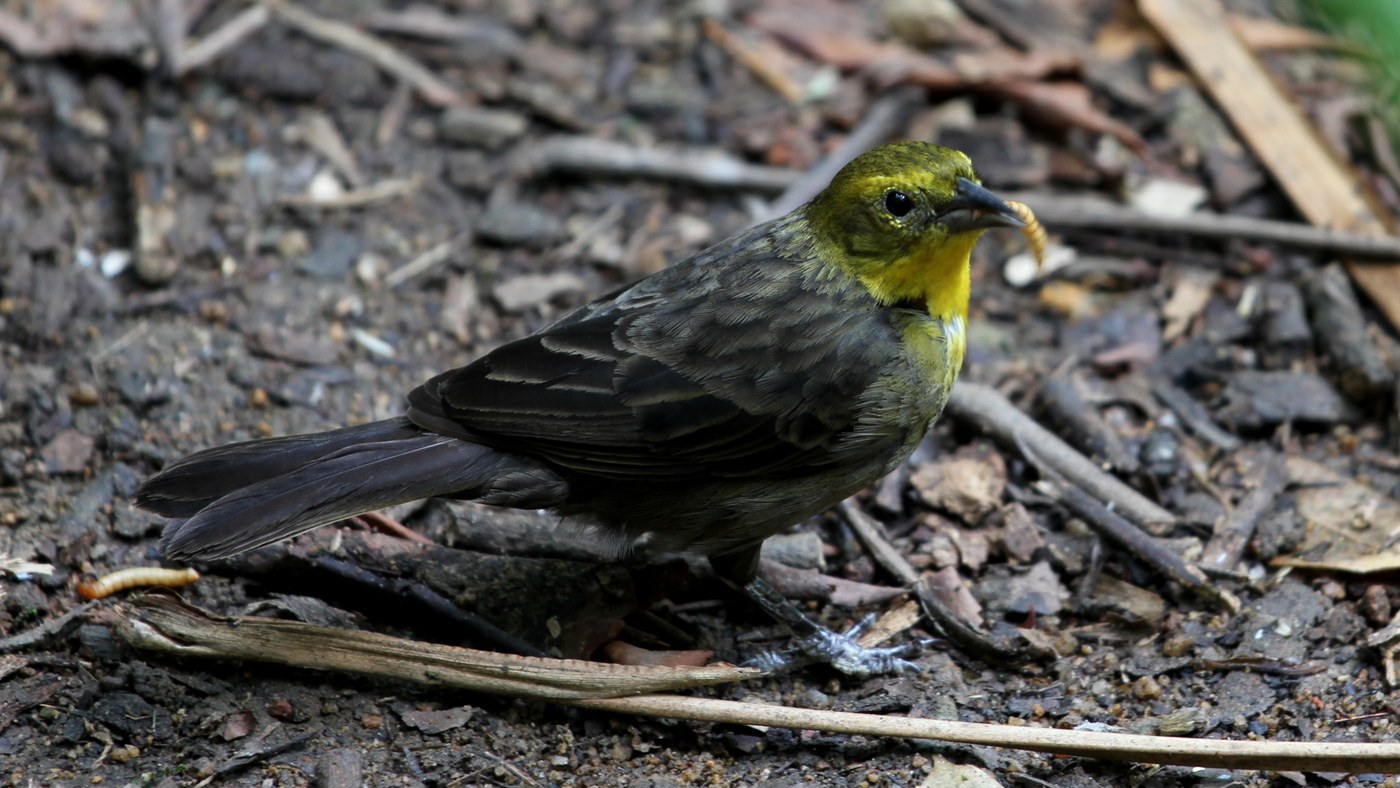
Yellow-hooded Blackbird
Contrasting hood and body feathers
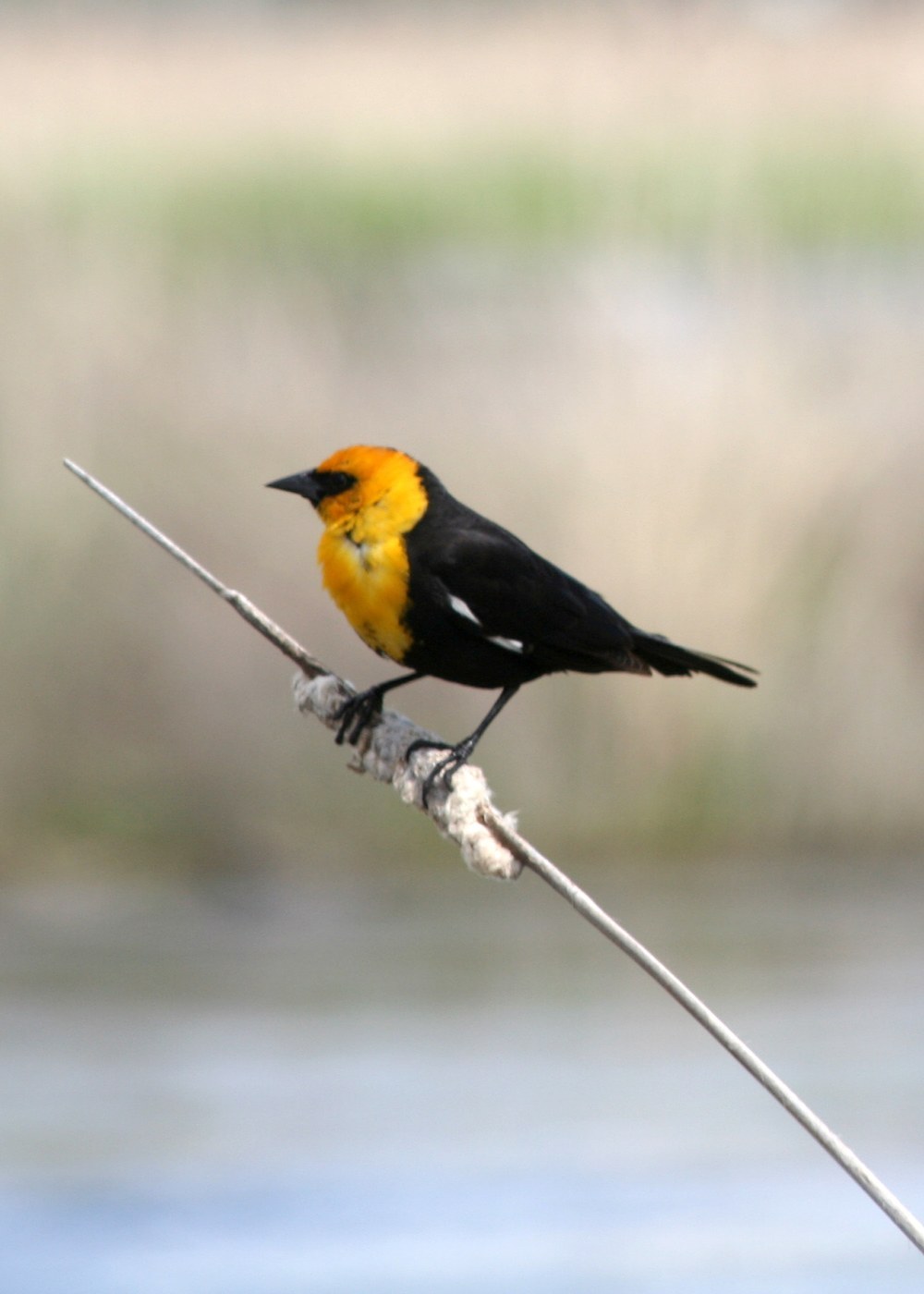
Yellow-headed Blackbird
Glossy black body plumage with a bright yellow head and breast

Yellow-fronted Canary
Small, smooth body plumage

Yellow-breasted Greenfinch
Compact, smooth body plumage

Yellow-breasted Chat
Large, plain contour feathers; long rounded tail feathers; thick-based bill-adjacent feathers