
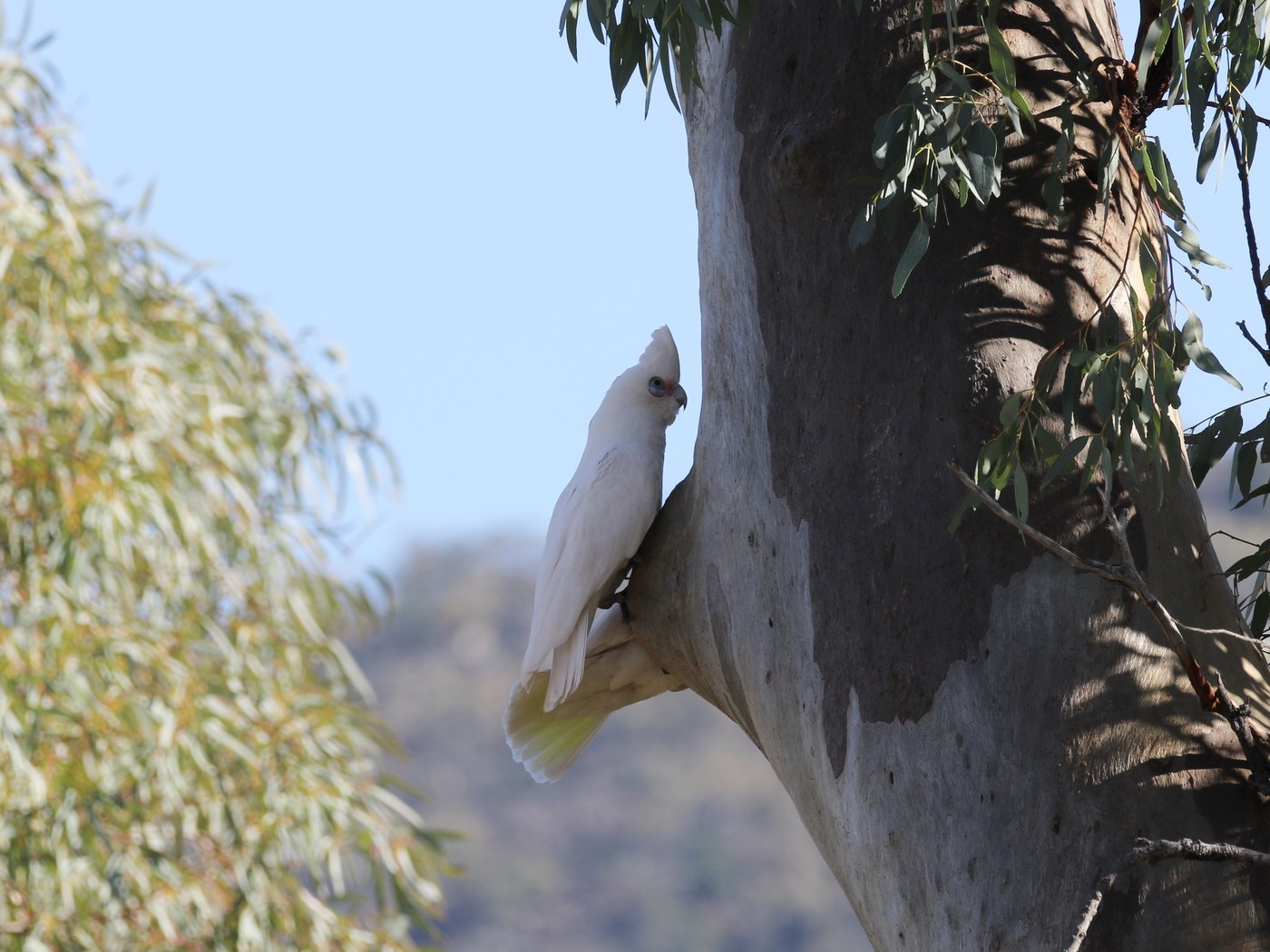
Bare-eyed Cockatoo
Cacatua sanguinea
A small white cockatoo with an inconspicuous crest and distinctive bare bluish-white skin encircling the eye.
- Feather type
- Broad rounded flight feathers, short inconspicuous crest feathers
- Colours
- White plumage with a faint pink-red tinge at the base of the forehead feathers
- Bird size
- Small to medium, ~38 cm
Found a feather like this?
Identify any feather from a photo, free.
Overview
Overview
The Bare-eyed Cockatoo, also known as the Little Corella, is a widespread Australian cockatoo notable for its short, barely visible crest and the extensive bare, pale skin surrounding its eye, which gives the species its common name. It is often seen in large, noisy flocks across much of inland Australia.
Its plain white plumage with minimal crest development sets it apart from the more showy cockatoo species.
Identifying the Feather
Feather Identification
- Body feathers: White overall, without the extensive yellow, pink, or salmon washes seen in many other cockatoos.
- Forehead feathers: A faint pinkish-red tinge can appear at the base of the forehead and lore feathers, visible in good light.
- Crest feathers: Very short and inconspicuous, lying nearly flat and barely noticeable compared to the tall crests of the Sulphur-crested or Moluccan Cockatoo.
- Facial skin (non-feather marker): Extensive bare bluish-white skin surrounds the eye, more extensive than in most other cockatoo species, giving the bird its common name.
- Compared to similar species: The minimal crest and extensive bare eye-skin readily distinguish it from taller-crested cockatoos like the Sulphur-crested or Goffin's Cockatoo.
Plumage & Molt
Plumage Notes
Sexes look alike in plumage. Juveniles resemble adults but may show a slightly less extensive bare eye-skin patch, which can expand somewhat with age.
Molt occurs gradually through the year, with the white plumage staying largely consistent across seasons.
Habitat & Range
Habitat & Range
This species is widespread across much of inland and northern Australia, favoring open woodland, grassland, and farmland, typically near water sources. It has adapted well to agricultural and semi-urban environments in parts of its range.
It is generally resident, though large flocks may move considerable distances in response to seasonal food and water availability.
Behavior & Field Notes
Behavior & Field Notes
Bare-eyed Cockatoos are highly social, often forming large flocks that forage on the ground for seeds, roots, and grain, particularly around farmland. They are known for boisterous group behavior, including large communal roosts.
They nest in tree hollows, sometimes in large colonies within a suitable stand of trees, and are known for loud, harsh screeching calls typical of the genus, often heard from considerable distances as flocks move to feeding or roosting sites.
Frequently asked questions
Why is it called the Bare-eyed Cockatoo?
It has extensive bare bluish-white skin surrounding the eye, more extensive than in most other cockatoo species.
Does the Bare-eyed Cockatoo have a large crest?
No, its crest is very short and inconspicuous, lying nearly flat compared to the tall crests of species like the Sulphur-crested Cockatoo.
Where does the Bare-eyed Cockatoo live?
It is widespread across inland and northern Australia in open woodland, grassland, and farmland near water.
What is another name for the Bare-eyed Cockatoo?
It is also known as the Little Corella.
Bare-eyed Cockatoo guides
In-depth guides for identifying and understanding Bare-eyed Cockatoo.
Other feathers you may enjoy
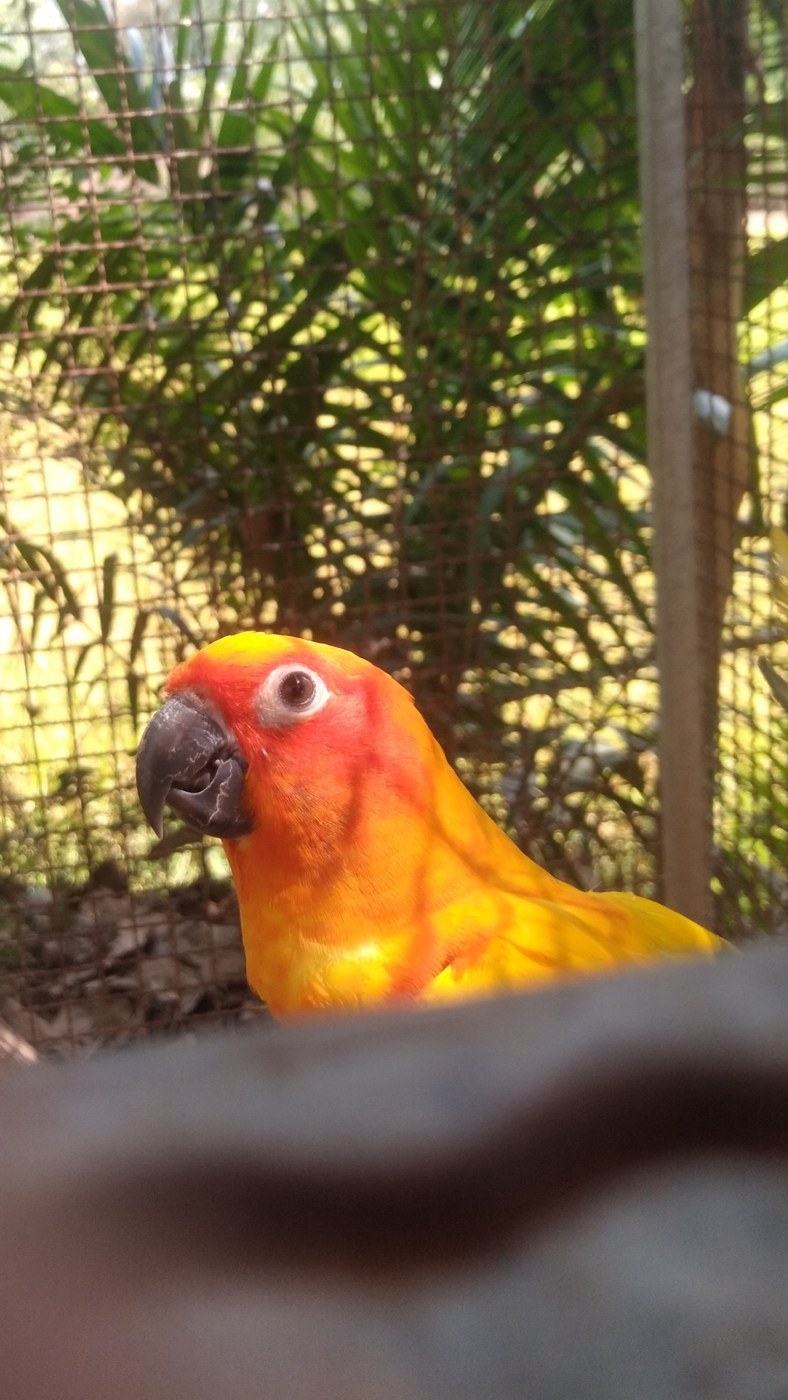
Sun Parakeet
Bright, dense body contour feathers; medium pointed tail feathers

Yellow-naped Amazon
Broad rounded contour feathers with sturdy flight feathers
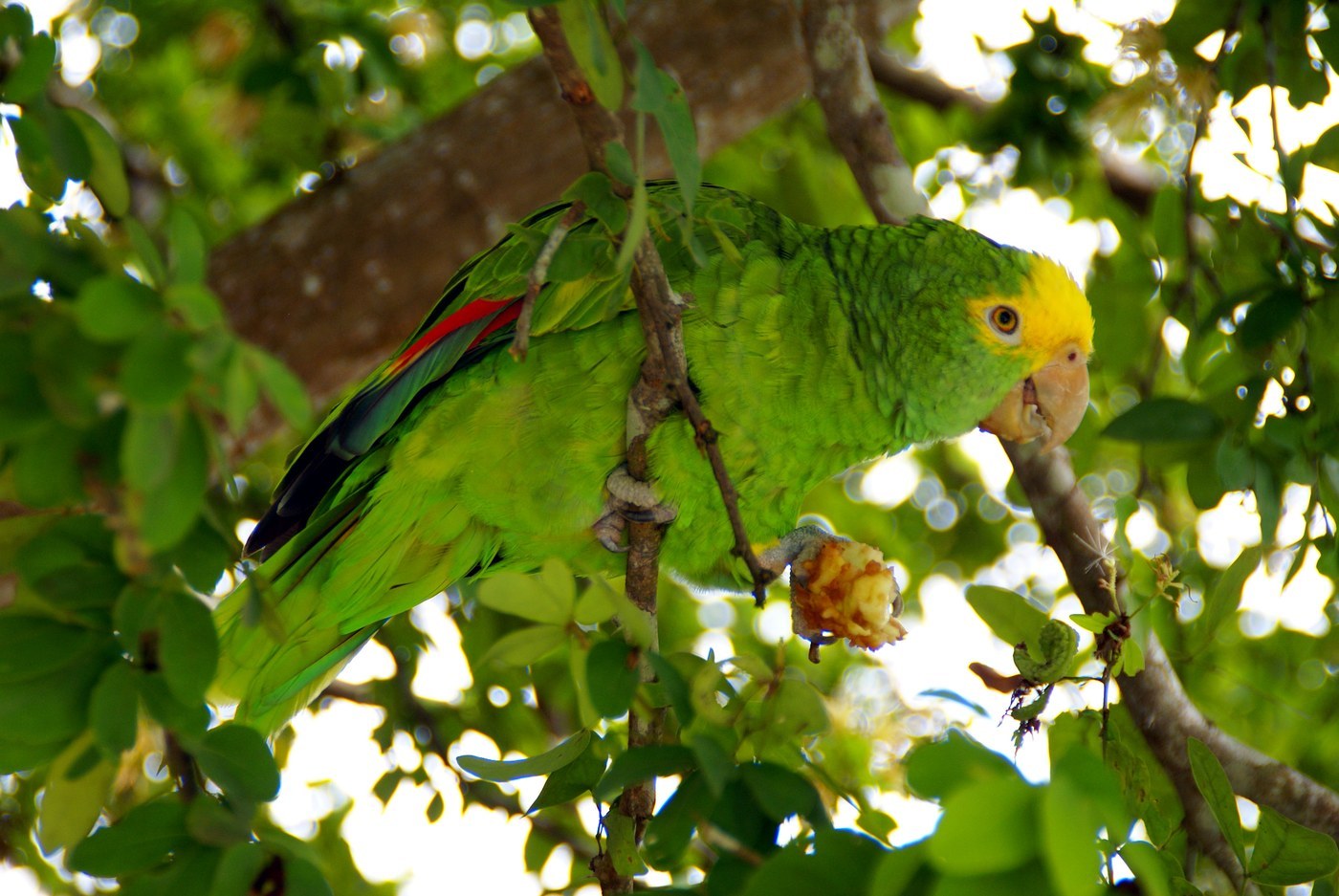
Yellow-headed Amazon
Dense, rounded body contour feathers; broad flight feathers
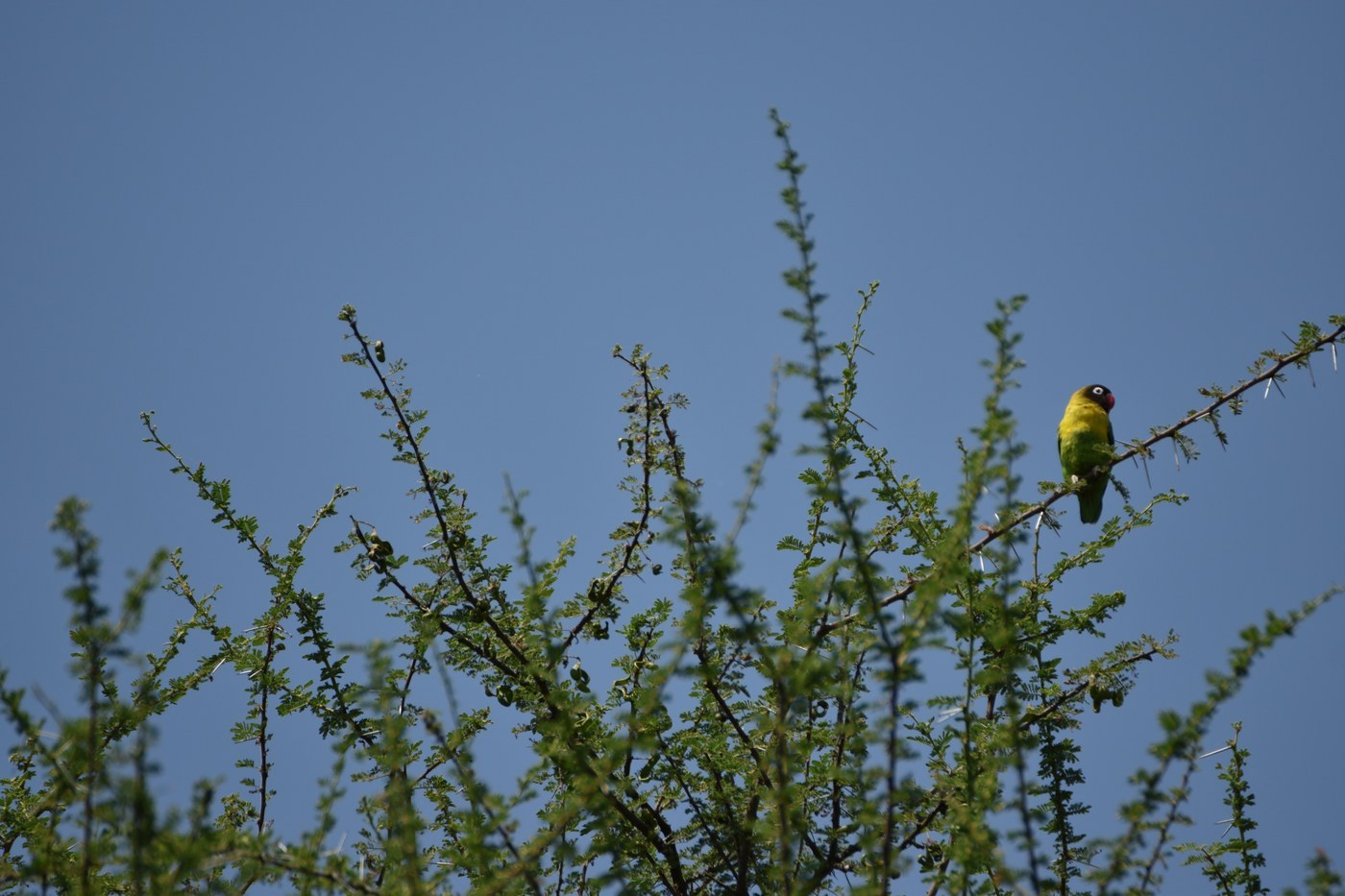
Yellow-collared Lovebird
Small compact flight feathers, short rounded tail

White-eyed Conure
Medium contour and long, graduated tail feathers

Yellow-tailed Black Cockatoo
Large, sturdy contour and flight feathers; short crest

Scarlet-chested Parrot
Small contour and flight feathers

Timneh Parrot
Broad flight feathers, scalloped body feathers with pale edges
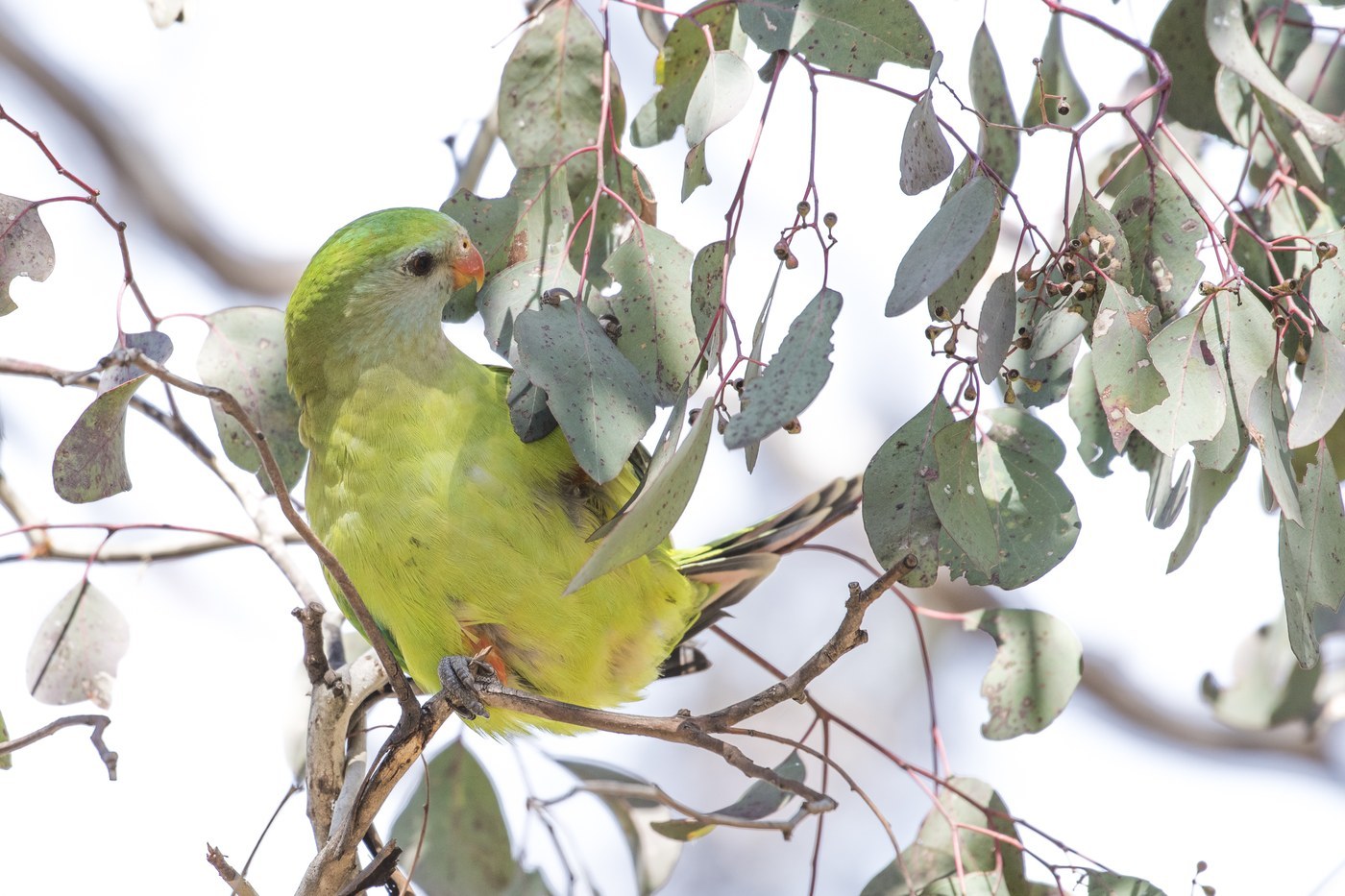
Superb Parrot
Sleek contour feathers with a long tapering tail

Red-shouldered Macaw
Compact body contour feathers; medium flight and tail feathers
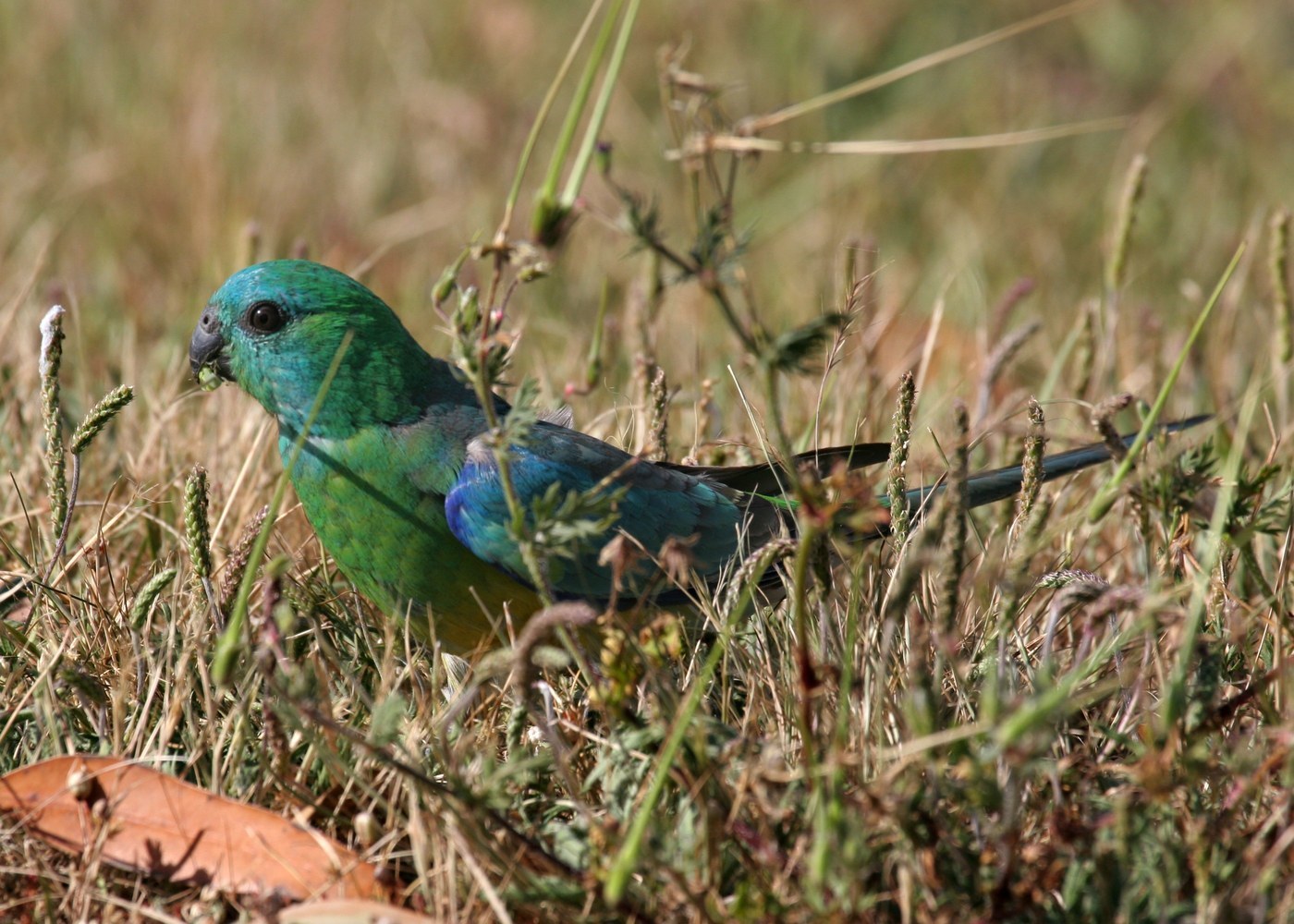
Red-rumped Parrot
Sleek contour feathers with a bright rump patch in males

White-capped Pionus
Compact contour feathers and short, squared tail feathers