

Bobolink
Dolichonyx oryzivorus
A grassland songbird famous for the breeding male's striking 'backward tuxedo' pattern of black underparts and pale back, and for its exceptionally long migration to South America.
- Feather type
- Contrasting breeding body feathers, buffy nonbreeding feathers
- Colours
- Black underparts with white back and buffy nape (breeding male); buffy-yellow overall (female/nonbreeding)
- Bird size
- Sparrow-to-robin-sized, ~15-20 cm
Found a feather like this?
Identify any feather from a photo, free.
Overview
Overview
The Bobolink is a distinctive grassland songbird best known for the breeding male's bold reversed pattern: black below with a pale straw-colored nape and white patches above, unlike almost any other North American songbird. Females and nonbreeding males instead look like large, buffy sparrows, making seasonal plumage change dramatic in this species. Bobolinks undertake one of the longest migrations of any songbird, traveling between North American breeding grounds and South American wintering grasslands.
Identifying the Feather
Feather Identification
- Breeding male body feathers: Black underparts and face, contrasting with a pale buffy-yellow nape and white scapular and rump patches
- Nonbreeding/female feathers: Buffy yellow overall with dark streaking on the back, crown, and flanks, resembling a large sparrow
- Tail feathers: Pointed, spiky tips typical of the blackbird family, used for probing
- Size: Smaller and more compact than most blackbirds
- Similar species: Breeding males are unmistakable; nonbreeding birds can resemble large sparrows but show a distinctive pointed tail feather shape and buffier overall tone
Plumage & Molt
Plumage Details
Breeding males show a striking black-and-white reversed pattern with a buffy-yellow nape, described as looking like a tuxedo worn backward. Females and nonbreeding males (including males after their post-breeding molt) show a much plainer buffy-yellow plumage with dark streaking on the back and crown, resembling an oversized sparrow. Males undergo a complete molt after breeding, transitioning to this cryptic nonbreeding plumage before migrating south, then molt again before returning north in breeding dress.
Habitat & Range
Habitat & Range
Bobolinks breed in grasslands, hayfields, and prairies across the northern United States and southern Canada. They undertake one of the longest migrations of any songbird, wintering in grassland habitats of South America, particularly in Argentina, Bolivia, and Paraguay.
Behavior & Field Notes
Behavior & Field Notes
Bobolinks forage on the ground and in grass for seeds and insects, often in loose flocks outside the breeding season. Males deliver a bubbling, mechanical-sounding song during aerial display flights over breeding territories. Nests are cup-shaped and built on the ground, hidden in dense grass. The species' round-trip migration between North and South America covers a remarkable distance each year.
Frequently asked questions
Why are breeding male Bobolink feathers described as a 'backward tuxedo'?
Breeding males are black below and pale above, the reverse of the typical dark-back, light-belly pattern seen in most birds, giving rise to that nickname.
Do Bobolinks look different in winter?
Yes, after their post-breeding molt, males lose the bold black-and-white pattern and resemble the buffy, streaked females and nonbreeding birds.
How can I identify a nonbreeding Bobolink feather?
Look for buffy yellow tones with dark streaking on the back and crown, along with the pointed tail feather tips typical of the blackbird family.
How far do Bobolinks migrate?
They travel between grassland breeding areas in North America and grassland wintering areas in South America, one of the longest migrations of any songbird.
Bobolink guides
In-depth guides for identifying and understanding Bobolink.

Other feathers you may enjoy

Yellow-breasted Bunting
Contour and flight feathers, chestnut-and-yellow breeding pattern
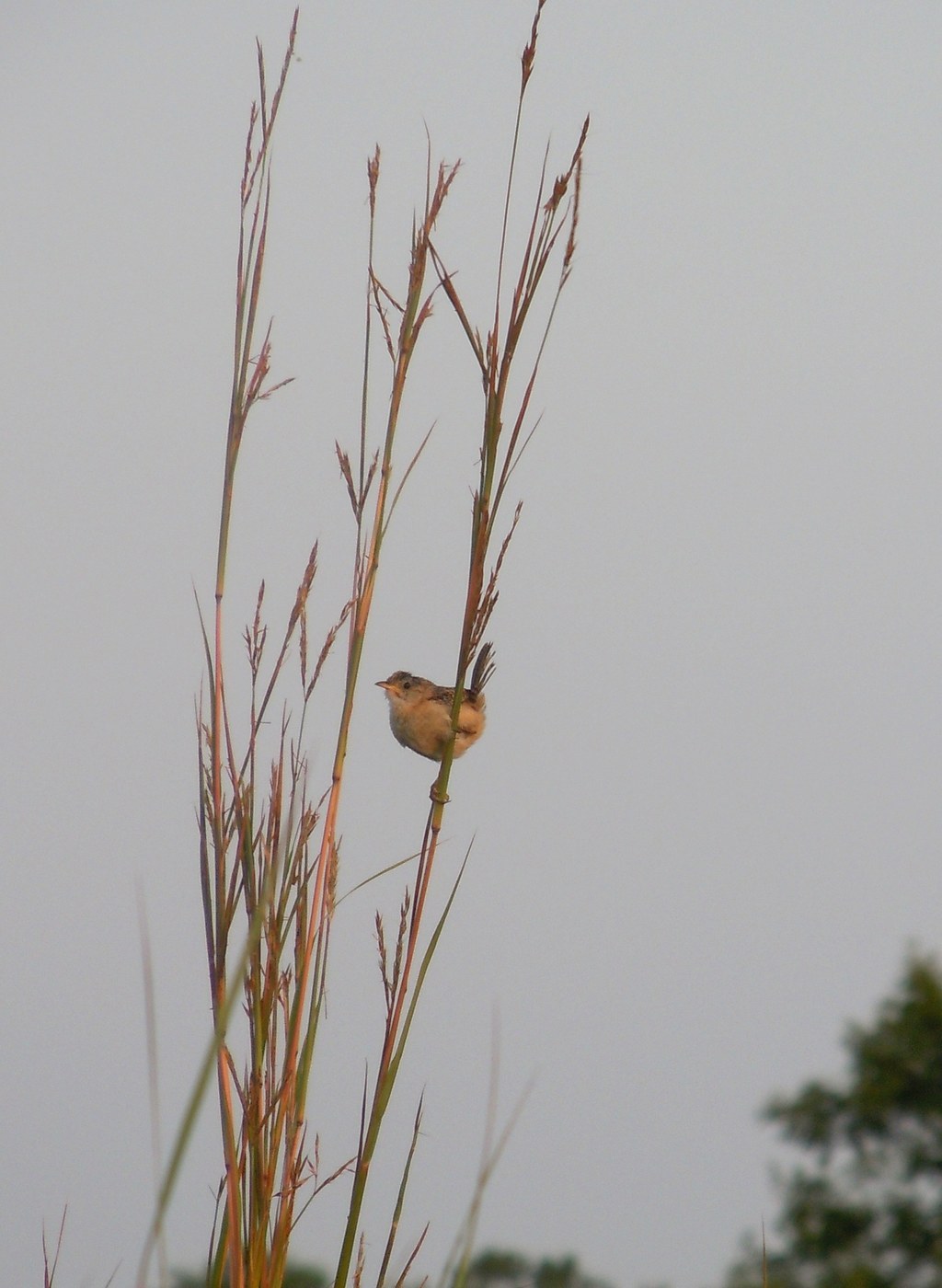
Sedge Wren
Tiny streaked crown and back feathers

Yellow-winged Cacique
Glossy black body feathers, yellow wing patch, shaggy crest

Yellow Warbler
Small contour and flight feathers
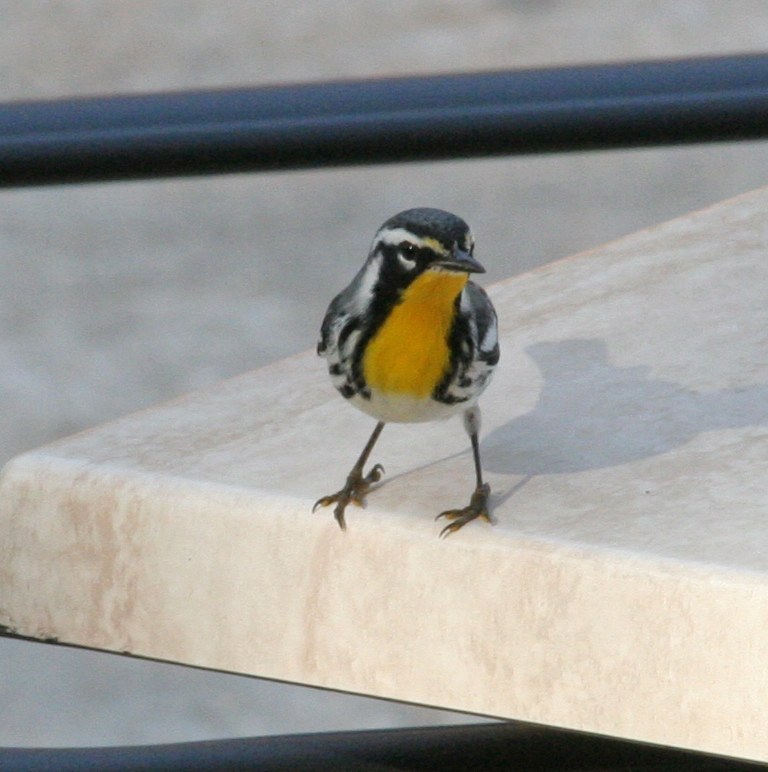
Yellow-throated Warbler
Small contour and flight feathers
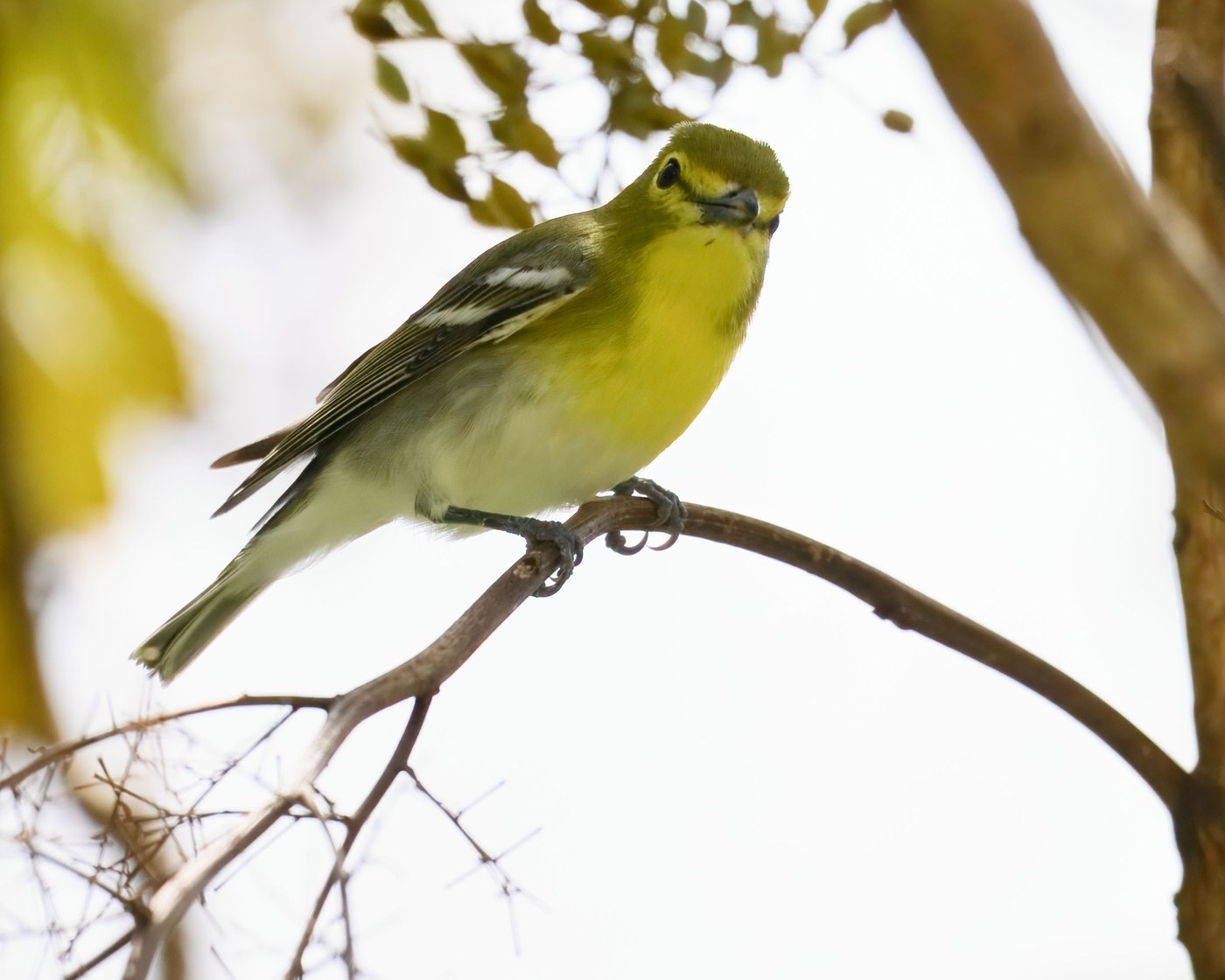
Yellow-throated Vireo
Bright yellow throat and spectacle feathers; olive-green back feathers; two white wing-bar feathers

Yellow-rumped Warbler
Small contour and flight feathers
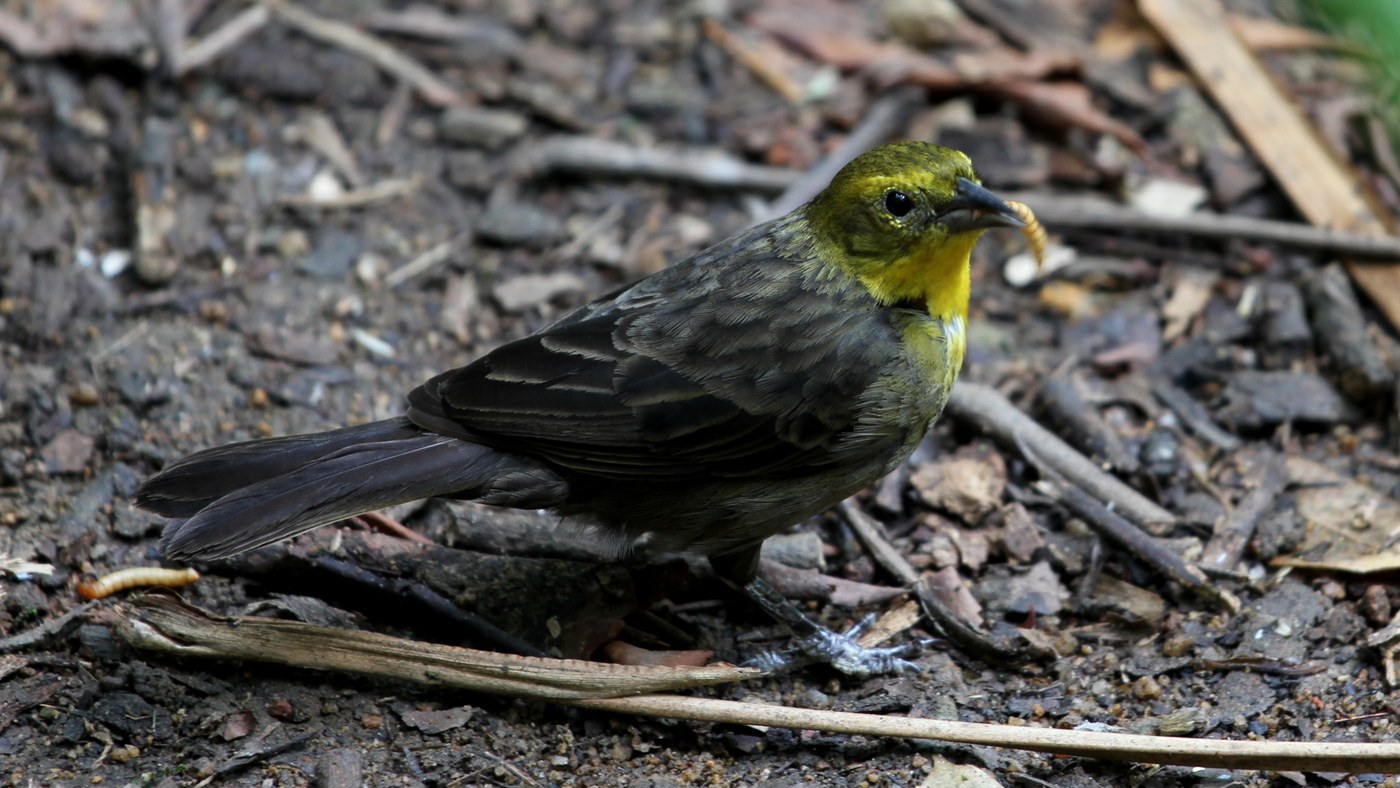
Yellow-hooded Blackbird
Contrasting hood and body feathers
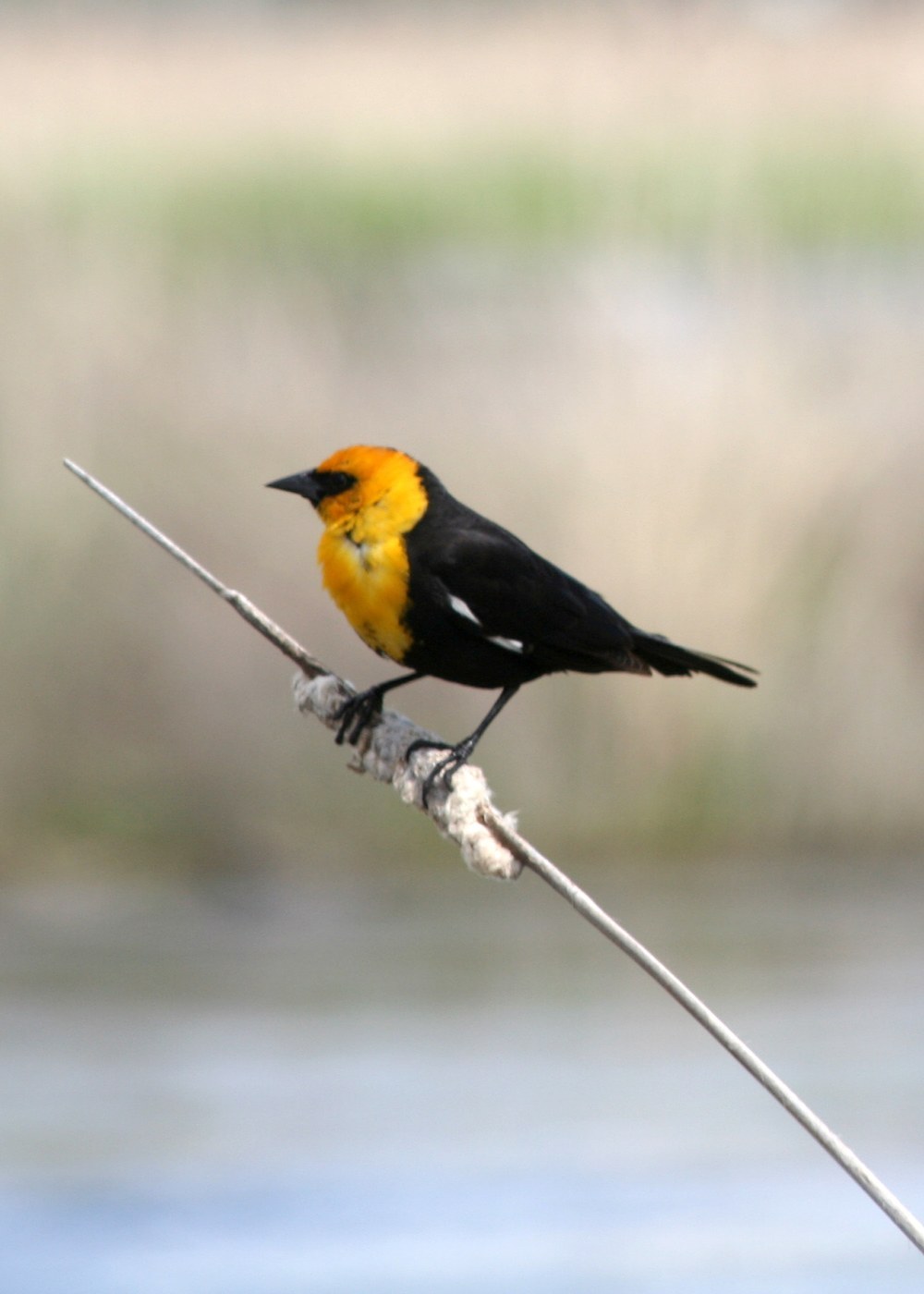
Yellow-headed Blackbird
Glossy black body plumage with a bright yellow head and breast

Yellow-eyed Junco
Contour and flight feathers

Yellow-fronted Canary
Small, smooth body plumage

Yellow-breasted Greenfinch
Compact, smooth body plumage