

Clay-colored Thrush
Turdus grayi
A plain, uniformly brown thrush of Middle America, closely related to the American Robin but lacking its bright orange breast, identified by its overall buffy-brown tone and pale bill.
- Feather type
- Plain, soft body feathers with subtle throat streaking
- Colours
- Uniform buffy-brown to olive-brown overall, pale yellowish bill
- Bird size
- Robin-sized, ~23-25 cm
Found a feather like this?
Identify any feather from a photo, free.
Overview
The Clay-colored Thrush is a common and widespread thrush found from Mexico through Central America into parts of northern South America, thriving in a variety of semi-open habitats including gardens, forest edge, and scrub. Despite its plain appearance compared to more colorful relatives, it is a familiar and often vocal bird across much of its range, and occurs as a rare visitor to the southernmost United States.
Identifying the Feather
- Body feathers: Uniform buffy-brown to olive-brown across the head, back, and underparts, without strong contrast between regions.
- Throat feathers: Show faint, fine streaking, subtler than the bold throat pattern of some related thrushes.
- Bill: Pale yellowish-green, contrasting softly with the brown plumage.
- Compared to similar species: Lacks the orange underparts of the American Robin and the rufous back of the Rufous-backed Robin, appearing instead uniformly plain brown throughout.
Plumage & Molt
Sexes look similar, both showing plain buffy-brown to olive-brown plumage overall with a pale yellowish bill. Juveniles show light spotting on the underparts typical of young thrushes before acquiring the more uniform adult plumage. A single complete molt after breeding renews the feathers, and the species shows little seasonal variation in appearance.
Habitat & Range
Clay-colored Thrushes inhabit forest edge, second growth, gardens, and scrub from eastern Mexico through Central America and into parts of Colombia and Venezuela. They are largely resident throughout their range, adapting well to human-modified landscapes including parks and residential gardens, and occur as rare vagrants to the southern tip of Texas.
Behavior & Field Notes
This thrush forages on the ground and in low vegetation, feeding on invertebrates and fruit, and often becomes tame around human habitation. Its song is a rich, varied series of caroling phrases, often delivered from a prominent perch, and is a familiar sound in gardens and parks within its range. Nests are cup-shaped structures built in trees, shrubs, or on building ledges. Its adaptability and plain appearance make voice and structure important identification aids alongside its subdued plumage.
Frequently asked questions
How can you identify a Clay-colored Thrush?
Look for uniformly plain buffy-brown to olive-brown plumage throughout, with a pale yellowish-green bill and only faint throat streaking.
How does it compare to the American Robin?
It lacks the orange underparts of the American Robin, appearing instead uniformly brown from head to belly.
Where is this species found?
It ranges from eastern Mexico through Central America into parts of northern South America, and occurs as a rare visitor to southern Texas.
Is it commonly seen around people?
Yes, it adapts well to gardens, parks, and residential areas throughout much of its range and can become quite tame.
Clay-colored Thrush guides
In-depth guides for identifying and understanding Clay-colored Thrush.

Other feathers you may enjoy

Yellow-breasted Bunting
Contour and flight feathers, chestnut-and-yellow breeding pattern
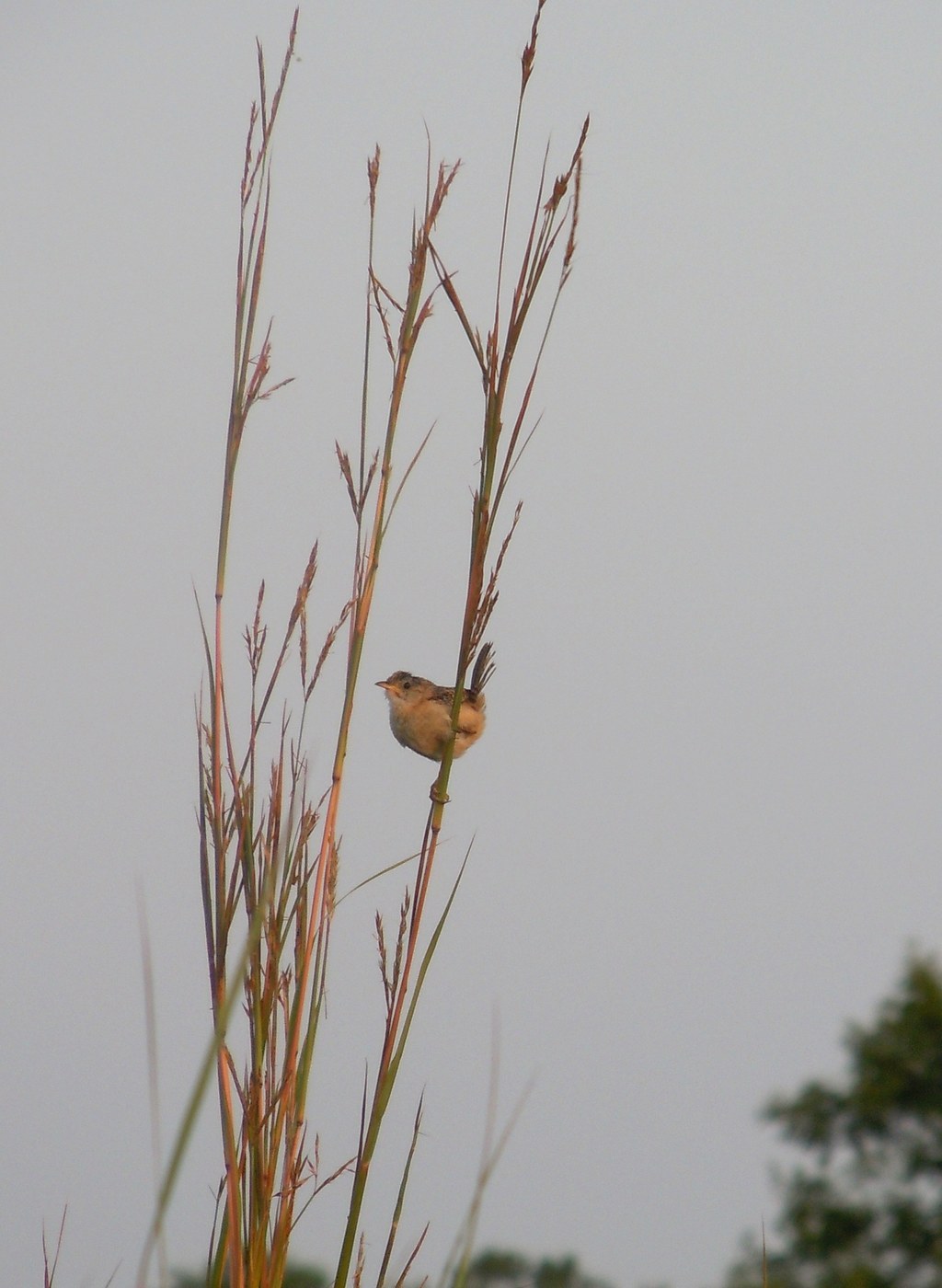
Sedge Wren
Tiny streaked crown and back feathers

Yellow-winged Cacique
Glossy black body feathers, yellow wing patch, shaggy crest

Yellow Warbler
Small contour and flight feathers
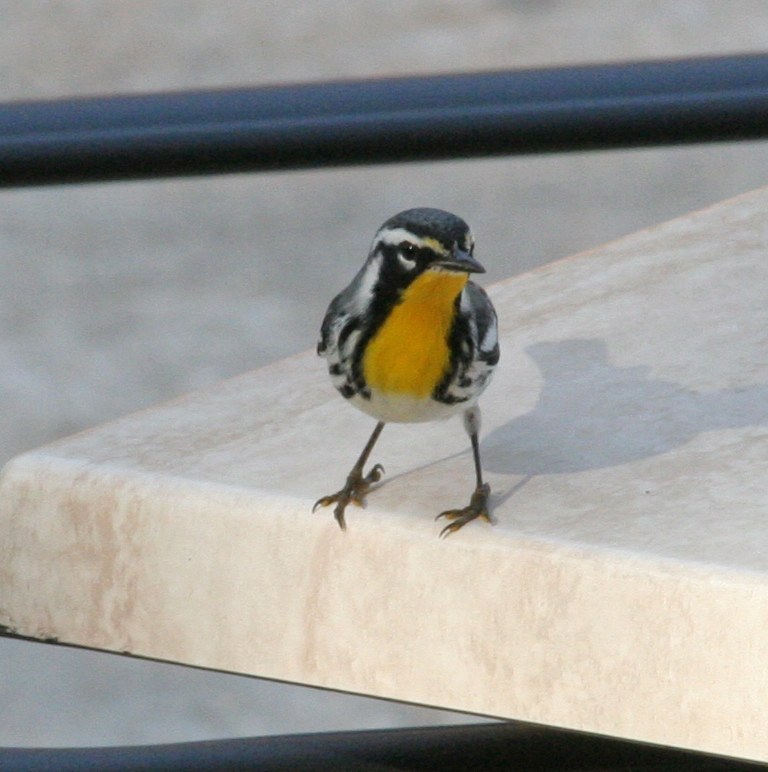
Yellow-throated Warbler
Small contour and flight feathers
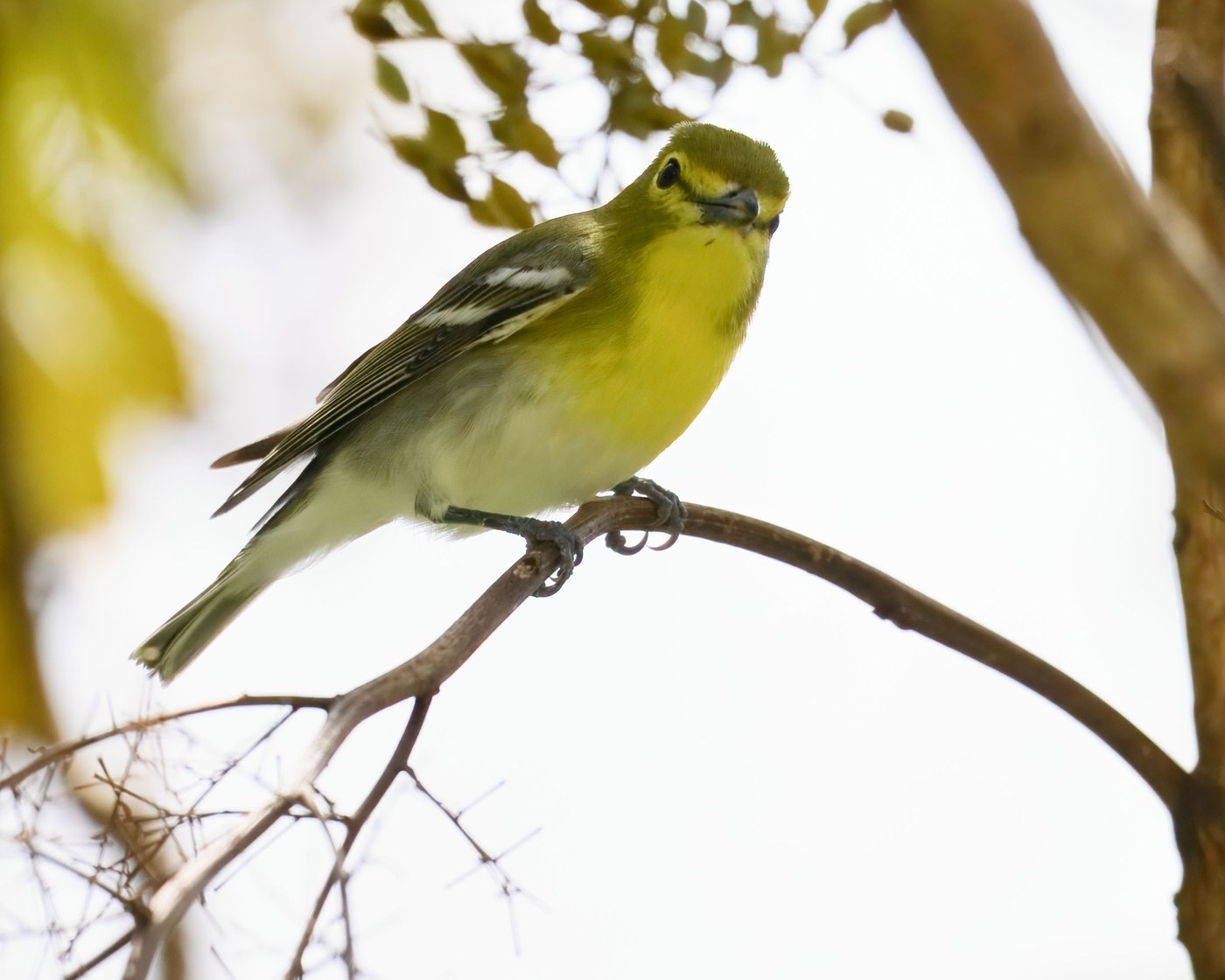
Yellow-throated Vireo
Bright yellow throat and spectacle feathers; olive-green back feathers; two white wing-bar feathers

Yellow-rumped Warbler
Small contour and flight feathers
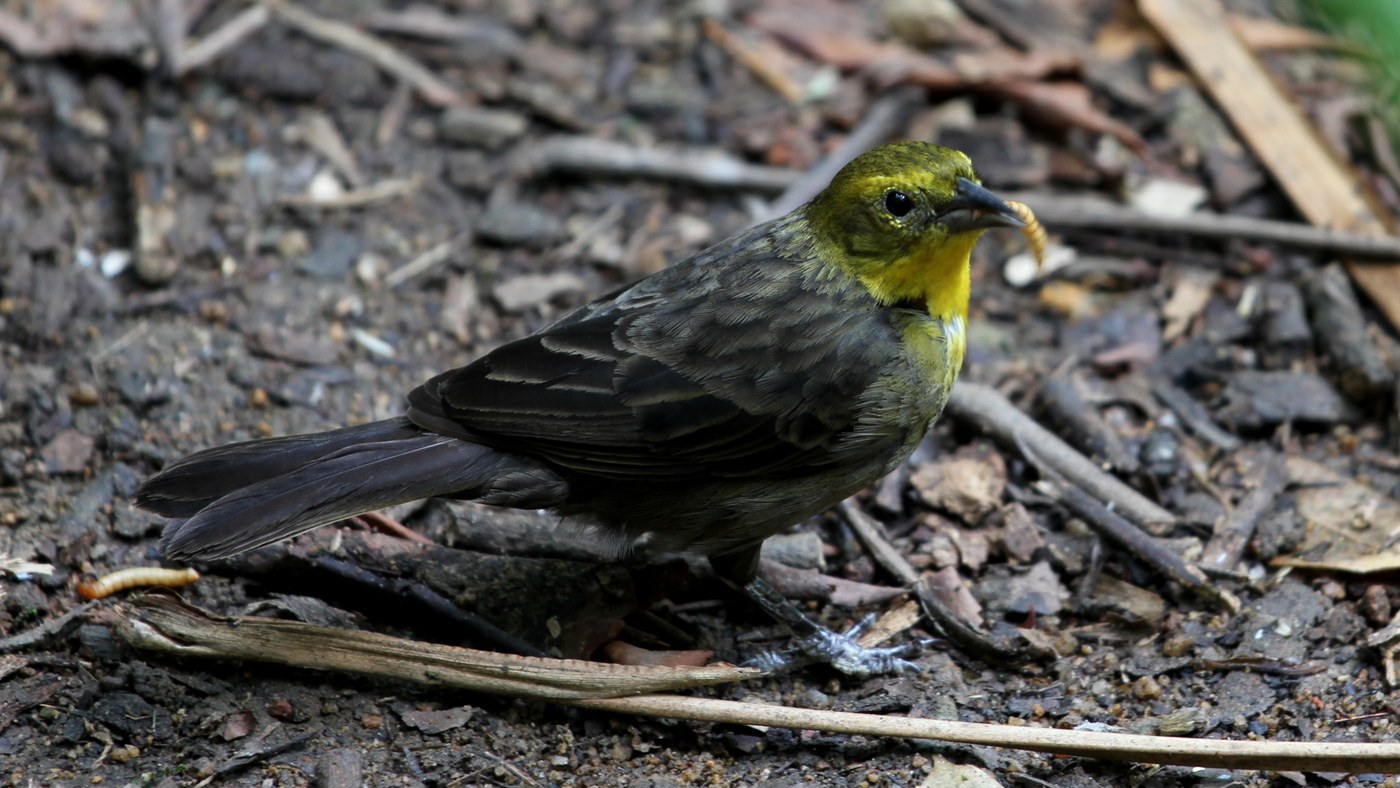
Yellow-hooded Blackbird
Contrasting hood and body feathers
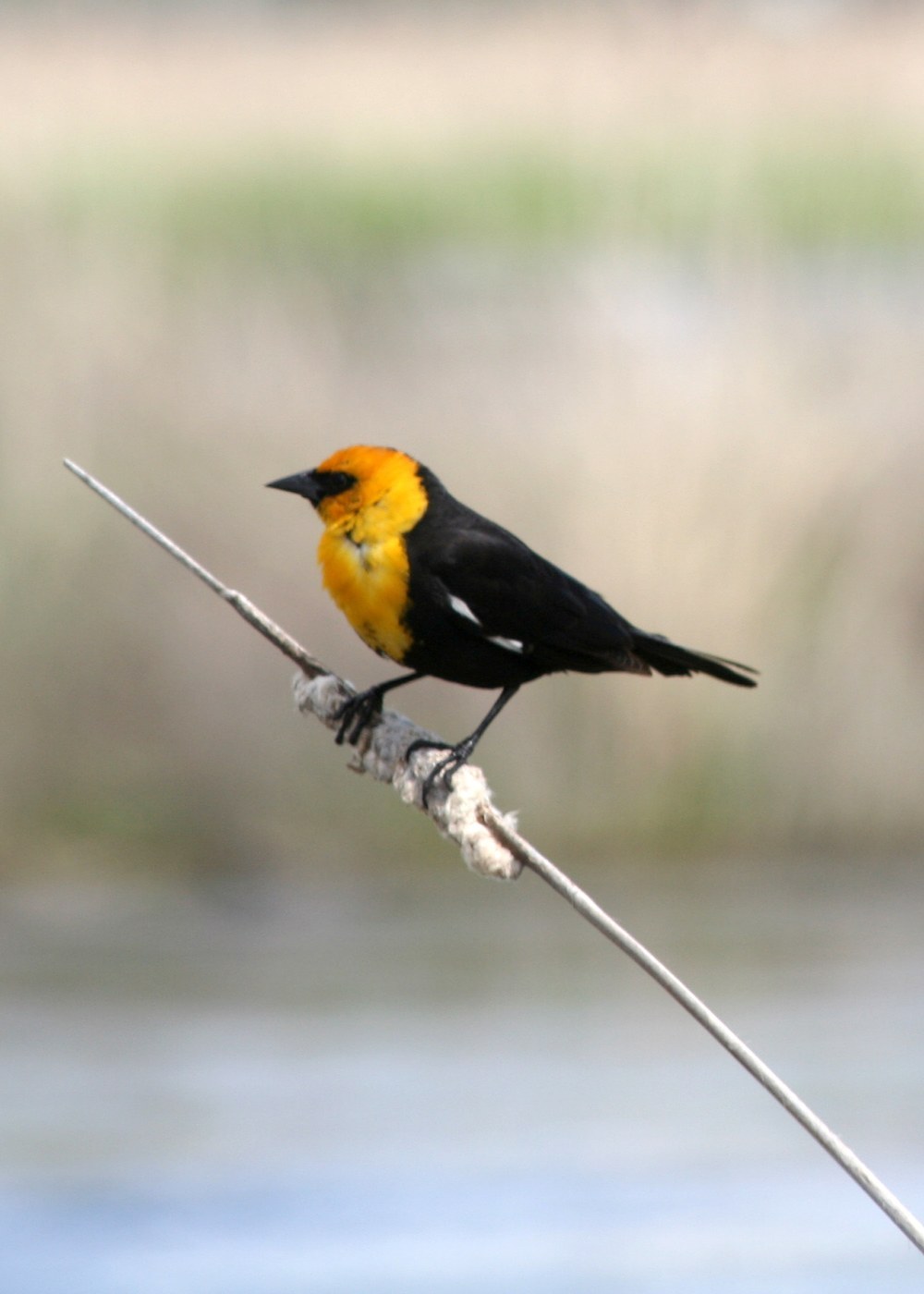
Yellow-headed Blackbird
Glossy black body plumage with a bright yellow head and breast

Yellow-eyed Junco
Contour and flight feathers

Yellow-fronted Canary
Small, smooth body plumage

Yellow-breasted Greenfinch
Compact, smooth body plumage