

Eastern Kingbird
Tyrannus tyrannus
A bold, dark-backed flycatcher with clean white underparts and a distinctive white terminal band across an otherwise black tail.
- Feather type
- Contour, body plumage
- Colours
- Blackish-gray upperparts, white underparts, white-tipped tail band
- Bird size
- Robin-sized, ~22 cm
Found a feather like this?
Identify any feather from a photo, free.
Overview
Overview
The Eastern Kingbird is a conspicuous, assertive flycatcher of open country across most of North America east of the Rockies, often seen perched prominently on fences, wires, or exposed branches where it watches for passing insects and aggressively defends its territory against intruders, including much larger birds. Its strongly contrasting plumage and bold behavior make it one of the more easily recognized flycatchers in its range.
Plumage is straightforward but distinctive: blackish-gray upperparts contrast with crisp white underparts, and the black tail is tipped with a clean white band that is one of the most reliable field marks for the species.
Identifying the Feather
Feather ID Notes
Eastern Kingbird feathers show a simple two-tone pattern: the head, back, and wings are blackish-gray to slate, while the throat, breast, and belly are bright white. The tail is black with a crisp, narrow white terminal band across all the tail feathers, a feature unique among similarly sized flycatchers in its range.
- Head/back feathers: blackish-gray to slate, unmarked
- Underpart feathers: clean white, sometimes with a faint gray wash on the breast
- Tail feathers: black with a distinct white tip band
- A partially concealed reddish-orange crown patch is occasionally visible when the crown feathers are raised The white-tipped black tail is the most reliable distinguishing feature from Western Kingbird and other Tyrannus species, which lack this clean white band.
Plumage & Molt
Plumage Details
Males and females look alike, sharing the same blackish-gray and white pattern along with the white-tipped tail. Both sexes possess a partially concealed crown patch of red-orange feathers that is rarely visible unless the bird raises its crown during display or agitation. Juveniles are similar to adults but often show duller, more brownish-gray upperparts and a less crisp white tail band until their first molt. There is no distinct seasonal plumage change.
Habitat & Range
Habitat & Range
Eastern Kingbirds breed in open habitats across most of North America east of the Rocky Mountains, including farmland, meadows, orchards, and woodland edges, often near water. They are long-distance migrants, wintering in South America, particularly in forested and edge habitats of the Amazon basin, where their behavior shifts notably from the aggressive, solitary territoriality of the breeding season to a more social, fruit-eating lifestyle.
Behavior & Field Notes
Behavior & Field Notes
This species forages by sallying from an exposed perch to catch flying insects, and it is well known for aggressively chasing off much larger birds, including hawks and crows, that venture near its nest. Its diet during the breeding season is mostly insects, shifting toward fruit on the wintering grounds. Nests are cup-shaped, placed in trees or shrubs, often in exposed locations near open habitat. The call is a series of sharp, buzzy, chattering notes, often given during aerial chases.
Frequently asked questions
What is the most reliable feather feature for Eastern Kingbird?
A black tail with a crisp, narrow white terminal band, paired with blackish-gray upperparts and white underparts.
Does the Eastern Kingbird have any hidden coloration?
Yes, both sexes have a concealed red-orange crown patch that is only visible when the crown feathers are raised.
How aggressive is this species?
It is known for vigorously chasing away much larger birds, including hawks and crows, that approach its nesting territory.
Where does it spend the winter?
It migrates long distances to South America, especially forested habitats in the Amazon basin, where it becomes more social and fruit-eating.
Eastern Kingbird guides
In-depth guides for identifying and understanding Eastern Kingbird.

Eastern Kingbird identified by the community
Real feathers identified with Feather Identifier.

Other feathers you may enjoy

Yellow-breasted Bunting
Contour and flight feathers, chestnut-and-yellow breeding pattern
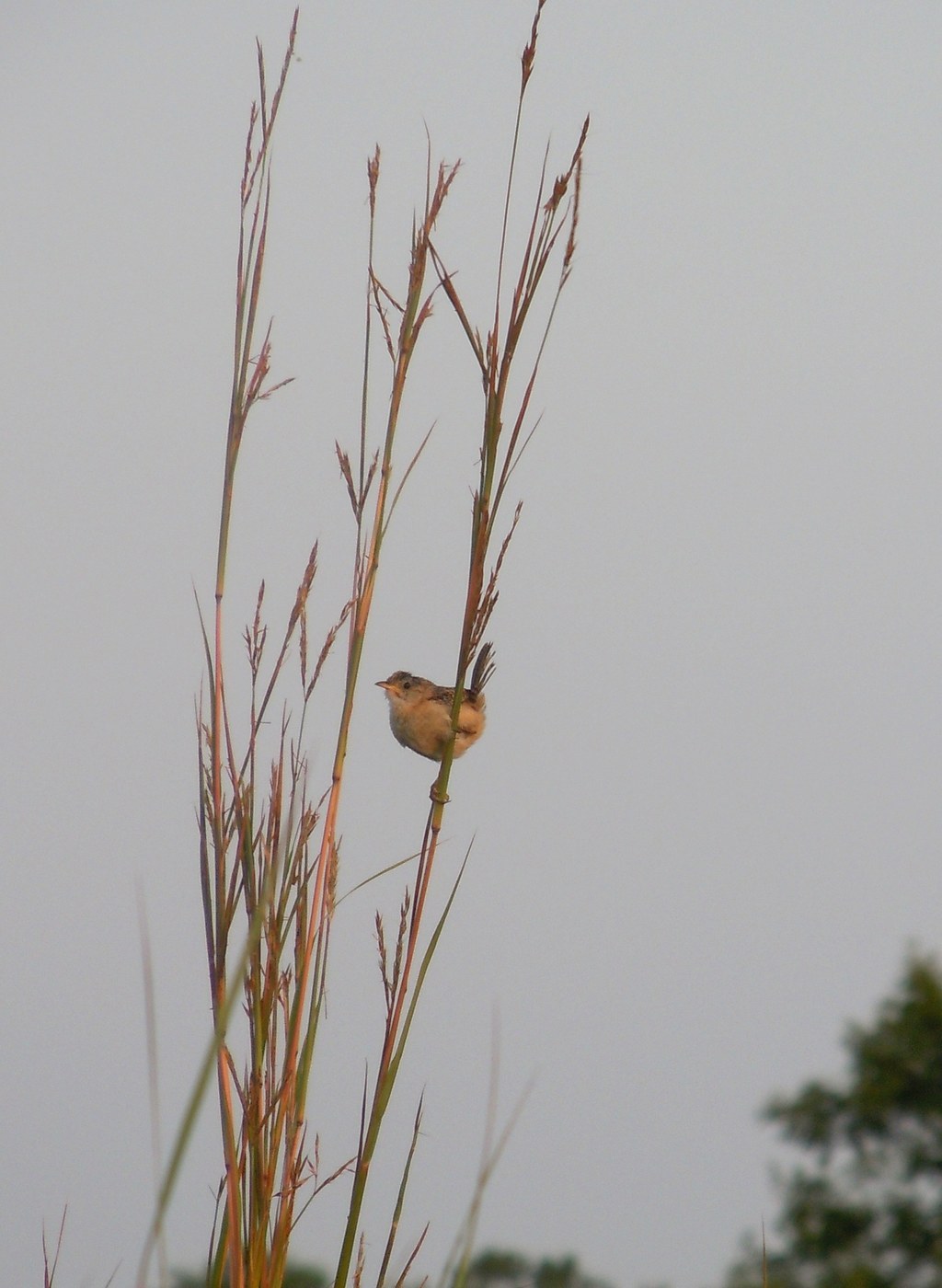
Sedge Wren
Tiny streaked crown and back feathers

Yellow-winged Cacique
Glossy black body feathers, yellow wing patch, shaggy crest

Yellow Warbler
Small contour and flight feathers
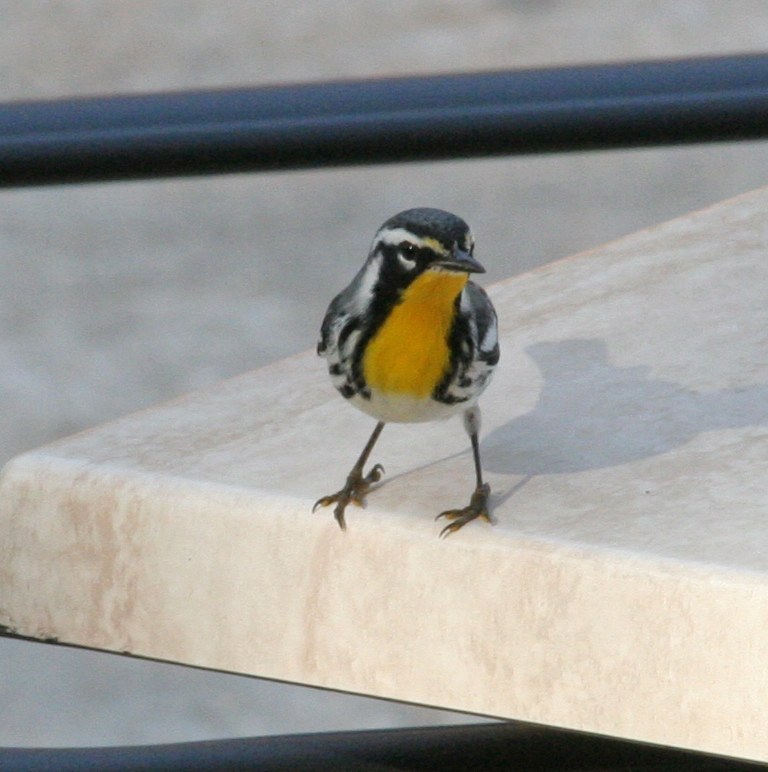
Yellow-throated Warbler
Small contour and flight feathers
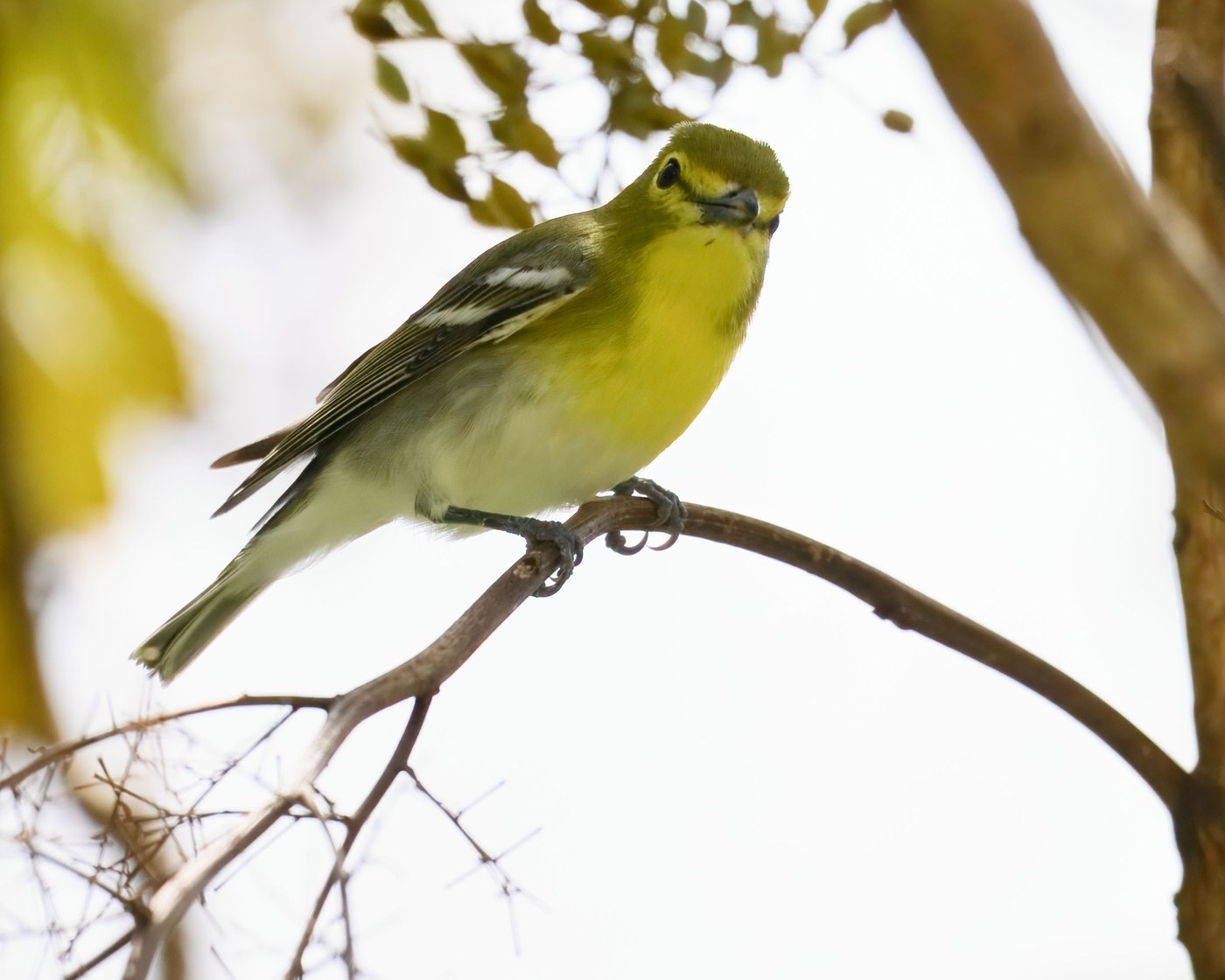
Yellow-throated Vireo
Bright yellow throat and spectacle feathers; olive-green back feathers; two white wing-bar feathers

Yellow-rumped Warbler
Small contour and flight feathers
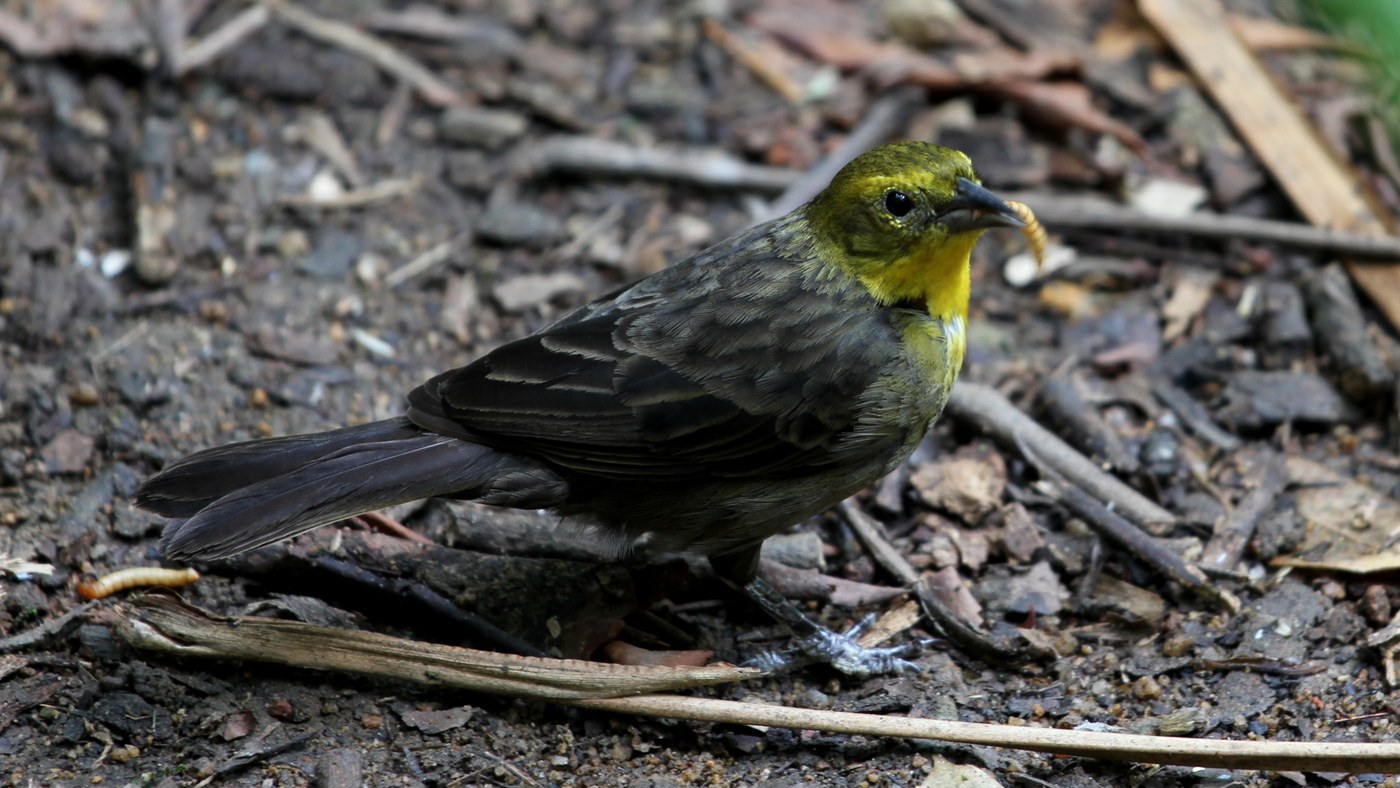
Yellow-hooded Blackbird
Contrasting hood and body feathers
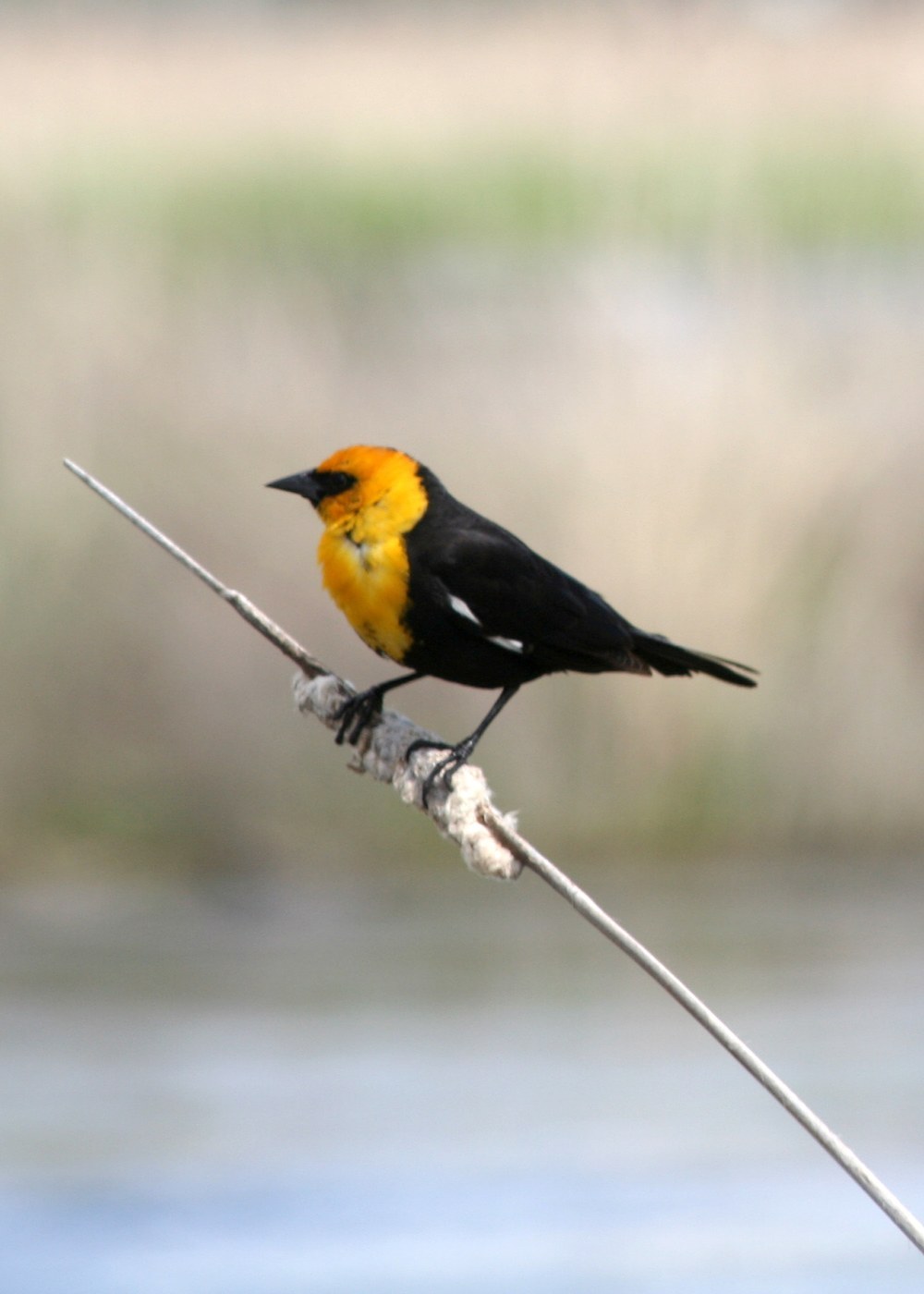
Yellow-headed Blackbird
Glossy black body plumage with a bright yellow head and breast

Yellow-eyed Junco
Contour and flight feathers

Yellow-fronted Canary
Small, smooth body plumage

Yellow-breasted Greenfinch
Compact, smooth body plumage