

Eastern Wood-Pewee
Contopus virens
A modestly plumaged woodland flycatcher known more for its plaintive whistled song than its subtle olive-gray coloring and faint wing bars.
- Feather type
- Contour, body plumage
- Colours
- Olive-gray upperparts, pale grayish underparts, two whitish wing bars
- Bird size
- Sparrow-sized, ~15 cm
Found a feather like this?
Identify any feather from a photo, free.
Overview
Overview
The Eastern Wood-Pewee is a small, plainly plumaged flycatcher of deciduous and mixed forests across eastern North America, more often identified by its slow, plaintive whistled song than by its subtle plumage. It typically perches quietly on a mid-story branch, watching for insects before sallying out and returning to the same or a nearby perch.
Its coloration is understated: olive-gray upperparts, pale grayish underparts with a faint wash across the breast, and two whitish wing bars that provide the main plumage detail on an otherwise plain bird.
Identifying the Feather
Feather ID Notes
Eastern Wood-Pewee feathers are subdued olive-gray above and pale grayish-white below, with a faint darker wash across the breast that fades into a whiter belly. Two pale, moderately distinct wing bars are visible on the folded wing, formed by pale tips to the wing covert feathers.
- Head/back feathers: olive-gray, unmarked
- Breast feathers: pale grayish, slightly darker than the belly
- Wing feathers: dark with two whitish wing bars
- Lacks a bold eye-ring, distinguishing it from Empidonax flycatchers The combination of longer wings relative to body size, a fairly long primary projection, and the absence of a strong eye-ring separates this species from similarly plumaged Empidonax flycatchers, though visual separation from Western Wood-Pewee is very difficult and often relies on range and voice.
Plumage & Molt
Plumage Details
Sexes look alike in this species, both showing the same olive-gray and pale gray pattern with faint wing bars year-round. Juveniles show buffier wing bars and slightly warmer overall tones that fade to the duller adult pattern after their first molt. There is no distinct seasonal plumage change, though wing bars can appear more contrasting on fresh fall-molted feathers than on worn breeding-season plumage.
Habitat & Range
Habitat & Range
This species breeds in deciduous and mixed forest interiors and edges across eastern North America, favoring areas with an open understory beneath a closed canopy. It is a long-distance migrant, wintering in South America, particularly in forested regions of the Amazon basin and northern Andes foothills.
Behavior & Field Notes
Behavior & Field Notes
Eastern Wood-Pewees forage by sallying from a fixed perch to catch flying insects, often returning to the same branch repeatedly, a classic "perch-and-sally" flycatching style. Diet is almost entirely flying insects. Nests are small, shallow cups saddled on a horizontal branch, often camouflaged with lichen on the exterior. The song is a slow, plaintive, whistled "pee-a-wee" that is one of the most recognizable and far-carrying sounds of eastern deciduous forest in summer.
Frequently asked questions
How do you tell Eastern Wood-Pewee feathers from Empidonax flycatchers?
It lacks the bold eye-ring typical of Empidonax species and has relatively longer wings with a longer primary projection.
Can Eastern and Western Wood-Pewee be told apart by feathers alone?
Visual separation is very difficult since the two species look nearly identical; range and voice are usually more reliable.
What is distinctive about this species' song?
A slow, plaintive, whistled "pee-a-wee" phrase that is a signature sound of eastern forests in summer.
Where does the Eastern Wood-Pewee spend winter?
It migrates to South America, wintering mainly in forested parts of the Amazon basin and nearby Andes foothills.
Eastern Wood-Pewee guides
In-depth guides for identifying and understanding Eastern Wood-Pewee.

Other feathers you may enjoy

Yellow-breasted Bunting
Contour and flight feathers, chestnut-and-yellow breeding pattern
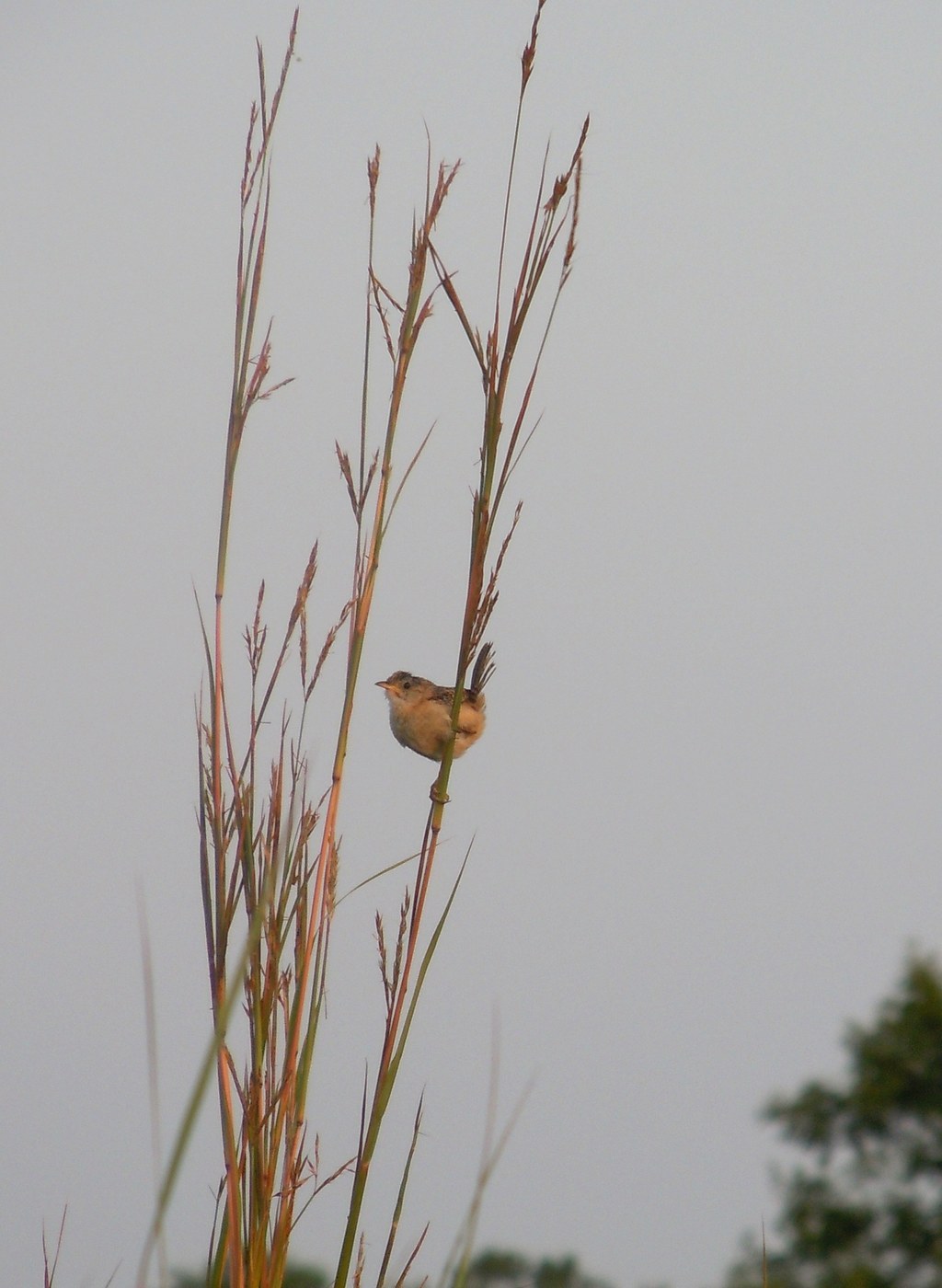
Sedge Wren
Tiny streaked crown and back feathers

Yellow-winged Cacique
Glossy black body feathers, yellow wing patch, shaggy crest

Yellow Warbler
Small contour and flight feathers
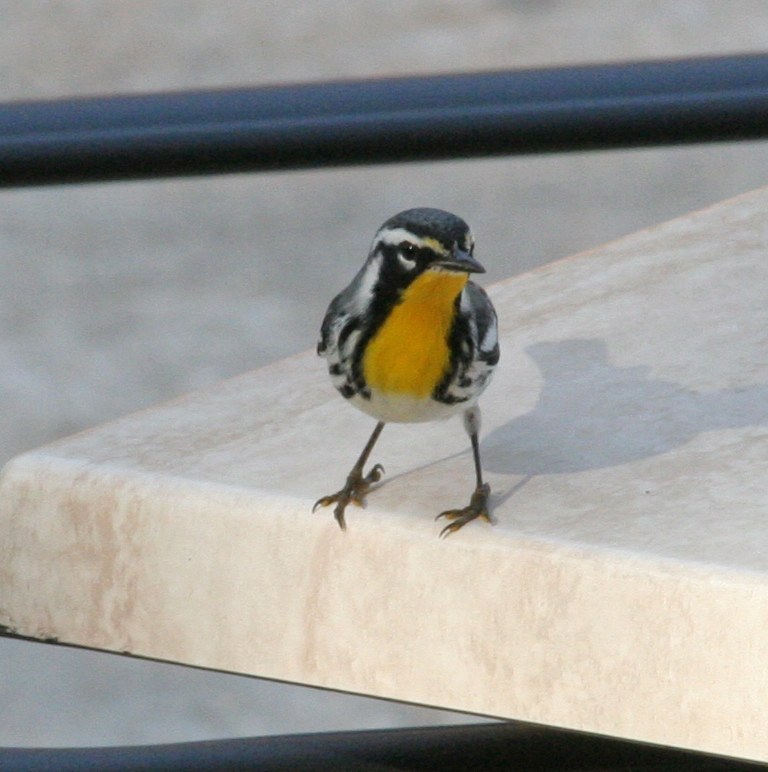
Yellow-throated Warbler
Small contour and flight feathers
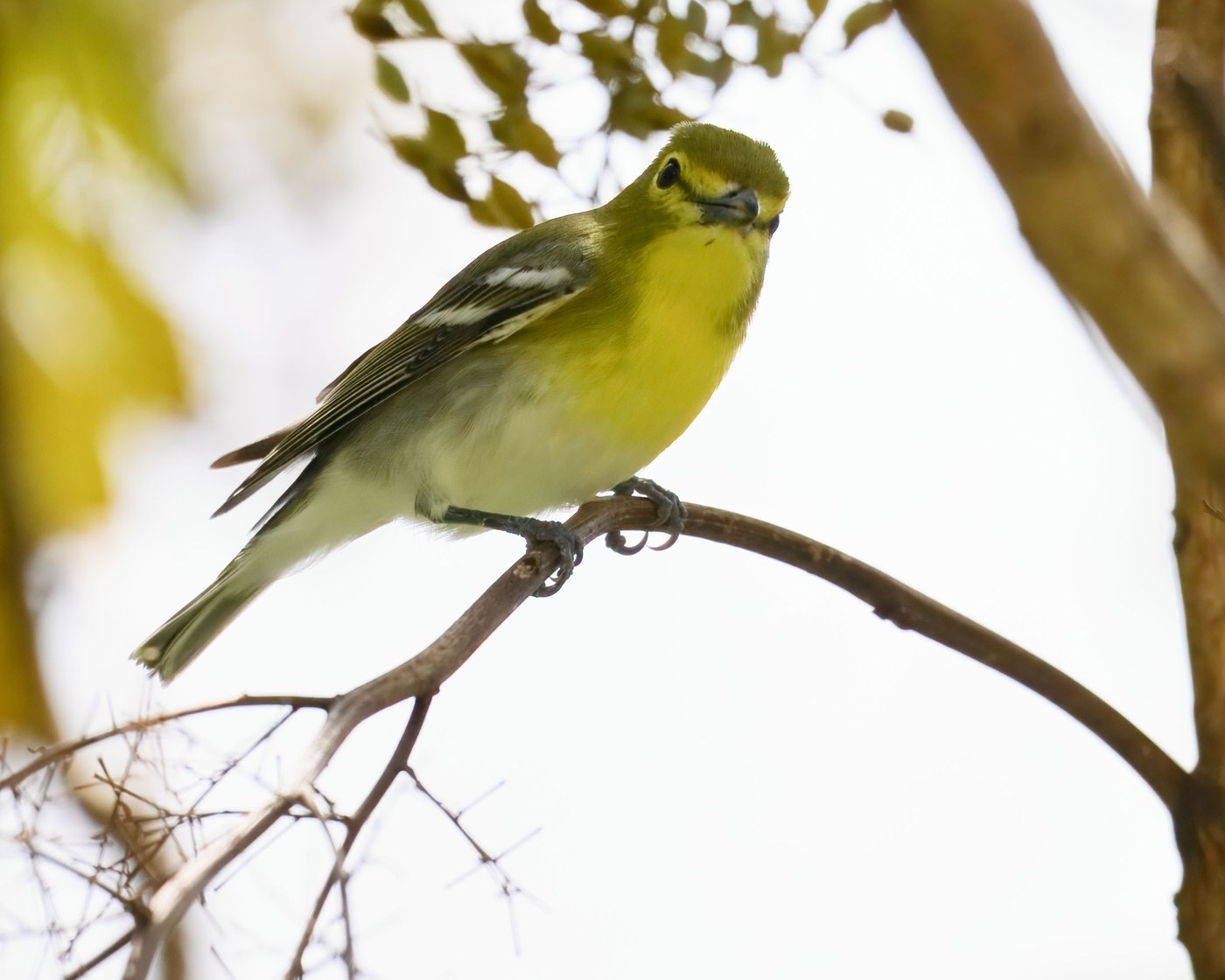
Yellow-throated Vireo
Bright yellow throat and spectacle feathers; olive-green back feathers; two white wing-bar feathers

Yellow-rumped Warbler
Small contour and flight feathers
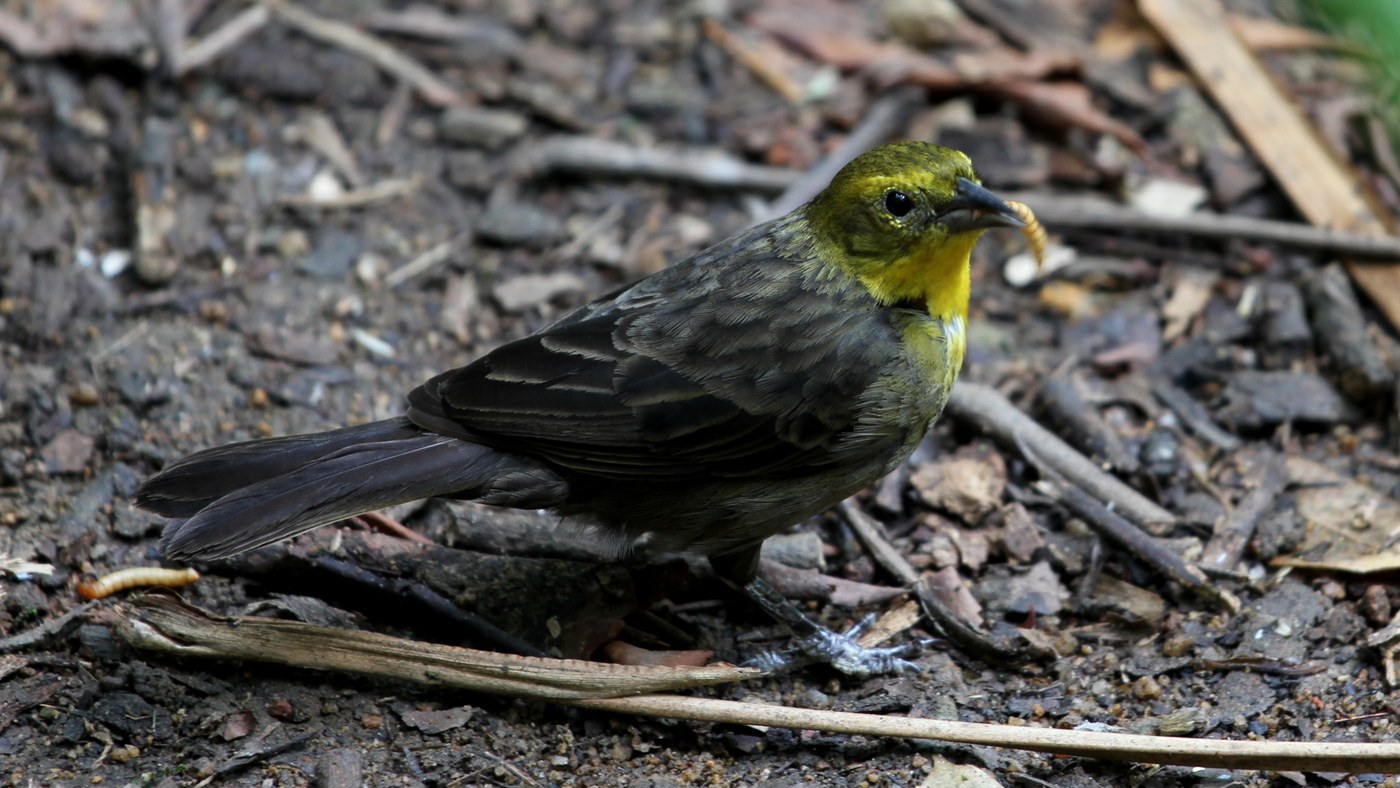
Yellow-hooded Blackbird
Contrasting hood and body feathers
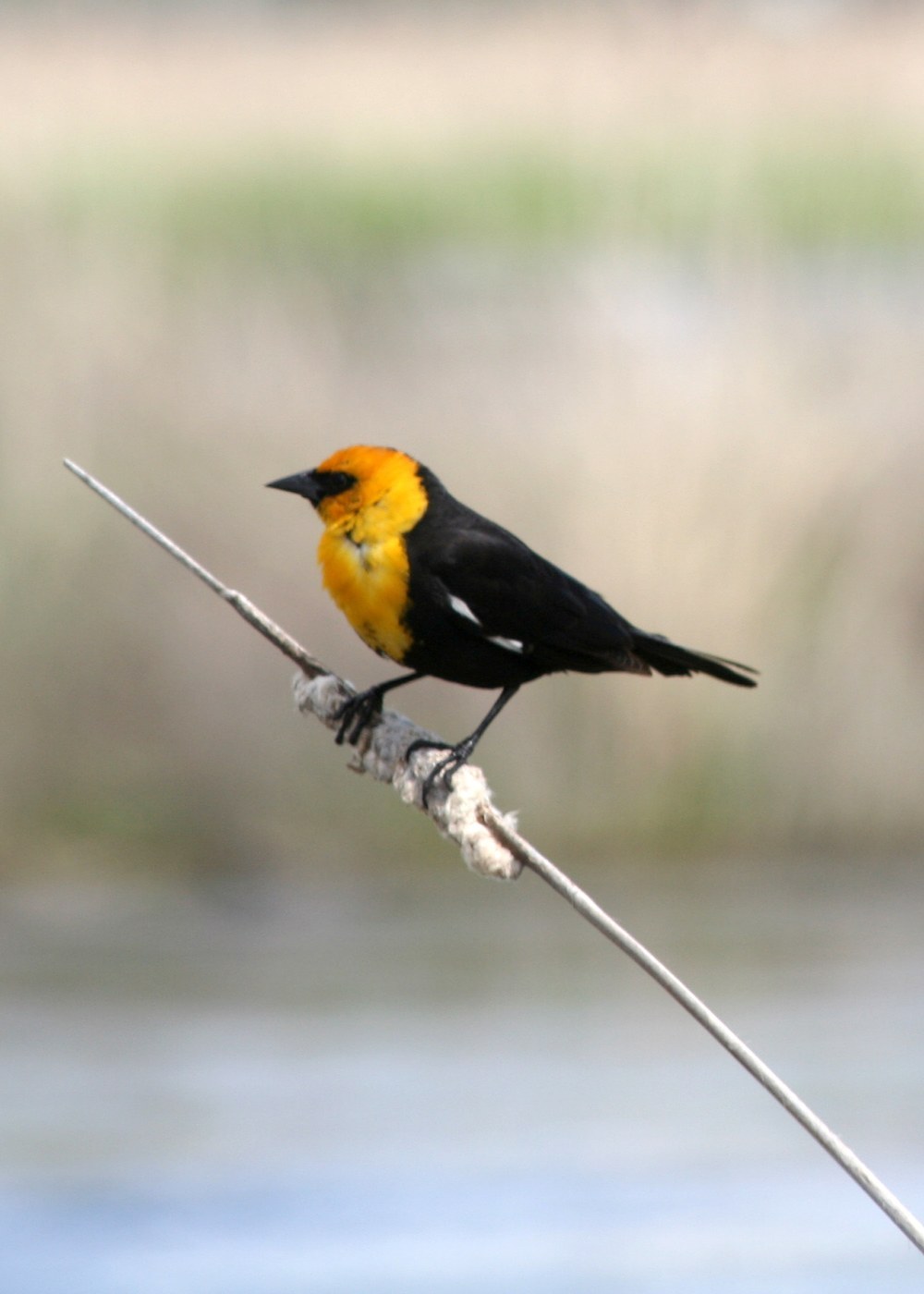
Yellow-headed Blackbird
Glossy black body plumage with a bright yellow head and breast

Yellow-eyed Junco
Contour and flight feathers

Yellow-fronted Canary
Small, smooth body plumage

Yellow-breasted Greenfinch
Compact, smooth body plumage