
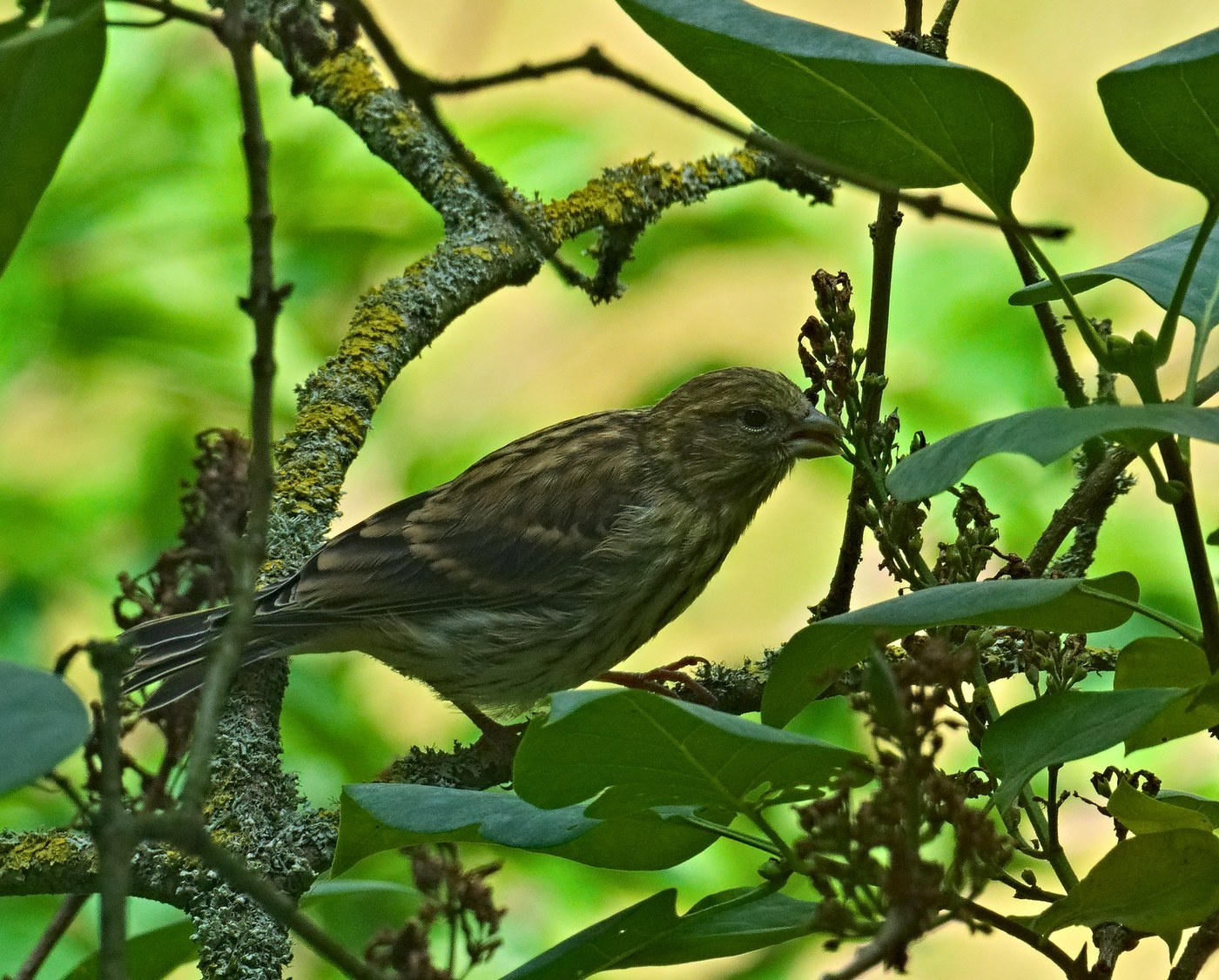
European Serin
Serinus serinus
A tiny, streaky yellow-green finch with a short stubby bill and a bright yellow face and rump in breeding males.
- Feather type
- Small, compact body plumage
- Colours
- Yellow-green streaked upperparts, bright yellow face and breast (male)
- Bird size
- Small finch, ~11-12 cm
Found a feather like this?
Identify any feather from a photo, free.
Overview
Overview
The European Serin is one of the smallest finches in Europe, a compact, streaky bird often found in gardens, parks, and orchards across southern and central parts of the continent. Its stubby conical bill and diminutive size distinguish it from most other European finches.
Males show a notably bright yellow face, throat, and breast set against streaked olive-green upperparts, while females are duller and more heavily streaked overall, making the species easiest to identify by its small size and bill shape alongside color.
Identifying the Feather
Feather Identification
- Male body feathers: bright yellow face, throat, and breast, with streaked olive-green upperparts and a yellow rump.
- Female/immature body feathers: duller, more heavily streaked with less yellow, giving an overall greyer-green impression.
- Bill: notably short and stubby compared to other small finches, a helpful identification cue alongside plumage.
- Rump feathers: yellow, visible in flight in both sexes though brighter in males.
- Distinguishing from similar species: smaller and shorter-billed than European Greenfinch, with more streaking than that species shows.
Plumage & Molt
Plumage Details
Adult males display a bright yellow face, throat, and breast contrasting with streaked olive-green upperparts and flanks, plus a yellow rump patch. Females and immatures show a more subdued, heavily streaked plumage with far less yellow, appearing greyer overall. Juveniles are duller still, with fine streaking throughout and little to no yellow tone until later molts.
Habitat & Range
Habitat & Range
European Serins inhabit gardens, orchards, parks, and open woodland edges across southern and central Europe, with a range that has expanded northward over past decades. Populations in milder regions are largely resident, while northern breeders may migrate short distances to overwinter in the Mediterranean region.
Behavior & Field Notes
Behavior & Field Notes
Serins feed mainly on small seeds gathered from the ground or low vegetation, often in small flocks outside the breeding season. Their song is a fast, jingling, wheezy trill, often delivered from an exposed perch or in a fluttering display flight. Nests are built in trees or shrubs, often in gardens or orchards close to human habitation. Small size, a short stubby bill, and heavy streaking help separate this species from the larger, less streaked European Greenfinch.
Frequently asked questions
What color are male European Serin feathers?
Males show a bright yellow face, throat, and breast with streaked olive-green upperparts and a yellow rump.
How does this species differ from the European Greenfinch?
The Serin is notably smaller with a shorter, stubbier bill and heavier streaking on the upperparts compared to the plainer, larger Greenfinch.
Are female Serins as brightly colored as males?
No, females are duller and more heavily streaked with much less yellow, appearing greyer overall.
Is the European Serin migratory?
Southern populations tend to be resident, while northern breeding birds often migrate short distances to spend winter in milder regions.
European Serin guides
In-depth guides for identifying and understanding European Serin.

Other feathers you may enjoy

Yellow-breasted Bunting
Contour and flight feathers, chestnut-and-yellow breeding pattern
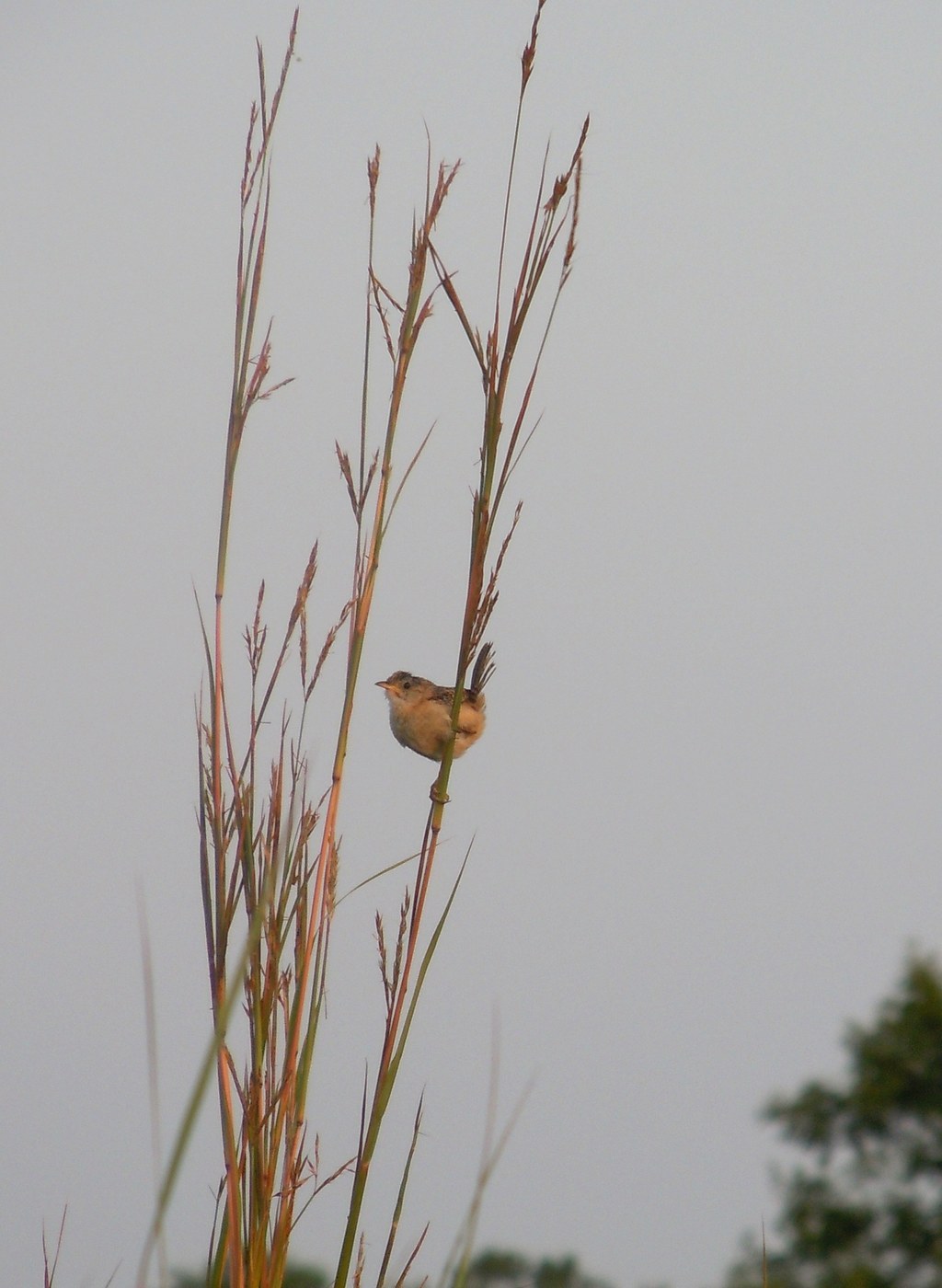
Sedge Wren
Tiny streaked crown and back feathers

Yellow-winged Cacique
Glossy black body feathers, yellow wing patch, shaggy crest

Yellow Warbler
Small contour and flight feathers
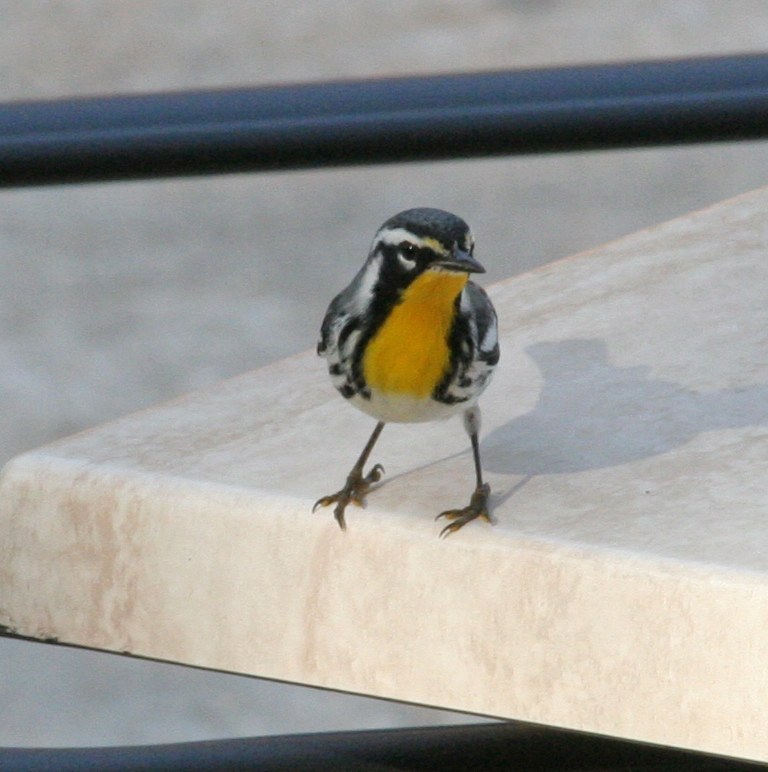
Yellow-throated Warbler
Small contour and flight feathers
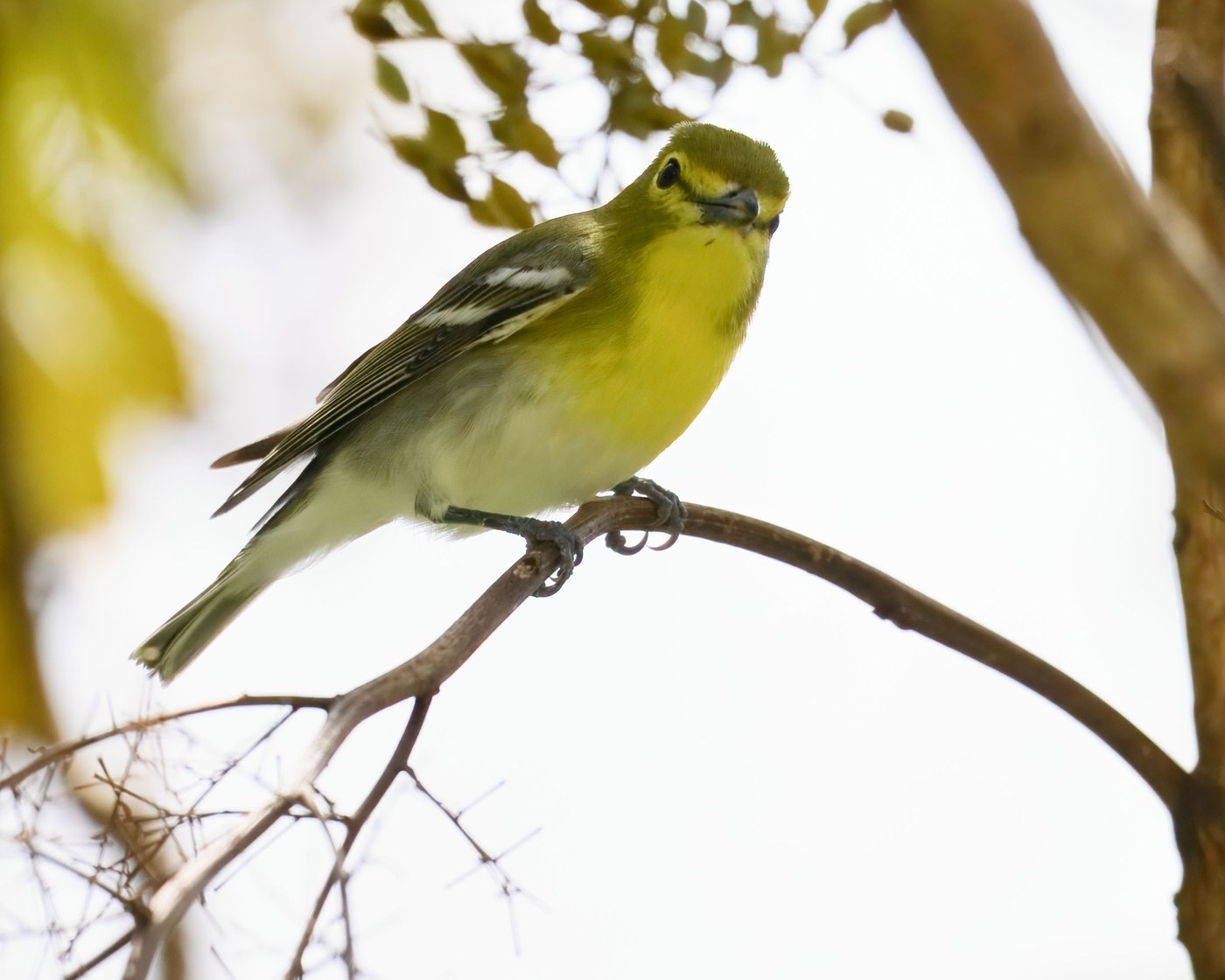
Yellow-throated Vireo
Bright yellow throat and spectacle feathers; olive-green back feathers; two white wing-bar feathers

Yellow-rumped Warbler
Small contour and flight feathers
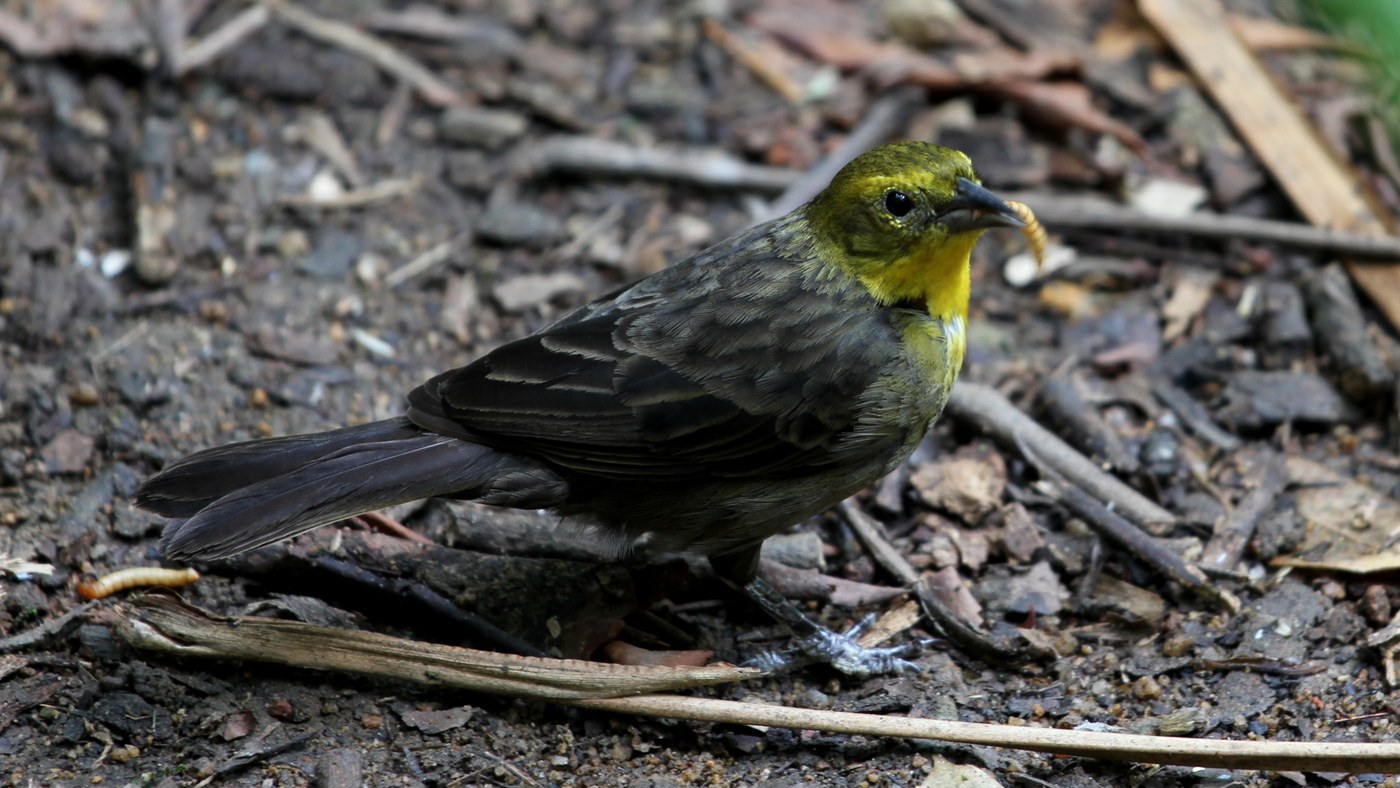
Yellow-hooded Blackbird
Contrasting hood and body feathers
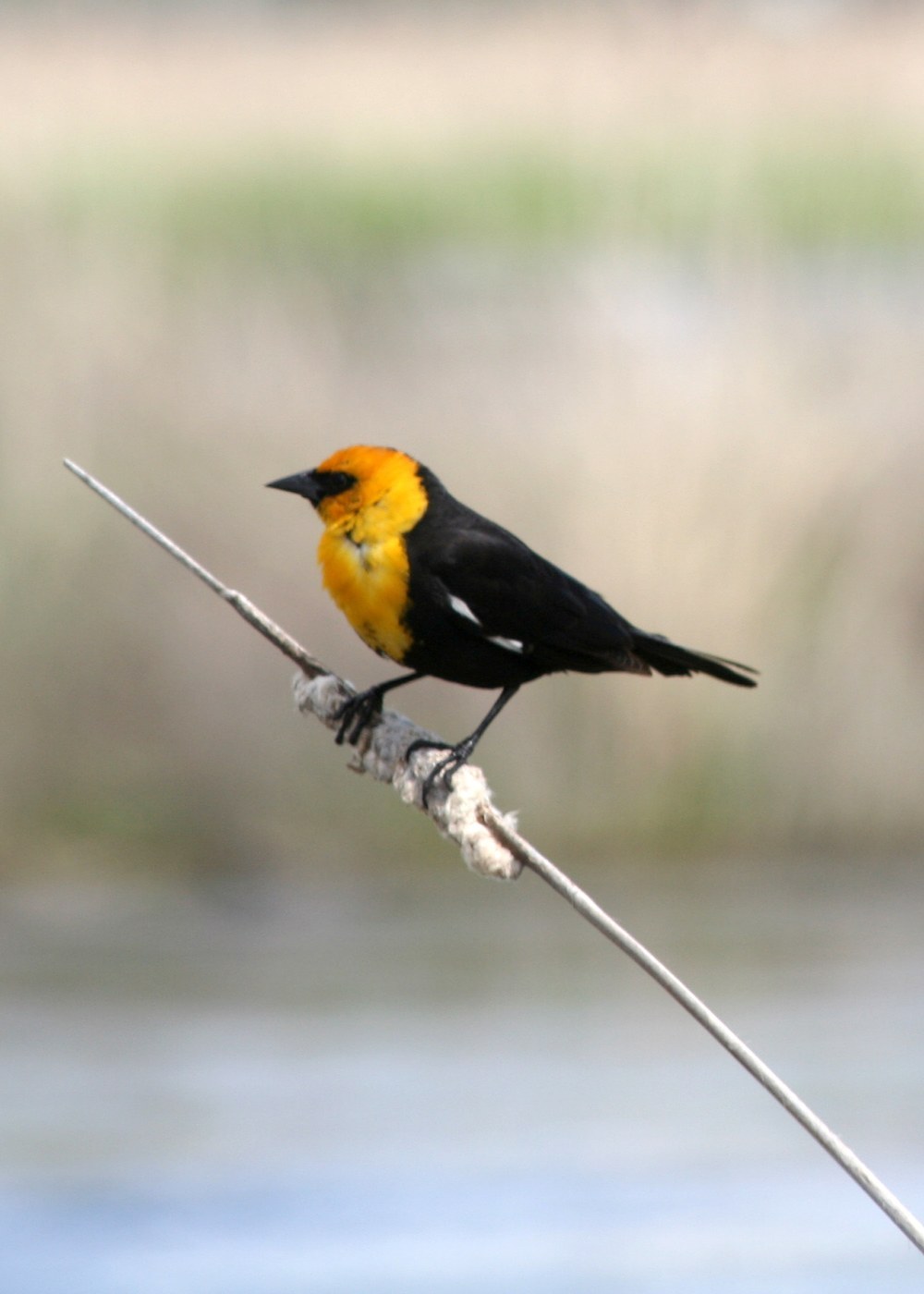
Yellow-headed Blackbird
Glossy black body plumage with a bright yellow head and breast

Yellow-eyed Junco
Contour and flight feathers

Yellow-fronted Canary
Small, smooth body plumage

Yellow-breasted Greenfinch
Compact, smooth body plumage