

Gang-gang Cockatoo
Callocephalon fimbriatum
A small, distinctive Australian cockatoo, the Gang-gang shows scaly gray body plumage in both sexes, with males further marked by a bright red head and a wispy, curled crest.
- Feather type
- Soft contour feathers with scalloped edging; wispy, curled crest feathers
- Colours
- Slate-gray body with pale scalloped feather edges; red head and crest in males
- Bird size
- Pigeon-sized, ~32-37 cm
Found a feather like this?
Identify any feather from a photo, free.
Overview
The Gang-gang Cockatoo is a small cockatoo of cool temperate forest in southeastern Australia, notable for its scalloped gray body plumage and, in males, a striking red head with a loosely curled crest. It is generally quieter and less conspicuous than many other cockatoos until its distinctive creaky call is heard.
Identifying the Feather
Body feathers in both sexes are slate-gray with pale, scalloped edging that creates a scaly, textured appearance across the back and underparts, a pattern not shared by most other cockatoos. Males show bright red feathering across the head and a wispy, thin, upward-curling crest quite different from the broader crests of other cockatoo species. Females lack the red head, instead showing gray feathering with scalloped edging extending onto the head, and a shorter, less curled crest. Flight feathers are gray with darker tips. The combination of scalloped body feathers with either a red male head or all-gray female head readily separates this species from other cockatoos.
Plumage & Molt
This species shows clear sexual dimorphism, with males displaying a red head and crest while females have an entirely gray head. Juveniles resemble females initially, with young males gradually acquiring red head feathering as they mature. Molt is gradual, maintaining the scalloped body pattern year-round.
Habitat & Range
Gang-gang Cockatoos inhabit cool temperate forest, particularly at higher elevations, in southeastern Australia. Some populations move to lower elevations or more open habitats, including urban areas, during colder months, representing a partial altitudinal movement rather than long-distance migration.
Behavior & Field Notes
This species feeds on seeds, particularly from eucalypts and introduced trees, as well as berries and other plant material, often foraging quietly in the canopy. It nests in tree hollows. Its call is a distinctive creaking or growling note, quite different from the harsh screeches of many other cockatoos, often likened to a rusty gate or cork being pulled from a bottle. Gang-gangs can be surprisingly unobtrusive despite their bright plumage, often detected by call before being seen.
Frequently asked questions
How can you tell a male from a female Gang-gang Cockatoo by feathers?
Males have a bright red head and crest, while females have an entirely gray head with the same scalloped body pattern.
What does the Gang-gang's scalloped feather pattern look like?
Body feathers have pale edges that create a scaly, textured appearance across the back and underparts in both sexes.
What does its call sound like?
A distinctive creaking or growling note, often compared to a rusty gate, quite different from the harsh screech of many other cockatoos.
Does this species migrate?
It makes partial seasonal movements to lower elevations or more open habitats in colder months rather than true long-distance migration.
Gang-gang Cockatoo guides
In-depth guides for identifying and understanding Gang-gang Cockatoo.

Gang-gang Cockatoo identified by the community
Real feathers identified with Feather Identifier.

Other feathers you may enjoy
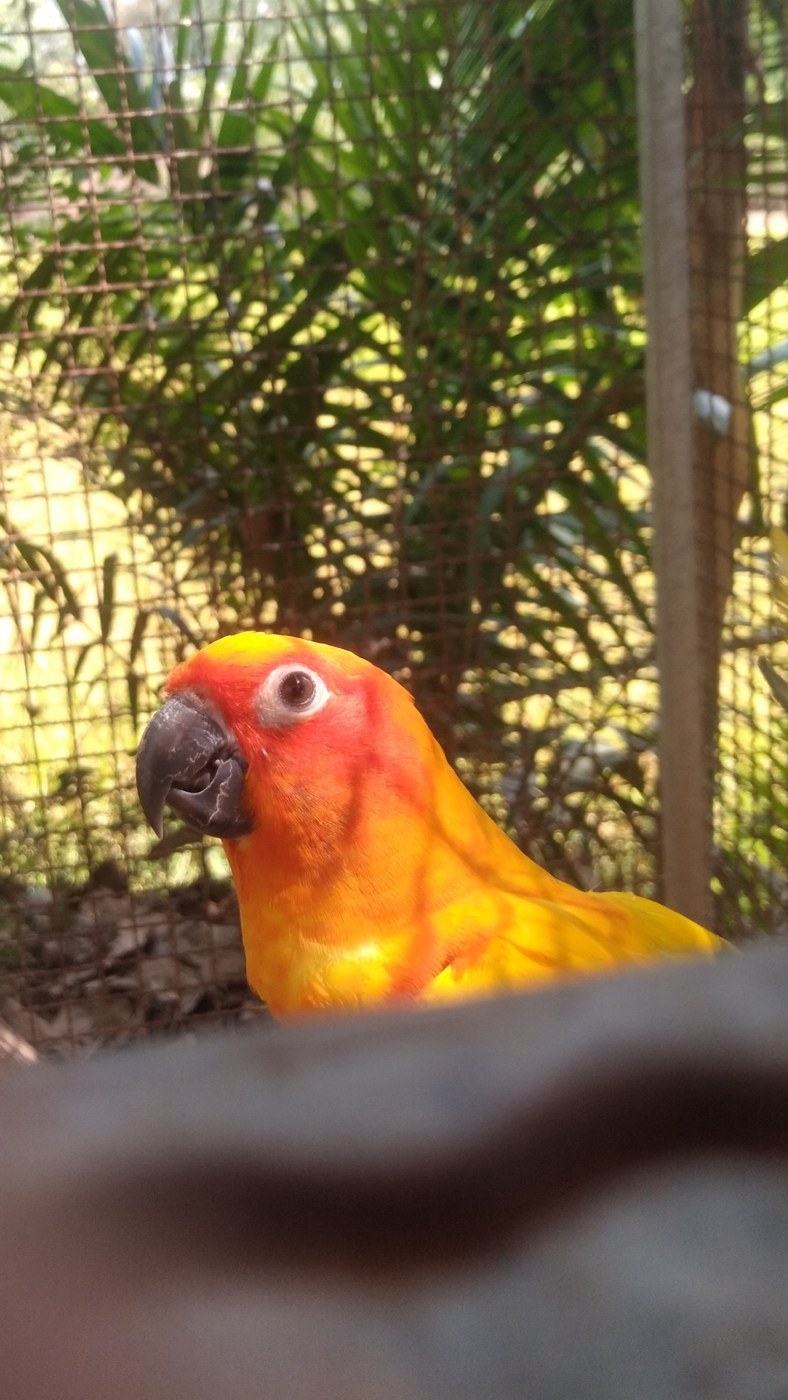
Sun Parakeet
Bright, dense body contour feathers; medium pointed tail feathers

Yellow-naped Amazon
Broad rounded contour feathers with sturdy flight feathers
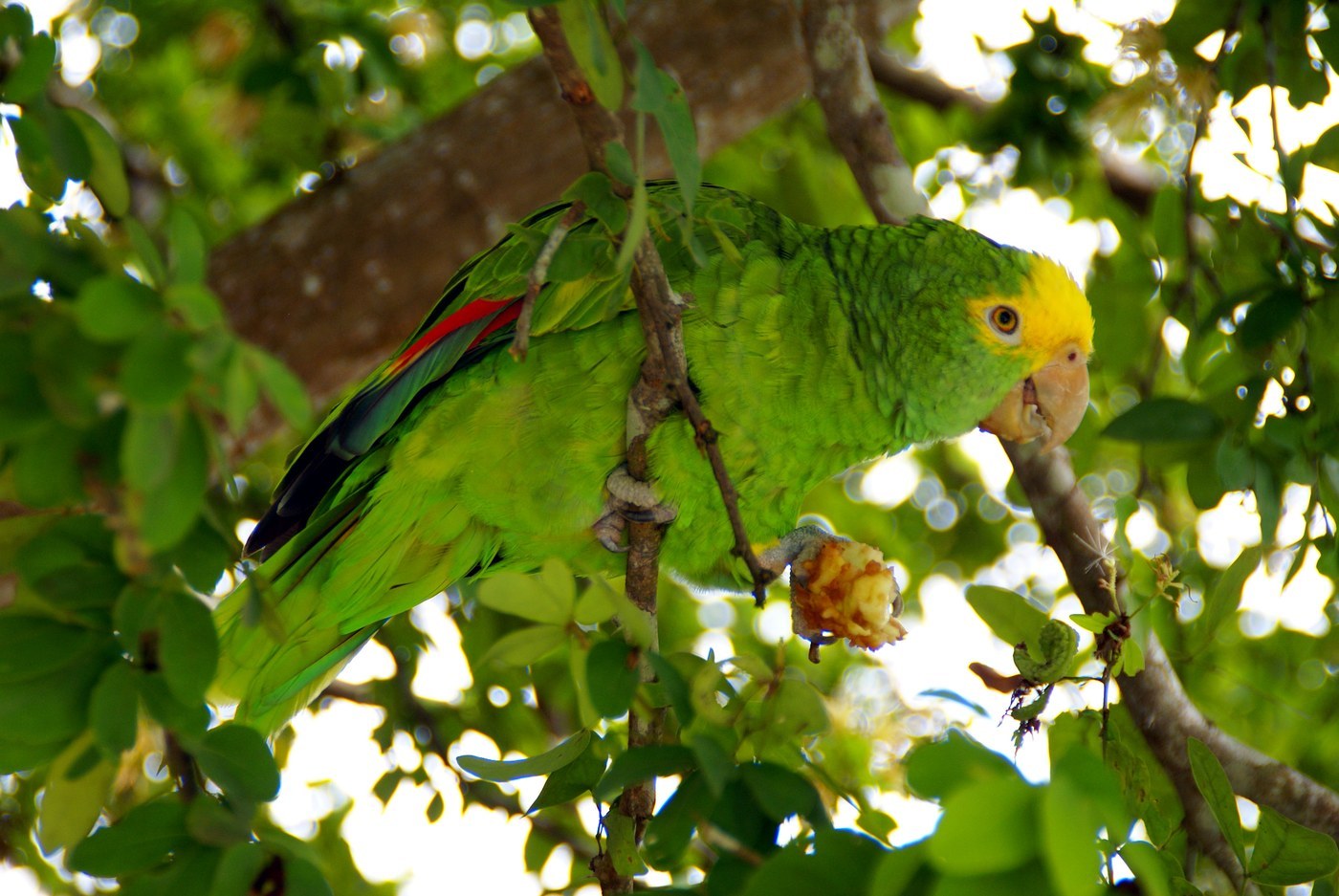
Yellow-headed Amazon
Dense, rounded body contour feathers; broad flight feathers
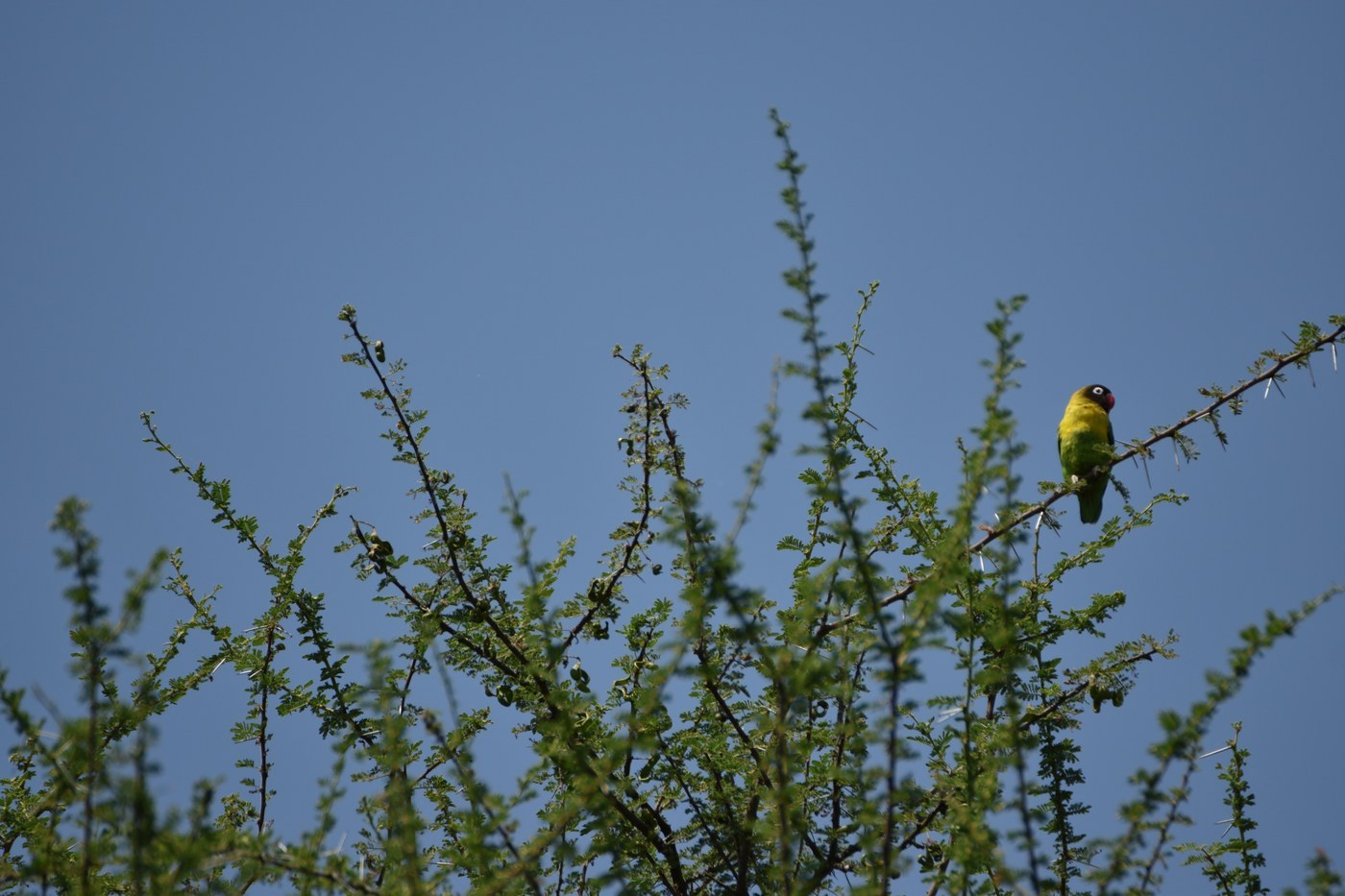
Yellow-collared Lovebird
Small compact flight feathers, short rounded tail

White-eyed Conure
Medium contour and long, graduated tail feathers

Yellow-tailed Black Cockatoo
Large, sturdy contour and flight feathers; short crest

Scarlet-chested Parrot
Small contour and flight feathers

Timneh Parrot
Broad flight feathers, scalloped body feathers with pale edges
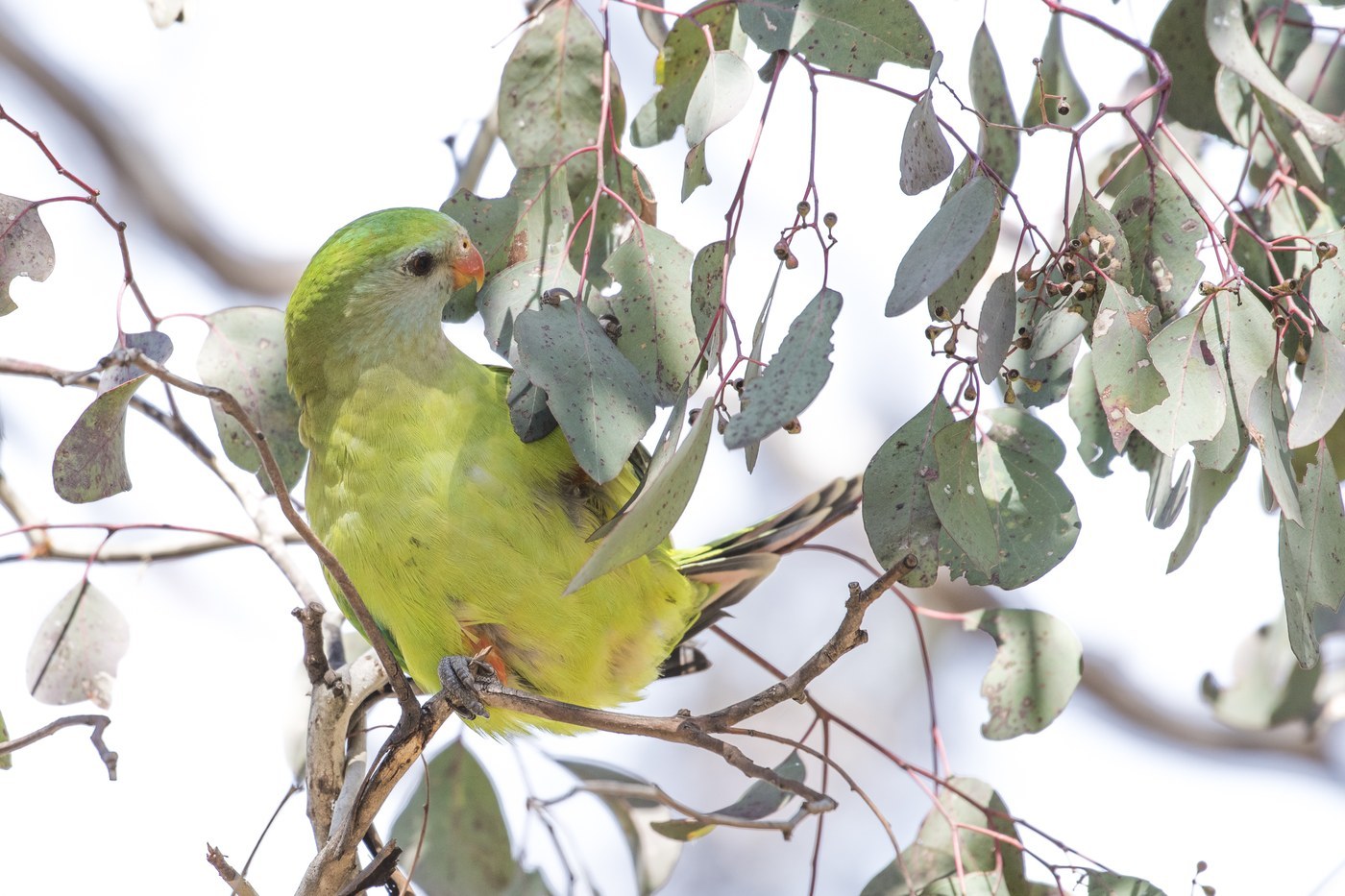
Superb Parrot
Sleek contour feathers with a long tapering tail

Red-shouldered Macaw
Compact body contour feathers; medium flight and tail feathers
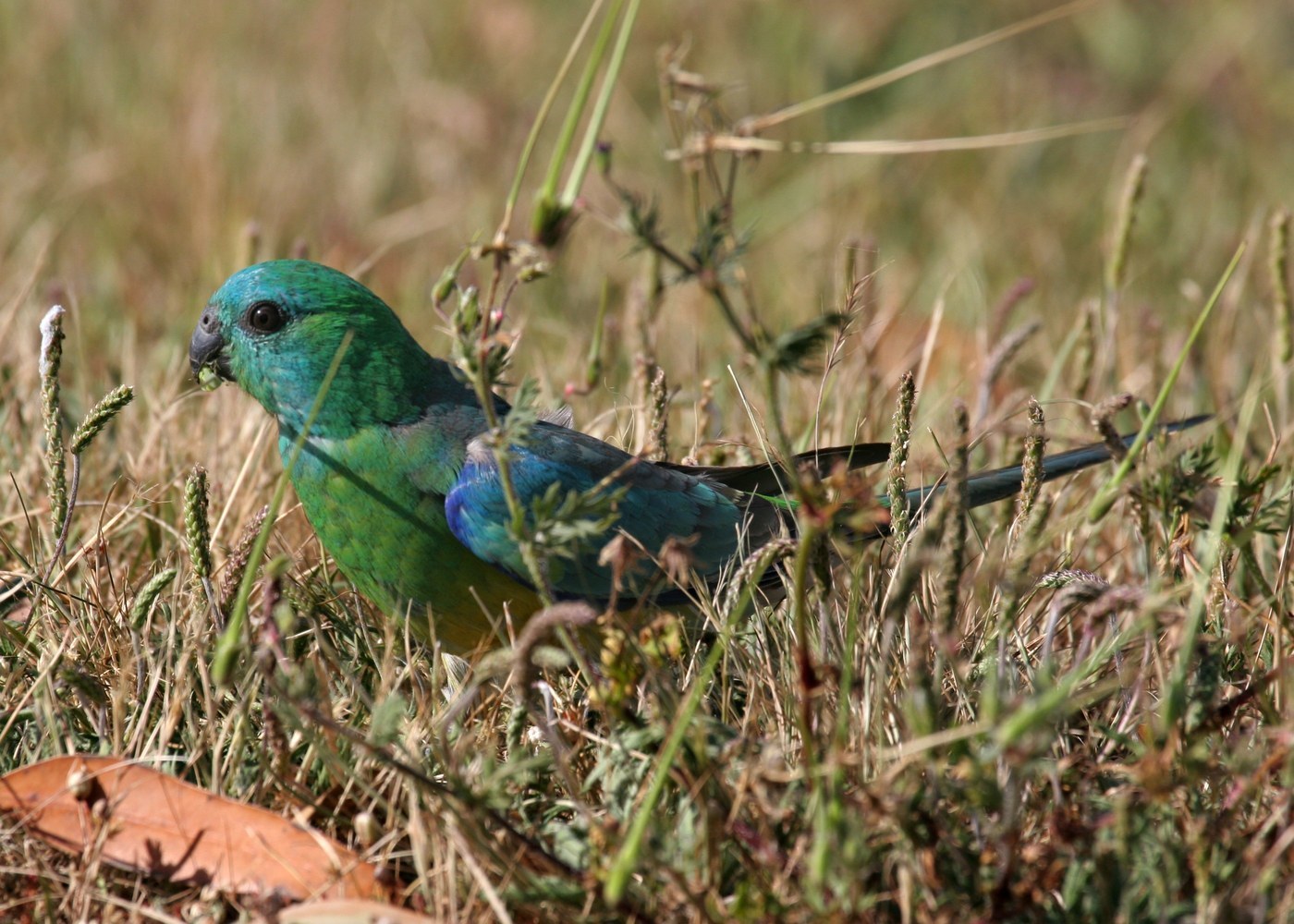
Red-rumped Parrot
Sleek contour feathers with a bright rump patch in males

White-capped Pionus
Compact contour feathers and short, squared tail feathers