

Green-rumped Parrotlet
Forpus passerinus
The Green-rumped Parrotlet is a tiny South American parrot, mostly green in both sexes, with males distinguished by blue patches on the wings and back.
- Feather type
- Tiny, tightly packed contour feathers typical of parrotlets
- Colours
- Green body overall, with males showing blue on the wing coverts and lower back
- Bird size
- Very small, ~12 cm
Found a feather like this?
Identify any feather from a photo, free.
Overview
Overview
The Green-rumped Parrotlet is widespread across grassland, savanna, and open woodland habitats of northern South America, including coastal regions and some Caribbean islands where it has been introduced. It is among the smallest parrot species.
- Compact body with a short, squared tail
- Pale, stubby bill
- Clear sexual difference in wing coloring
Identifying the Feather
Feather Identification
Both sexes are predominantly green, but males show blue feathering on the wing coverts and rump/lower back that is absent in females, which appear more uniformly green throughout.
- Flight feathers: Green in females; males show blue in the wing coverts and sometimes the outer secondaries
- Tail feathers: Short and green in both sexes
- Sex-based mark: Blue on the wing and lower back reliably indicates a male
Compared to the Pacific Parrotlet, blue in male Green-rumped Parrotlets tends to be concentrated on the wing coverts and rump rather than including a distinct eye-stripe, offering a subtle separating point between the two species.
Plumage & Molt
This species shows clear sexual dimorphism, with males carrying blue wing and rump feathers that females lack. Juveniles resemble females initially, and young males gradually acquire blue feathering with maturity. Molt occurs gradually throughout the year.
Habitat & Range
Green-rumped Parrotlets occupy open grassland, savanna, scrub, and cultivated land with scattered trees across northern South America and some coastal and island areas. They are largely resident, with only local movements tied to food supply.
Behavior & Field Notes
These small parrots are social, often foraging in pairs or small flocks on the ground and in low vegetation for grass and other seeds. They nest in natural cavities, fence posts, or other crevices, with both parents sharing chick-rearing duties. Vocalizations are high-pitched chirps and twitters, typically softer than those of larger parrot species.
Frequently asked questions
How can you tell male and female Green-rumped Parrotlets apart by feather?
Males show blue feathering on the wing coverts and lower back, while females lack blue and appear uniformly green.
Where is this species typically found?
It occupies open grassland, savanna, and scrub habitats across northern South America and some coastal and island areas.
How does this compare to the Pacific Parrotlet in male coloring?
Male Pacific Parrotlets show blue extending to an eye-stripe and rump, while male Green-rumped Parrotlets typically show blue concentrated on the wing coverts and lower back.
Do young birds show blue feathering right away?
No, juveniles resemble females at first, with blue developing in young males as they mature.
Green-rumped Parrotlet guides
In-depth guides for identifying and understanding Green-rumped Parrotlet.

Other feathers you may enjoy
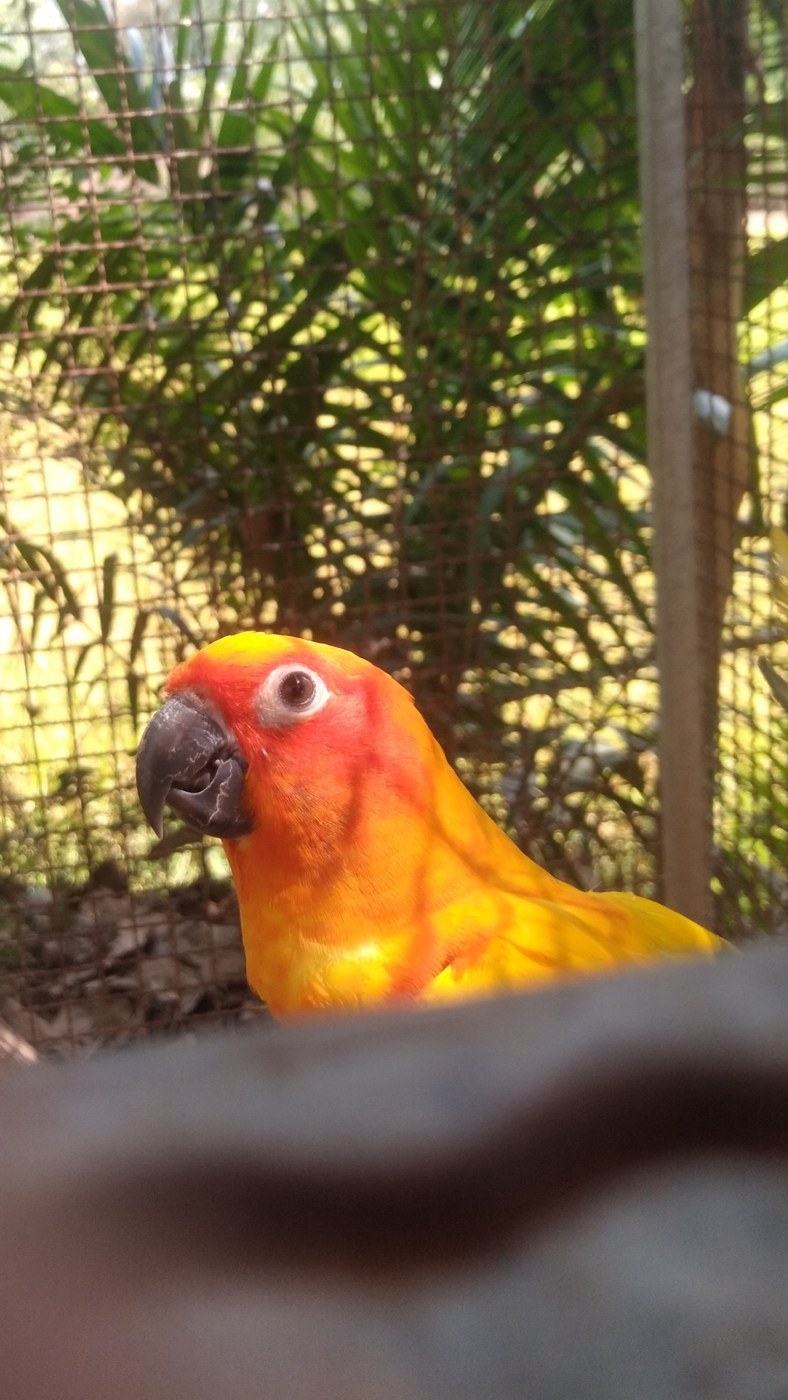
Sun Parakeet
Bright, dense body contour feathers; medium pointed tail feathers

Yellow-naped Amazon
Broad rounded contour feathers with sturdy flight feathers
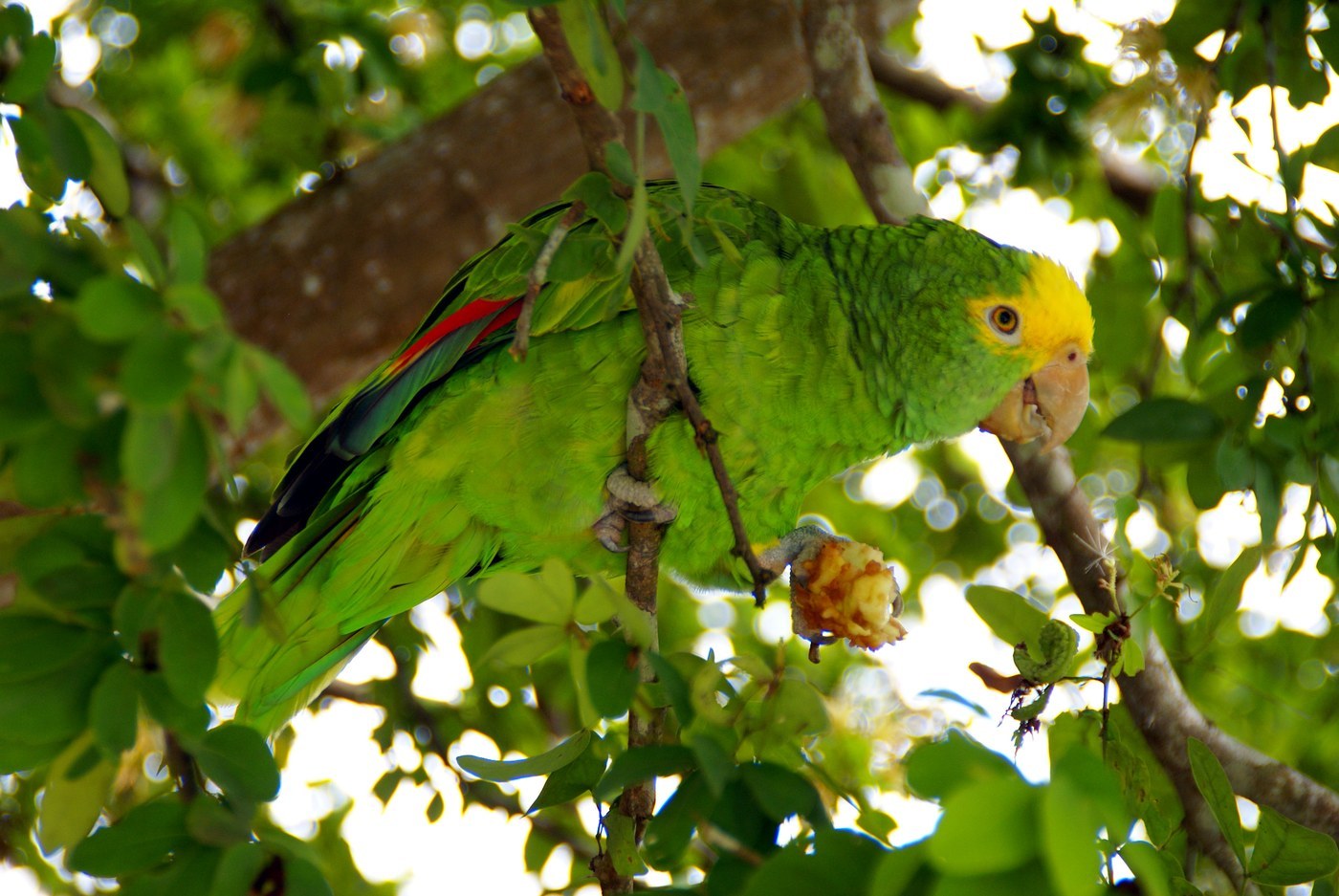
Yellow-headed Amazon
Dense, rounded body contour feathers; broad flight feathers
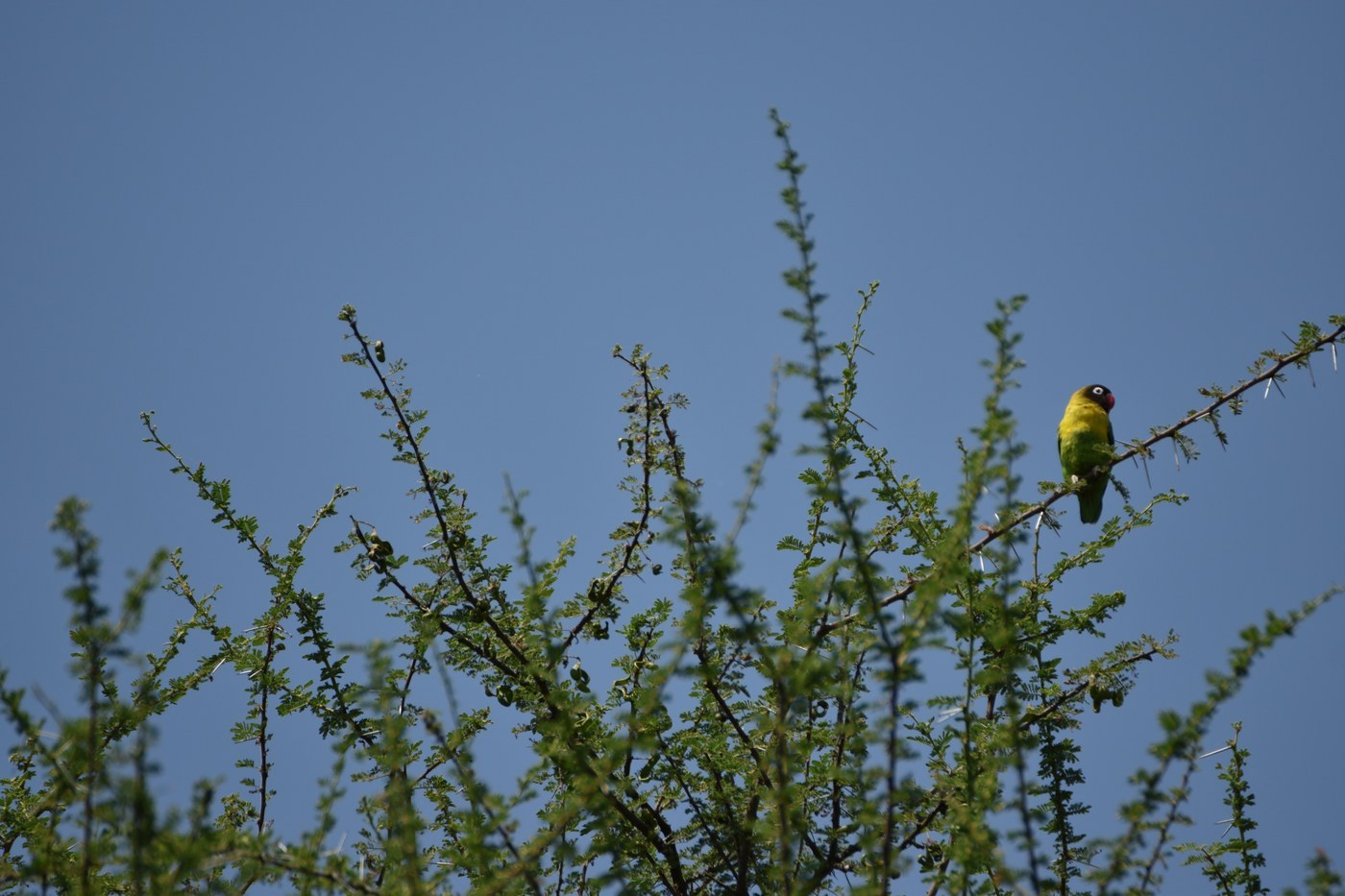
Yellow-collared Lovebird
Small compact flight feathers, short rounded tail

White-eyed Conure
Medium contour and long, graduated tail feathers

Yellow-tailed Black Cockatoo
Large, sturdy contour and flight feathers; short crest

Scarlet-chested Parrot
Small contour and flight feathers

Timneh Parrot
Broad flight feathers, scalloped body feathers with pale edges
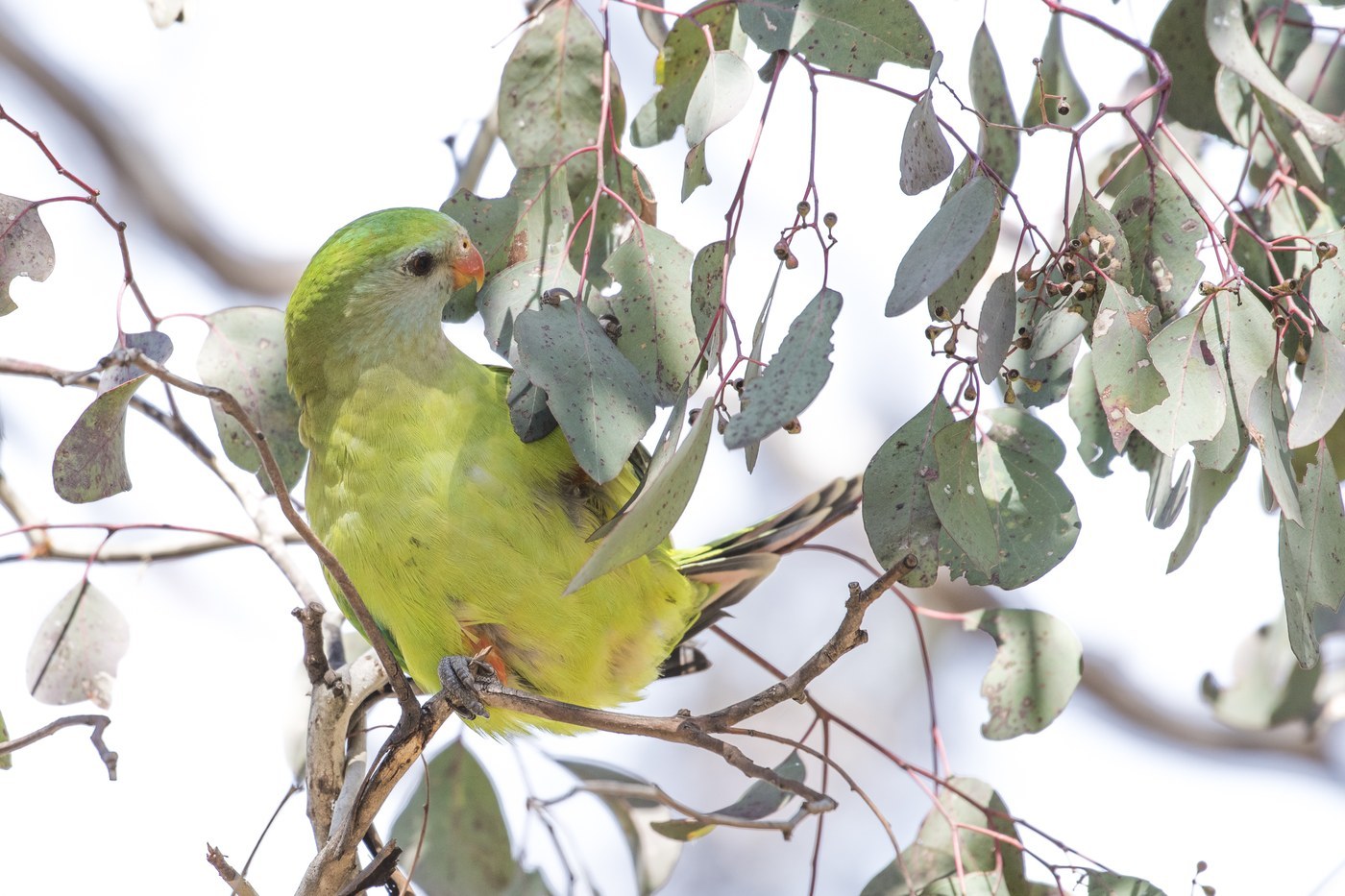
Superb Parrot
Sleek contour feathers with a long tapering tail

Red-shouldered Macaw
Compact body contour feathers; medium flight and tail feathers
Red-rumped Parrot
Sleek contour feathers with a bright rump patch in males

White-capped Pionus
Compact contour feathers and short, squared tail feathers