

Grey-headed Lovebird
Agapornis canus
A small lovebird from Madagascar showing strong sexual dimorphism: males have a pale grey head and breast against a green body, while females are entirely green.
- Feather type
- Small compact flight feathers, short rounded tail
- Colours
- Pale grey head and breast in males, contrasting with a green body; females entirely green
- Bird size
- Very small, ~13 cm
Found a feather like this?
Identify any feather from a photo, free.
Overview
Overview
The Grey-headed Lovebird, also called the Madagascar Lovebird, is the only lovebird species native to Madagascar rather than mainland Africa. It stands out among lovebirds for its pronounced difference in appearance between males and females.
Males show a distinctive pale grey head and breast against an otherwise green body, while females lack any grey and are uniformly green, making this one of the more sexually dimorphic lovebird species.
Identifying the Feather
Feather Identification
- Male head and breast: Pale silvery-grey feathers cover the head, neck, and upper chest, sharply contrasting with the green body below and behind.
- Male body: Bright green over the back, wings, and lower underparts.
- Female plumage: Entirely green, without any grey feathers on the head or breast, differing markedly from the male.
- Shaft and texture: Small, fine rachis typical of lovebirds.
- Compared to similar species: No eye-ring is present, unlike several African lovebird species; the male's grey head is unique among lovebirds, while females can be confirmed as this species mainly by range, since they lack a distinctive plumage marker.
Plumage & Molt
Plumage Notes
This species shows clear sexual dimorphism, unlike most other lovebirds where sexes look alike. Males have the grey head and breast described above, while females are uniformly green. Juvenile males resemble adult females until developing grey head feathers with maturity.
Molt occurs gradually through the year, and unlike several related species, this lovebird lacks a bare white eye-ring.
Habitat & Range
Habitat & Range
The Grey-headed Lovebird is endemic to Madagascar, where it inhabits woodland, forest edge, and savanna habitat across much of the island, generally avoiding dense rainforest interior. It has also been introduced to some nearby islands.
It is a resident species, with local movement tied to food availability across its range.
Behavior & Field Notes
Behavior & Field Notes
Grey-headed Lovebirds are social, often seen in small flocks foraging for seeds and grasses in open woodland and savanna. They form pair bonds, with the grey-headed males and green females often seen perched together.
They nest in tree cavities, and are known to sometimes use old nests of other bird species. Their calls are shrill, high-pitched chattering notes typical of small lovebirds.
Frequently asked questions
How do male and female Grey-headed Lovebirds differ?
Males have a pale silvery-grey head and breast contrasting with a green body, while females are entirely green with no grey feathers.
Where does the Grey-headed Lovebird live?
It is endemic to Madagascar, inhabiting woodland, forest edge, and savanna habitat across the island.
Does the Grey-headed Lovebird have a bare eye-ring like other lovebirds?
No, unlike several related African lovebird species, it lacks a bare white eye-ring.
What is another name for the Grey-headed Lovebird?
It is also known as the Madagascar Lovebird.
Grey-headed Lovebird guides
In-depth guides for identifying and understanding Grey-headed Lovebird.

Other feathers you may enjoy
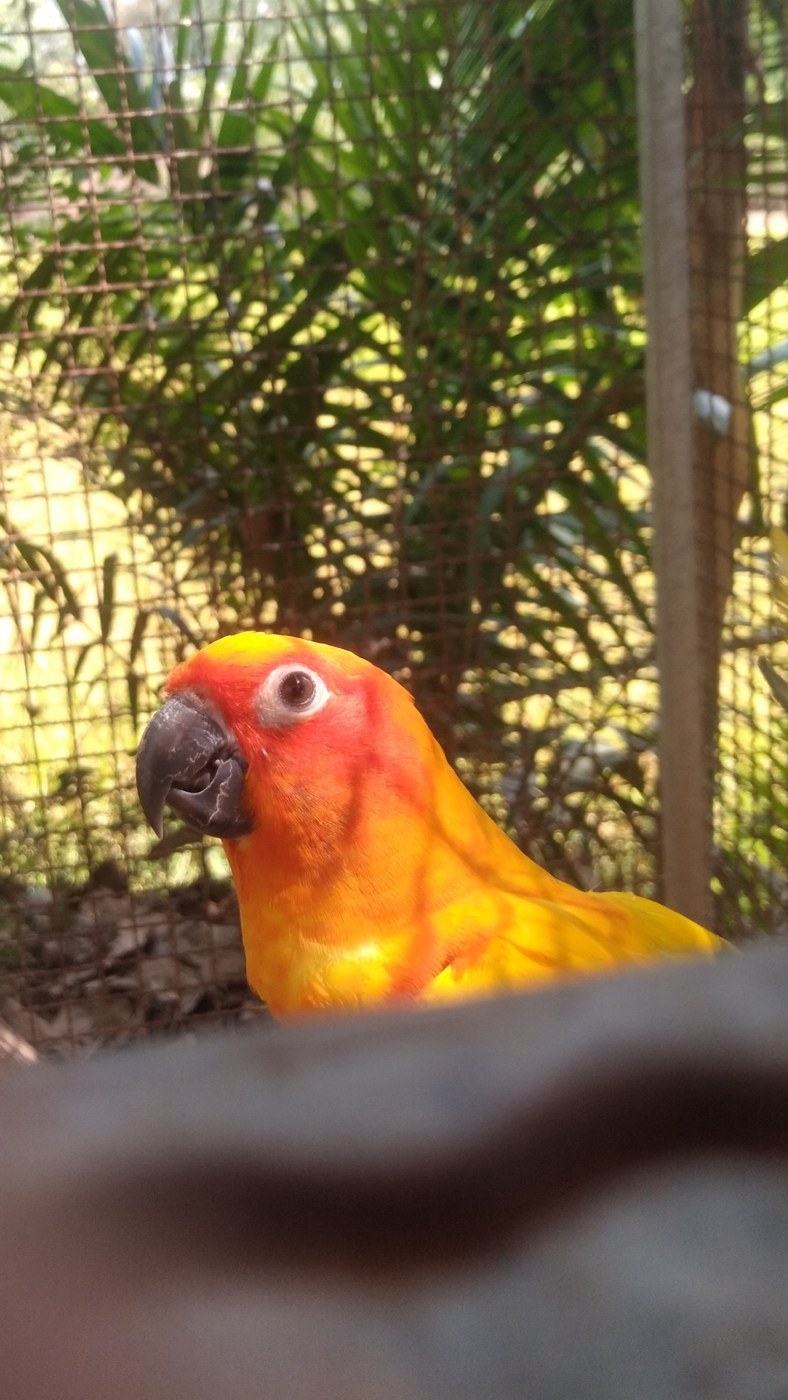
Sun Parakeet
Bright, dense body contour feathers; medium pointed tail feathers

Yellow-naped Amazon
Broad rounded contour feathers with sturdy flight feathers
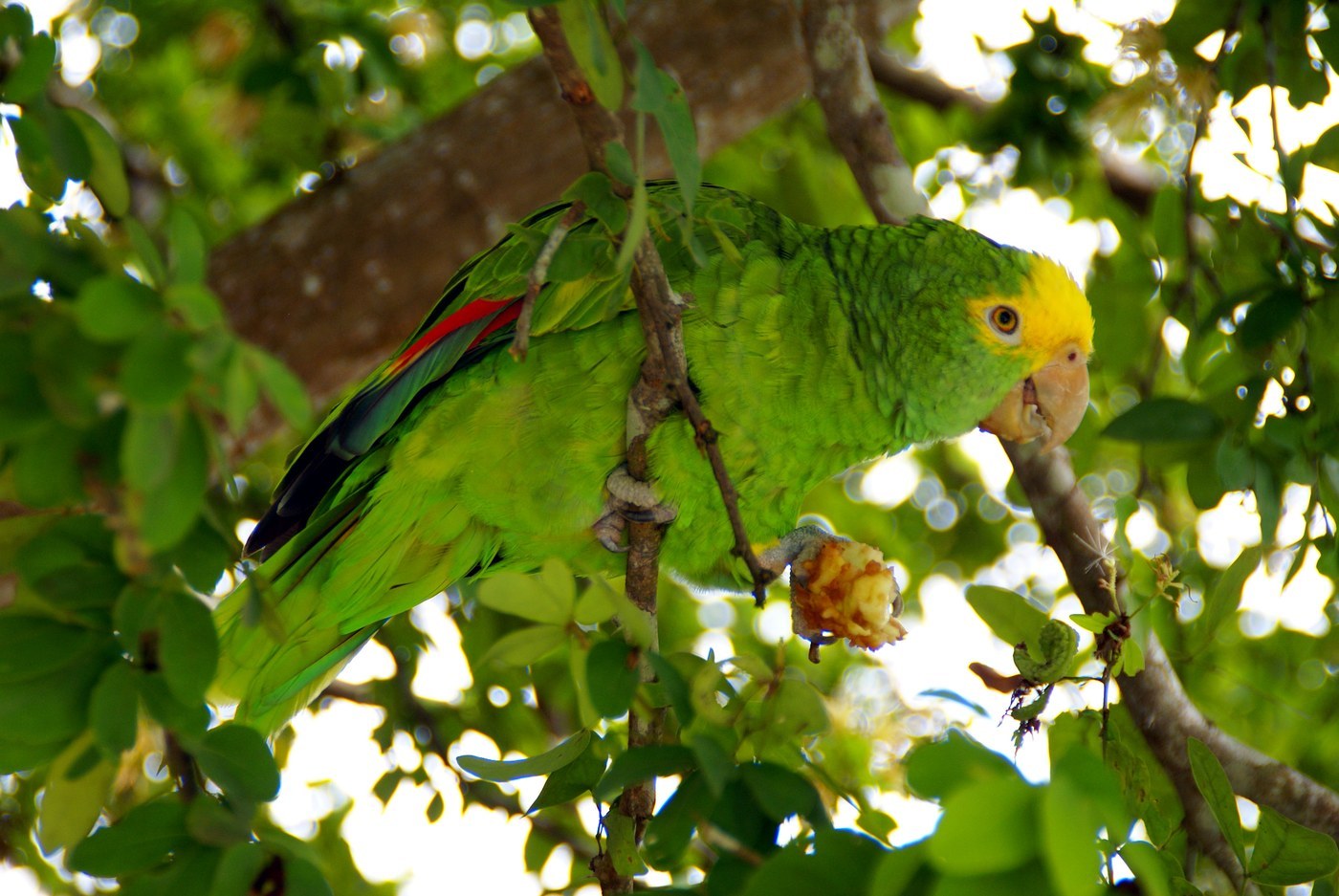
Yellow-headed Amazon
Dense, rounded body contour feathers; broad flight feathers
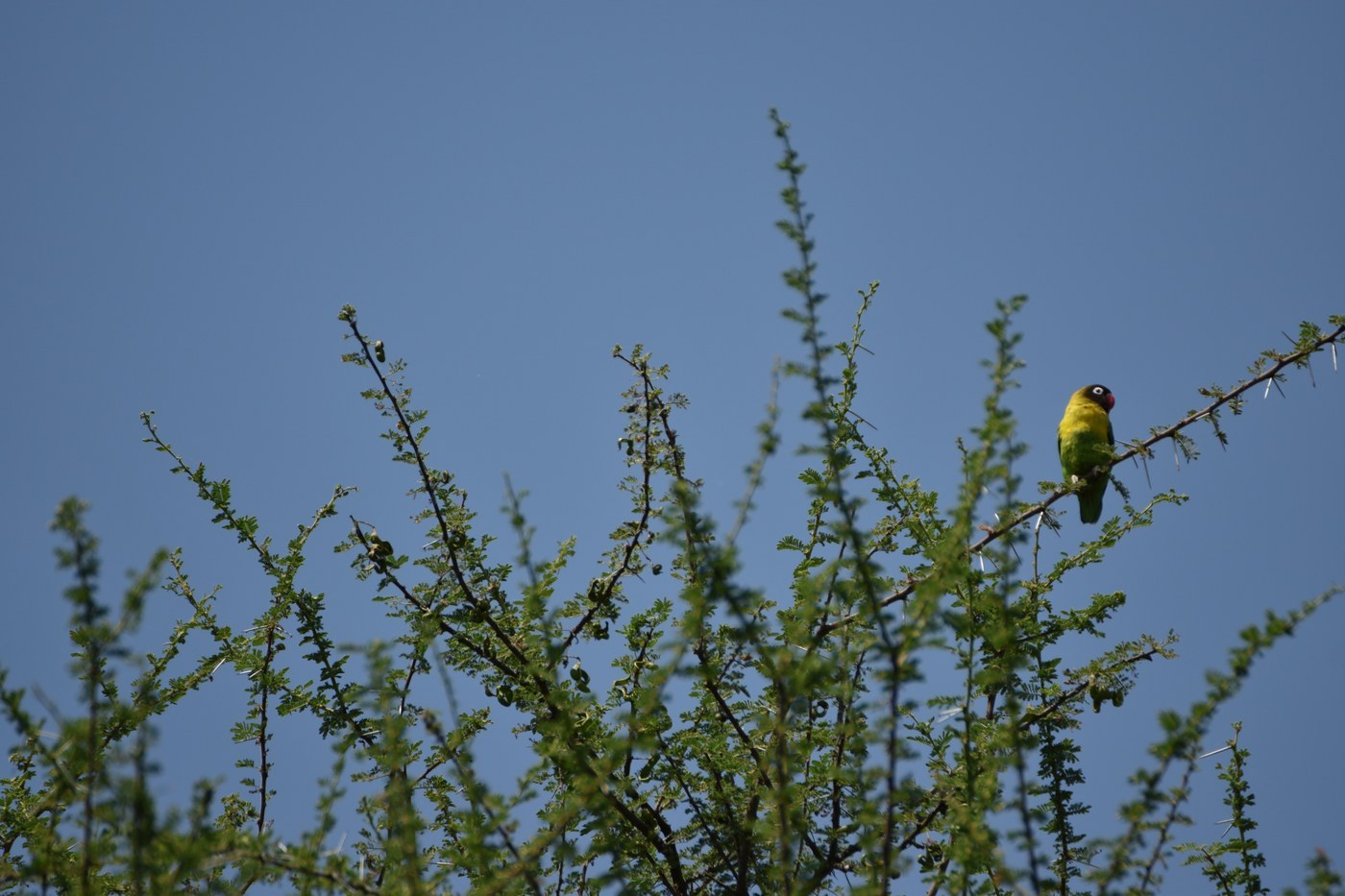
Yellow-collared Lovebird
Small compact flight feathers, short rounded tail

White-eyed Conure
Medium contour and long, graduated tail feathers

Yellow-tailed Black Cockatoo
Large, sturdy contour and flight feathers; short crest

Scarlet-chested Parrot
Small contour and flight feathers

Timneh Parrot
Broad flight feathers, scalloped body feathers with pale edges
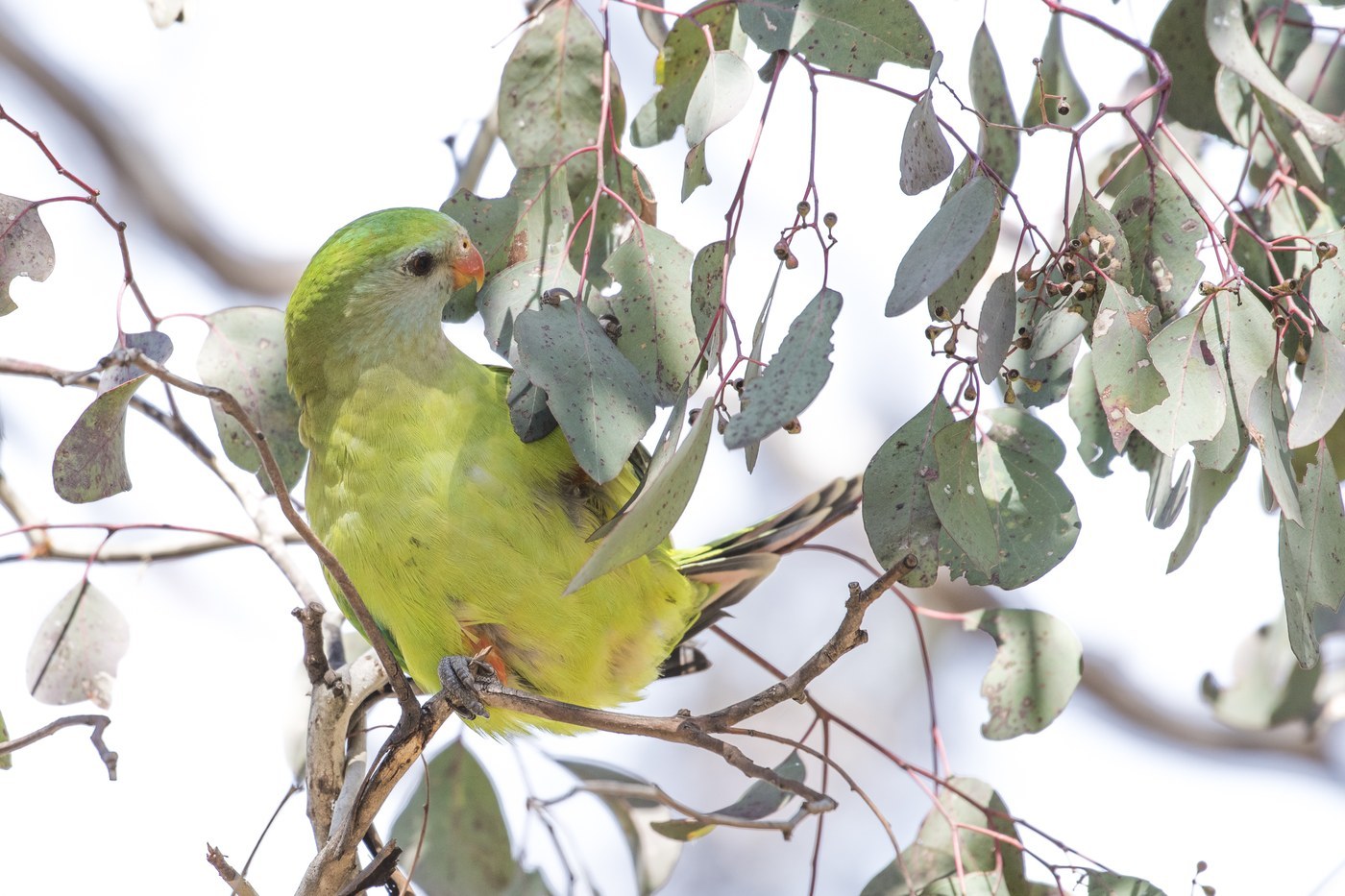
Superb Parrot
Sleek contour feathers with a long tapering tail

Red-shouldered Macaw
Compact body contour feathers; medium flight and tail feathers
Red-rumped Parrot
Sleek contour feathers with a bright rump patch in males

White-capped Pionus
Compact contour feathers and short, squared tail feathers