

Grey-necked Bunting
Emberiza buchanani
A plain, unstreaked Central Asian bunting with a grey head, pale pinkish underparts, and a distinctive pale eye-ring.
- Feather type
- Plain unstreaked underpart feathers
- Colours
- Grey, pale pink-buff, and pinkish bill tone
- Bird size
- Sparrow-sized, ~16 cm
Found a feather like this?
Identify any feather from a photo, free.
Overview
Overview
The Grey-necked Bunting breeds in dry, rocky terrain across Central Asia and the Middle East, wintering mainly on the Indian subcontinent. Its subdued, largely unstreaked plumage makes it one of the plainer buntings in its range.
A pale eye-ring and pinkish bill help identify it even when perched at a distance on bare hillsides.
Identifying the Feather
Feather Identification
- Head: uniform grey with a narrow pale eye-ring and no strong facial pattern.
- Underparts: pinkish-buff and largely unstreaked, unlike many related buntings.
- Upperparts: sandy grey-brown, with only faint streaking on the back.
- Bill: pale pinkish, contrasting with the grey head.
The lack of bold streaking below, combined with the pale eye-ring and pinkish bill, distinguishes this species from streak-breasted buntings in similar dry habitats.
Plumage & Molt
Plumage Notes
Adults show relatively little seasonal variation, retaining a grey head and pale, unstreaked underparts through most of the year. Females are similar to males but often slightly duller and buffier overall.
Juveniles show light streaking on the breast that adults largely lack, fading as they mature. A single annual molt follows breeding, with plumage wearing paler through the winter.
Habitat & Range
Habitat & Range
Breeding range extends across arid parts of Central Asia, Iran, and the Caucasus into the Middle East, typically on rocky slopes, dry hillsides, and open scrub. The species winters mainly across the Indian subcontinent.
It is a long-distance migrant, moving between breeding grounds in dry montane and steppe habitat and wintering grounds in open cultivated and semi-arid land.
Behavior & Field Notes
Behavior & Field Notes
Grey-necked Buntings forage on the ground for seeds and insects, often in small flocks during the non-breeding season, sometimes mixing with other bunting species in winter fields.
Nests are placed on the ground or in low rocky crevices. The song is a simple, repetitive series of notes given from an exposed perch. The plain grey head and unstreaked pinkish underparts are the most useful field marks in a landscape shared with more boldly patterned buntings.
Frequently asked questions
What makes the Grey-necked Bunting look so plain compared to other buntings?
It lacks strong facial patterning and has largely unstreaked, pale pinkish-buff underparts, giving it a subdued overall appearance.
Where does this species breed?
It breeds across arid, rocky terrain in Central Asia, Iran, the Caucasus, and parts of the Middle East.
How can I separate this from other dry-country buntings?
Check for the pale eye-ring, pinkish bill, and largely unstreaked underparts, which together are more subdued than most streak-breasted relatives.
Where does it winter?
Most birds winter on the Indian subcontinent, using open cultivated and semi-arid habitats.
Grey-necked Bunting guides
In-depth guides for identifying and understanding Grey-necked Bunting.

Other feathers you may enjoy

Yellow-breasted Bunting
Contour and flight feathers, chestnut-and-yellow breeding pattern
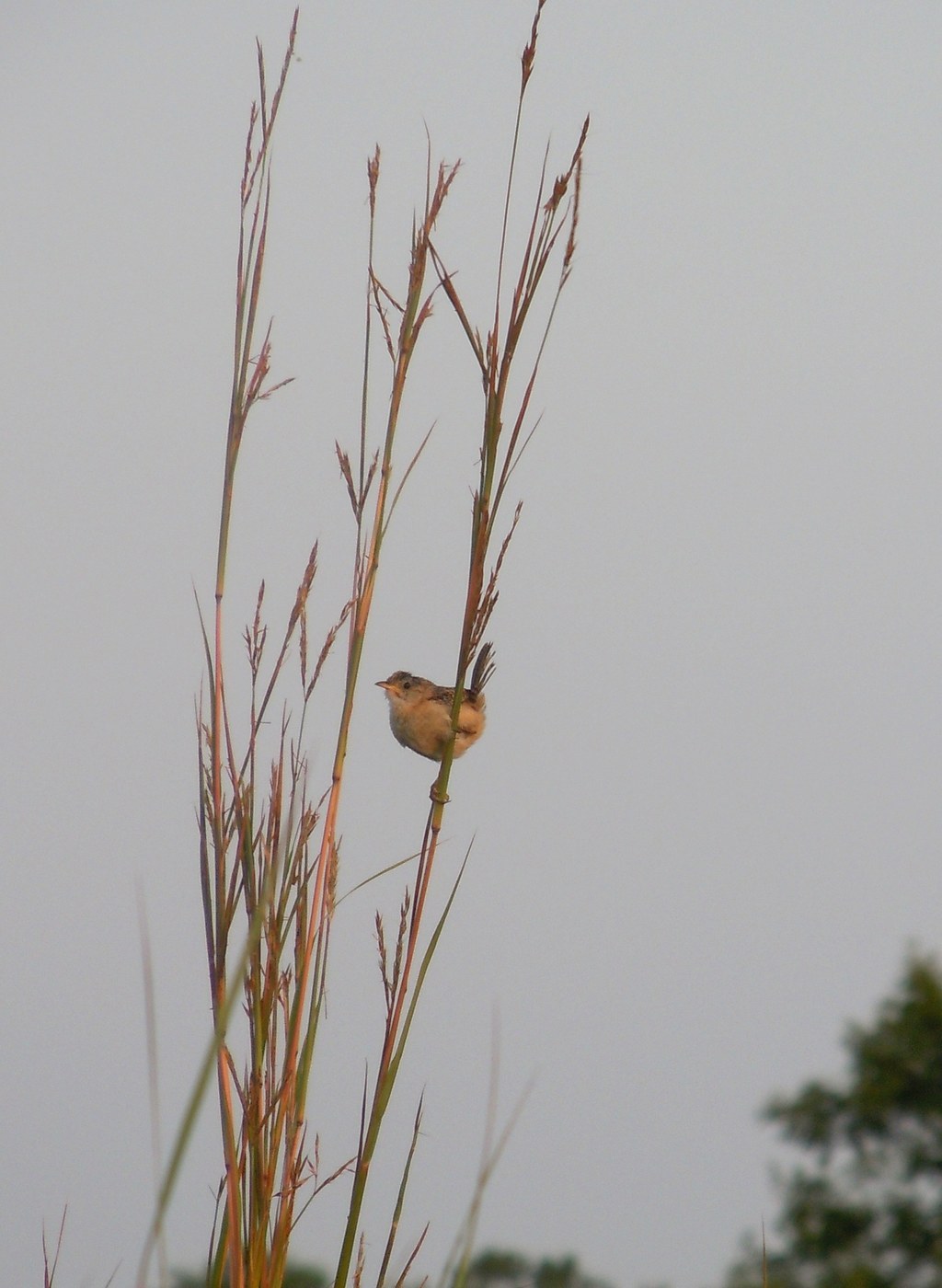
Sedge Wren
Tiny streaked crown and back feathers

Yellow-winged Cacique
Glossy black body feathers, yellow wing patch, shaggy crest

Yellow Warbler
Small contour and flight feathers
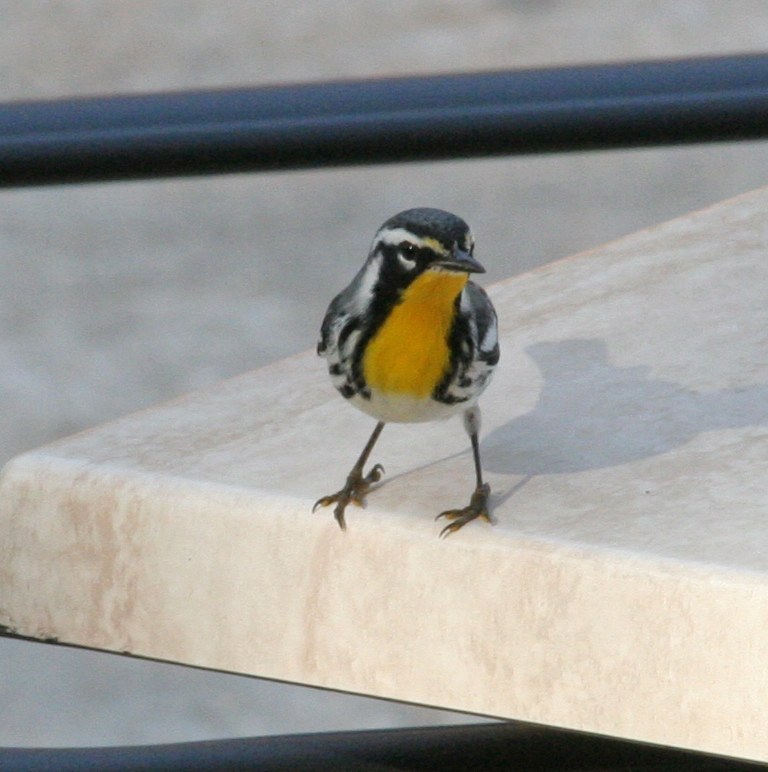
Yellow-throated Warbler
Small contour and flight feathers
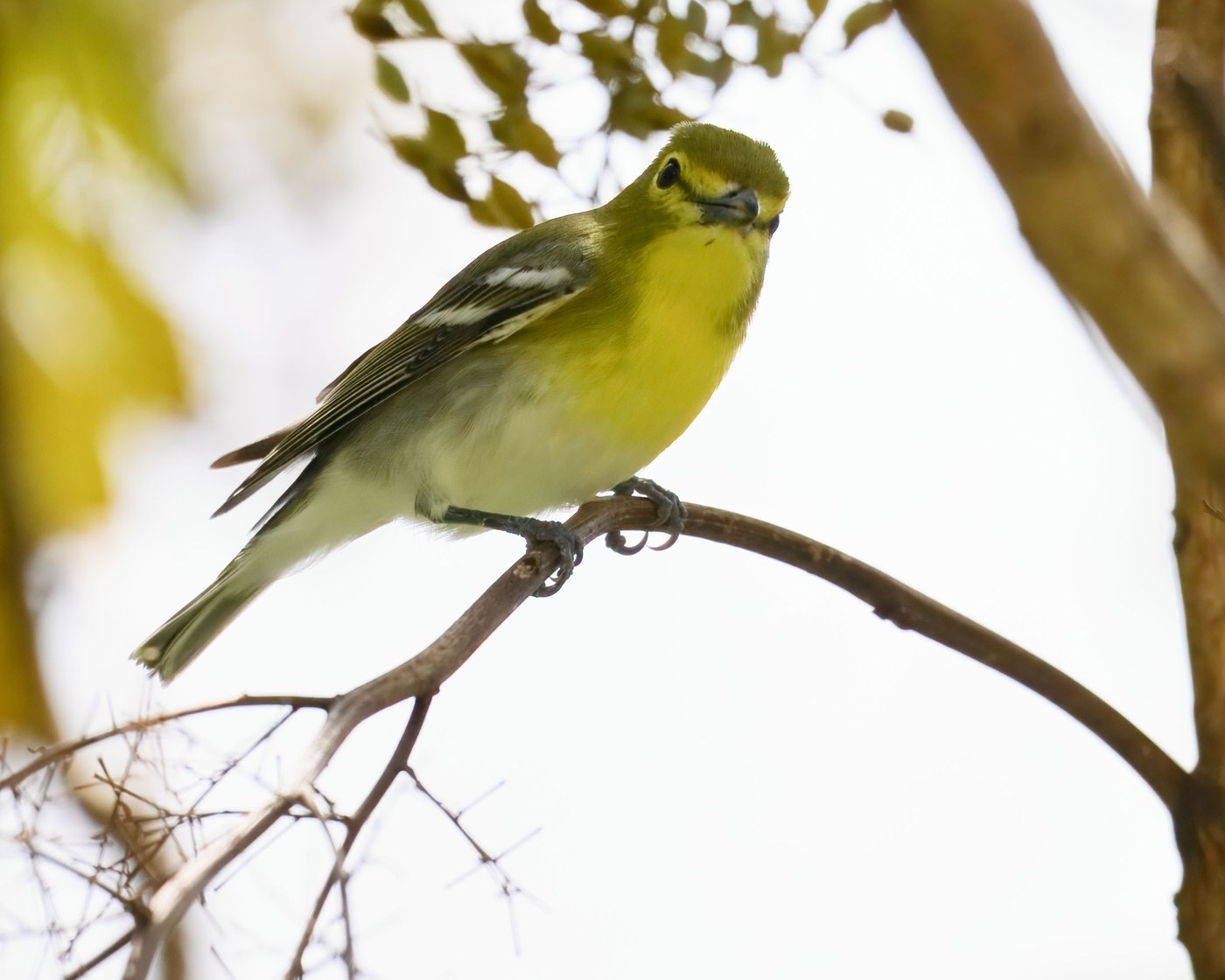
Yellow-throated Vireo
Bright yellow throat and spectacle feathers; olive-green back feathers; two white wing-bar feathers

Yellow-rumped Warbler
Small contour and flight feathers
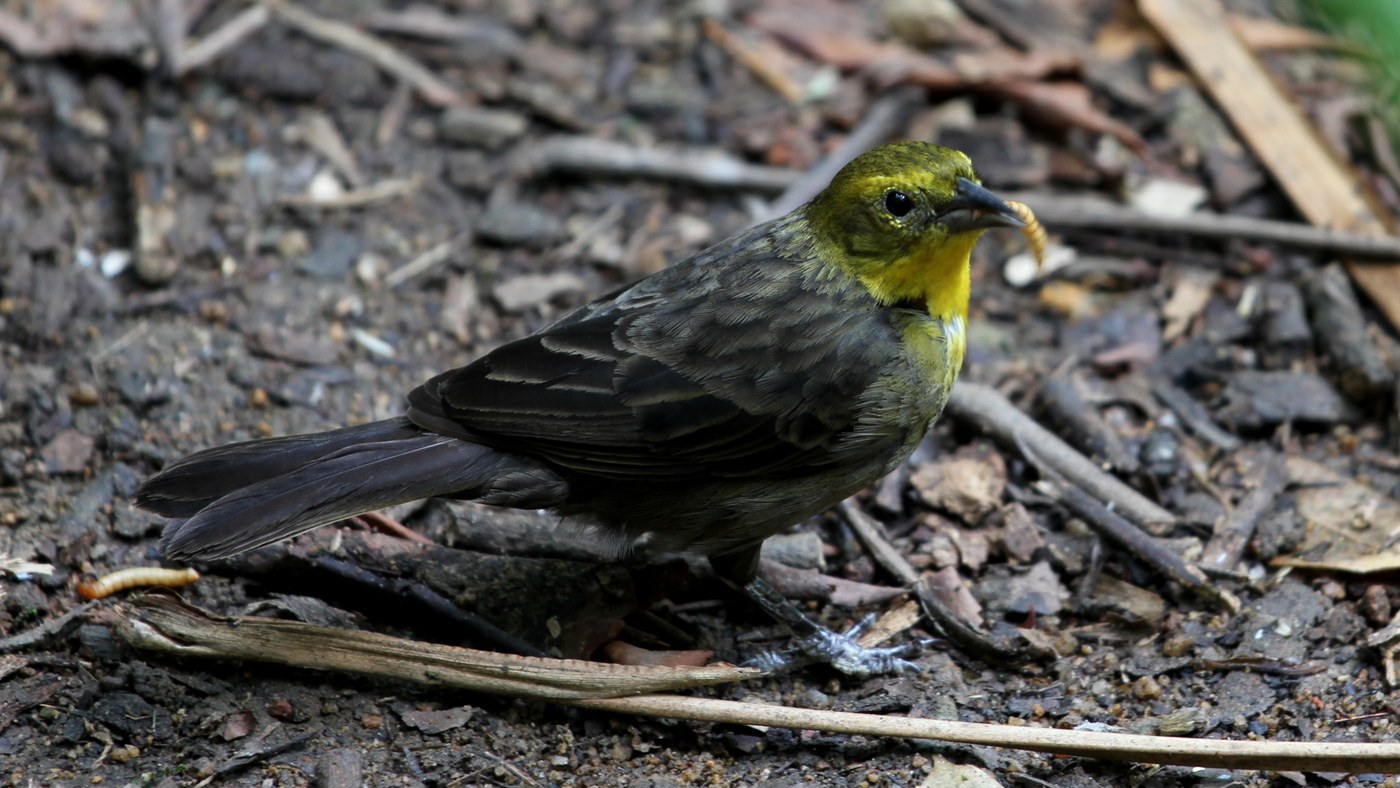
Yellow-hooded Blackbird
Contrasting hood and body feathers
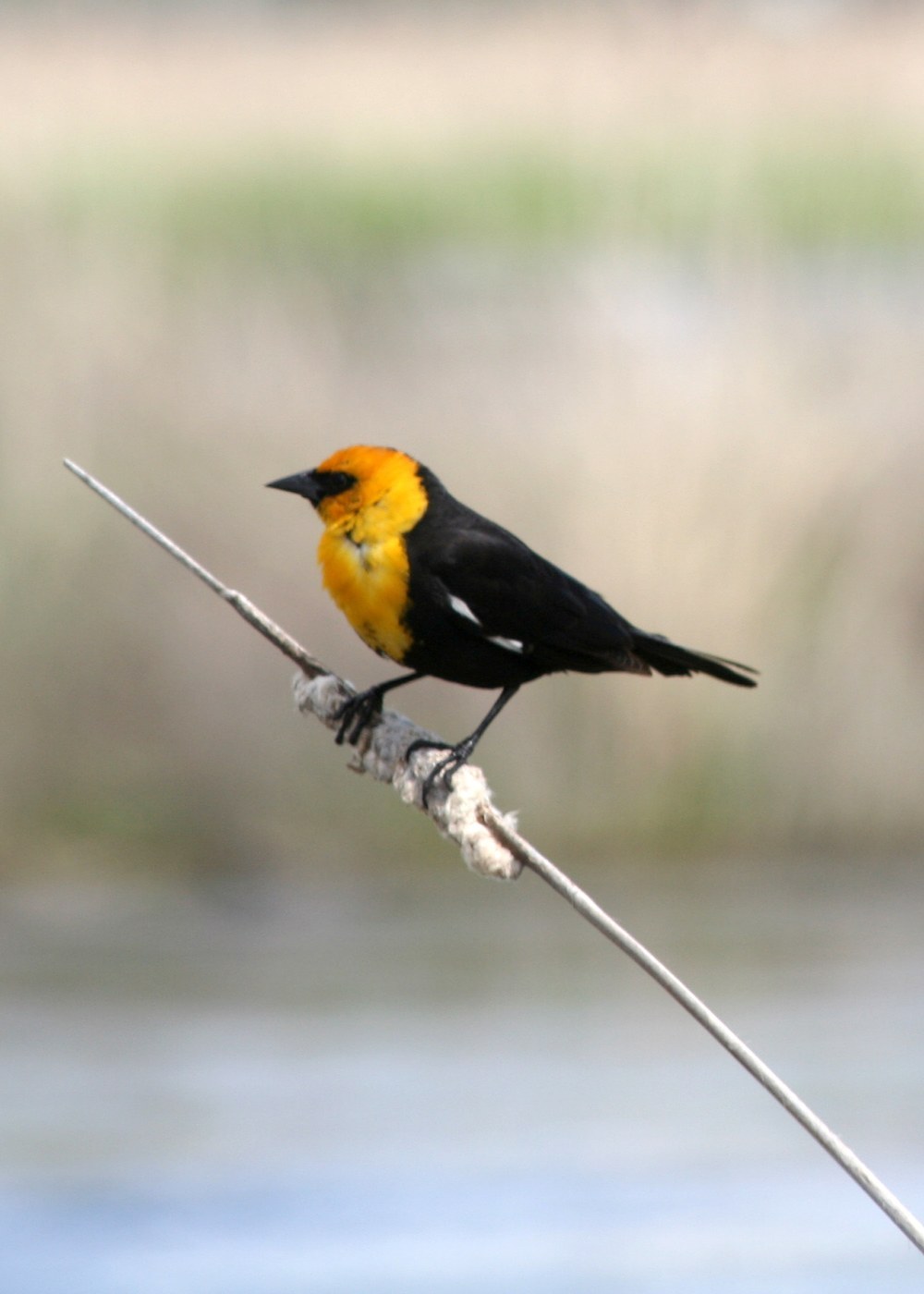
Yellow-headed Blackbird
Glossy black body plumage with a bright yellow head and breast

Yellow-eyed Junco
Contour and flight feathers

Yellow-fronted Canary
Small, smooth body plumage

Yellow-breasted Greenfinch
Compact, smooth body plumage