

Hahn's Macaw
Diopsittaca nobilis
The smallest macaw species, mostly green with a small blue forehead patch and a red patch at the bend of the wing.
- Feather type
- Compact rounded flight feathers, moderate tail length
- Colours
- Bright green overall with a red-and-blue shoulder patch and blue-tinged forehead
- Bird size
- Smallest macaw, ~30 cm including tail
Found a feather like this?
Identify any feather from a photo, free.
Overview
Overview
Hahn's Macaw, also called the Red-shouldered Macaw, is the smallest of the true macaws, roughly the size of a large parakeet rather than the imposing birds most people picture when they think of macaws. It ranges across northern and central South America in savanna and open woodland habitats.
Despite its diminutive size, it shows the classic macaw silhouette in miniature, with a bare-skinned face patch and a long pointed tail.
Identifying the Feather
Feather Identification
- Body feathers: Bright grass-green over most of the body, brighter and cleaner in tone than many larger green macaws.
- Shoulder patch: A small but distinctive patch of red feathers at the bend of the wing (underwing coverts), visible when the wing is spread or in flight.
- Head feathers: A subtle blue wash across the forehead and crown, more pronounced in good light.
- Tail feathers: Long relative to body size but much shorter in absolute terms than other macaws, tapering to a point, mostly green with a bluish tip.
- Compared to similar species: The similarly small Chestnut-fronted Macaw shows a brown forehead patch rather than blue, and both are best separated from parakeets by their bare white facial skin patch.
Plumage & Molt
Plumage Notes
Sexes look alike, both bright green with the blue forehead wash and red shoulder patch. The bare facial skin is whitish and unfeathered, a hallmark of macaws even at this small size.
Juveniles are duller green with a less defined shoulder patch, brightening after their first molt. Molt occurs gradually throughout the year.
Habitat & Range
Habitat & Range
Hahn's Macaw is found across northern and central South America, including parts of Venezuela, the Guianas, Brazil, Bolivia, and Paraguay. It favors savanna woodland, gallery forest edges, and areas with scattered palms, often at lower elevations than some of its larger relatives.
The species is generally resident, though flocks may shift locally with seasonal fruiting and seeding patterns.
Behavior & Field Notes
Behavior & Field Notes
Hahn's Macaws are social and are usually seen in small flocks, flying fast and direct with quick wingbeats compared to the slower flight of larger macaws. They feed on seeds, fruit, and blossoms in the canopy and forest edge.
They nest in tree cavities, sometimes in old woodpecker holes, and can be quite vocal, giving high-pitched, screeching calls that are noticeably shriller than the deep calls of large macaws.
Frequently asked questions
What is the smallest macaw species?
Hahn's Macaw is the smallest true macaw, at roughly 30 cm including its tail.
What color are Hahn's Macaw feathers?
Mostly bright green, with a small red patch at the bend of the wing and a subtle blue wash on the forehead.
How do you tell Hahn's Macaw from the Chestnut-fronted Macaw?
Hahn's Macaw shows a blue forehead wash, while the Chestnut-fronted Macaw has a brown forehead patch instead.
Where does Hahn's Macaw live?
It lives in savanna woodland and gallery forest across northern and central South America.
Hahn's Macaw guides
In-depth guides for identifying and understanding Hahn's Macaw.

Other feathers you may enjoy
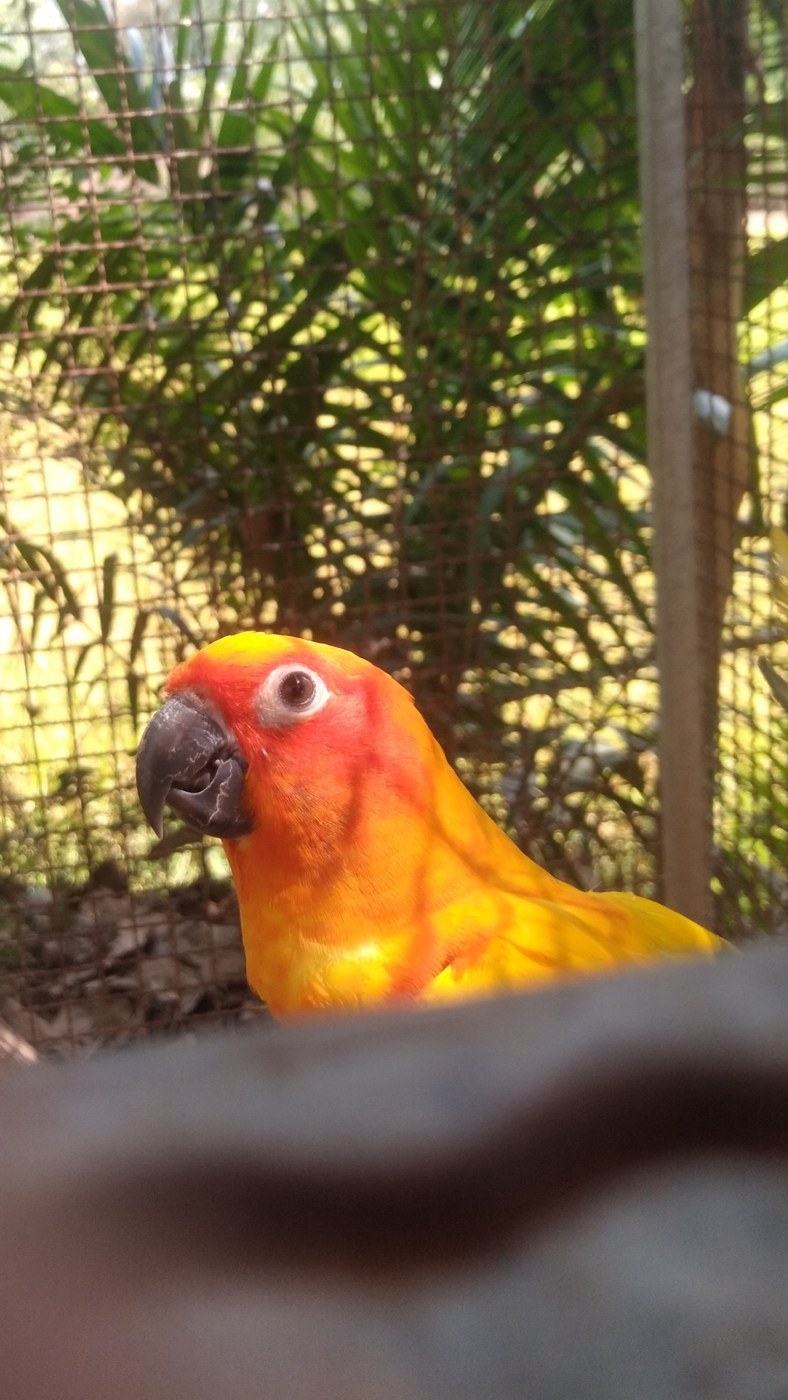
Sun Parakeet
Bright, dense body contour feathers; medium pointed tail feathers

Yellow-naped Amazon
Broad rounded contour feathers with sturdy flight feathers
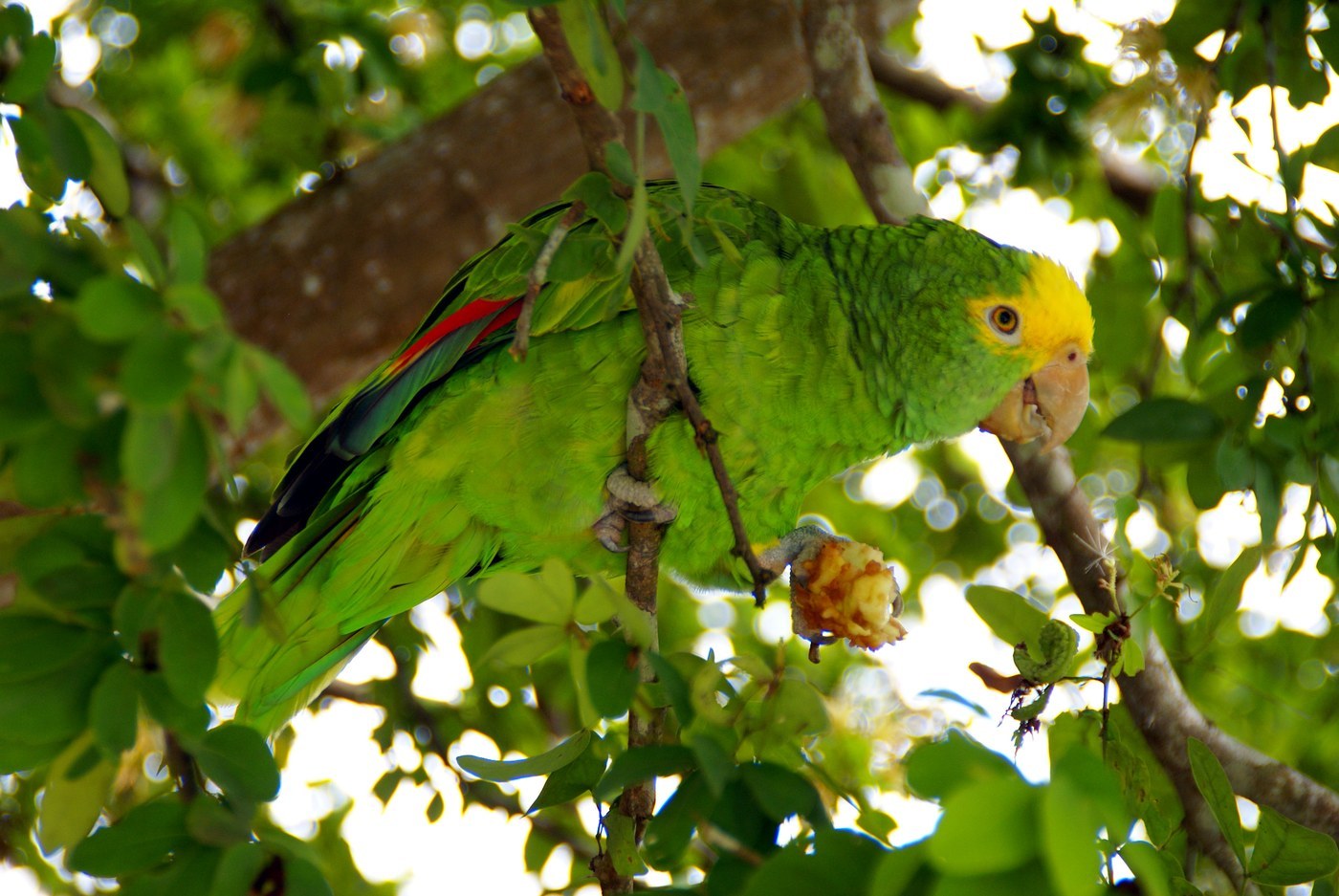
Yellow-headed Amazon
Dense, rounded body contour feathers; broad flight feathers
Yellow-collared Lovebird
Small compact flight feathers, short rounded tail

White-eyed Conure
Medium contour and long, graduated tail feathers

Yellow-tailed Black Cockatoo
Large, sturdy contour and flight feathers; short crest

Scarlet-chested Parrot
Small contour and flight feathers

Timneh Parrot
Broad flight feathers, scalloped body feathers with pale edges
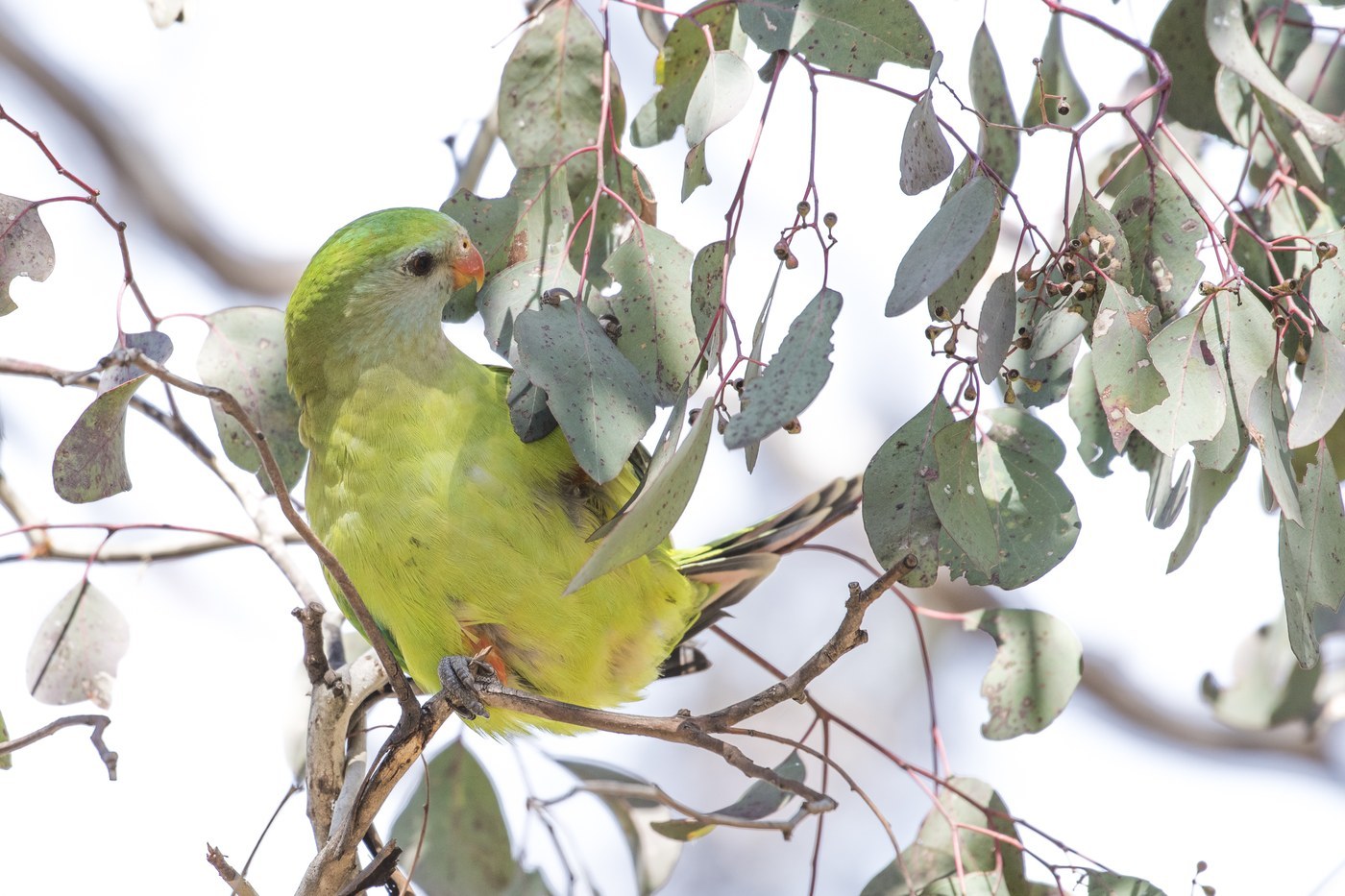
Superb Parrot
Sleek contour feathers with a long tapering tail

Red-shouldered Macaw
Compact body contour feathers; medium flight and tail feathers
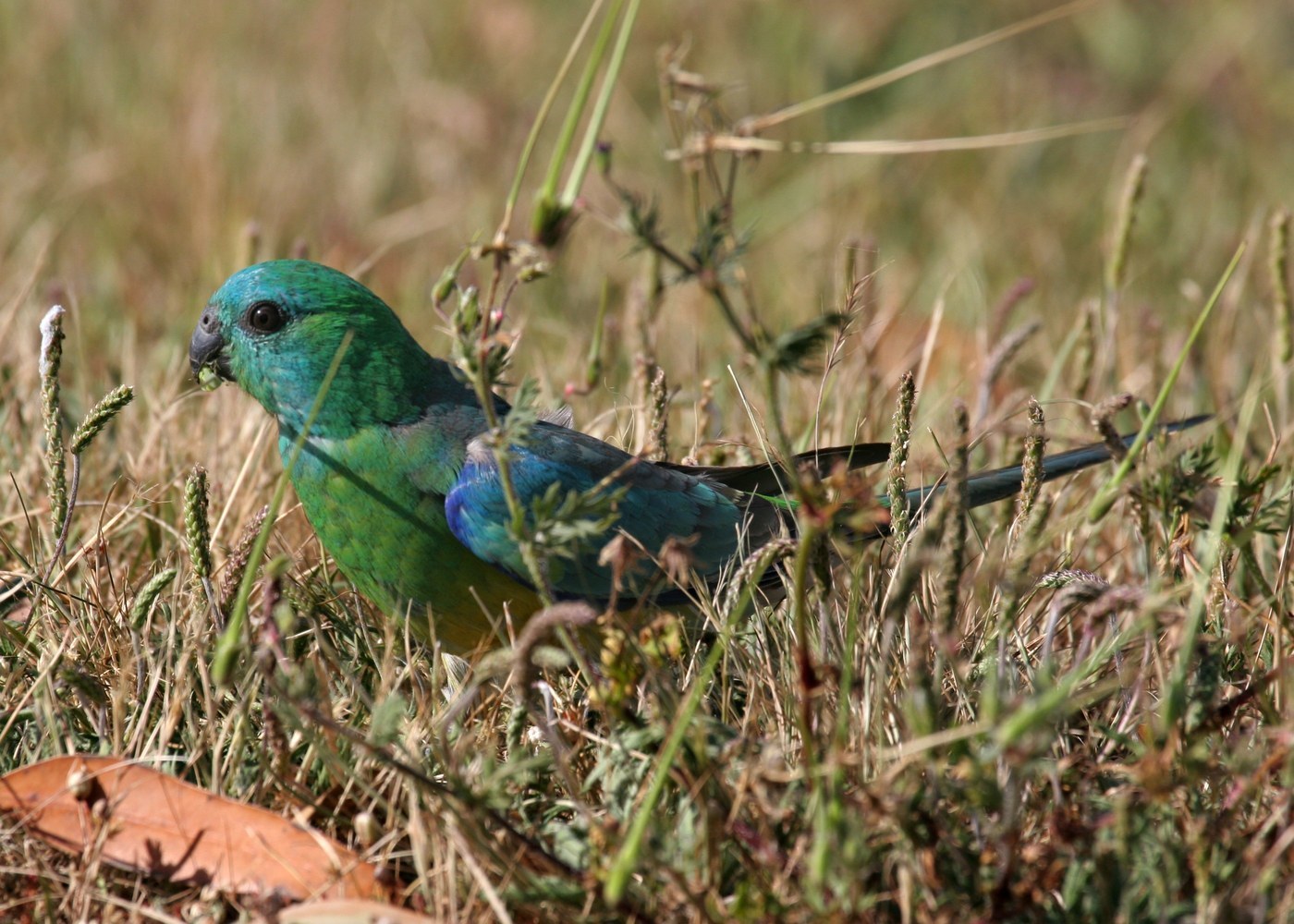
Red-rumped Parrot
Sleek contour feathers with a bright rump patch in males

White-capped Pionus
Compact contour feathers and short, squared tail feathers