
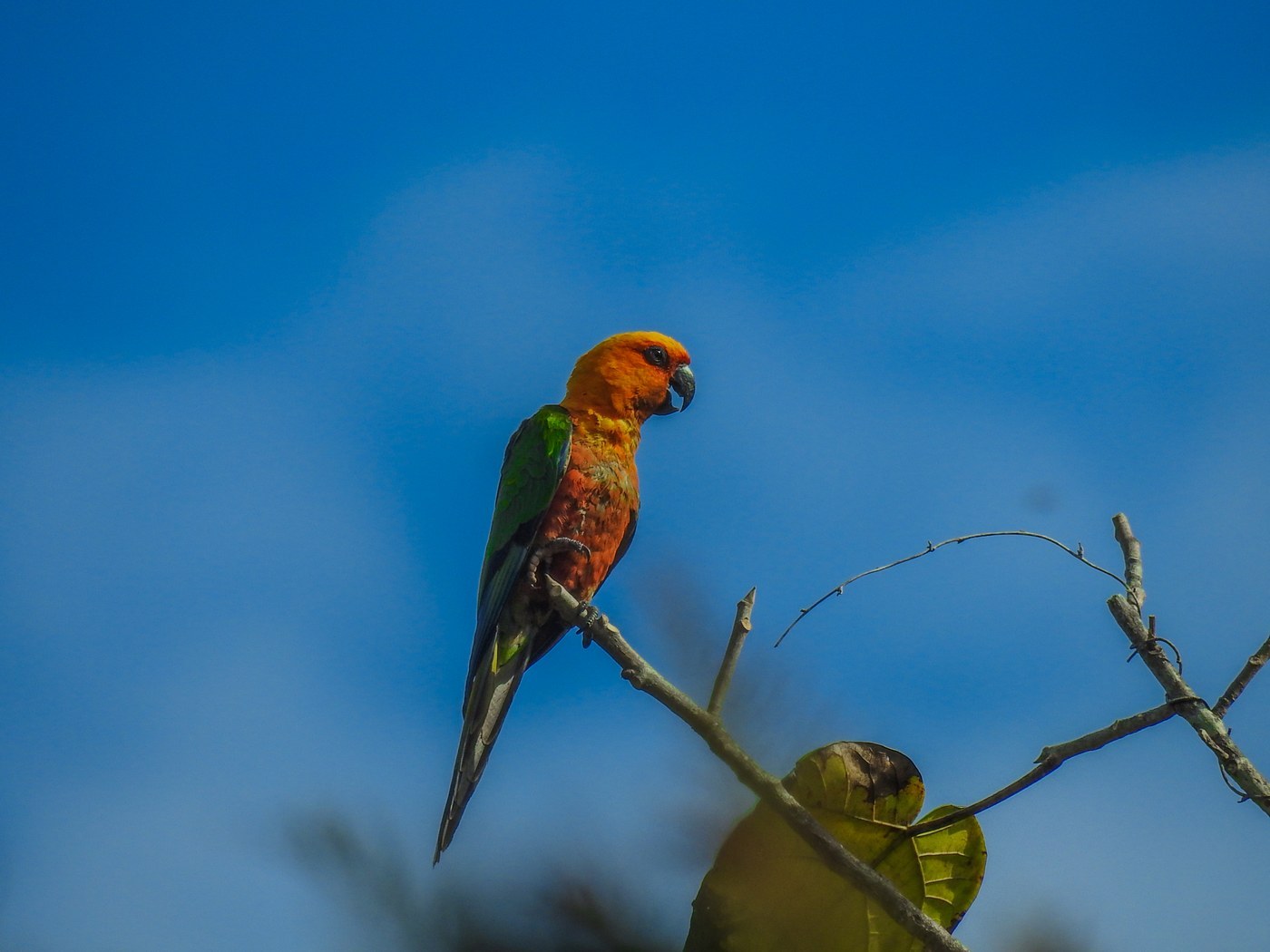
Jenday Conure
Aratinga jandaya
A brightly colored Brazilian conure with a golden-yellow head and breast, an orange belly, and green back and wings tipped in blue.
- Feather type
- Soft, vividly colored head and breast feathers; green back feathers
- Colours
- Golden-yellow head and breast, orange belly, green back and wings
- Bird size
- Medium conure, ~30 cm
Found a feather like this?
Identify any feather from a photo, free.
Overview
The Jenday Conure, also known as the Jandaya Parakeet, is native to northeastern Brazil, where it inhabits forest edge, palm groves, and scrubland. It is closely related to the Sun Conure but retains green upperparts even as an adult, differing from its more uniformly golden relative and giving it a distinctive two-toned appearance.
Identifying the Feather
The head, neck, and upper breast are golden-yellow, shading into orange across the belly and lower underparts, while the back, wings, and mantle remain green, creating a clear contrast between the colorful front and green back not seen in the more uniformly yellow-orange Sun Conure. Flight feathers show a blue tinge along the green wing. The tail is moderately long and tapered, olive-green with a bluish tip. This combination of a golden-orange front with a solidly green back is a reliable way to separate this species from other similarly sized Aratinga conures.
Plumage & Molt
Sexes are alike in plumage, without reliable visual differences between males and females. Juveniles are duller and show more green intermixed on the head and breast, with the adult golden-yellow and orange coloration developing over the first year or so through successive molts.
Habitat & Range
This species occupies forest edge, palm groves, and scrubland within northeastern Brazil, a relatively restricted range. It is largely non-migratory, with flocks moving locally in response to fruiting trees and palm seed availability.
Behavior & Field Notes
Jenday Conures feed on fruit, seeds, blossoms, and palm nuts, foraging in flocks, sometimes alongside other parakeet species. Nests are placed in tree cavities, including palm trunks. Calls include loud, sharp screeching and chattering notes typical of Aratinga conures, given during flight and while foraging.
Frequently asked questions
What color are Jenday Conure feathers?
Golden-yellow on the head and breast, orange on the belly, and green on the back and wings.
How is the Jenday Conure different from the Sun Conure in plumage?
The Jenday retains green upperparts even as an adult, while the Sun Conure becomes almost entirely golden-yellow and orange.
Where does the Jenday Conure live?
In forest edge, palm groves, and scrubland of northeastern Brazil.
Do young Jenday Conures look different from adults?
Yes, juveniles are duller with more green mixed into the head and breast before developing full adult coloration.
Jenday Conure guides
In-depth guides for identifying and understanding Jenday Conure.
Other feathers you may enjoy
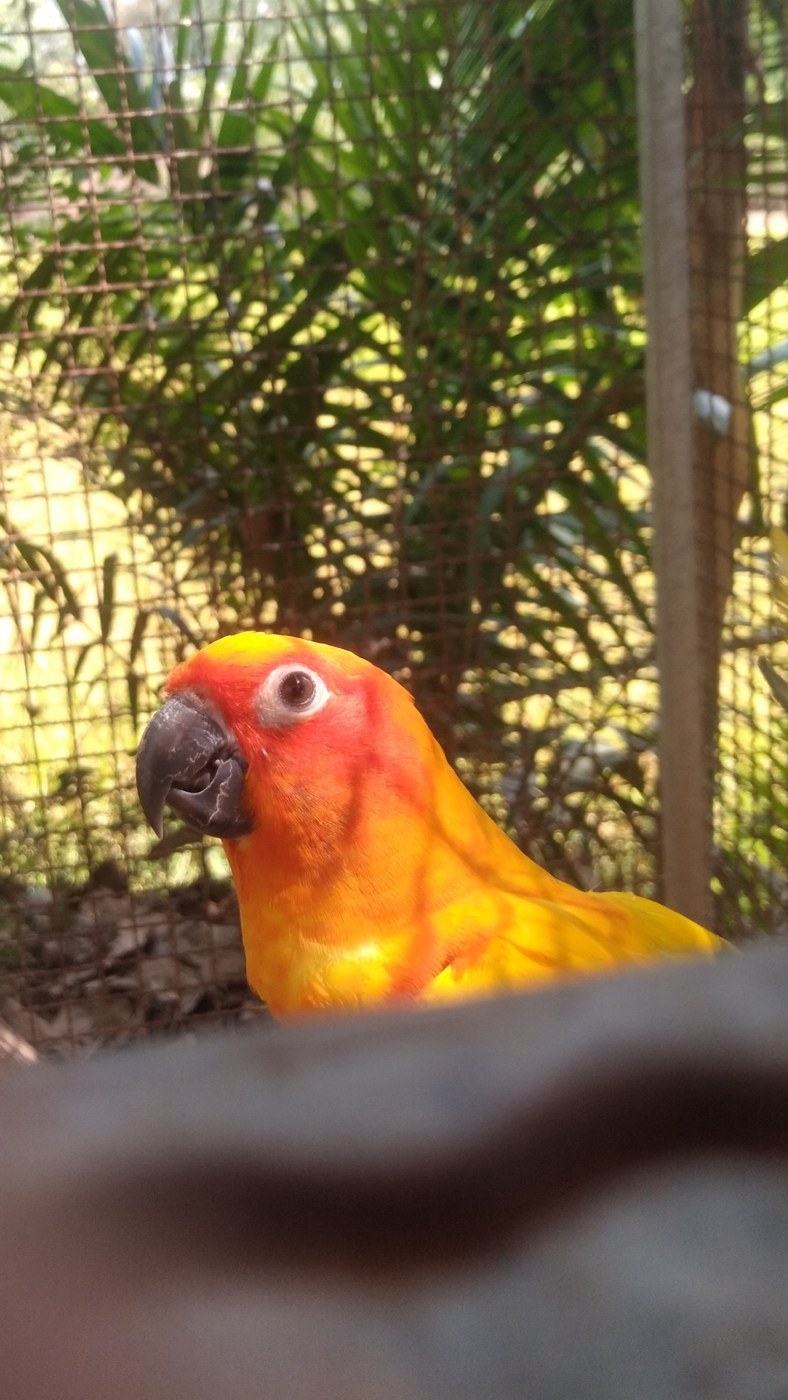
Sun Parakeet
Bright, dense body contour feathers; medium pointed tail feathers

Yellow-naped Amazon
Broad rounded contour feathers with sturdy flight feathers
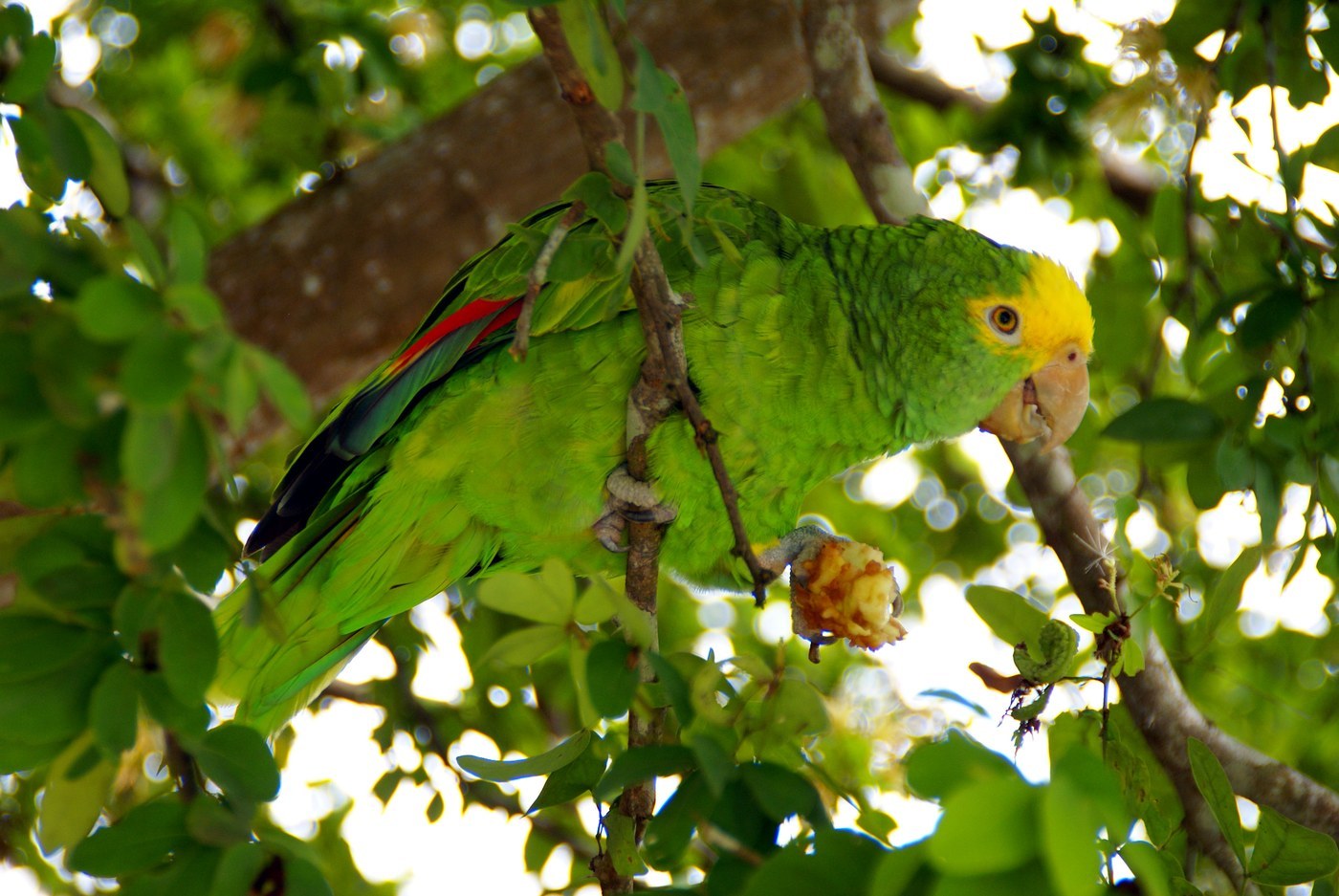
Yellow-headed Amazon
Dense, rounded body contour feathers; broad flight feathers
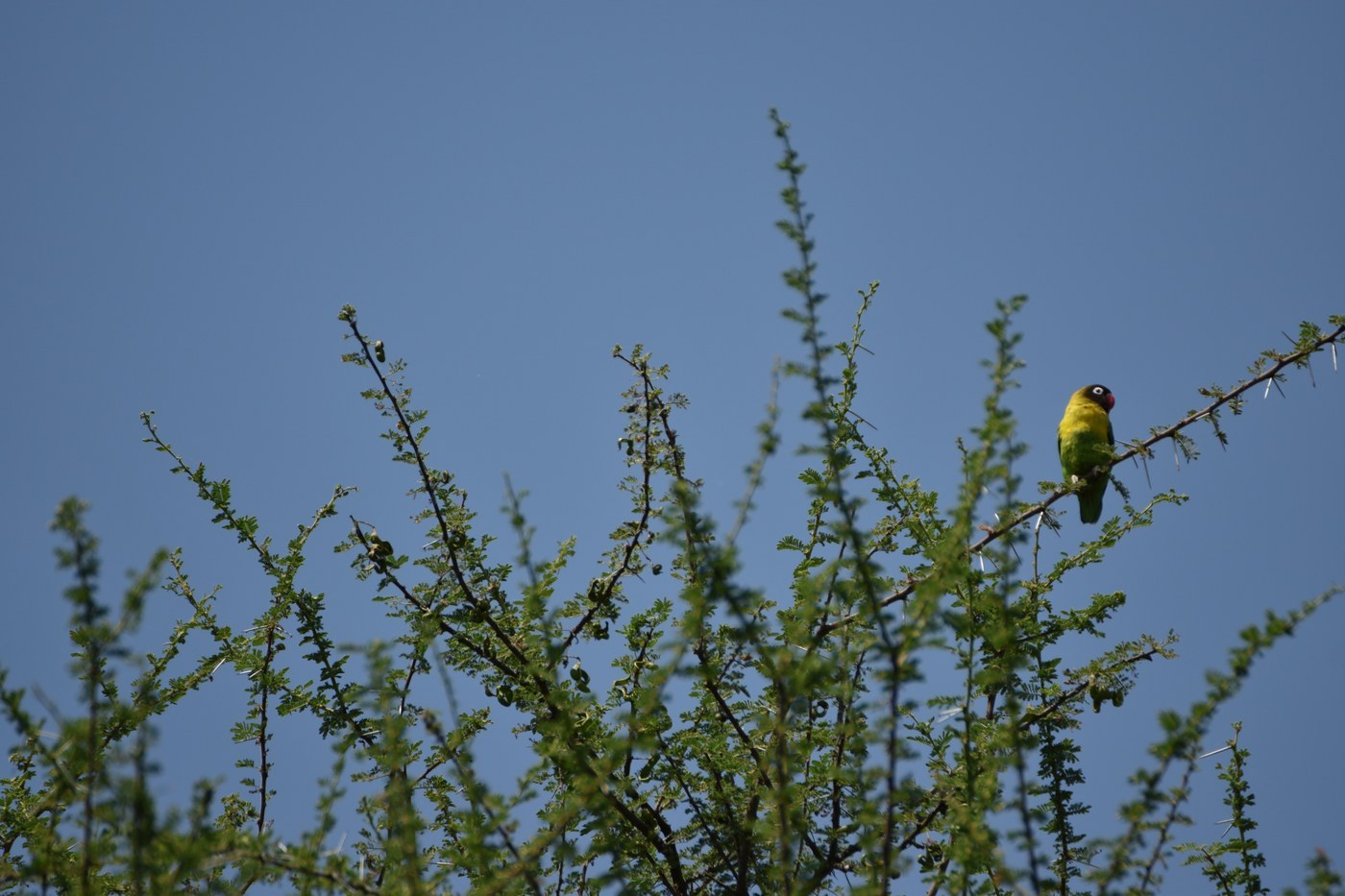
Yellow-collared Lovebird
Small compact flight feathers, short rounded tail

White-eyed Conure
Medium contour and long, graduated tail feathers

Yellow-tailed Black Cockatoo
Large, sturdy contour and flight feathers; short crest

Scarlet-chested Parrot
Small contour and flight feathers

Timneh Parrot
Broad flight feathers, scalloped body feathers with pale edges
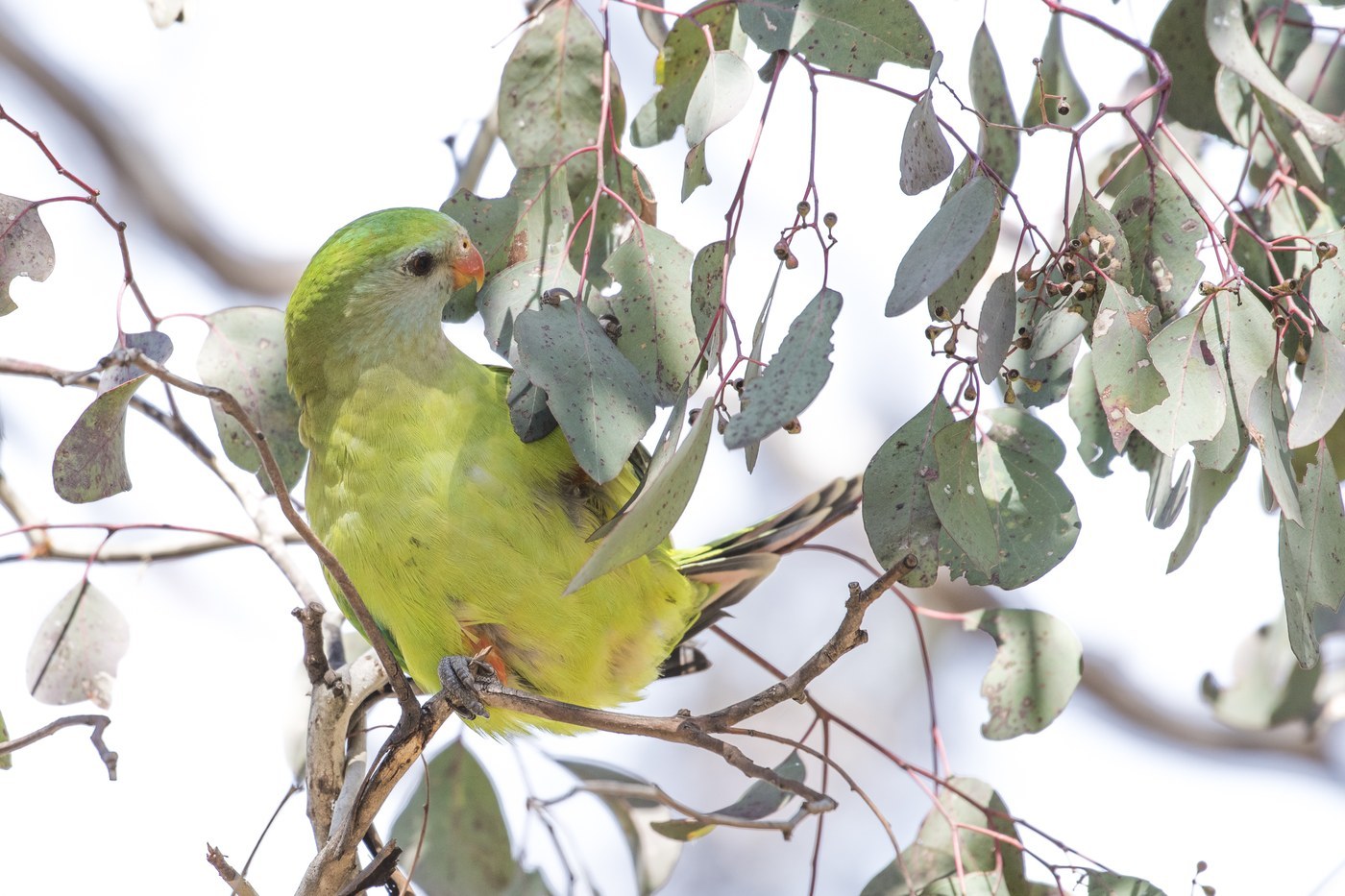
Superb Parrot
Sleek contour feathers with a long tapering tail

Red-shouldered Macaw
Compact body contour feathers; medium flight and tail feathers
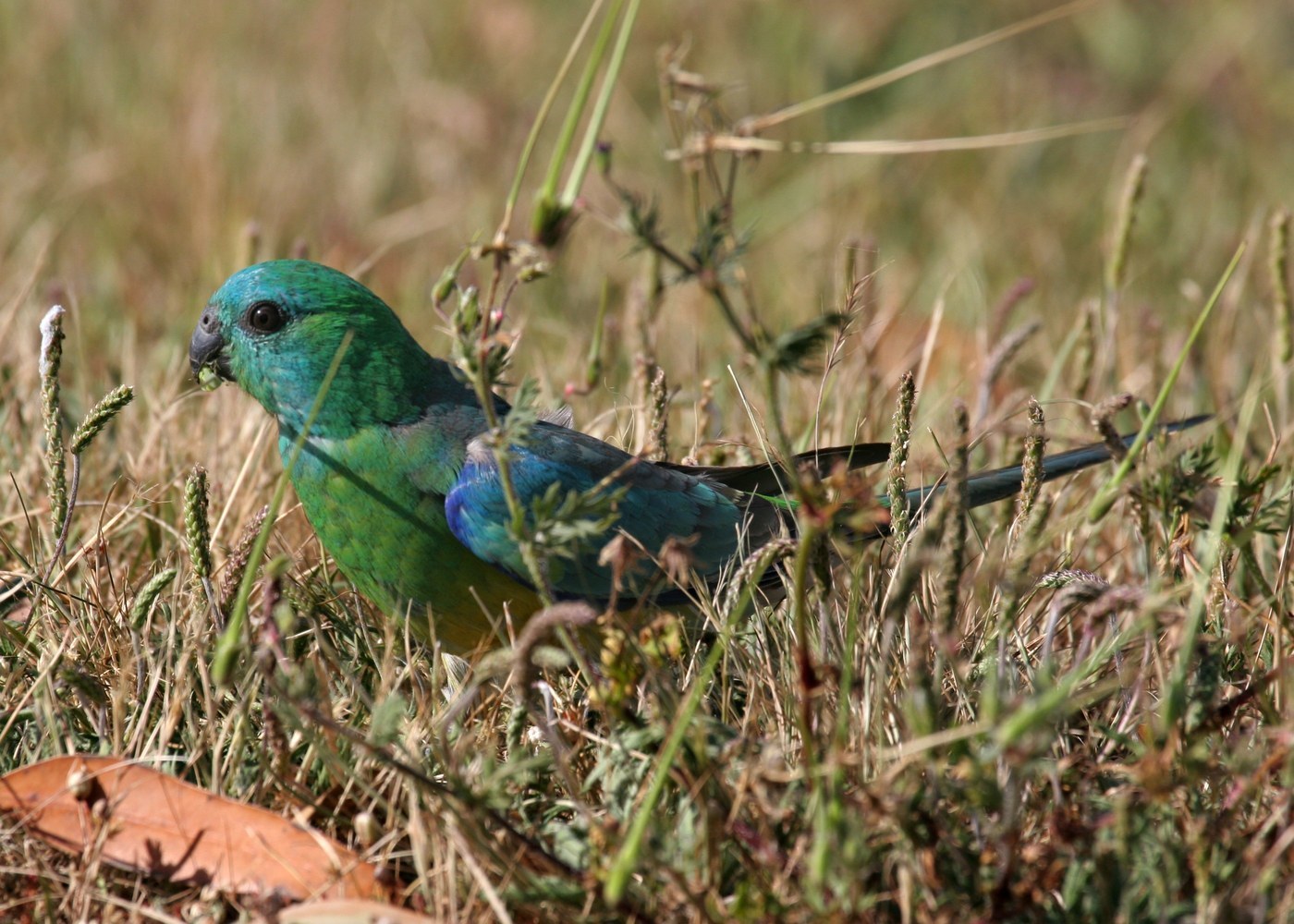
Red-rumped Parrot
Sleek contour feathers with a bright rump patch in males

White-capped Pionus
Compact contour feathers and short, squared tail feathers