
Kakariki
Cyanoramphus novaezelandiae
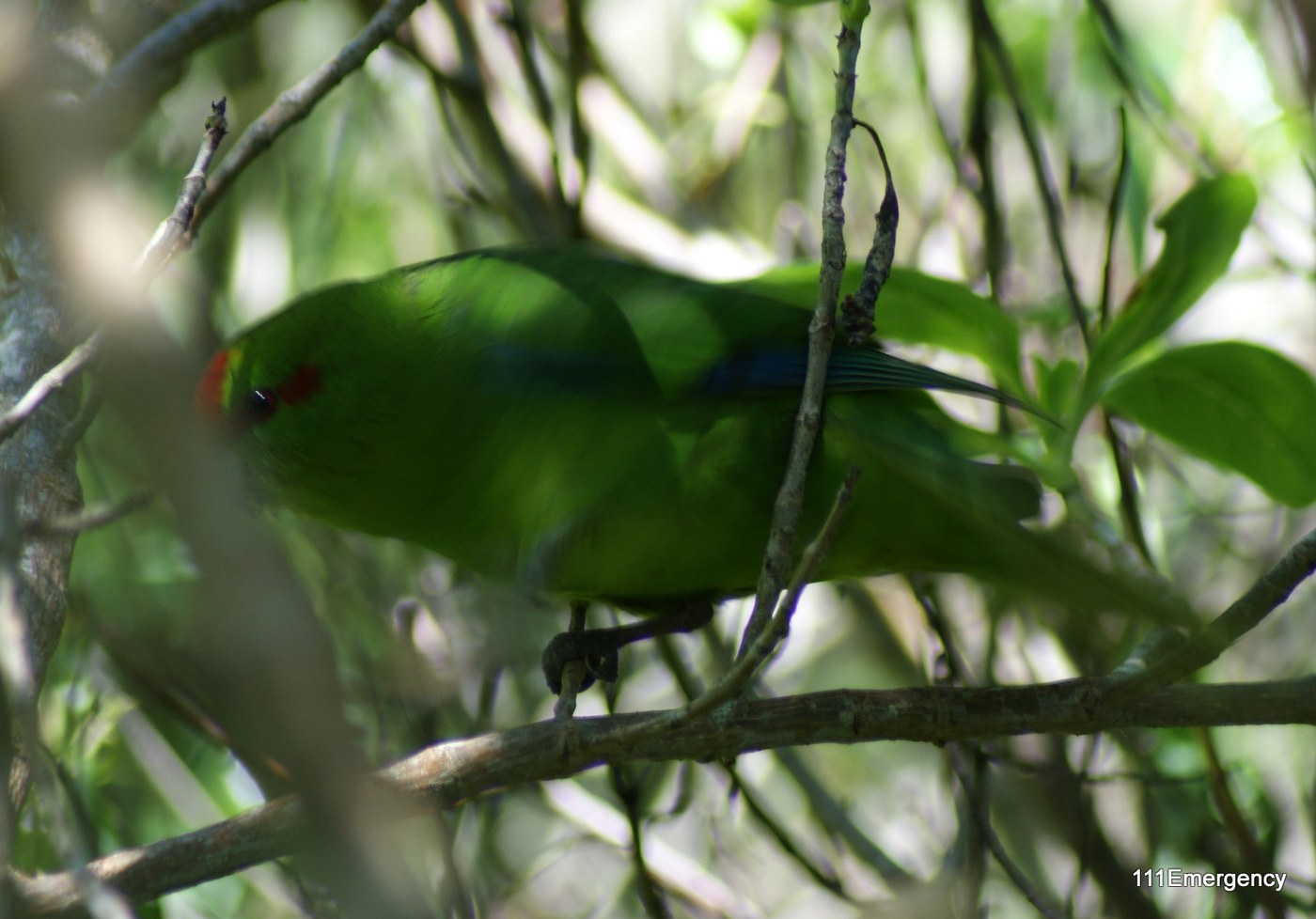
A slender, bright green New Zealand parakeet with a distinctive red crown and a long, tapering tail.
- Feather type
- Contour, crown, and long tail feathers
- Colours
- Bright green with a red crown patch and red vent
- Bird size
- Robin-to-jay-sized, ~28 cm including tail
Found a feather like this?
Identify any feather from a photo, free.
Overview
Overview
The Kakariki, or Red-crowned Parakeet, is a small forest parrot native to New Zealand, easily recognized by its rich green plumage and a red patch across the crown and through the eye. Once widespread, it is now most secure on predator-free offshore islands and in some mainland forest remnants.
- Slim body with a proportionally long, graduated tail
- Fast, direct flight through forest canopy
- One of several closely related Cyanoramphus parakeets in the region
Identifying the Feather
Feather Identification
Kakariki feathers are narrow and elongated compared to stockier parrots, reflecting the bird's slender build.
- Crown feathers: bright crimson-red, forming a cap that extends back from the bill and through a stripe over the eye
- Body feathers: uniform grass green, brighter on the upperparts and slightly paler below
- Vent feathers: tinged with red or orange-red, visible when the tail is fanned
- Tail feathers: long, tapering, and green with darker tips, contributing much of the bird's overall length
- Compared to similar species: the closely related Yellow-crowned Parakeet has a smaller, yellow-and-red crown patch rather than the Kakariki's larger, solidly red cap, distinguishing loose crown feathers of the two
Plumage & Molt
Plumage Notes
Both sexes show similar green plumage with a red crown, though males average slightly larger with a marginally bigger bill. Juveniles resemble adults but often show a duller, more restricted red crown patch that intensifies with age.
- Sexes are similar in color, unlike many parrots, making size and behavior more useful for sexing in the field
- No distinct seasonal plumage change
- Molt occurs gradually outside the breeding season, maintaining flight capability
Habitat & Range
Habitat & Range
Native to New Zealand and several nearby island groups, the Kakariki occupies native forest, scrubland, and forest edges.
- Now most abundant on predator-free offshore islands such as those in the Hauraki Gulf
- Mainland populations have declined due to introduced predators, though some forest strongholds remain
- A non-migratory resident species, though it may shift locally in search of seasonal food
Behavior & Field Notes
Behavior & Field Notes
Kakariki are active, fast-flying parakeets that forage at multiple levels of the forest, from canopy to ground.
- Diet: seeds, fruits, buds, and invertebrates gathered from foliage and the forest floor
- Nesting: nests in tree cavities, sometimes low in rotten stumps or even rock crevices
- Voice: a rapid, chattering flight call, often the first clue to its presence in dense forest
- Field notes: frequently seen in small flocks, moving quickly and directly between feeding trees rather than lingering in the open
Frequently asked questions
Why is it called the Red-crowned Parakeet?
It has a bright crimson-red patch on its crown that extends back through a stripe over the eye, giving the species its common name.
How can you tell Kakariki feathers from other green parakeets?
The combination of a solid red crown cap, red-tinged vent feathers, and long tapering tail feathers is distinctive among New Zealand parakeets.
Where are Kakariki most commonly found today?
They are most secure on predator-free offshore islands, with smaller populations surviving in some mainland forest remnants.
Do male and female Kakariki look different?
They look very similar, with males only slightly larger and heavier-billed than females.
Kakariki guides
In-depth guides for identifying and understanding Kakariki.
Other feathers you may enjoy
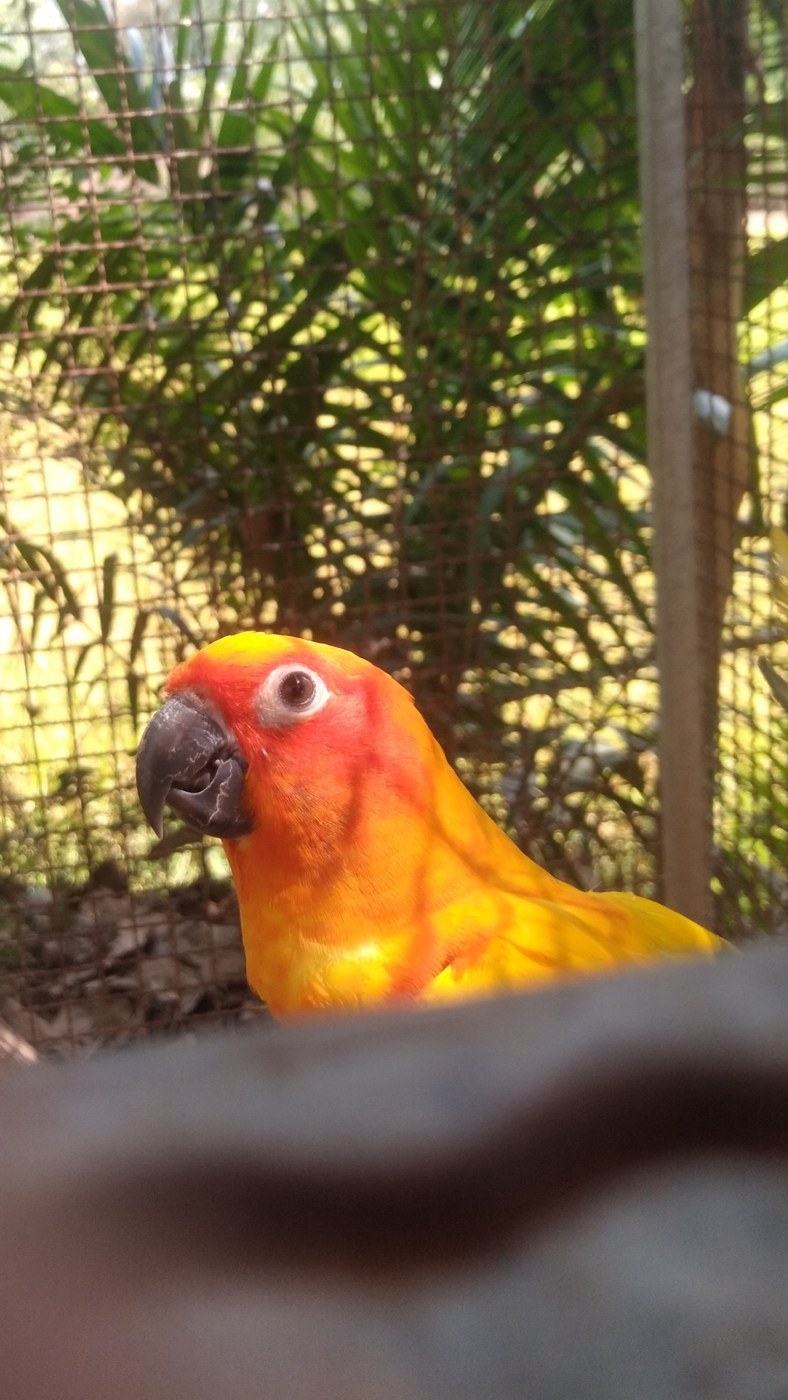
Sun Parakeet
Bright, dense body contour feathers; medium pointed tail feathers

Yellow-naped Amazon
Broad rounded contour feathers with sturdy flight feathers
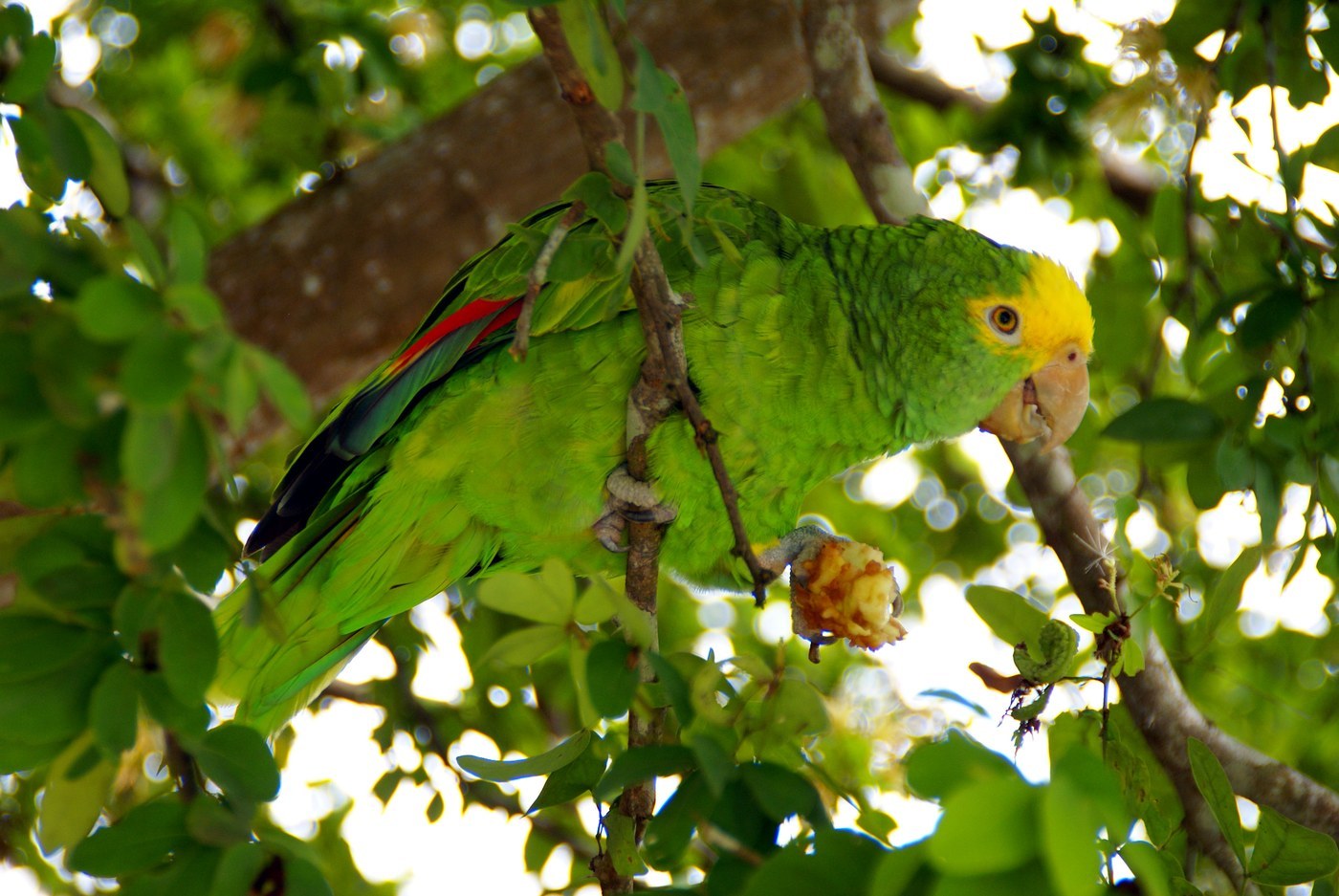
Yellow-headed Amazon
Dense, rounded body contour feathers; broad flight feathers
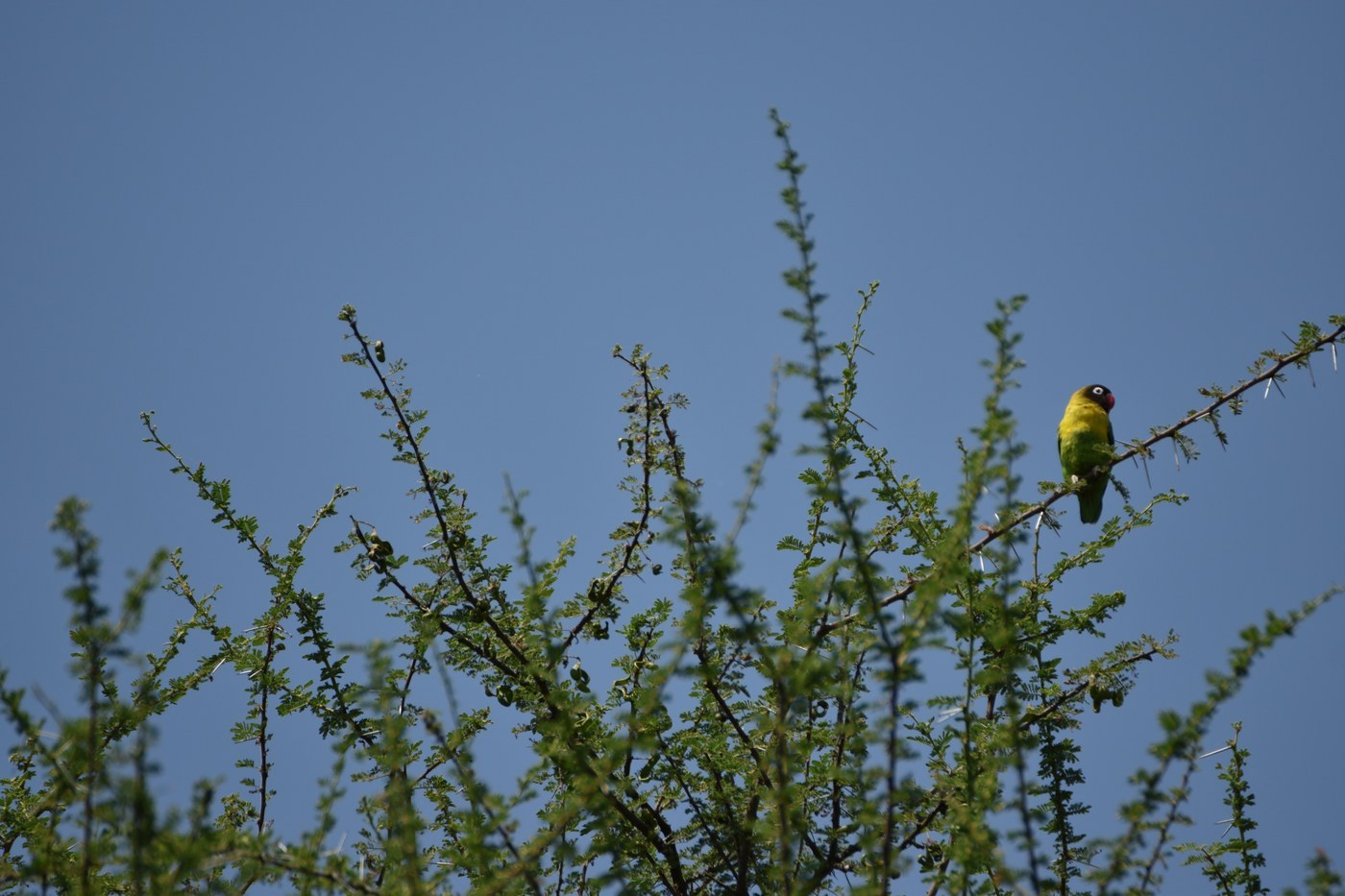
Yellow-collared Lovebird
Small compact flight feathers, short rounded tail

White-eyed Conure
Medium contour and long, graduated tail feathers

Yellow-tailed Black Cockatoo
Large, sturdy contour and flight feathers; short crest

Scarlet-chested Parrot
Small contour and flight feathers

Timneh Parrot
Broad flight feathers, scalloped body feathers with pale edges
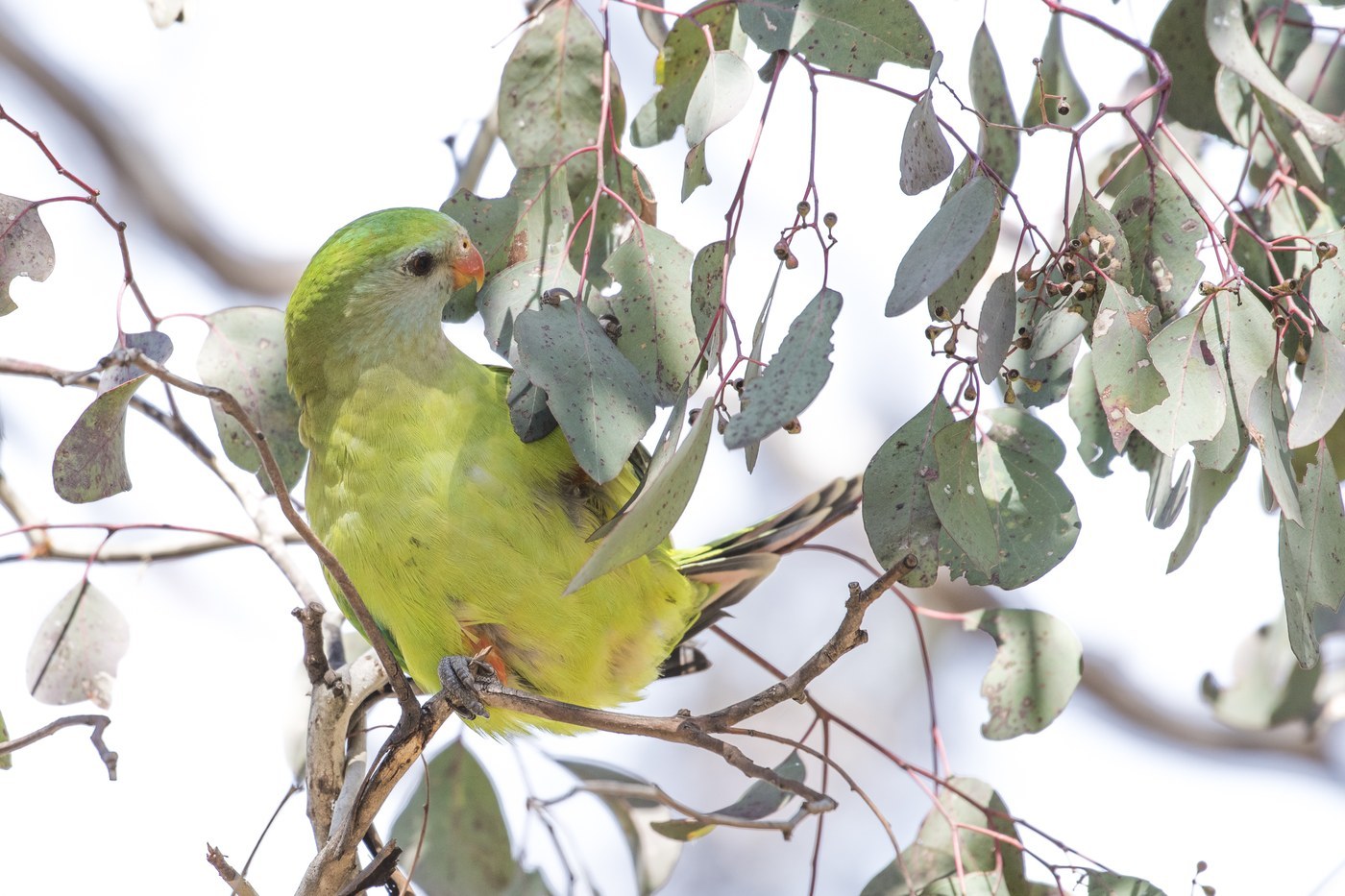
Superb Parrot
Sleek contour feathers with a long tapering tail

Red-shouldered Macaw
Compact body contour feathers; medium flight and tail feathers
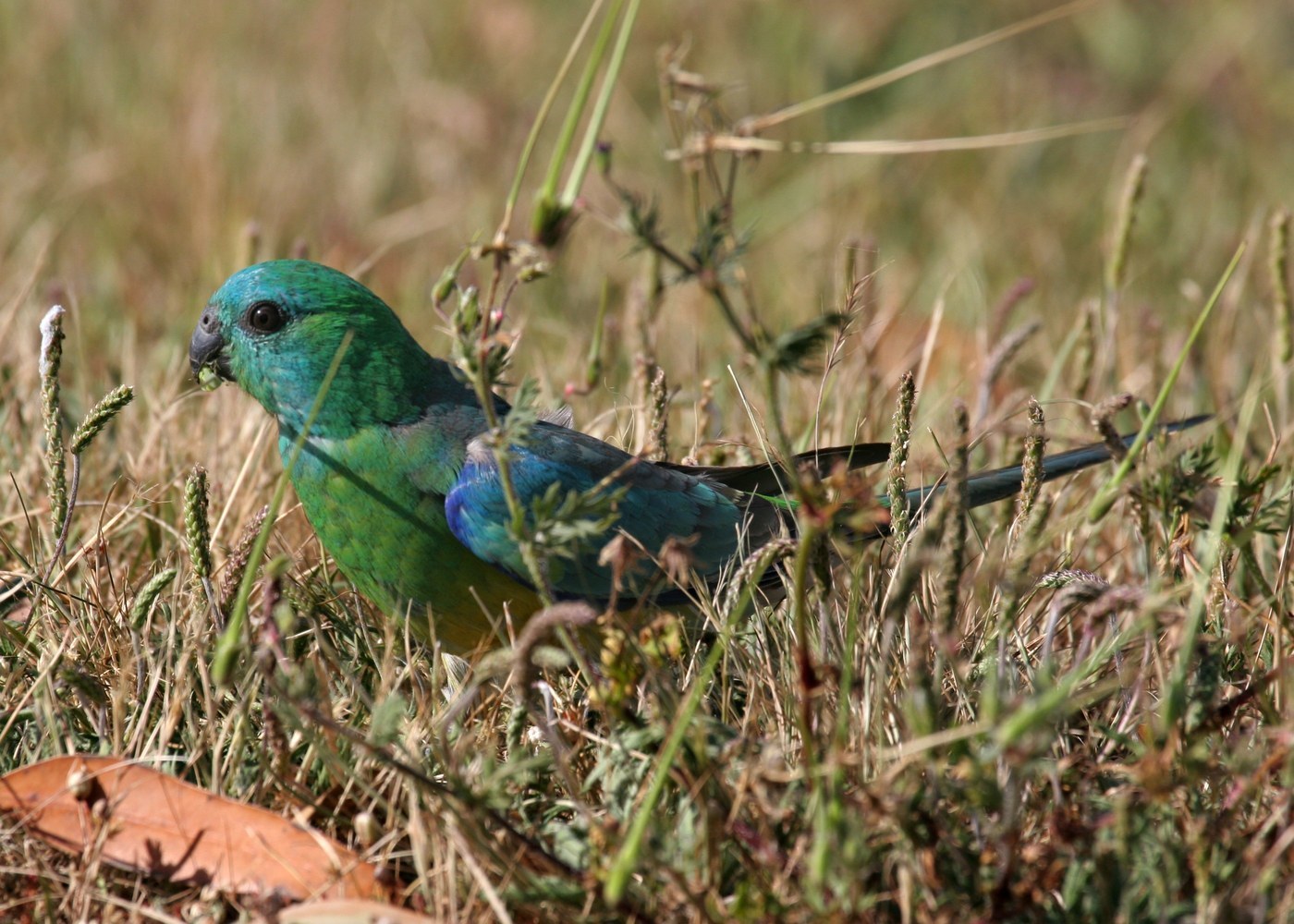
Red-rumped Parrot
Sleek contour feathers with a bright rump patch in males

White-capped Pionus
Compact contour feathers and short, squared tail feathers