

Monk Parakeet
Myiopsitta monachus
A green South American parakeet with a distinctive grey, scalloped breast, unique among parrots for building large communal stick nests rather than nesting in cavities.
- Feather type
- Soft green body feathers with a scalloped grey breast pattern
- Colours
- Green upperparts, grey face and breast with pale scalloping, blue flight feathers
- Bird size
- Small-medium parakeet, ~29 cm
Found a feather like this?
Identify any feather from a photo, free.
Overview
The Monk Parakeet is native to temperate and subtropical South America, particularly Argentina, Bolivia, Brazil, Paraguay, and Uruguay. It has also established substantial naturalized populations in cities across North America and Europe following escapes from the pet trade. Its most distinctive trait is nest construction: unlike nearly all other parrots, it builds large, bulky stick nests, often shared by multiple pairs, rather than nesting in tree cavities.
Identifying the Feather
Body feathers are bright green on the back, wings, and crown, contrasting with a grey face, throat, and breast marked with fine pale scalloping created by light feather edging. The flight feathers are blue, visible as a contrasting panel on the closed wing and especially in flight. The tail is long and green with a bluish wash on the underside. The combination of a grey scalloped breast against green upperparts is distinctive among South American parakeets and separates this species from similarly sized all-green conures.
Plumage & Molt
Sexes are alike in plumage, both showing the grey scalloped breast and green upperparts with no marked difference between males and females. Juveniles resemble adults but with slightly duller, less defined scalloping on the breast that sharpens after the first molt. A single annual molt renews the plumage.
Habitat & Range
Monk Parakeets favor open woodland, savanna, and scrubland across their native South American range, and have proven highly adaptable to urban and suburban environments, both in their native range and in areas where escaped populations have become established, including cities in North America and Europe. The species is largely non-migratory, remaining resident year-round, aided by its habit of building insulated stick nests that provide shelter in cooler climates.
Behavior & Field Notes
Monk Parakeets feed on seeds, grain, fruit, and blossoms, foraging in flocks both in natural habitat and urban settings. Their most notable behavior is nest-building: pairs construct large stick nests with multiple chambers, often combining with neighboring pairs to form large multi-nest structures on trees, poles, or utility structures. Calls include loud, harsh, repeated screeching and chattering notes given frequently around nest colonies and while foraging in flocks.
Frequently asked questions
What color are Monk Parakeet feathers?
Green on the upperparts with a grey, finely scalloped face and breast, and blue flight feathers.
What is unique about how Monk Parakeets nest?
They build large stick nests, often shared by multiple pairs, rather than nesting in tree cavities like most parrots.
Do male and female Monk Parakeets look different?
No, the sexes are alike in plumage.
Where do Monk Parakeets live?
Native to temperate South America, with additional naturalized populations established in some cities in North America and Europe.
Monk Parakeet guides
In-depth guides for identifying and understanding Monk Parakeet.

Monk Parakeet identified by the community
Real feathers identified with Feather Identifier.


Other feathers you may enjoy
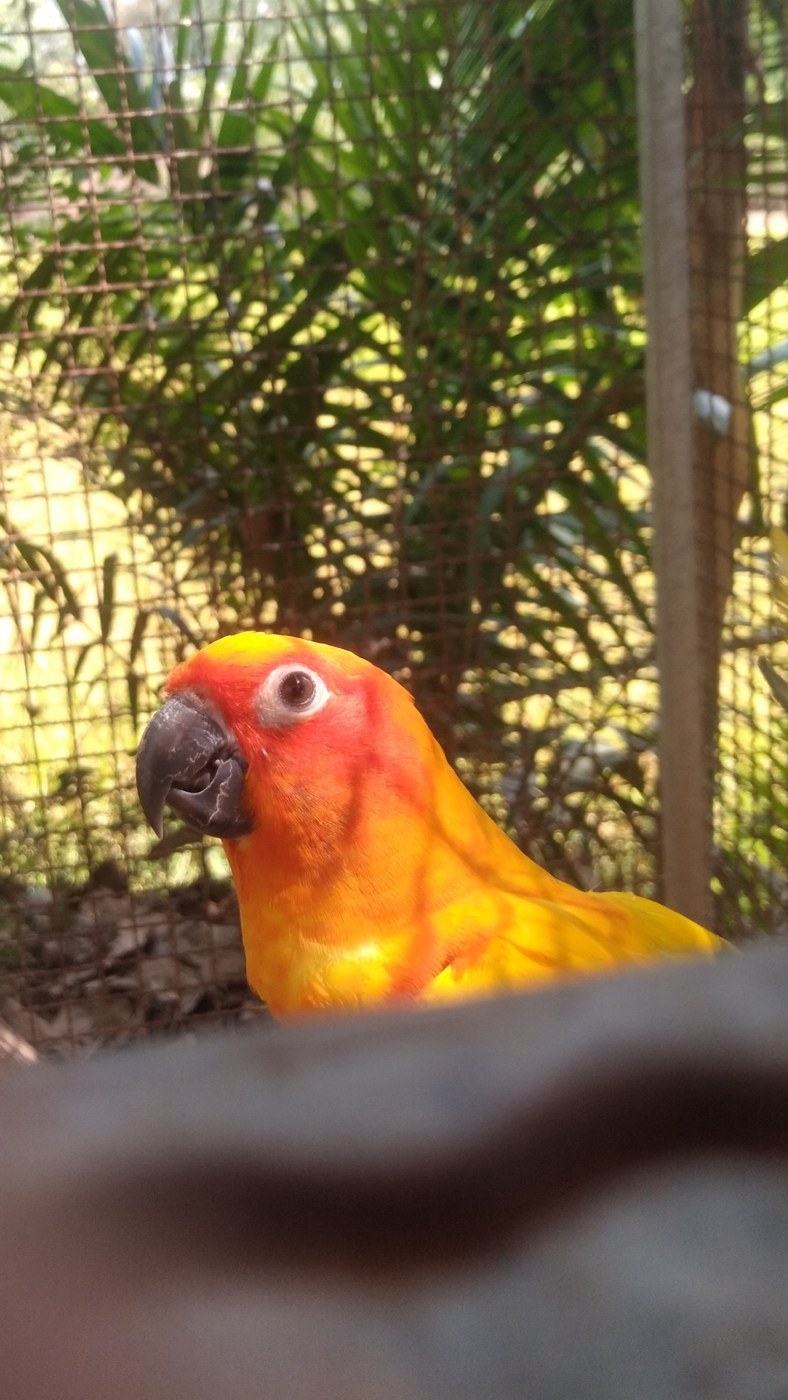
Sun Parakeet
Bright, dense body contour feathers; medium pointed tail feathers

Yellow-naped Amazon
Broad rounded contour feathers with sturdy flight feathers
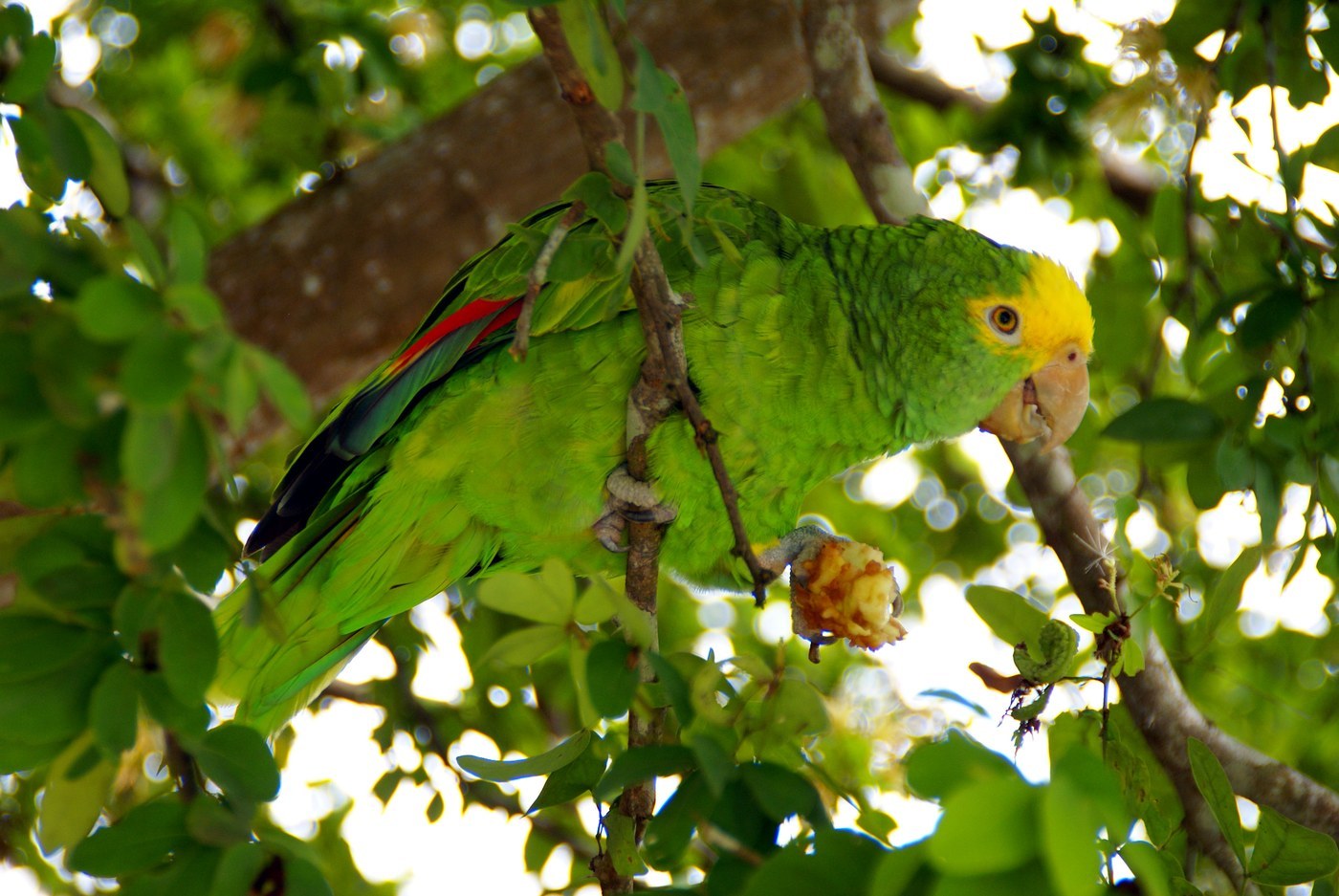
Yellow-headed Amazon
Dense, rounded body contour feathers; broad flight feathers
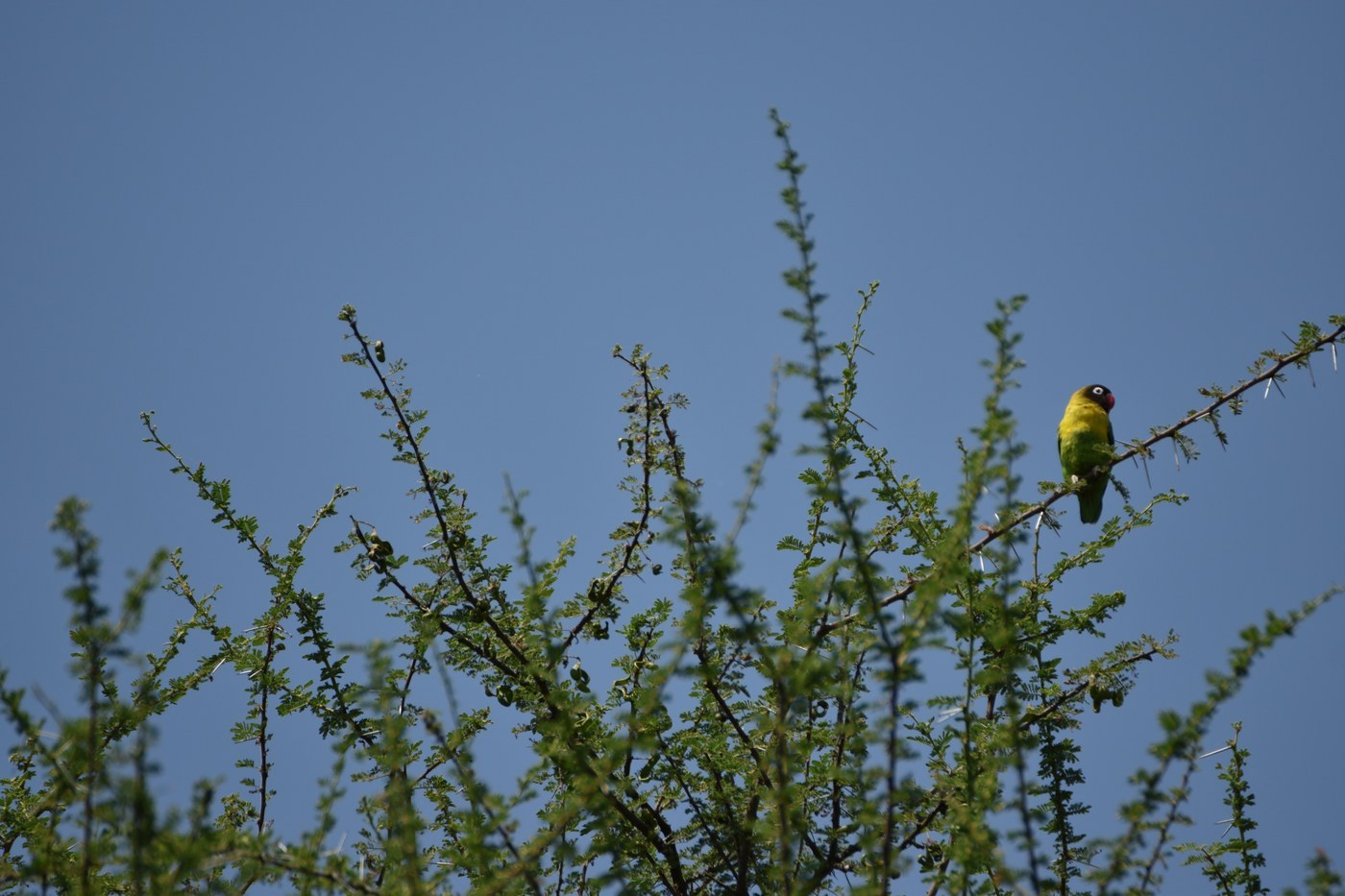
Yellow-collared Lovebird
Small compact flight feathers, short rounded tail

White-eyed Conure
Medium contour and long, graduated tail feathers

Yellow-tailed Black Cockatoo
Large, sturdy contour and flight feathers; short crest

Scarlet-chested Parrot
Small contour and flight feathers

Timneh Parrot
Broad flight feathers, scalloped body feathers with pale edges
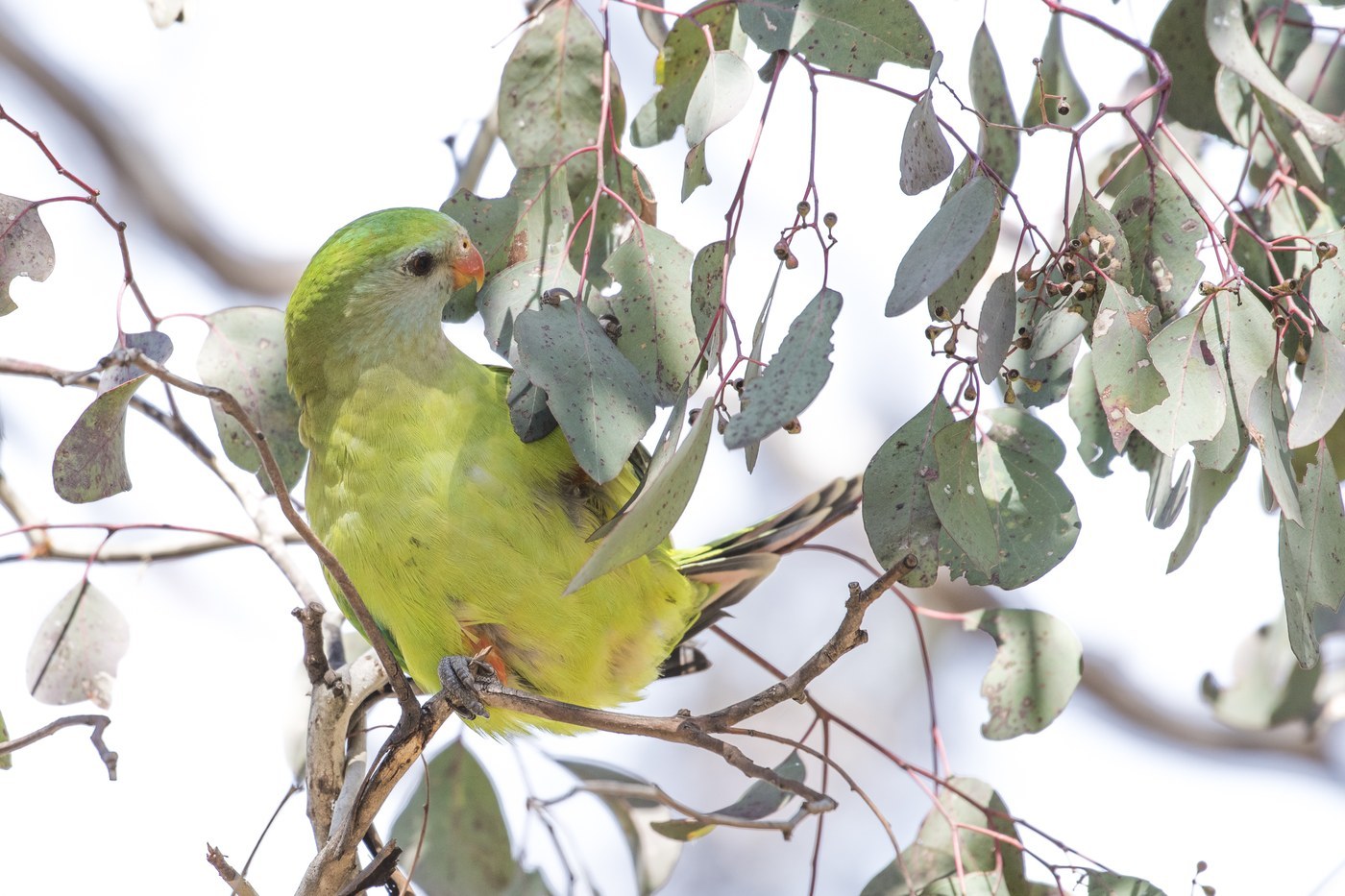
Superb Parrot
Sleek contour feathers with a long tapering tail

Red-shouldered Macaw
Compact body contour feathers; medium flight and tail feathers
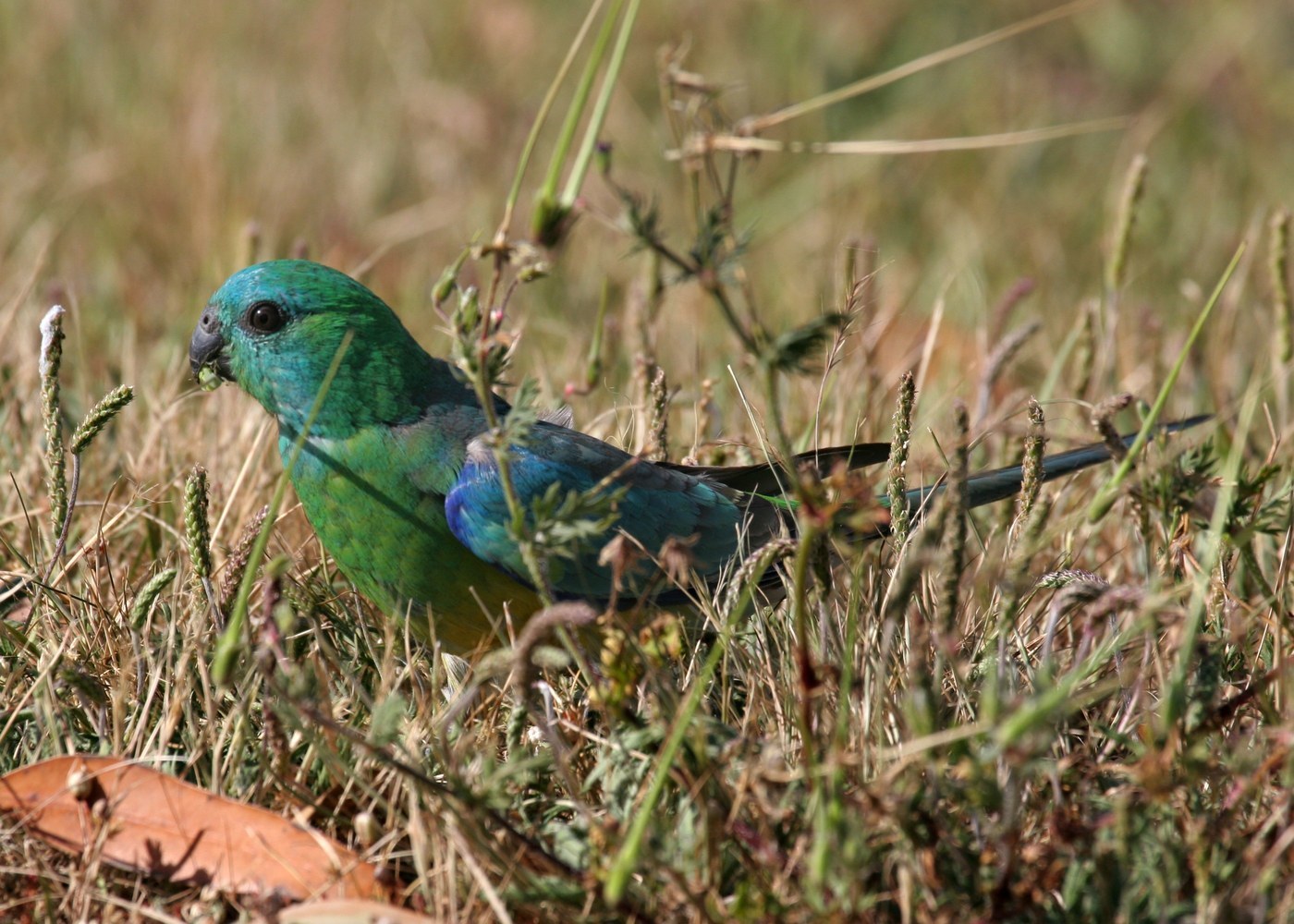
Red-rumped Parrot
Sleek contour feathers with a bright rump patch in males

White-capped Pionus
Compact contour feathers and short, squared tail feathers