

Ovenbird
Seiurus aurocapilla
A ground-dwelling warbler that looks more like a small thrush, with heavily streaked underparts and a bold orange crown stripe bordered in black.
- Feather type
- Dense, olive-brown contour feathers; heavily streaked below
- Colours
- Olive-brown, orange crown stripe, black, white with dark streaks
- Bird size
- Sparrow-sized, ~15 cm
Found a feather like this?
Identify any feather from a photo, free.
Overview
Overview
The Ovenbird is a large, terrestrial warbler of mature deciduous and mixed forests across much of North America. Its common name refers to its distinctive domed, oven-shaped nest built directly on the forest floor. Unlike most warblers, it walks rather than hops, moving deliberately across leaf litter while bobbing its tail, which along with its streaked breast gives it a strong resemblance to a small thrush.
This species breeds widely from the eastern and central United States and southern Canada, wintering in the southeastern U.S., Mexico, Central America, and the Caribbean. It is much more often heard than seen, its loud, ringing song a familiar sound of summer forest interiors.
Identifying the Feather
Feather Identification
- Crown: A bold orange to olive-orange central crown stripe bordered on each side by a black lateral stripe is diagnostic and visible even on isolated crown feathers.
- Upperparts: Back, wing, and tail feathers are uniform warm olive-brown with no wing bars, streaking, or pale edging.
- Underparts: Breast and flank feathers are white to buffy-white with bold, dark blackish streaking arranged in rows, resembling a thrush more than a typical warbler.
- Eye-ring: A thin but complete whitish eye-ring is present, useful when examining head feathers or facial skin.
- Size and shape: Feathers are notably fuller and denser than those of smaller warblers, consistent with its larger, more robust body and ground-dwelling habits.
- Legs: Pale pinkish legs (not feather related but a useful corroborating field mark when found with associated remains).
Plumage & Molt
Plumage Details
Sexes look alike, and there is little seasonal variation in this species compared to many warblers. Adults have olive-brown upperparts, the black-bordered orange crown stripe, and heavily streaked white underparts year-round. Immatures in fall can show slightly buffier tips to the wing covert feathers, but overall pattern closely resembles the adult.
A single complete prebasic molt occurs on the breeding grounds after nesting, and there is no distinct alternate plumage; the plumage worn through fall, winter, and into the following breeding season is essentially the same, making this one of the more plumage-stable warblers.
Habitat & Range
Habitat & Range
Ovenbirds require large tracts of mature deciduous or mixed forest with a relatively open understory and a deep leaf-litter layer for foraging and nesting; they are sensitive to forest fragmentation. The breeding range spans much of the eastern and north-central United States and southern Canada, extending west to parts of the Rocky Mountain foothills.
This is a long-distance migrant, wintering from the southeastern United States and Caribbean south through Mexico and Central America to northern South America. During migration, individuals may turn up in a wide range of wooded habitats, including small urban parks.
Behavior & Field Notes
Behavior & Field Notes
True to its terrestrial habits, the Ovenbird walks steadily across the forest floor with a distinctive stiff-legged gait, flicking its tail upward periodically while foraging among leaf litter for insects, spiders, and other invertebrates. Its domed nest, tucked into a depression on the ground and roofed with leaves and grasses, resembles a small outdoor oven, giving the species its name.
The song is a loud, emphatic series of "teacher, TEACHER, TEACHER" phrases that increase in volume, one of the most recognizable sounds of eastern forest interiors in summer. Ovenbirds are generally solitary and can be quite secretive, often detected by song or by their distinctive tail-bobbing walk long before they are seen well.
Frequently asked questions
What makes an Ovenbird's feathers different from other warblers?
Its underparts are boldly streaked like a thrush rather than plain or lightly marked, and it has a unique black-bordered orange crown stripe not shared with other warbler species.
Does the Ovenbird have wing bars?
No, the wings are plain olive-brown without wing bars, distinguishing it from many patterned warblers.
Why is it called an Ovenbird?
The name comes from its domed, oven-shaped ground nest built from leaves and grasses, not from any feather feature.
Do male and female Ovenbirds look different?
No, the sexes are essentially identical in plumage, which is unusual among many warbler species that show more distinct male-female differences.
Ovenbird guides
In-depth guides for identifying and understanding Ovenbird.

Other feathers you may enjoy

Yellow-breasted Bunting
Contour and flight feathers, chestnut-and-yellow breeding pattern
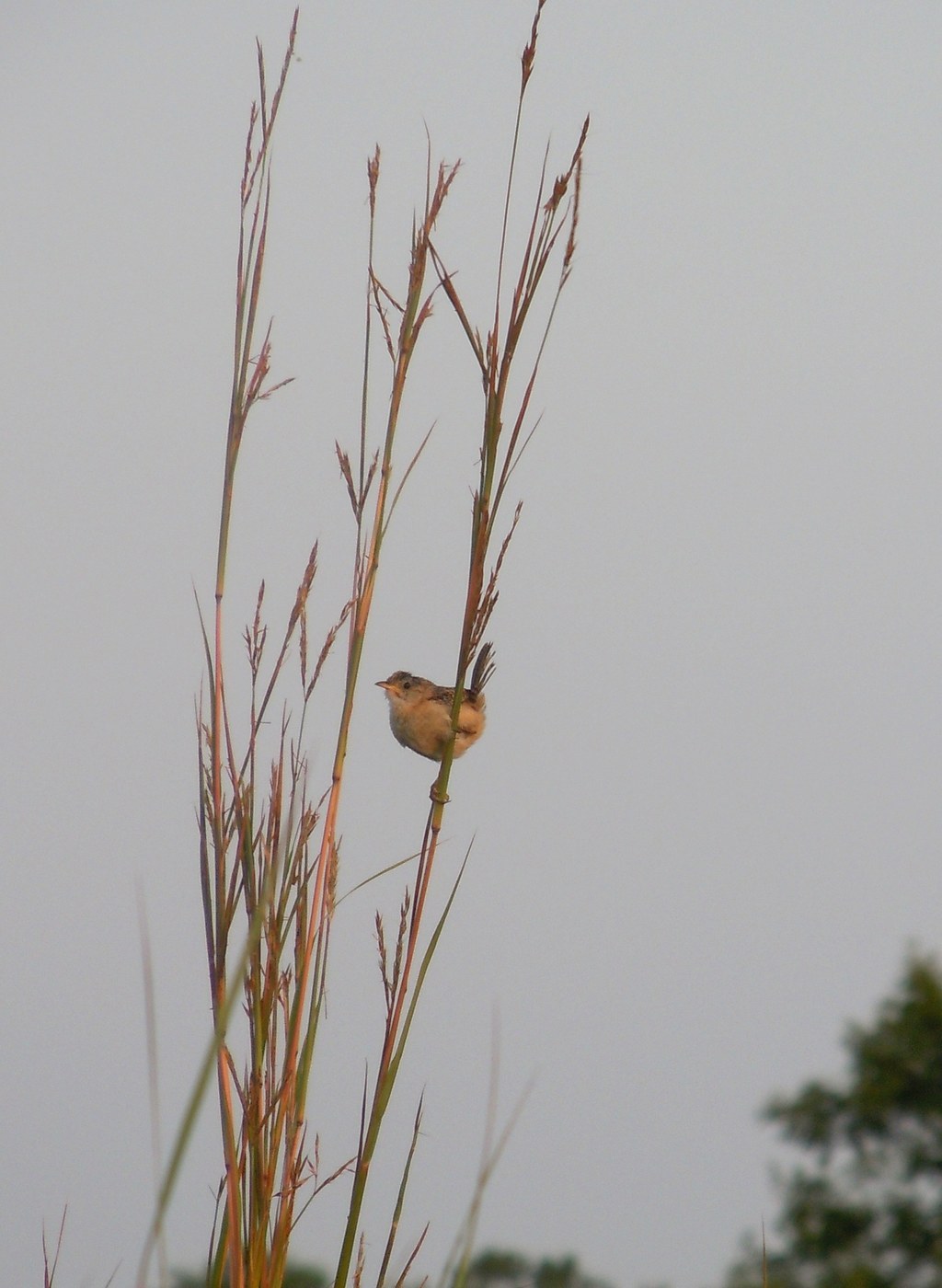
Sedge Wren
Tiny streaked crown and back feathers

Yellow-winged Cacique
Glossy black body feathers, yellow wing patch, shaggy crest

Yellow Warbler
Small contour and flight feathers
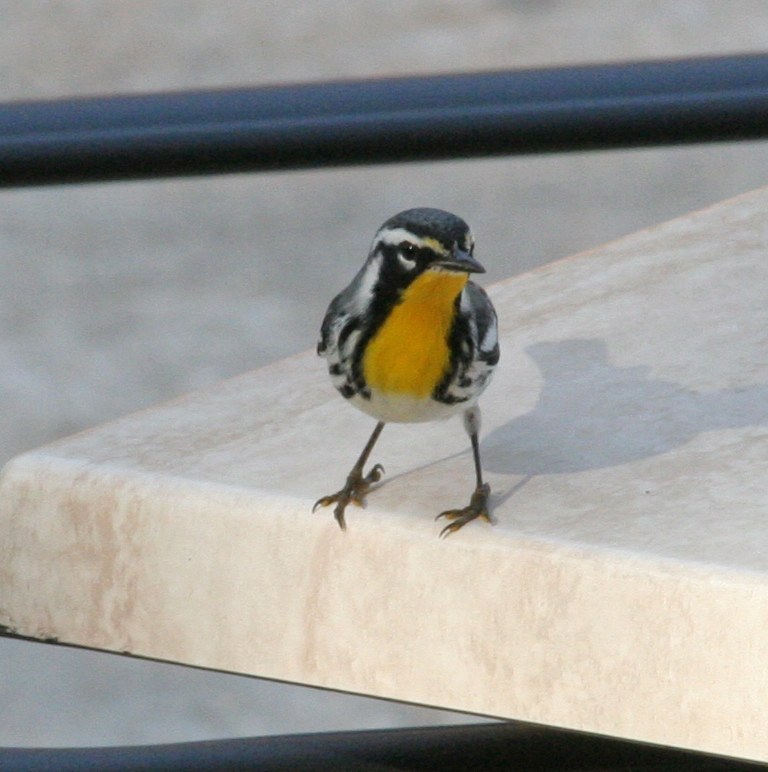
Yellow-throated Warbler
Small contour and flight feathers
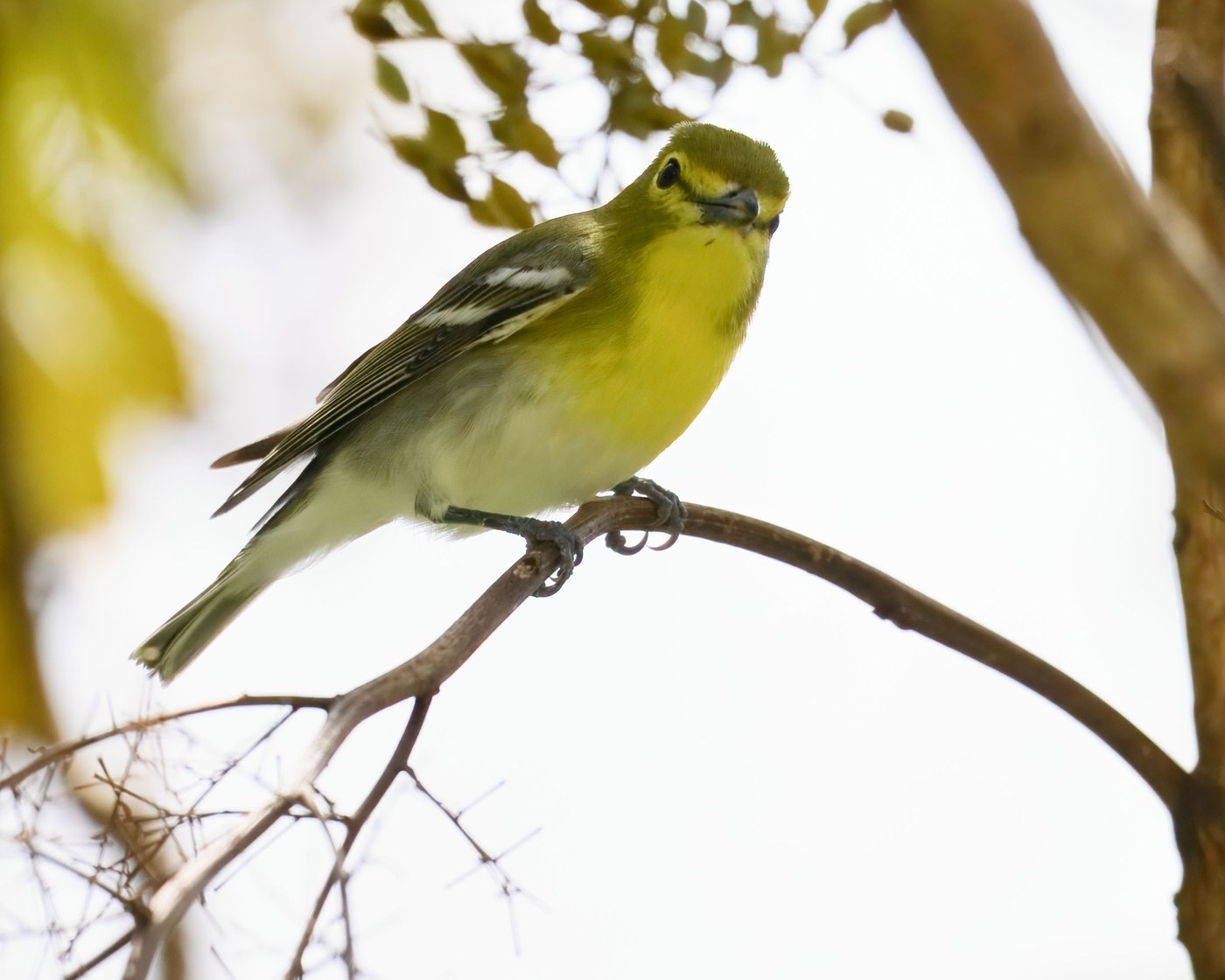
Yellow-throated Vireo
Bright yellow throat and spectacle feathers; olive-green back feathers; two white wing-bar feathers

Yellow-rumped Warbler
Small contour and flight feathers
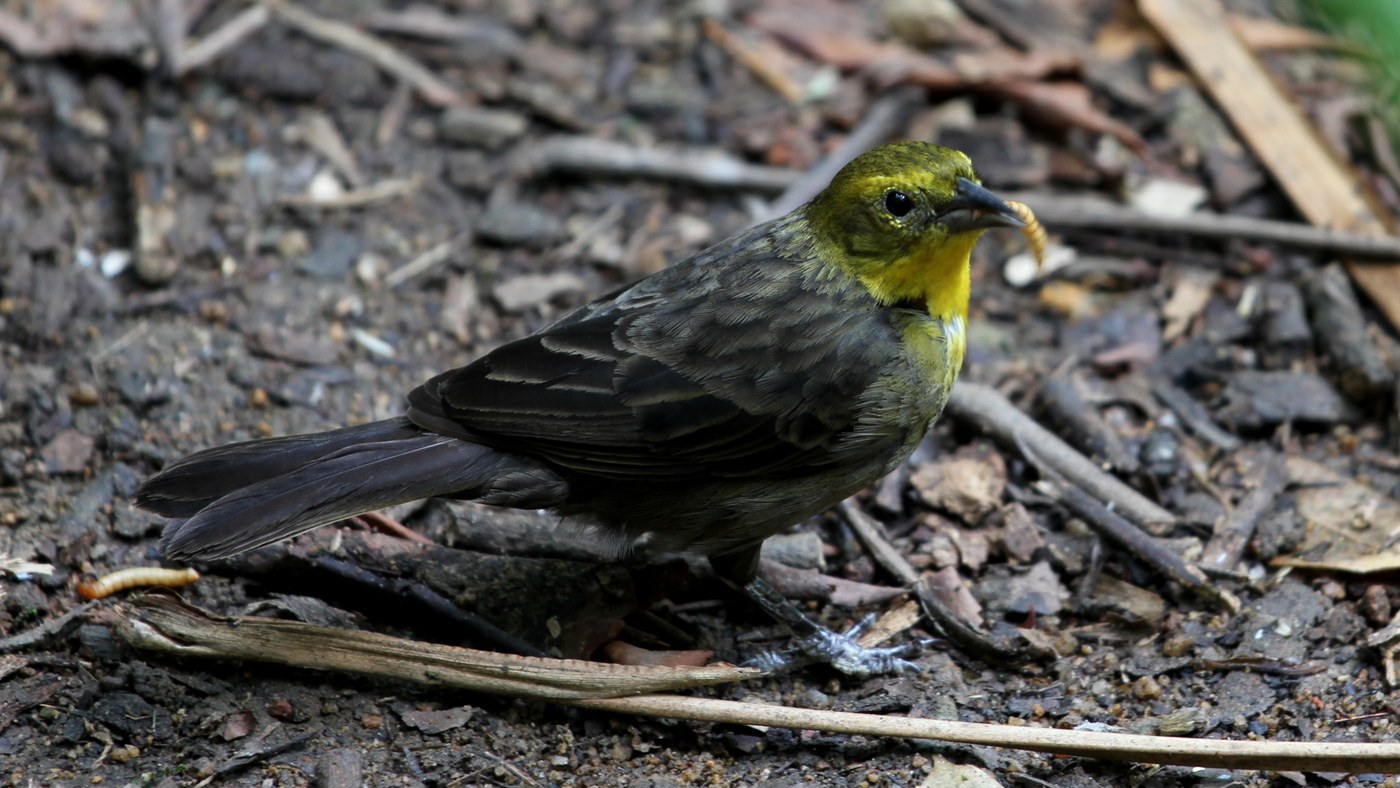
Yellow-hooded Blackbird
Contrasting hood and body feathers
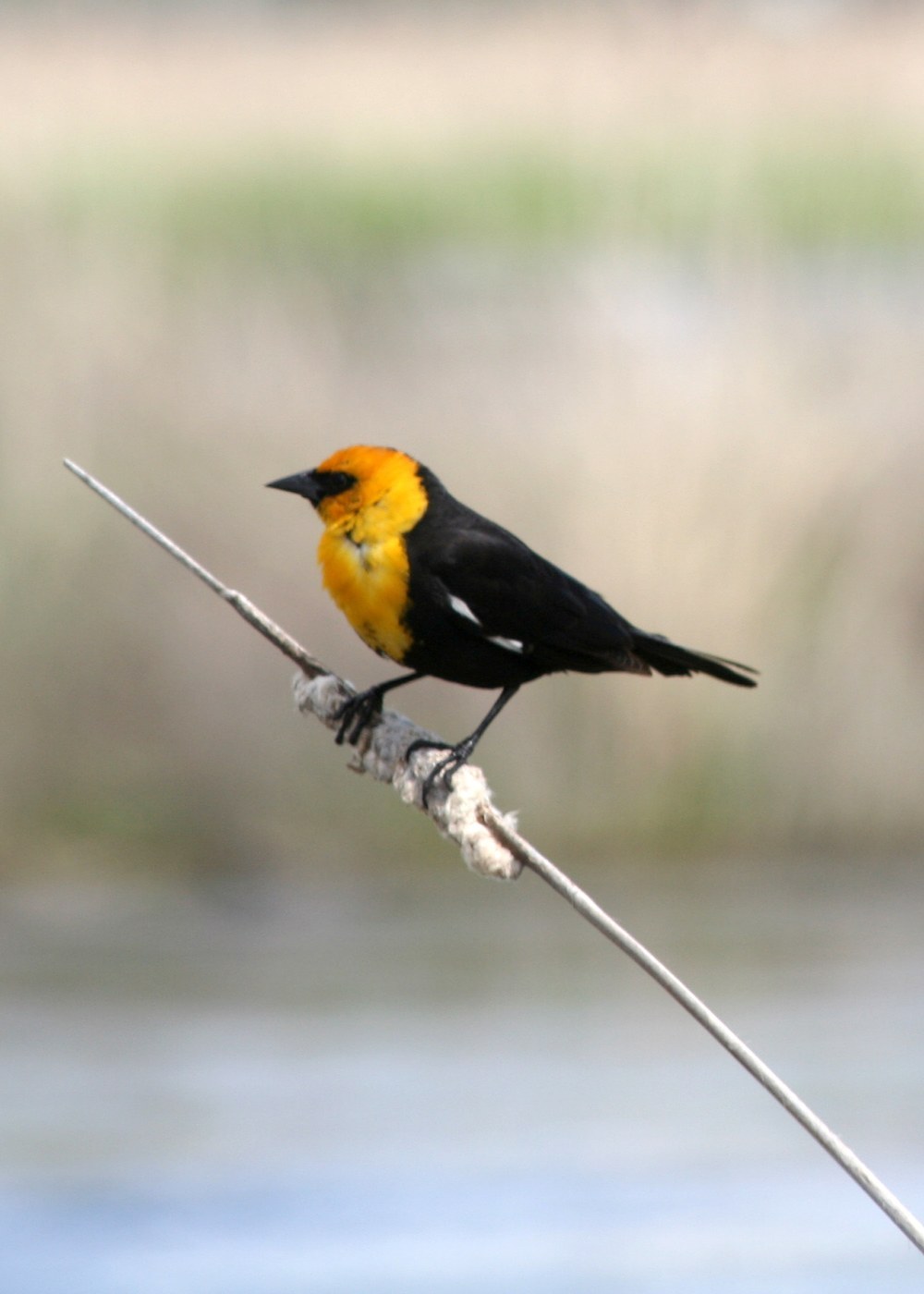
Yellow-headed Blackbird
Glossy black body plumage with a bright yellow head and breast

Yellow-eyed Junco
Contour and flight feathers

Yellow-fronted Canary
Small, smooth body plumage

Yellow-breasted Greenfinch
Compact, smooth body plumage