

Painted Bunting
Passerina ciris
Often called the most colorful songbird in North America, the male Painted Bunting shows a blue head, red underparts, and green back all on the same bird, while females are a uniform bright green.
- Feather type
- Small contour and flight feathers
- Colours
- Vivid blue head, red underparts, green back (males); plain green (females)
- Bird size
- Small, ~13-14 cm
Found a feather like this?
Identify any feather from a photo, free.
Overview
The Painted Bunting is widely regarded as one of the most vividly colored songbirds in North America, breeding in two disjunct populations across the southeastern coastal plain and south-central states. Male feathers combine a deep blue head, vivid red underparts and rump, and a green back, an extraordinary multicolor combination unmatched by any other regularly occurring North American species, while females and immatures are a uniform, unmarked bright green.
Identifying the Feather
Size and Shape
Feathers are small and rounded, similar in size to other buntings, without wing bars or tail patches.
Color and Pattern
- Male head feathers: deep blue to purplish-blue
- Male back feathers: bright green
- Male underpart and rump feathers: vivid red
- Female and immature feathers: uniform bright green overall, unmarked
Distinguishing from Similar Species
No other North American songbird combines blue, green, and red on a single bird, making a male Painted Bunting feather essentially unmistakable. Female Painted Bunting feathers, while less distinctive on their own, are notably greener and more uniform than most other small green or olive songbirds, most of which show some streaking or wing bars that Painted Bunting lacks.
Plumage & Molt
Adult males show the full blue-green-red combination beginning in their second year; first-year males resemble females, appearing green rather than colorful. Females and immatures of both sexes are uniform bright green with no seasonal change. Adults undergo a complete molt after breeding, and unusually, Painted Buntings may molt on the wintering grounds rather than immediately after breeding in some populations.
Habitat & Range
Painted Buntings breed in two separate populations: one along the southeastern Atlantic coastal plain and another across south-central states including Texas and Oklahoma, favoring brushy thickets, woodland edges, and coastal scrub. The species winters in Florida, Mexico, and Central America, and eastern populations in particular have shown notable long-term declines.
Behavior & Field Notes
This bunting feeds on seeds and insects, foraging low in dense vegetation and often remaining hidden despite the male's bright coloring. It builds a well-concealed cup nest low in shrubs or vines. The male's song is a sweet, warbling series of varied phrases, delivered from a low to mid-level perch, and the species can be secretive despite its coloration, often first detected by song rather than sight.
Frequently asked questions
Why are male Painted Bunting feathers so colorful?
They combine a blue head, green back, and red underparts and rump, a unique three-color combination not found in any other regularly occurring North American songbird.
What color are female Painted Bunting feathers?
Uniform bright green all over, quite different from the vividly multicolored male.
When do male Painted Buntings acquire their colorful plumage?
Not until their second year; first-year males look green like females before molting into full adult coloration.
Where would I find a Painted Bunting feather?
In brushy thickets, woodland edges, and coastal scrub within its two breeding population ranges in the southeastern and south-central United States.
Painted Bunting guides
In-depth guides for identifying and understanding Painted Bunting.

Painted Bunting identified by the community
Real feathers identified with Feather Identifier.

Other feathers you may enjoy

Yellow-breasted Bunting
Contour and flight feathers, chestnut-and-yellow breeding pattern
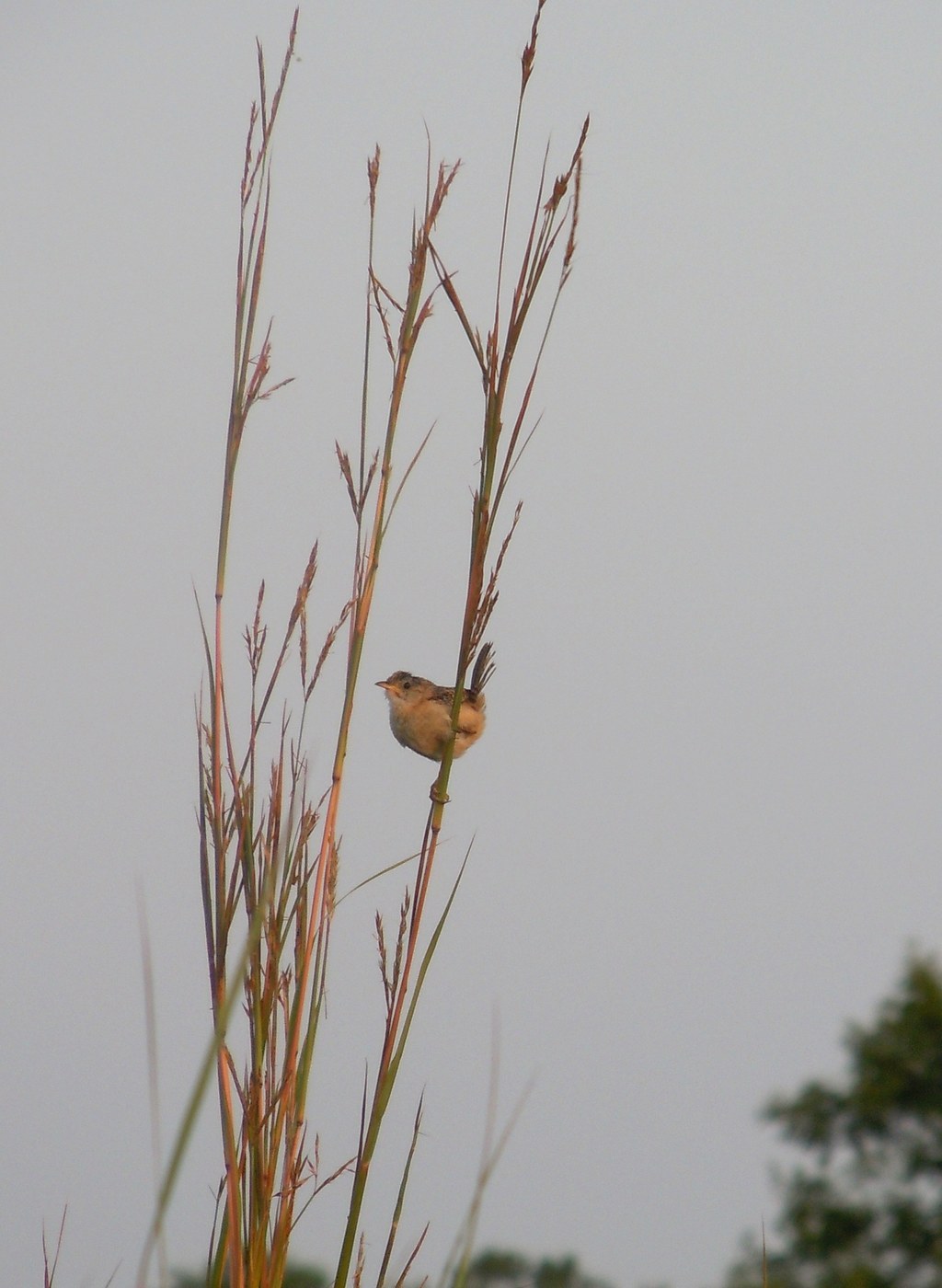
Sedge Wren
Tiny streaked crown and back feathers

Yellow-winged Cacique
Glossy black body feathers, yellow wing patch, shaggy crest

Yellow Warbler
Small contour and flight feathers
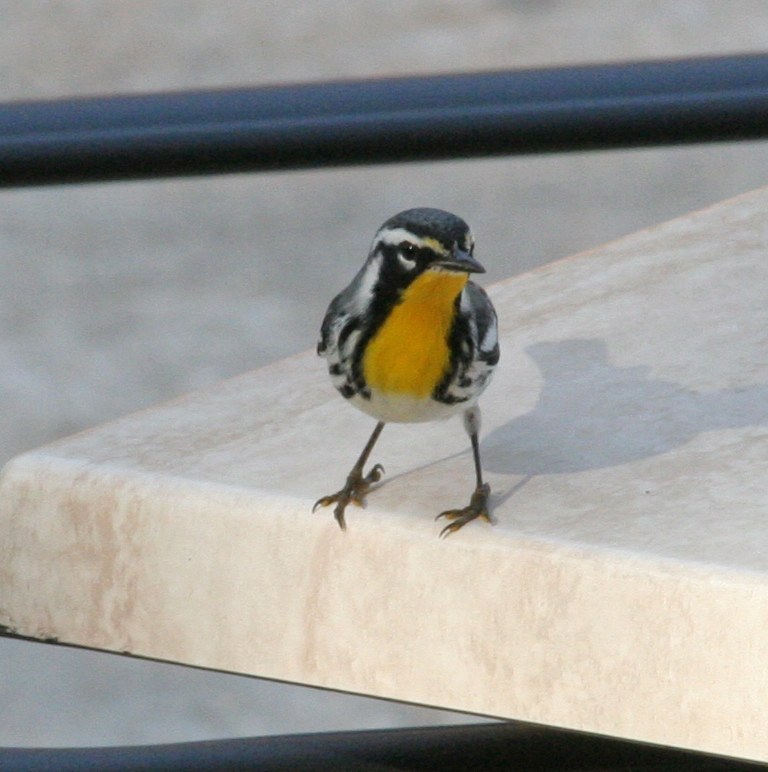
Yellow-throated Warbler
Small contour and flight feathers
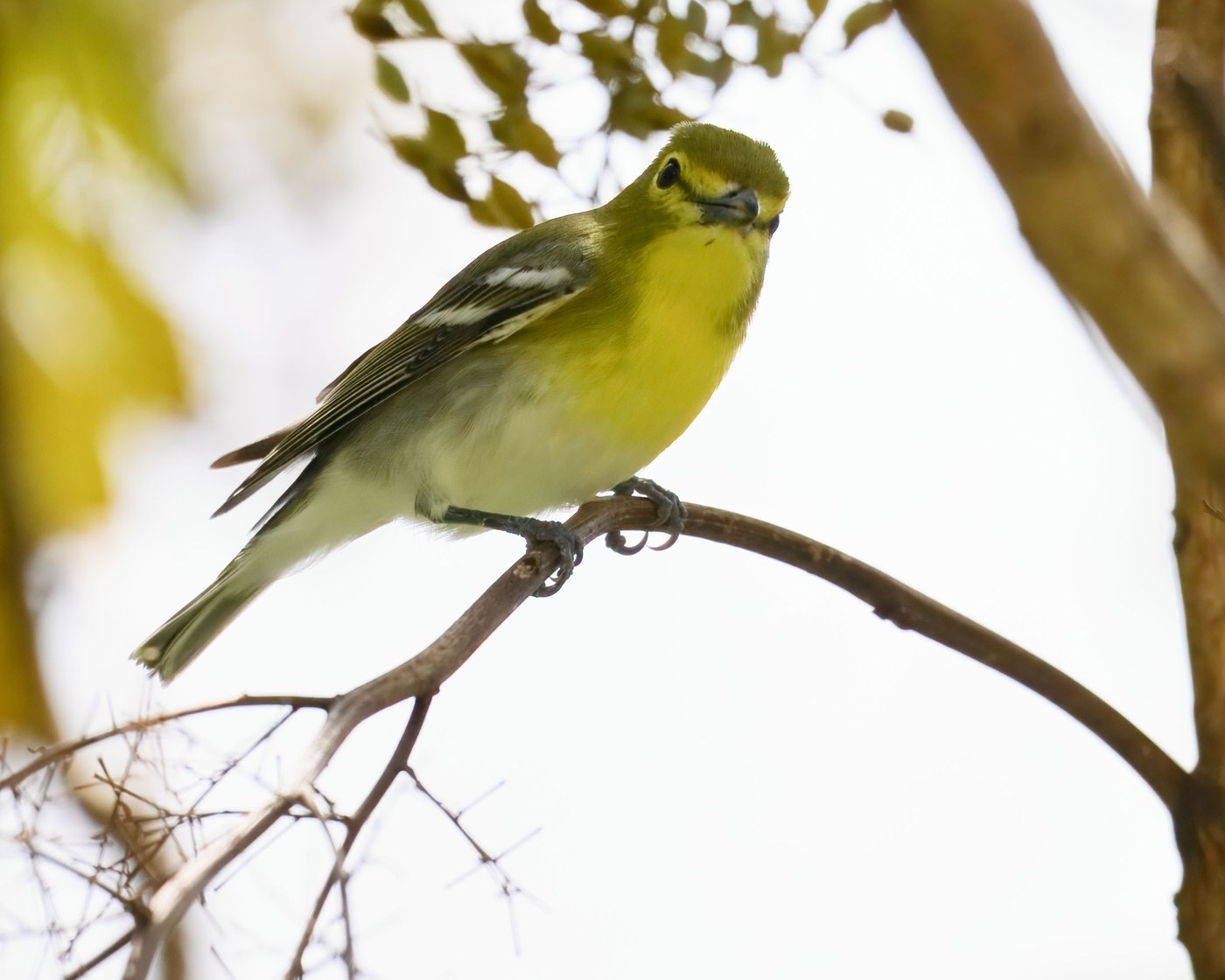
Yellow-throated Vireo
Bright yellow throat and spectacle feathers; olive-green back feathers; two white wing-bar feathers

Yellow-rumped Warbler
Small contour and flight feathers
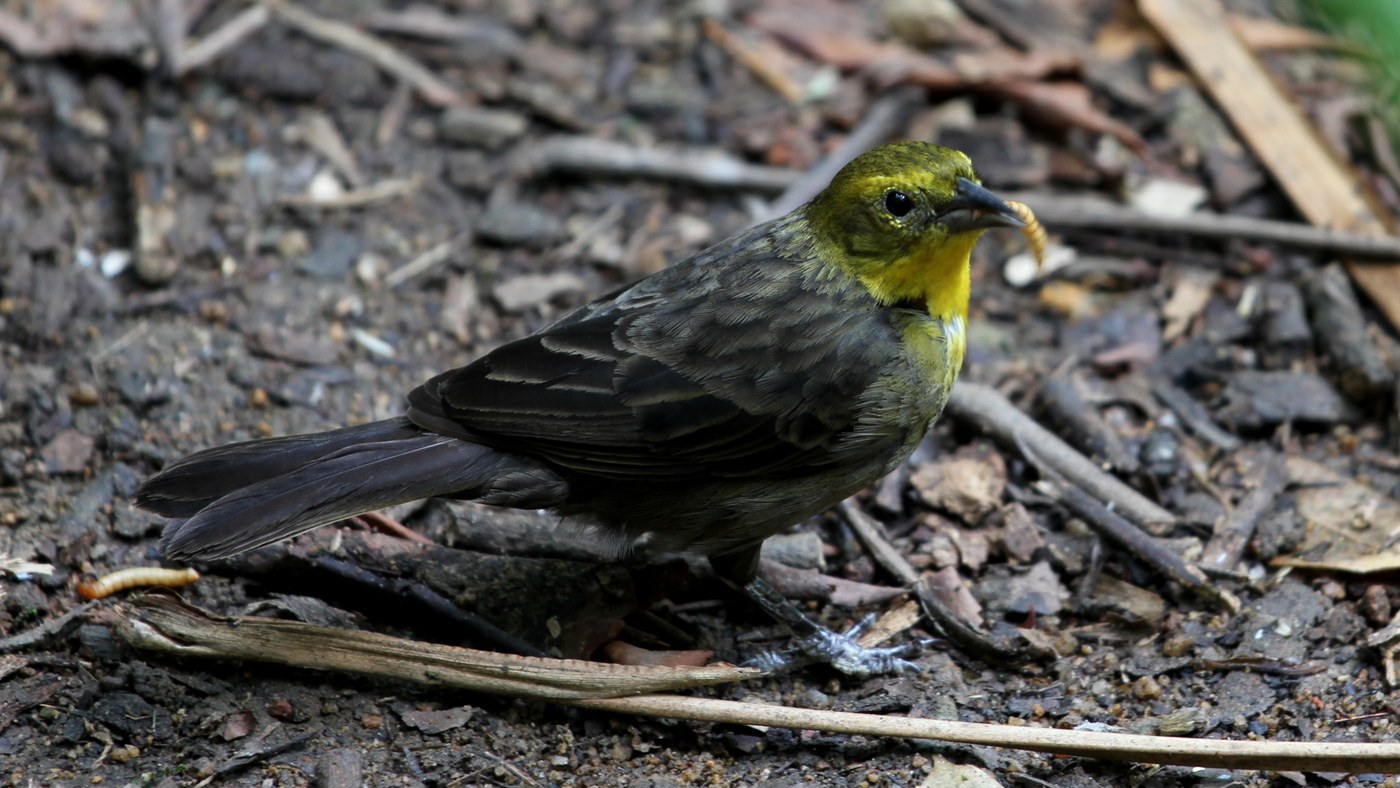
Yellow-hooded Blackbird
Contrasting hood and body feathers
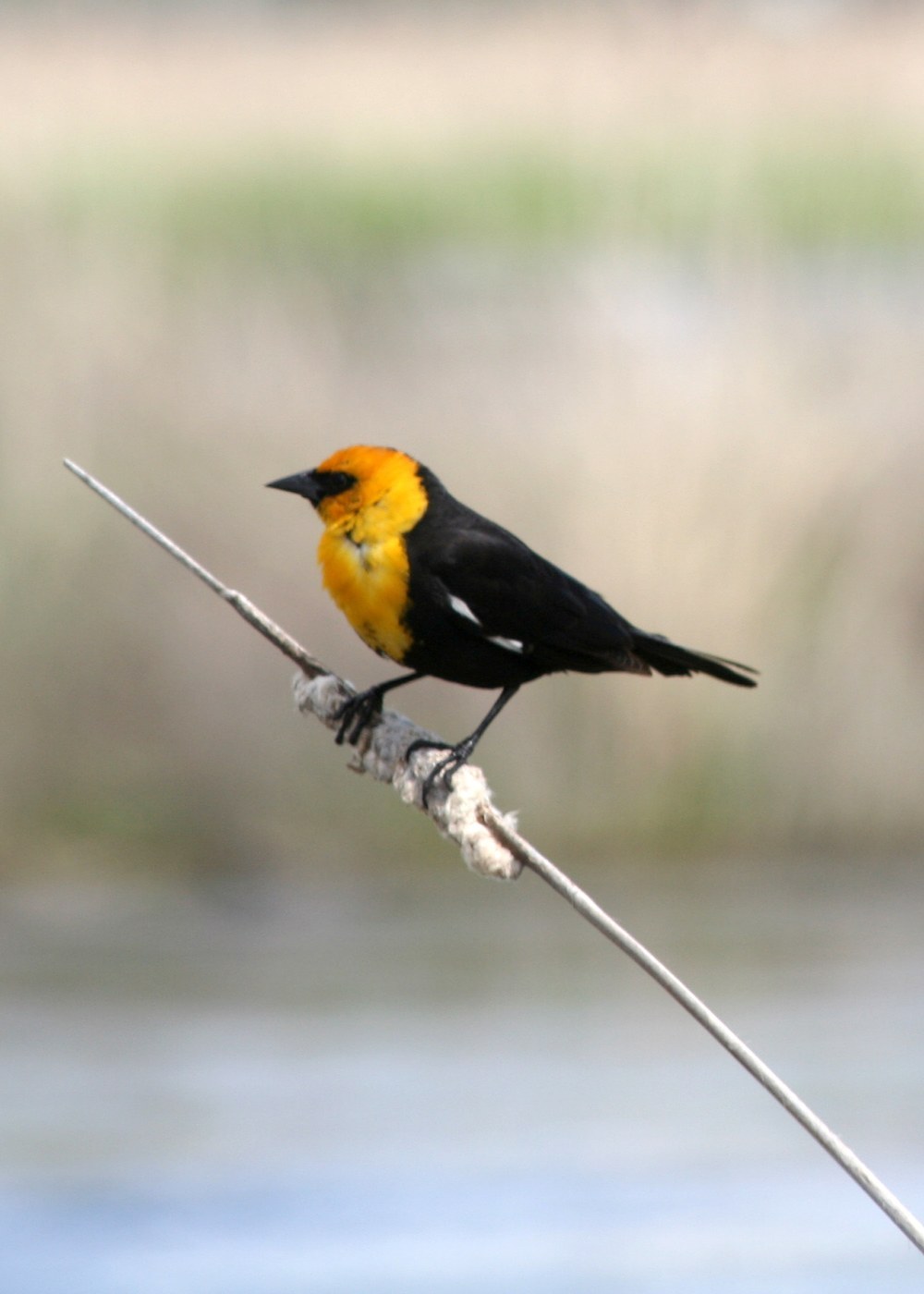
Yellow-headed Blackbird
Glossy black body plumage with a bright yellow head and breast

Yellow-eyed Junco
Contour and flight feathers

Yellow-fronted Canary
Small, smooth body plumage

Yellow-breasted Greenfinch
Compact, smooth body plumage