
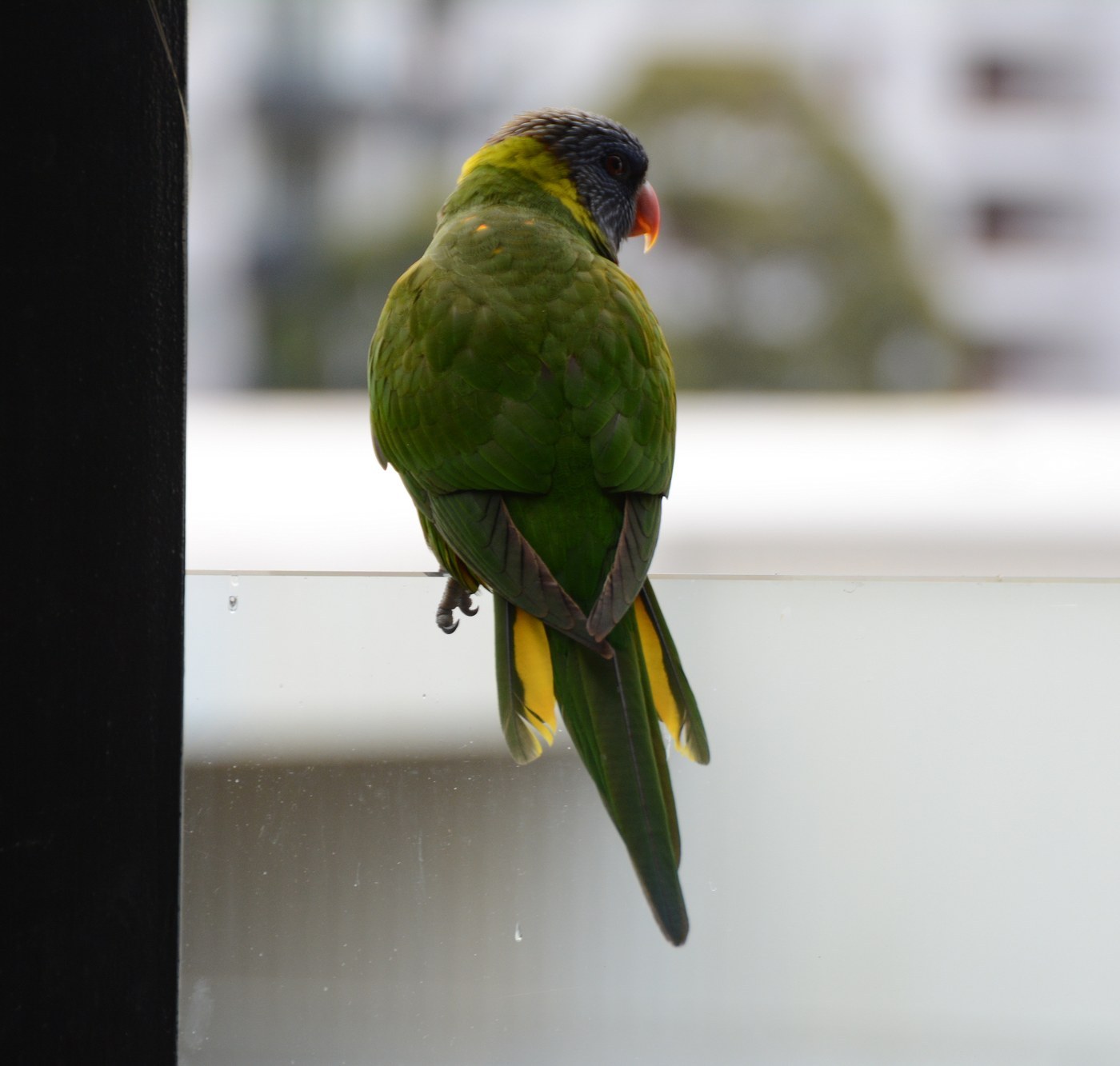
Rainbow Lorikeet
Trichoglossus moluccanus
The Rainbow Lorikeet is a brightly multicolored Australian parrot with a deep blue head, green back, and an orange breast band that make it unmistakable.
- Feather type
- Fine, brush-tipped tongue-adapted plumage with vividly multicolored contour feathers
- Colours
- Deep blue head, green back and wings, an orange-yellow breast band, and a red bill
- Bird size
- Medium, ~25-30 cm
Found a feather like this?
Identify any feather from a photo, free.
Overview
Overview
The Rainbow Lorikeet is a common and conspicuous nectar-feeding parrot found across coastal and near-coastal eastern and northern Australia, including many urban parks and gardens. Its multicolored plumage is among the most vivid of any parrot in the region.
- Slender build with a pointed tail
- Bright red bill contrasting with the blue head
- Often seen in noisy, fast-flying flocks
Identifying the Feather
Feather Identification
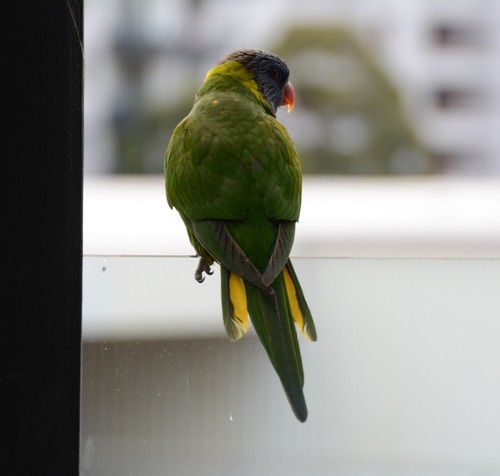
Head feathers are a rich deep blue with fine darker streaking, giving way to a green nape, back, wings, and tail. The breast shows a bold orange-to-yellow band, often with green-blue barring at the sides, and the belly is a darker blue-black.
- Flight feathers: Green primaries and secondaries, sometimes showing a yellow flash at the base in flight
- Tail feathers: Long and green, tapering to a point
- Head-to-breast transition: Blue head, green nape collar, then an orange breast band is the key sequence
This blue-green-orange sequence, plus the red bill, separates the Rainbow Lorikeet from the Green-naped Lorikeet, which shows a more pronounced green band across the nape separating the blue head from the mantle.
Plumage & Molt
Sexes look alike in plumage. Juveniles show duller colors overall, with a darker bill that brightens to red with maturity. Molt is continuous and gradual rather than confined to a single season.
Habitat & Range
Rainbow Lorikeets favor coastal forest, woodland, heath, and increasingly parks, gardens, and urban trees across their range, especially where flowering eucalypts and other nectar sources are abundant. Populations are largely resident, though flocks move locally and sometimes over longer distances following flowering events.
Behavior & Field Notes
These lorikeets are highly social, forming large, noisy flocks that gather at flowering trees to feed on nectar and pollen, supplemented with fruit and some seeds; their brush-tipped tongues are adapted for nectar feeding. They nest in tree hollows, and pairs defend nest sites vigorously. Calls are loud, shrill, and almost constant screeches and chattering, especially in flight and at communal roosts.
Frequently asked questions
What color sequence on the head and breast helps identify this species?
A blue head, green nape and back, and an orange-to-yellow breast band, together with a red bill, is the characteristic sequence for the Rainbow Lorikeet.
How can you tell a Rainbow Lorikeet feather from a Green-naped Lorikeet feather?
The Green-naped Lorikeet shows a more pronounced green band clearly separating the blue head from the mantle, while the Rainbow Lorikeet's transition is less sharply demarcated.
Do juveniles have the same bright colors as adults?
No, juveniles are duller overall with a darker bill, both of which brighten as the bird matures.
Why is this lorikeet's tongue relevant to its feathers and behavior?
Its brush-tipped tongue is adapted for nectar feeding, which shapes its flocking and foraging behavior around flowering trees, though it doesn't directly affect feather structure.
Rainbow Lorikeet guides
In-depth guides for identifying and understanding Rainbow Lorikeet.
Other feathers you may enjoy
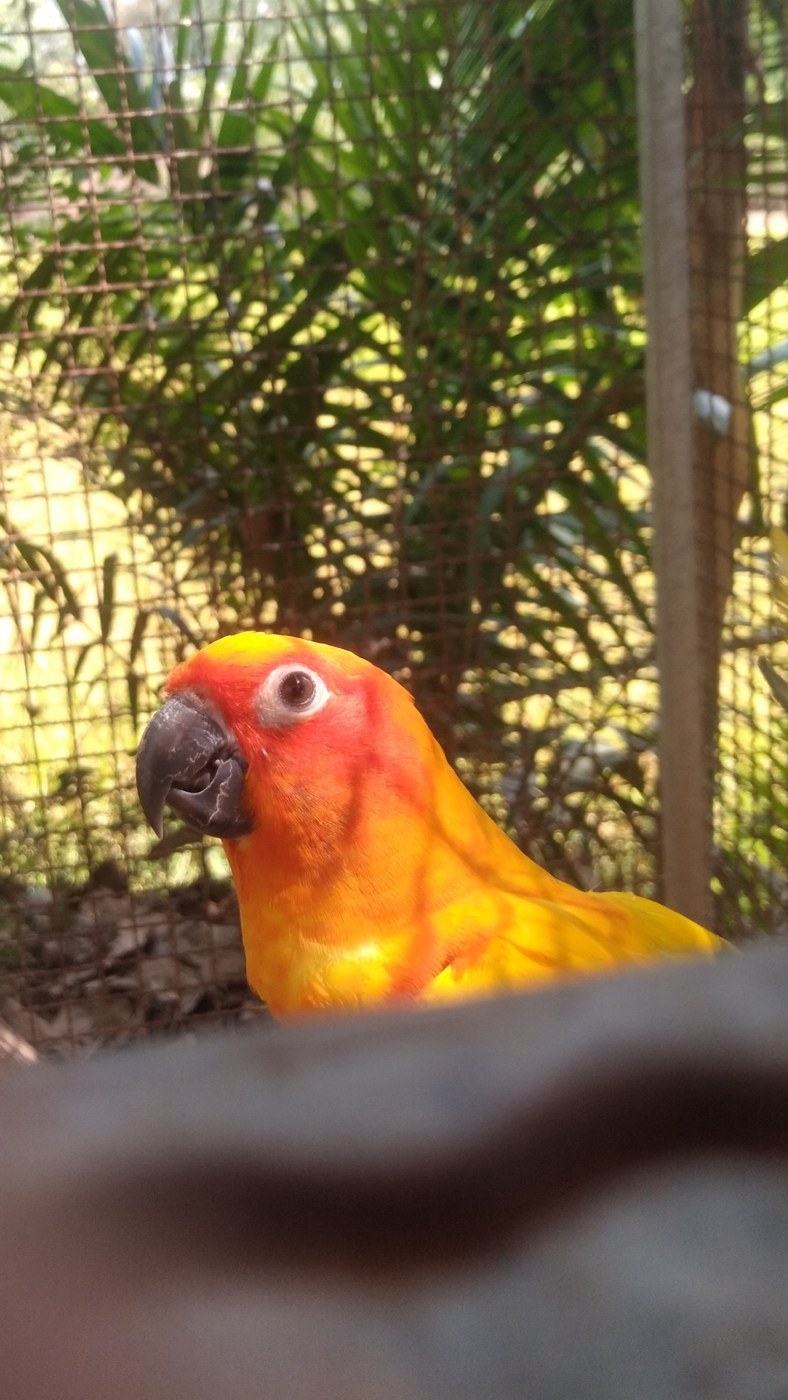
Sun Parakeet
Bright, dense body contour feathers; medium pointed tail feathers

Yellow-naped Amazon
Broad rounded contour feathers with sturdy flight feathers
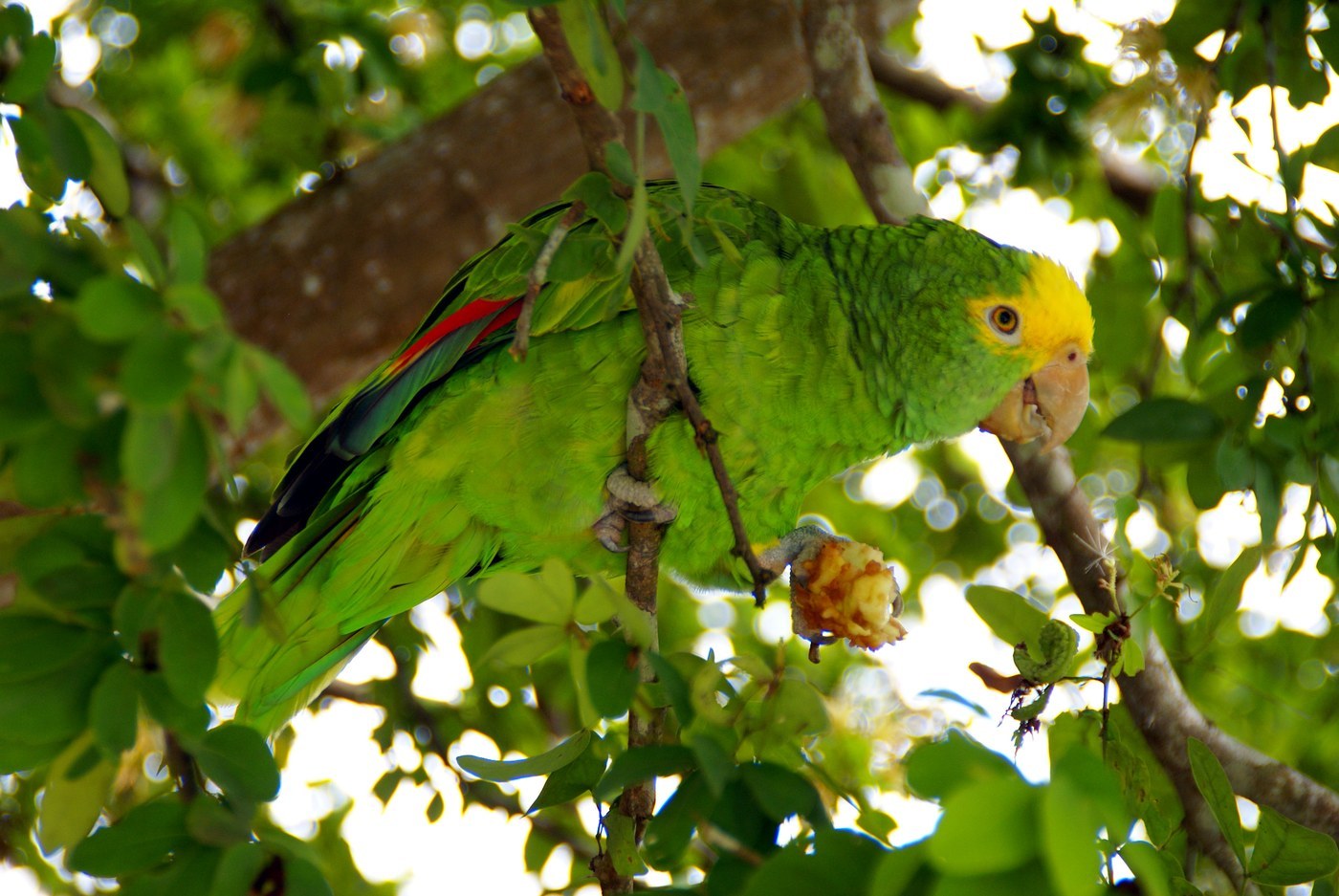
Yellow-headed Amazon
Dense, rounded body contour feathers; broad flight feathers
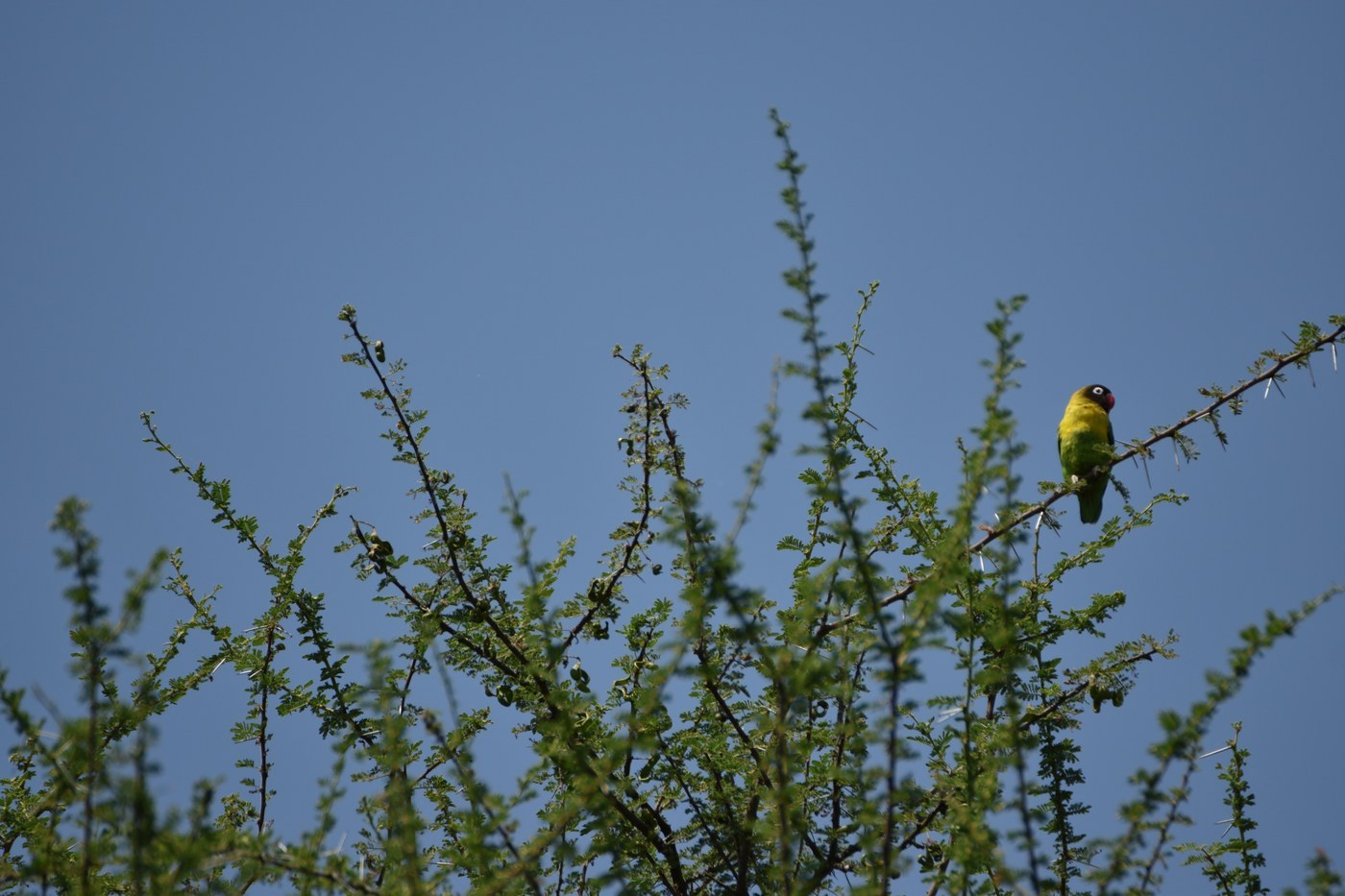
Yellow-collared Lovebird
Small compact flight feathers, short rounded tail

White-eyed Conure
Medium contour and long, graduated tail feathers

Yellow-tailed Black Cockatoo
Large, sturdy contour and flight feathers; short crest

Scarlet-chested Parrot
Small contour and flight feathers

Timneh Parrot
Broad flight feathers, scalloped body feathers with pale edges
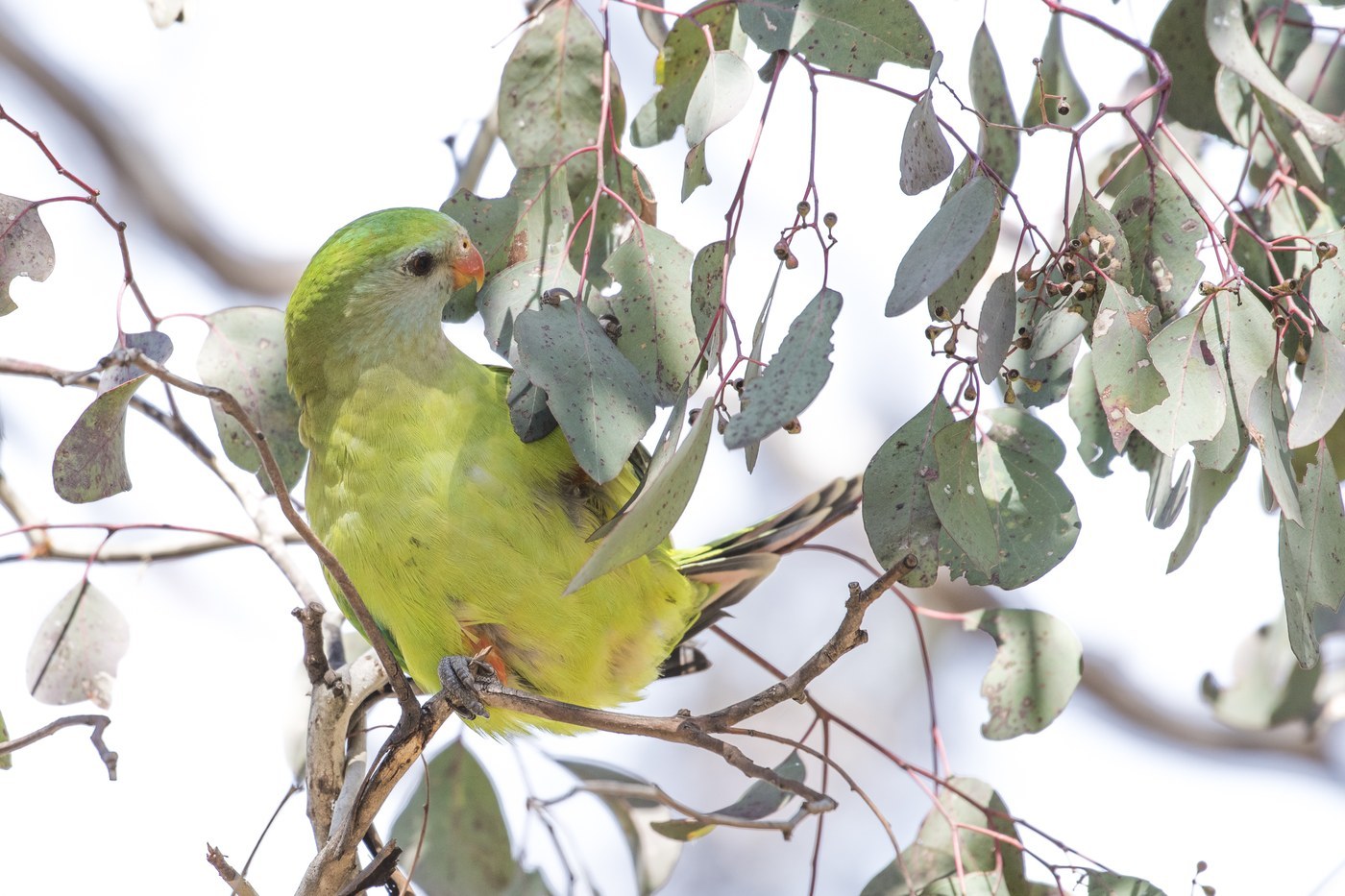
Superb Parrot
Sleek contour feathers with a long tapering tail

Red-shouldered Macaw
Compact body contour feathers; medium flight and tail feathers
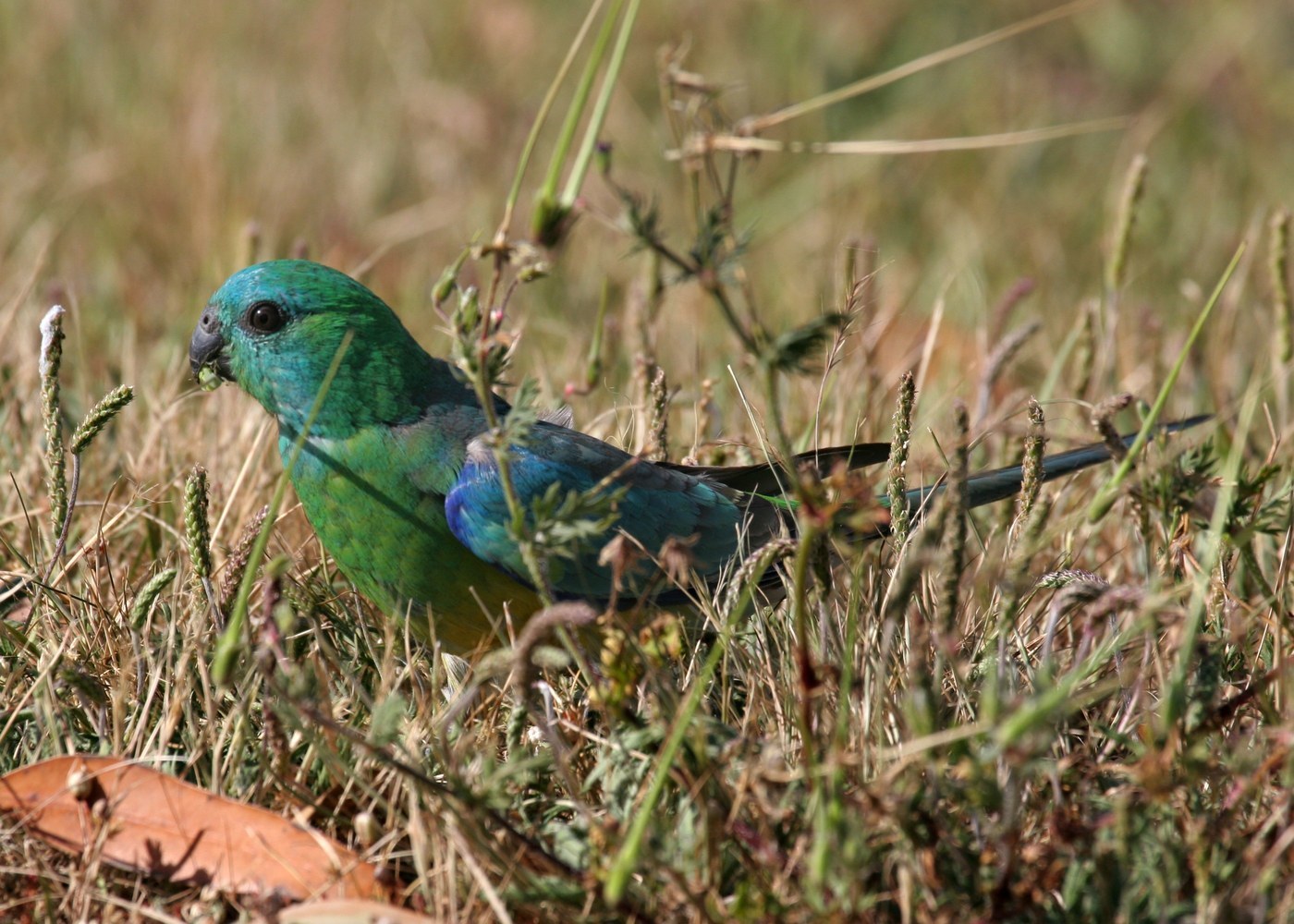
Red-rumped Parrot
Sleek contour feathers with a bright rump patch in males

White-capped Pionus
Compact contour feathers and short, squared tail feathers