
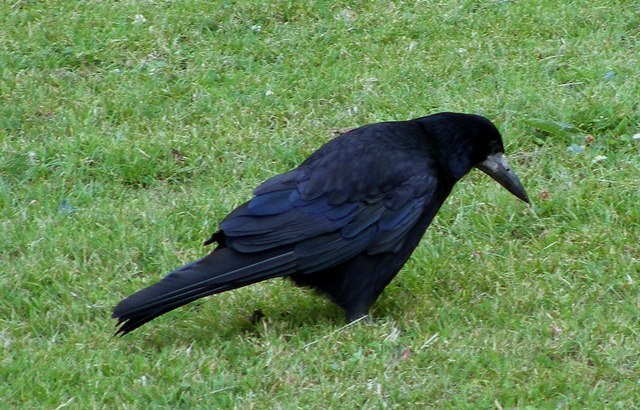
Rook
Corvus frugilegus
A glossy, all-black farmland corvid recognized in life by its bare greyish face skin and shaggy thigh feathering, and in feather form by its strong purple-blue sheen.
- Feather type
- Glossy purple-black flight and body feathers; loose, shaggy thigh (leg) feathers
- Colours
- All black with a strong purplish-blue gloss
- Bird size
- Large corvid, ~45 cm
Found a feather like this?
Identify any feather from a photo, free.
Overview
The Rook is a highly social corvid of open farmland, famous for nesting colonially in noisy treetop 'rookeries'. Adults have distinctive bare, greyish-white skin at the base of the bill, giving the face a peaked, almost gaunt look compared to other black corvids.
Rooks are widespread residents across much of Europe and into temperate Asia, closely tied to agricultural landscapes where they probe pasture and plowed fields for soil invertebrates.
A Rook's feathers are essentially indistinguishable in isolation from those of a Carrion Crow in terms of basic color, but the species' loose, almost baggy thigh feathering and slightly more pointed flight feathers can offer subtle clues alongside habitat context.
Identifying the Feather
Overall color
- Entirely black with a strong glossy purple-blue iridescence, very similar to Carrion Crow feathers.
Shape clues
- Flight feathers tend to be slightly more pointed and narrower than a Carrion Crow's, reflecting the Rook's more buoyant flight style.
- Thigh (leg) feathers are notably loose and shaggy in life, giving a 'baggy trousers' look; these feathers can appear looser-barbed than a crow's tighter thigh feathering.
Distinguishing from Carrion Crow
- Because the two species' feathers are very similar in color, context (farmland with a colonial rookery nearby) is often the best clue; feather shape alone is not always reliable.
Confusion species
Carrion Crow and Hooded Crow feathers are the closest matches; both are all black or partly black, so location and any facial or thigh feather clues should be used alongside color for a confident call.
Plumage & Molt
Adult Rooks are entirely black with a glossy purplish-blue sheen, and have a distinctive area of bare, greyish-white skin at the base of the bill that gives the face a peaked profile. The thigh feathers are notably loose and shaggy, resembling ruffled trousers.
Males and females look alike. Juveniles lack the bare facial skin, instead having a fully feathered face similar to a crow's, and can be confused with Carrion Crows until the bare patch develops with age.
Rooks undergo a complete molt after the breeding season, typically in mid- to late summer.
Habitat & Range
Rooks are birds of open farmland and pasture, feeding extensively on soil invertebrates by probing with their long bills. They nest colonially in tall trees, often in the same rookeries used for many years.
The species is resident across much of Europe and extends into temperate Asia, with some northern populations moving short distances south in winter.
Behavior & Field Notes
Rooks feed mainly on soil invertebrates such as worms and grubs, probing pasture and plowed fields with their bills, alongside grain and other plant material. They are highly social, nesting and roosting communally, often alongside Jackdaws.
Their call is a harsh, cawing 'kaah', generally flatter and less resonant than a crow's call. Nests are large stick platforms built high in trees within a shared rookery.
Since Rook and Carrion Crow feathers look very similar, finding a black corvid feather near a farmland rookery with visible colonial tree nests is a good contextual clue pointing toward Rook.
Frequently asked questions
How can I tell a Rook feather from a Carrion Crow feather?
The feathers themselves are very similar in color; Rook flight feathers tend to be slightly more pointed, but habitat context (farmland near a rookery) is often more reliable than the feather alone.
What color are Rook feathers?
Entirely black with a strong purplish-blue gloss, similar to other all-black corvids.
Do Rook feathers show any grey or white?
No, the plumage itself is uniformly black; only the bare facial skin (not feathers) is greyish-white in adults.
Are thigh feathers a useful clue for Rook?
In life, Rooks show loose, shaggy thigh feathering ('baggy trousers'), which can look different from a crow's tighter leg feathers if this specific feather type is found.
Where are Rook feathers typically found?
In and around farmland and pasture, especially near colonial treetop nest sites called rookeries.
Rook guides
In-depth guides for identifying and understanding Rook.
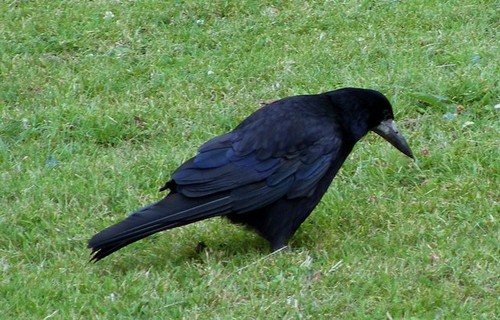
Rook identified by the community
Real feathers identified with Feather Identifier.


Other feathers you may enjoy

Yellow-billed Magpie
Contour, wing, and tail feathers

White-throated Magpie-Jay
Contour, wing, and tail feathers

White-necked Crow
Contour and flight feathers

Slender-billed Crow
Contour and flight feathers

Sinaloa Crow
Contour and flight feathers

Siberian Jay
Contour, wing, and tail feathers

Yellow-billed Blue Magpie
Contour, wing, and tail feathers
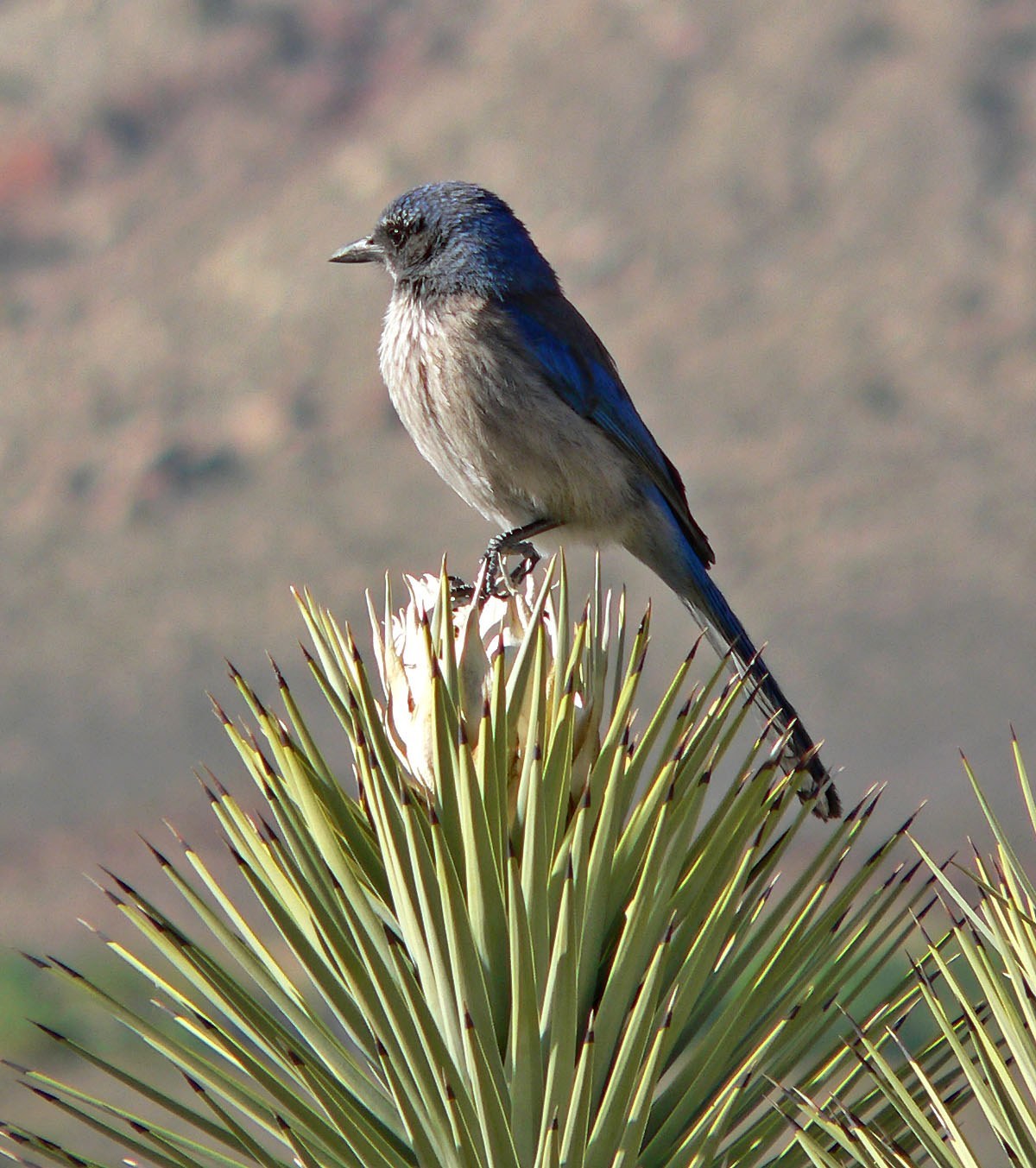
Woodhouse's Scrub-Jay
Contour and flight feathers
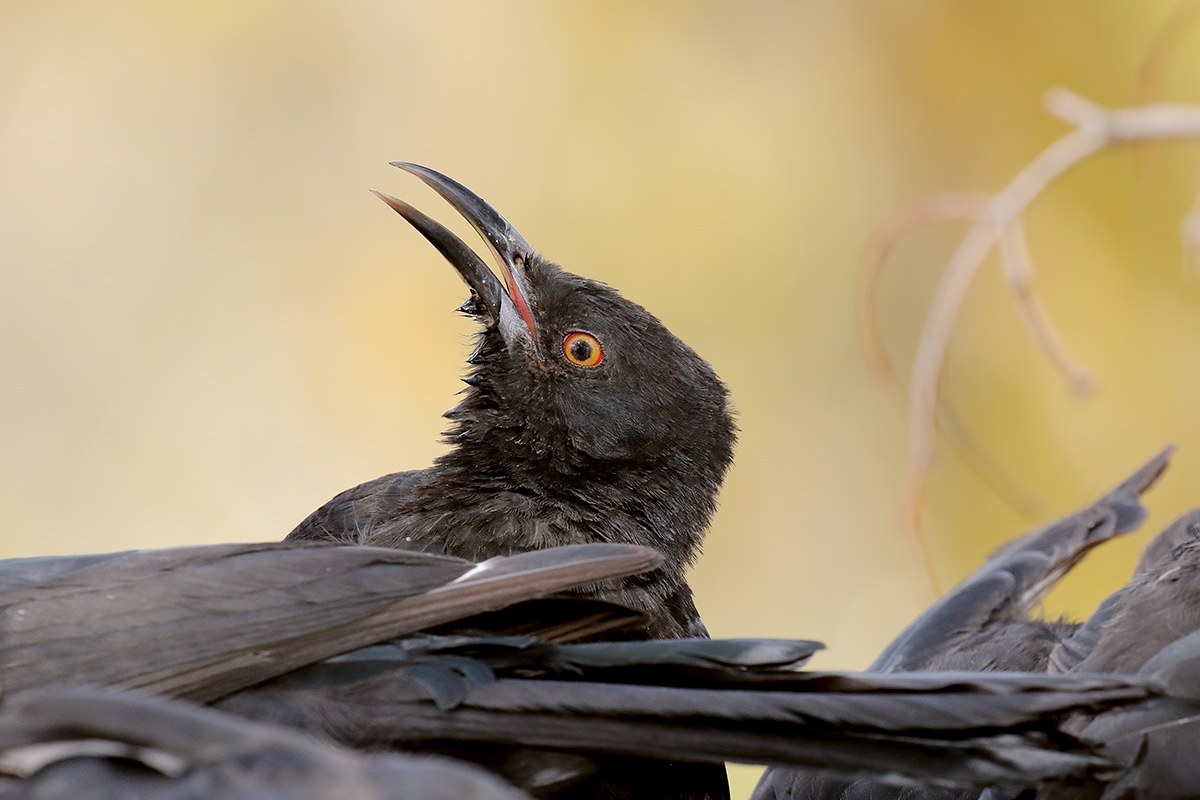
White-winged Chough
Contour and flight feathers

Rufous Treepie
Long, graduated tail feathers; loose body contour feathers

Thick-billed Raven
Contour and flight feathers
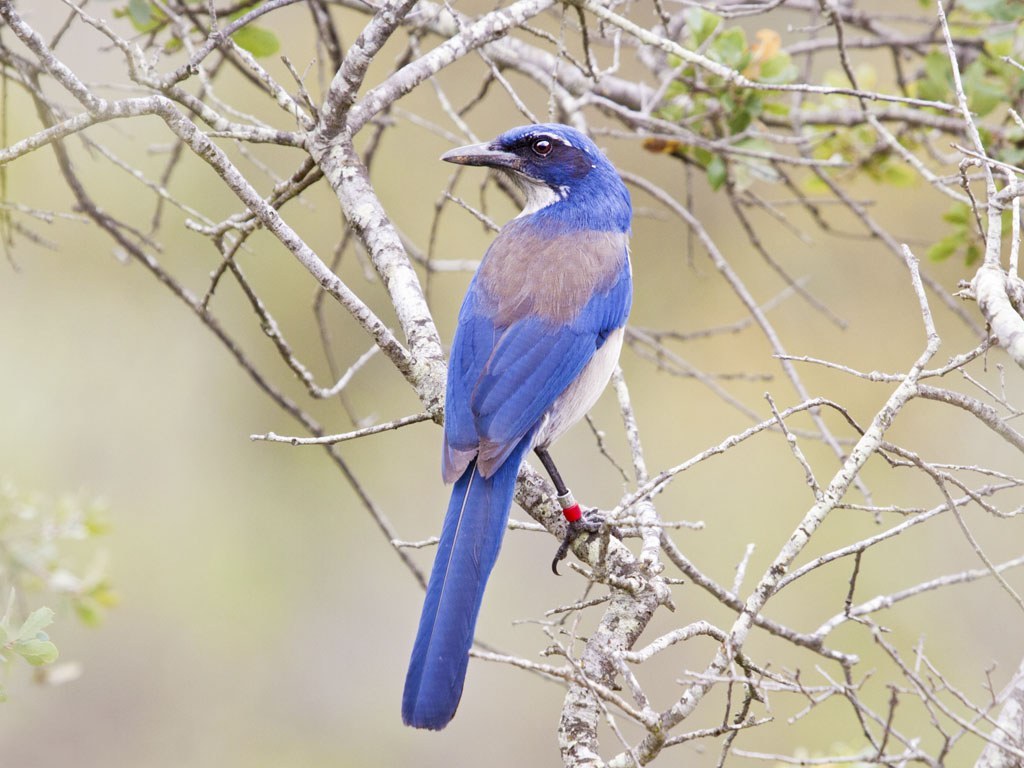
Western Scrub-Jay
Contour and flight feathers