

Rufous-breasted Hermit
Glaucis hirsutus
A warm-toned hermit hummingbird of forest edges and streamsides, distinguished by rufous-cinnamon underparts and a rufous-edged tail contrasting with green upperparts.
- Feather type
- Slightly decurved bill with rufous-washed contour feathers
- Colours
- Bronze-green above with rufous-cinnamon underparts and rufous-edged tail
- Bird size
- Medium hummingbird, ~11-12 cm
Found a feather like this?
Identify any feather from a photo, free.
Overview
Overview
The Rufous-breasted Hermit is a widespread hermit hummingbird found in forest edge, secondary growth, and streamside vegetation across much of northern and central South America. Unlike deep-forest hermits, it favors more open and disturbed habitats.
Both sexes are similar, showing bronze-green upperparts and warm rufous-cinnamon underparts, with a moderately decurved bill and a distinctly rufous-edged tail.
Identifying the Feather
Feather Identification
- Body feathers: Bronze-green above, rich rufous-cinnamon below, giving a warmer overall tone than many other hermits
- Tail feathers: Edged or tipped with rufous, sometimes with darker central feathers, creating a two-toned appearance
- Bill: Moderately decurved, shorter and less extreme than in Long-billed or Green Hermit
- Shaft color: Pale on the rufous underparts, darker above
- Size: Smaller and stockier than many other hermits, with a shorter tail lacking the extreme elongated streamer seen in some relatives
- Similar species: The warm rufous underparts and tail separate it from the buffier or grayer tones of Long-billed and Green Hermit
Plumage & Molt
Plumage Details
Adults show bronze-green upperparts and warm rufous-cinnamon underparts, with a rufous-edged tail and a moderately curved bill. Sexes look alike. Juveniles are similar but often show duller, less saturated rufous tones until after their first molt. No pronounced seasonal plumage change is documented for this species.
Habitat & Range
Habitat & Range
Rufous-breasted Hermits occur widely across northern and central South America, including the Amazon basin, the Guianas, and parts of Central America, favoring forest edges, secondary growth, plantations, and streamside vegetation rather than deep forest interior. The species is largely resident, with local movements tied to flower availability.
Behavior & Field Notes
Behavior & Field Notes
This hermit feeds on nectar from a variety of flowering plants along forest edges and disturbed habitats, following trap-line routes between blooms, and also takes small insects. It is less strictly tied to deep forest than some hermit relatives, making it more likely to be seen in gardens and plantations. Nests are cone-shaped and attached to the underside of large leaves, often near water. Calls include sharp chips and buzzy notes given during feeding and interactions with other hummingbirds.
Frequently asked questions
What feather traits identify a Rufous-breasted Hermit?
Bronze-green upperparts combined with warm rufous-cinnamon underparts and a rufous-edged tail.
Does this species live in dense forest interior?
It more often favors forest edges, secondary growth, and streamside vegetation rather than deep forest interior.
How does its bill compare to other hermits?
Its bill is moderately decurved, shorter than the more extreme curved bills of some larger hermit species.
Where is this species commonly found?
Across much of northern and central South America, including edge habitats within the Amazon basin and the Guianas.
Rufous-breasted Hermit guides
In-depth guides for identifying and understanding Rufous-breasted Hermit.

Other feathers you may enjoy

Speckled Hummingbird
Small contour feathers with fine speckled underpart markings
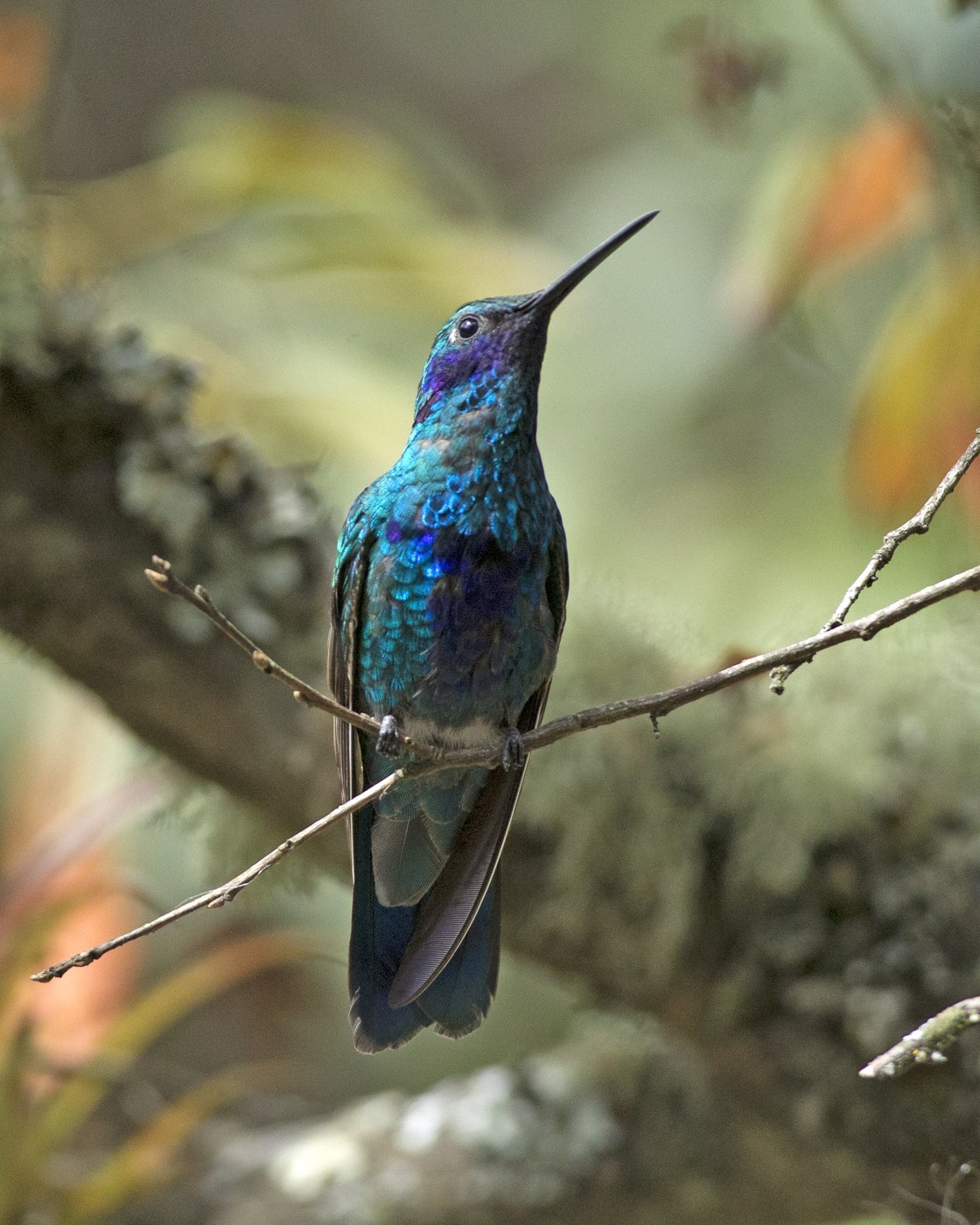
Sparkling Violetear
Iridescent body feathers, large violet ear and chest patches
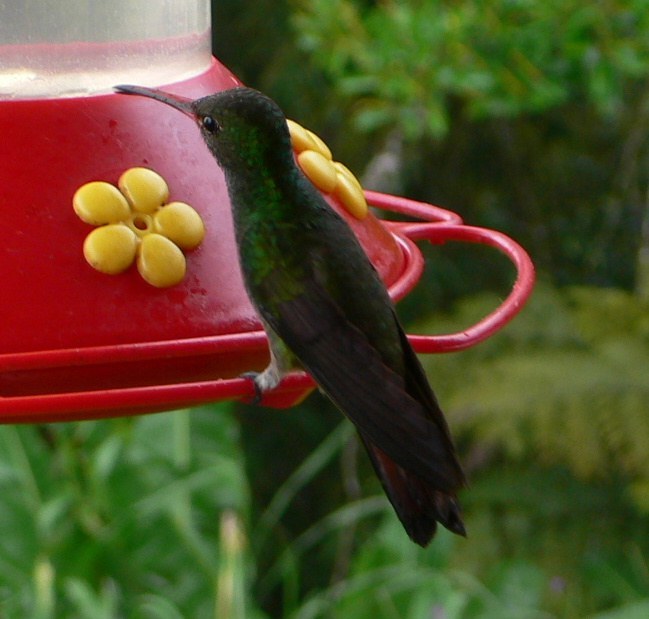
Rufous-tailed Hummingbird
Iridescent throat and breast feathers, rufous tail feathers
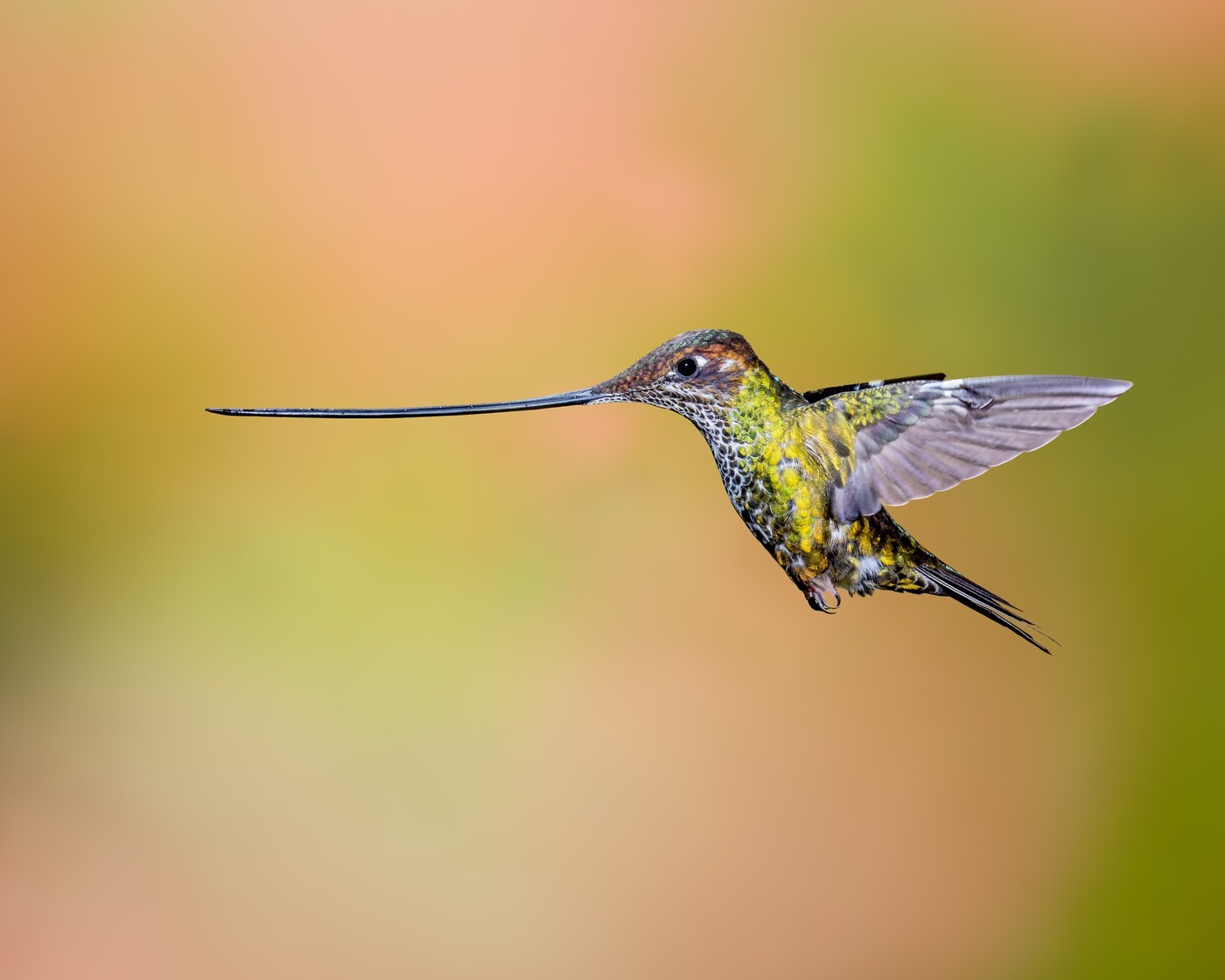
Sword-billed Hummingbird
Iridescent body feathers, extraordinarily long bill (non-feather feature)
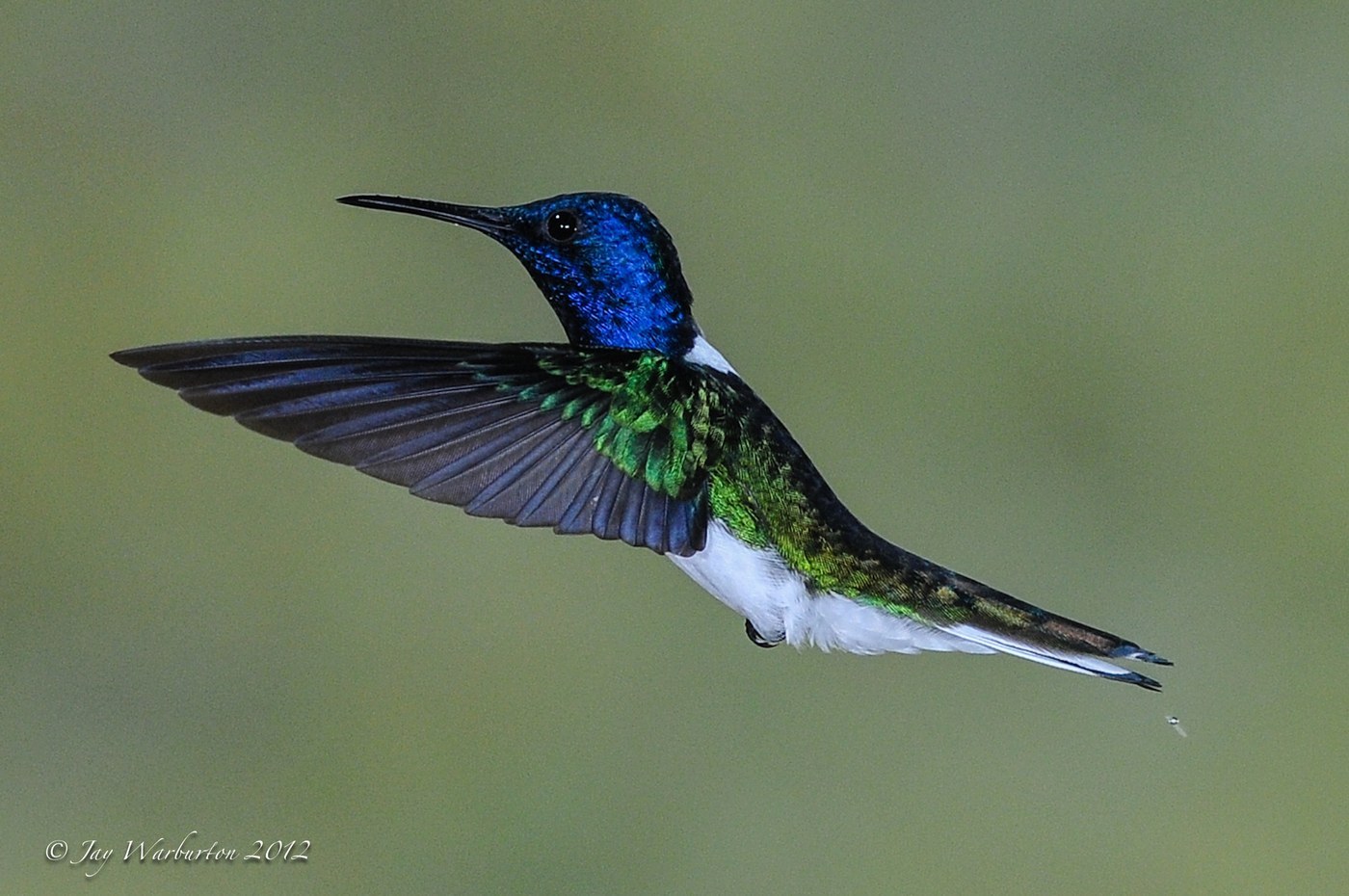
White-necked Jacobin
Iridescent head feathers, contrasting white nape and belly

White-eared Hummingbird
Iridescent gorget feathers, bold facial stripe
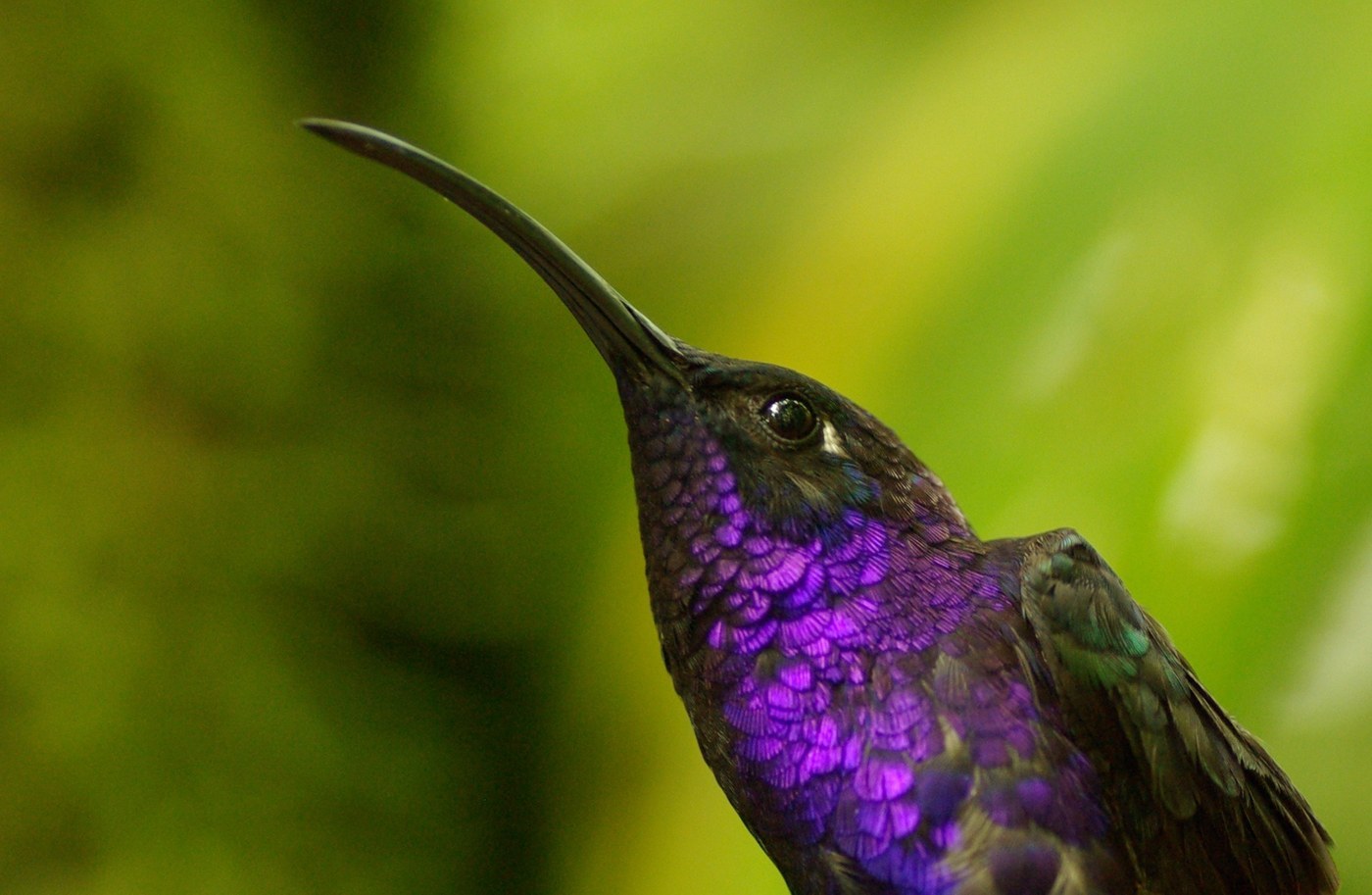
Violet Sabrewing
Iridescent body feathers, thickened curved primary shafts

Velvet-purple Coronet
Dense, velvety contour feathers with iridescent crown patch

Violet-crowned Hummingbird
Iridescent crown feathers, clean white underparts

Shining Sunbeam
Iridescent contour feathers with coppery-bronze wing sheen

Rufous Hummingbird
Tiny contour, gorget, and narrow flight feathers
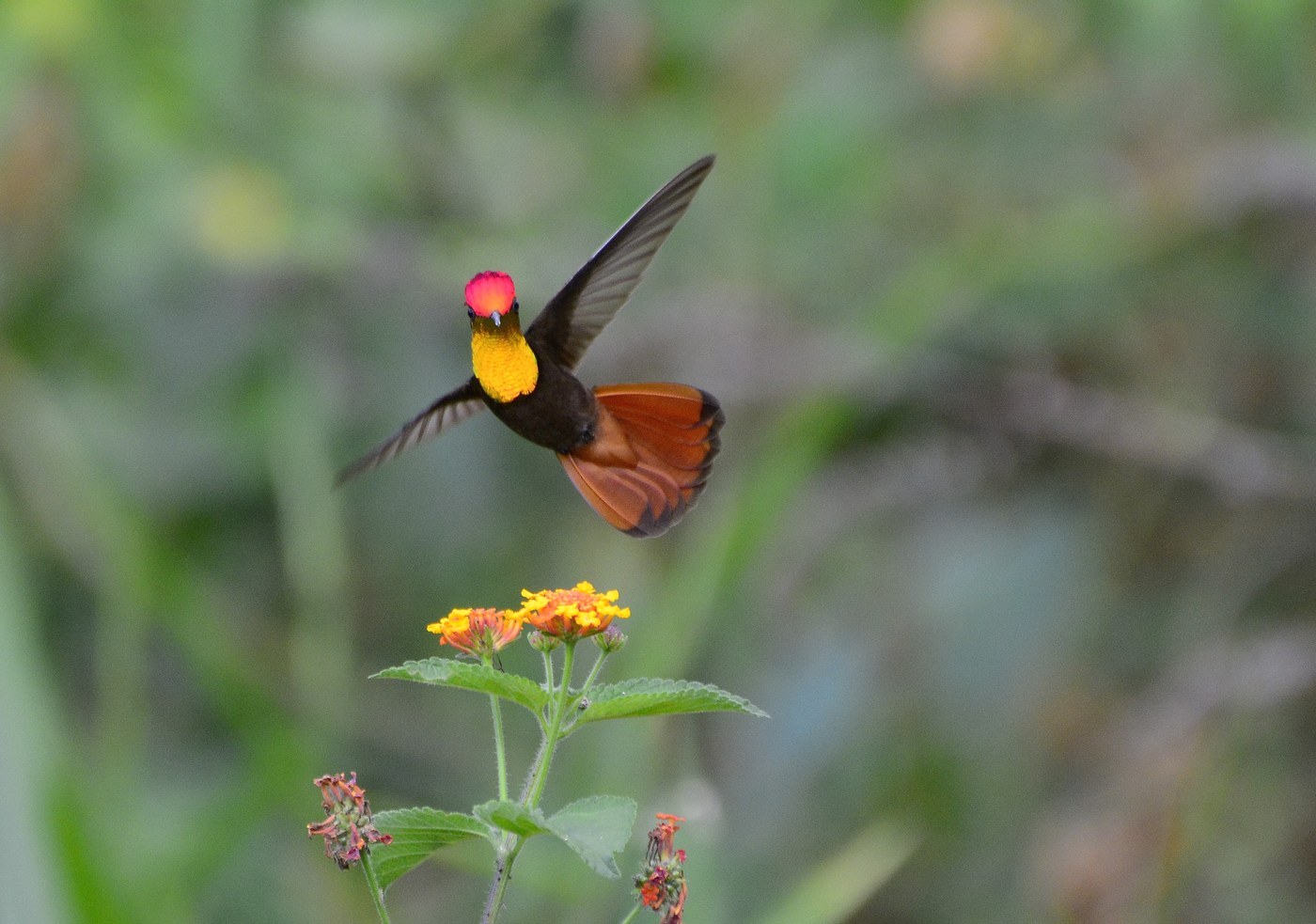
Ruby-topaz Hummingbird
Iridescent crown and gorget feathers, chestnut body feathers