
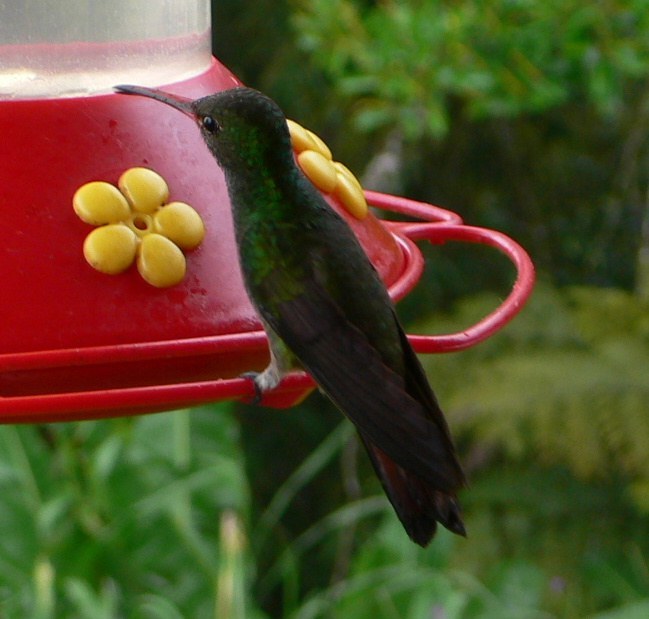
Rufous-tailed Hummingbird
Amazilia tzacatl
One of the most widespread and familiar hummingbirds in its range, easily recognized by its green throat and breast set against a gray belly and a bright rufous tail.
- Feather type
- Iridescent throat and breast feathers, rufous tail feathers
- Colours
- Green throat and breast, gray belly, rufous tail
- Bird size
- Small to medium, ~10-11 cm
Found a feather like this?
Identify any feather from a photo, free.
Overview
Overview
The Rufous-tailed Hummingbird is a common and adaptable species found from Mexico through Central America and into northern South America, thriving in forest edge, gardens, second growth, and other semi-open habitats, including areas modified by humans. Its adaptability has made it one of the more frequently encountered hummingbirds across its range.
Both sexes share a similar green-and-rufous pattern, with iridescent green covering the throat and breast, a plainer gray belly, and a distinctly rufous tail that is a key identification feature.
Identifying the Feather
Feather ID Notes
Throat and breast feathers show iridescent green, transitioning to gray on the lower belly, while the tail is a rich rufous color that stands out clearly against the green upperparts, especially in flight. The bill is red with a dark tip.
- Throat/breast feathers: iridescent green
- Belly feathers: gray, plainer than the throat
- Tail feathers: rufous, a key identifying feature
- Bill: red with a black tip The combination of a green throat, gray belly, and rufous tail is a reliable identifier, though care should be taken to separate this species from other Amazilia hummingbirds with similar general coloring in areas of range overlap.
Plumage & Molt
Plumage Details
Sexes are quite similar in the Rufous-tailed Hummingbird, both showing the green throat/breast, gray belly, and rufous tail, with females sometimes appearing marginally duller. Juveniles show softer, less saturated coloring with some pale feather edging. There is no strong seasonal plumage change, with an annual molt maintaining feather condition.
Habitat & Range
Habitat & Range
This species is widespread in forest edge, second growth, gardens, and other semi-open habitats from Mexico through Central America and into northern South America, occupying a broad range of elevations. Most populations are resident, showing little seasonal migration.
Behavior & Field Notes
Behavior & Field Notes
Rufous-tailed Hummingbirds feed on nectar from a wide range of native and cultivated flowers and readily use feeders, along with catching small insects in flight. They can be territorial and are often one of the more numerous and visible hummingbirds at flowering shrubs and gardens. Nests are small cups built in shrubs or low trees. Calls include sharp chip notes and buzzy chattering.
Frequently asked questions
How can you identify a Rufous-tailed Hummingbird?
Look for a green throat and breast, a gray belly, and a distinctly rufous tail.
Is this a common hummingbird?
Yes, it is one of the more widespread and frequently seen hummingbirds within its range due to its adaptability to varied habitats.
Where does it live?
From Mexico through Central America and into northern South America, in forest edge, gardens, and second growth.
Do males and females look different?
They are quite similar, with females sometimes appearing only slightly duller than males.
Rufous-tailed Hummingbird guides
In-depth guides for identifying and understanding Rufous-tailed Hummingbird.
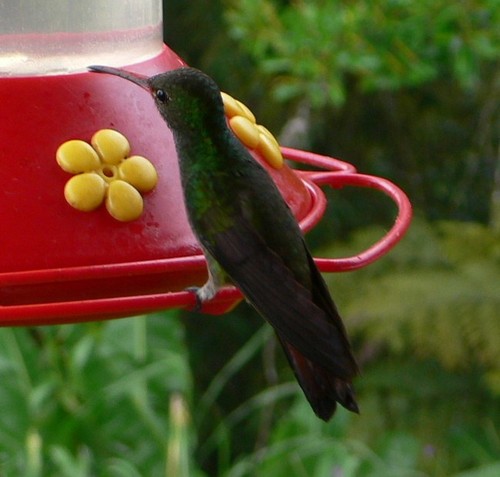
Other feathers you may enjoy

Speckled Hummingbird
Small contour feathers with fine speckled underpart markings
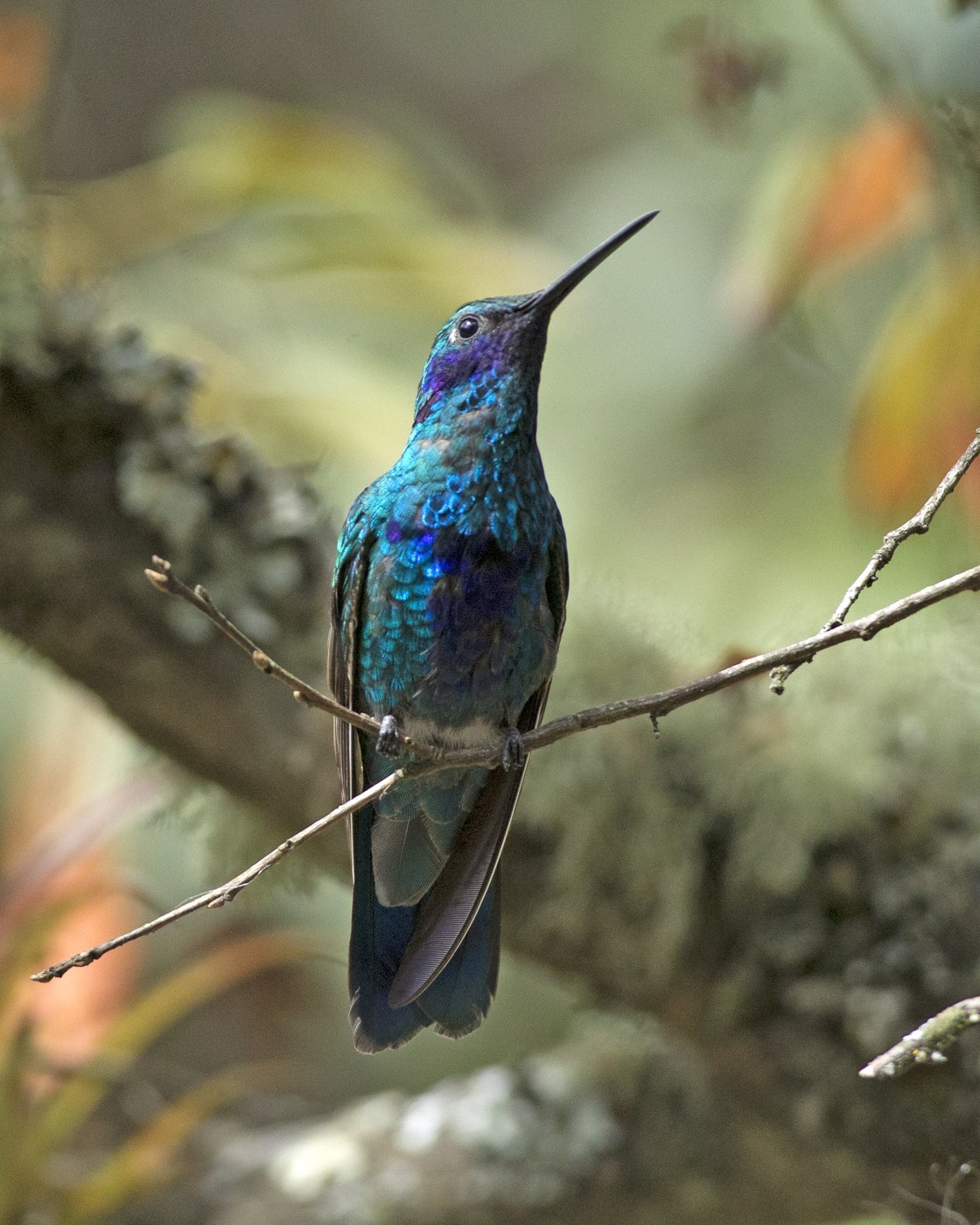
Sparkling Violetear
Iridescent body feathers, large violet ear and chest patches

Rufous-breasted Hermit
Slightly decurved bill with rufous-washed contour feathers
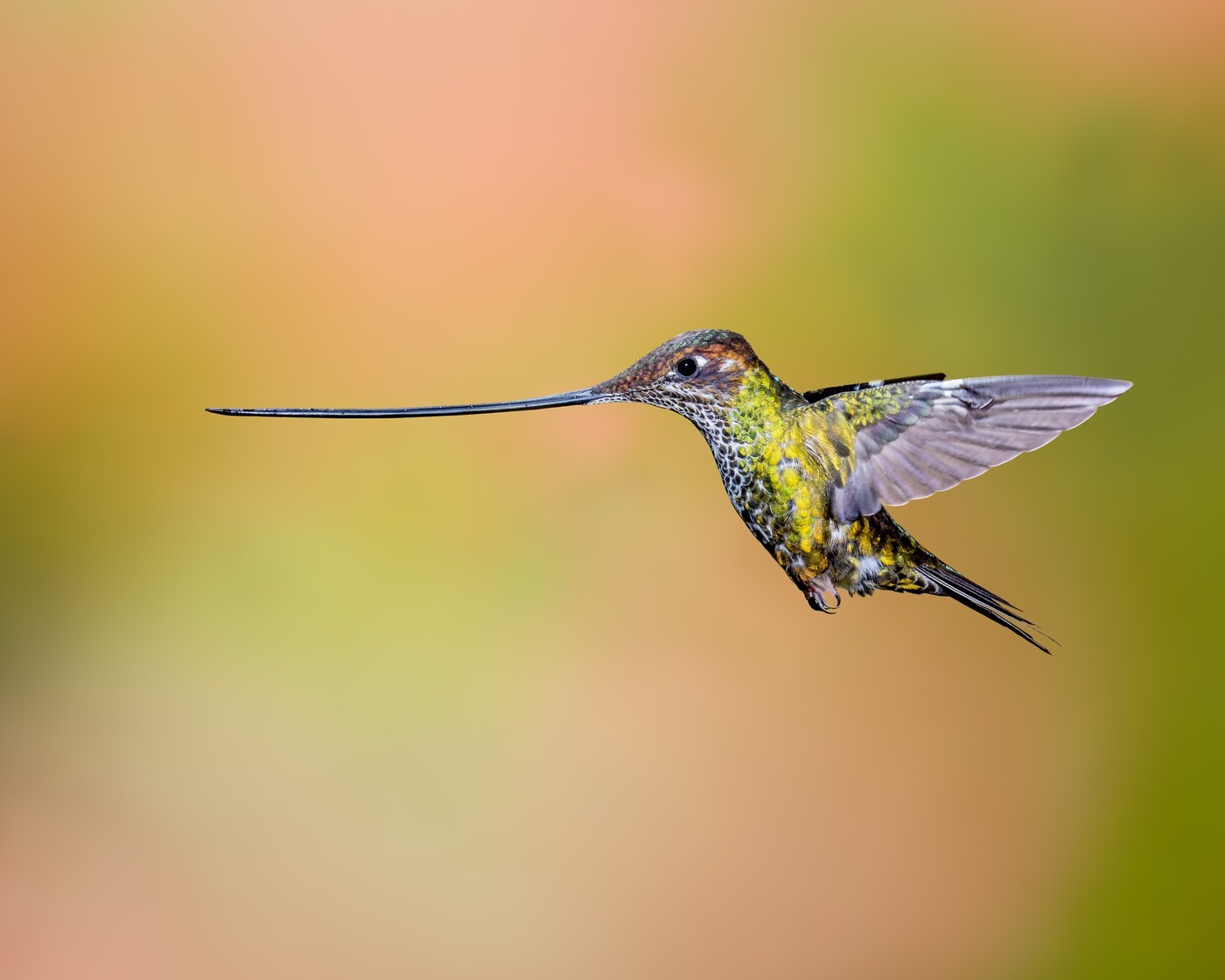
Sword-billed Hummingbird
Iridescent body feathers, extraordinarily long bill (non-feather feature)
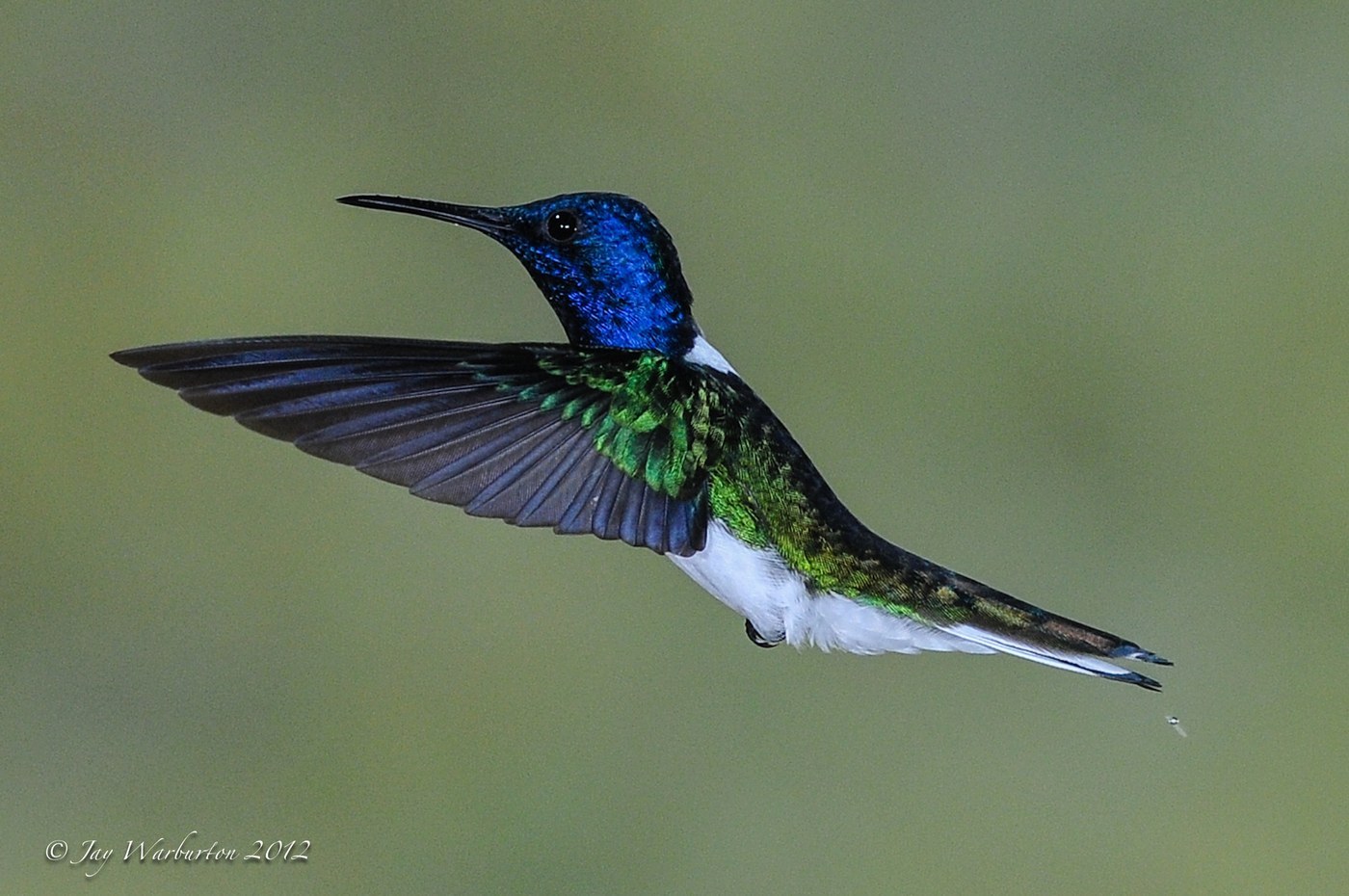
White-necked Jacobin
Iridescent head feathers, contrasting white nape and belly

White-eared Hummingbird
Iridescent gorget feathers, bold facial stripe
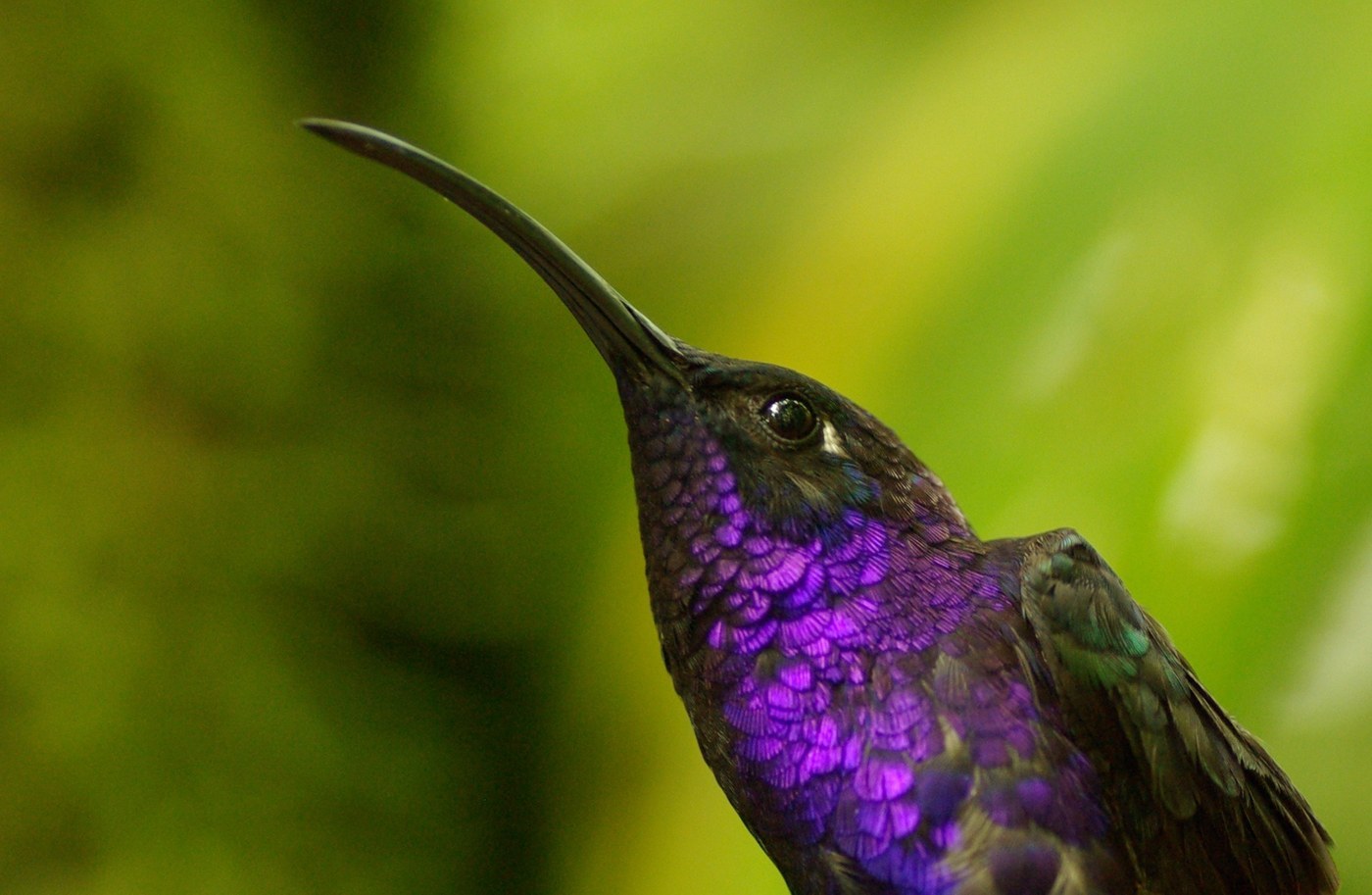
Violet Sabrewing
Iridescent body feathers, thickened curved primary shafts

Velvet-purple Coronet
Dense, velvety contour feathers with iridescent crown patch

Violet-crowned Hummingbird
Iridescent crown feathers, clean white underparts

Shining Sunbeam
Iridescent contour feathers with coppery-bronze wing sheen

Rufous Hummingbird
Tiny contour, gorget, and narrow flight feathers
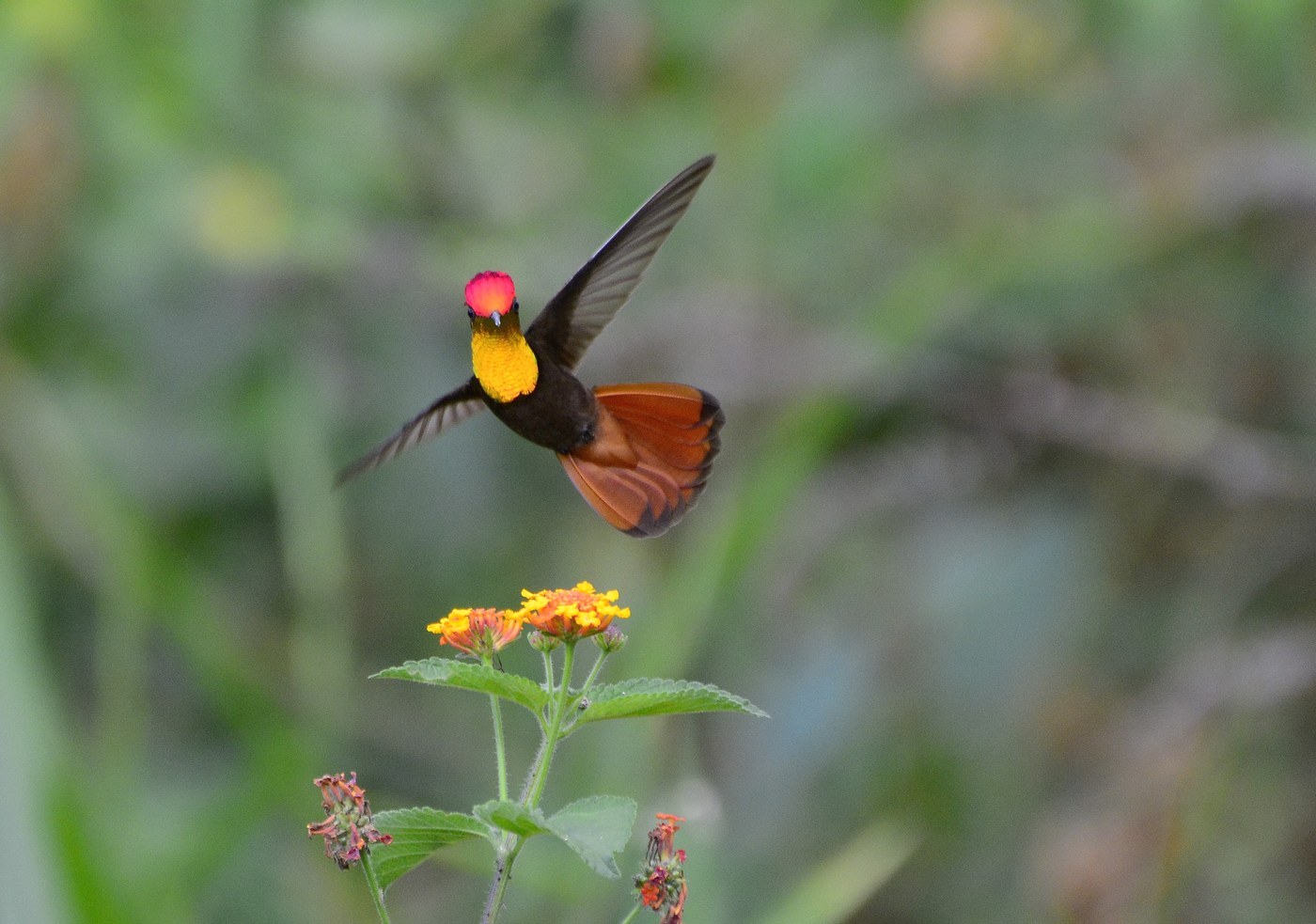
Ruby-topaz Hummingbird
Iridescent crown and gorget feathers, chestnut body feathers