

Tropical Mockingbird
Mimus gilvus
A familiar gray songbird of Central and South American open country and gardens, known for its long tail, white wing flashes, and varied vocal repertoire.
- Feather type
- Long, loose flight and tail feathers typical of mockingbirds
- Colours
- Gray-brown above, pale gray below, with white wing patches
- Bird size
- Thrush-sized, ~25 cm
Found a feather like this?
Identify any feather from a photo, free.
Overview
The Tropical Mockingbird is a widespread songbird found across open habitats from southern Mexico through much of South America, closely related to the Northern Mockingbird of North America. It is a familiar sight in gardens, parks, and savanna, often perching conspicuously on fences, wires, and shrub tops.
Identifying the Feather
Flight feathers: gray-brown with a bold white patch at the base of the primaries, flashing prominently in flight and during wing-flashing displays. Tail feathers: long, graduated, dark grayish-brown with white outer tail feathers visible from below. Body feathers: gray-brown above, paler gray below, with a faint pale eyebrow stripe and a yellow eye. Compared to the Northern Mockingbird, Tropical Mockingbird feathers show a shorter, less prominent white wing patch and a proportionately shorter tail overall, without the extensive white flashes seen when Northern Mockingbirds display.
Plumage & Molt
Sexes look alike. Adults are gray-brown above, pale gray below, with a subtle pale supercilium, yellow eye, and white patches on the wings and outer tail. Juveniles show a duller, slightly streaked breast, molting into the cleaner adult plumage within their first year. There is no distinct seasonal plumage change.
Habitat & Range
Tropical Mockingbirds are widespread in open habitats including savanna, scrubland, gardens, parks, and agricultural land from southern Mexico through much of northern and central South America. Most populations are non-migratory residents, well adapted to human-altered environments.
Behavior & Field Notes
This species feeds on a mix of insects, other invertebrates, and fruit, foraging on the ground and in low vegetation. It performs a distinctive wing-flashing display, raising and partially opening its wings to expose the white patches, possibly to flush insects or as a territorial display. Nests are open cups built in shrubs or low trees. Its song is a long, varied series of repeated phrases, and it is known to mimic the calls of other birds.
Frequently asked questions
How can I tell Tropical Mockingbird feathers from Northern Mockingbird feathers?
Tropical Mockingbird feathers show a smaller white wing patch and the tail is proportionately shorter, without the extensive white flash visible in Northern Mockingbird wings and tail during display.
What is the yellow eye feature relevant to feather identification?
While not a feather itself, the yellow eye is a useful accompanying field mark when trying to confirm mockingbird feathers found near a carcass or molt site in its range.
Do juveniles have different plumage?
Yes, juveniles show a duller, faintly streaked breast that becomes uniformly pale gray as they molt into adult plumage.
Why does this species flash its wings while foraging?
The wing-flashing display, which exposes white wing patches, is thought to help startle insects into moving, making them easier to catch, though it may also serve a territorial function.
Tropical Mockingbird guides
In-depth guides for identifying and understanding Tropical Mockingbird.

Other feathers you may enjoy

Yellow-breasted Bunting
Contour and flight feathers, chestnut-and-yellow breeding pattern
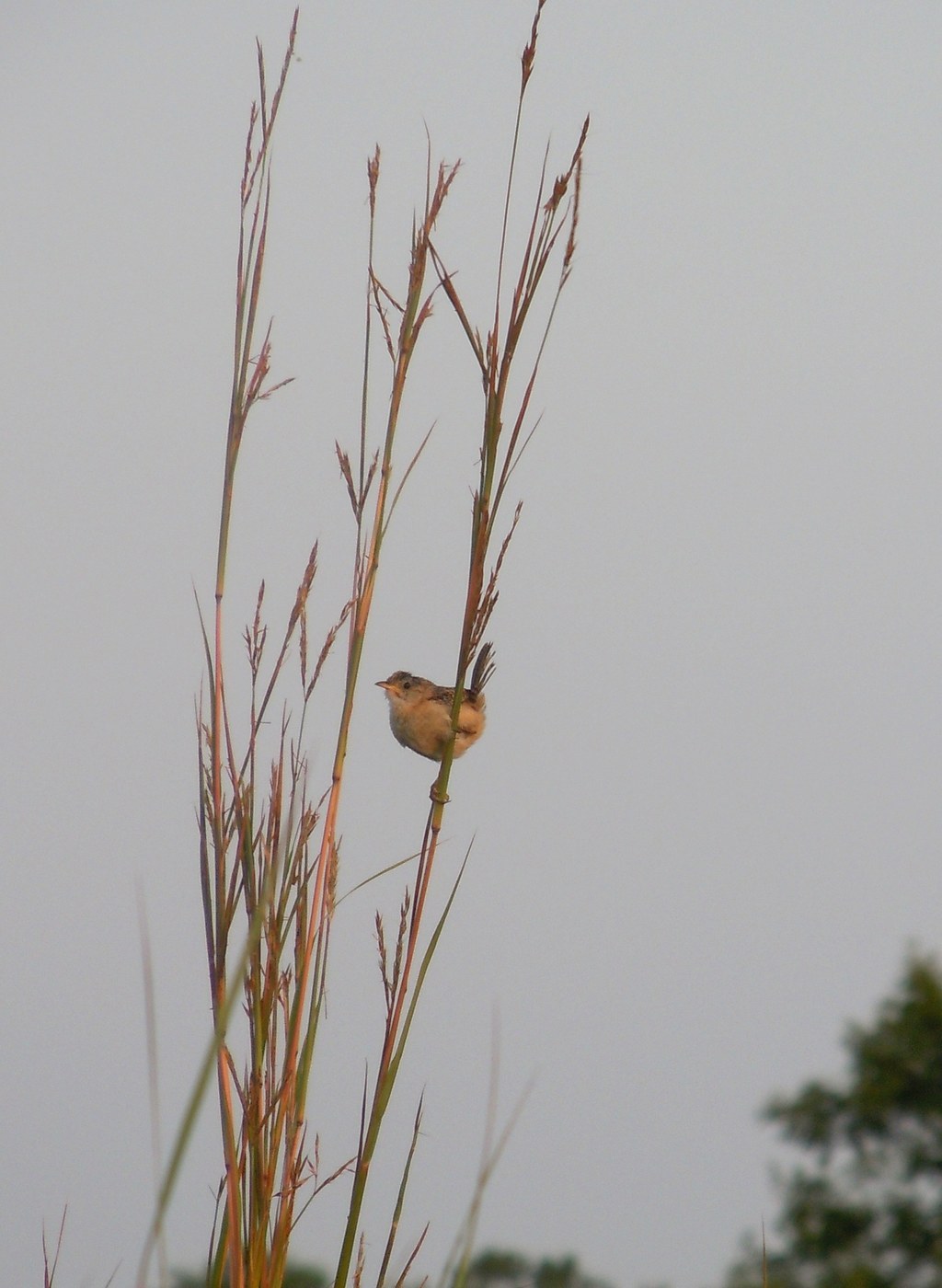
Sedge Wren
Tiny streaked crown and back feathers

Yellow-winged Cacique
Glossy black body feathers, yellow wing patch, shaggy crest

Yellow Warbler
Small contour and flight feathers
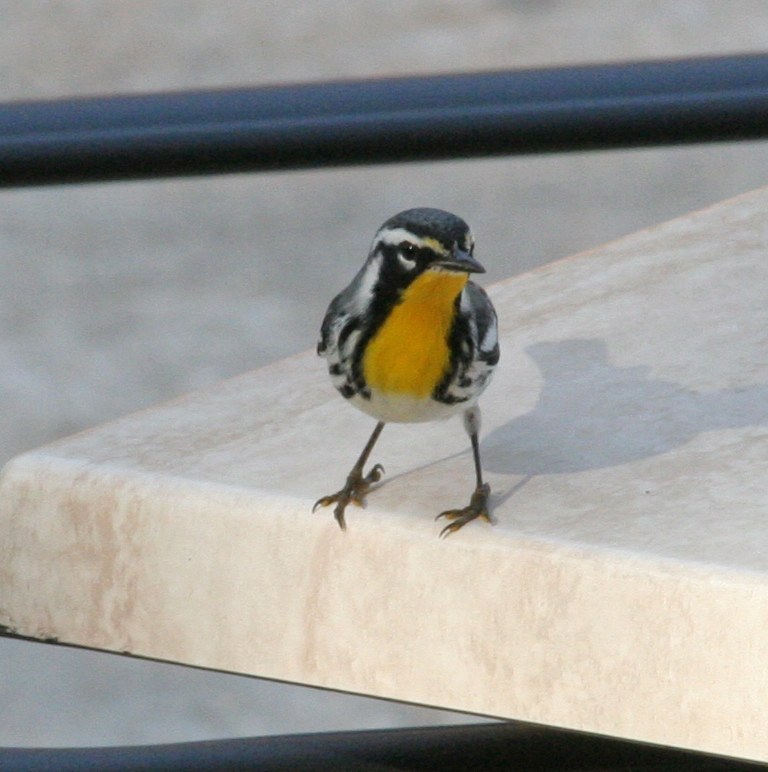
Yellow-throated Warbler
Small contour and flight feathers
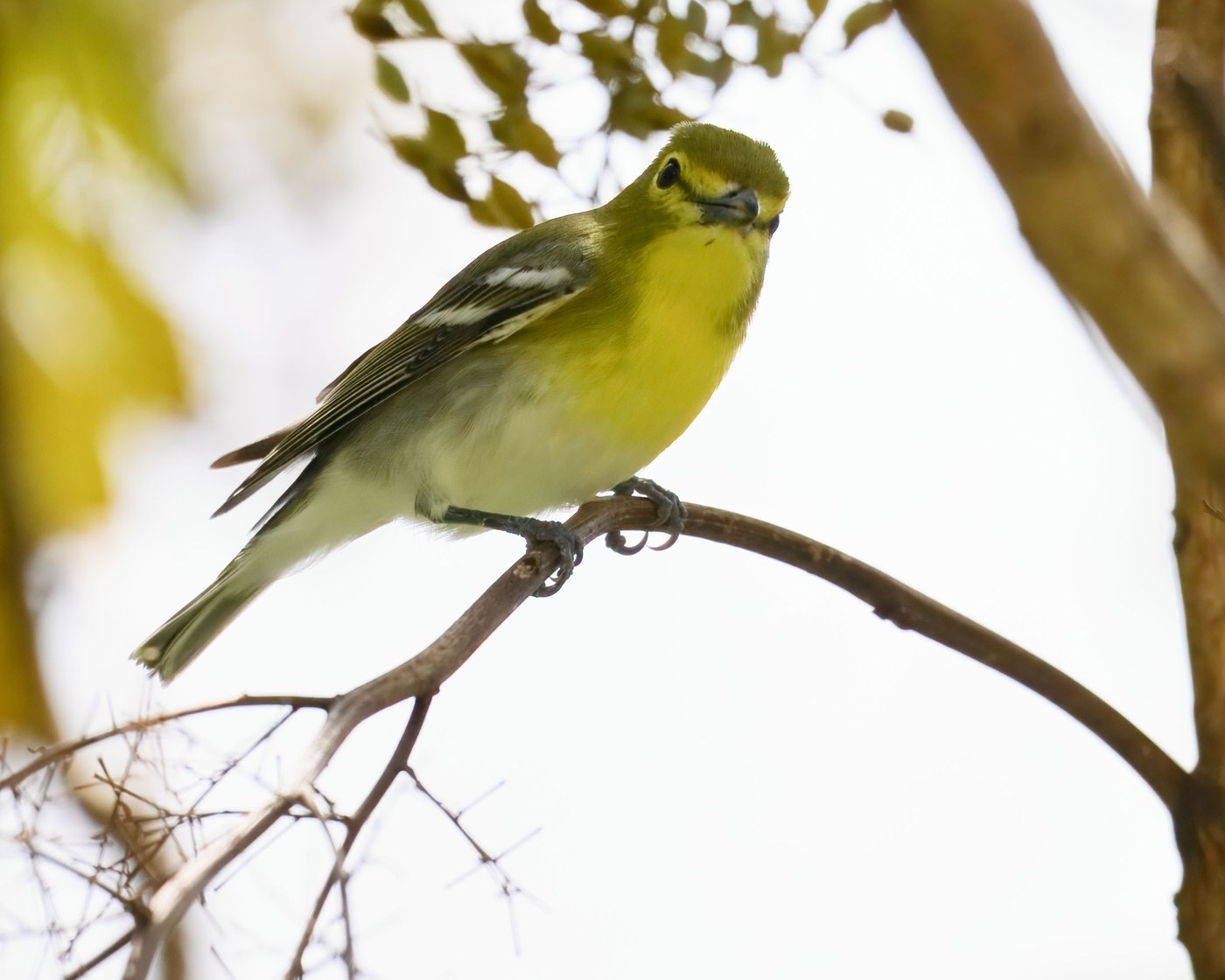
Yellow-throated Vireo
Bright yellow throat and spectacle feathers; olive-green back feathers; two white wing-bar feathers

Yellow-rumped Warbler
Small contour and flight feathers
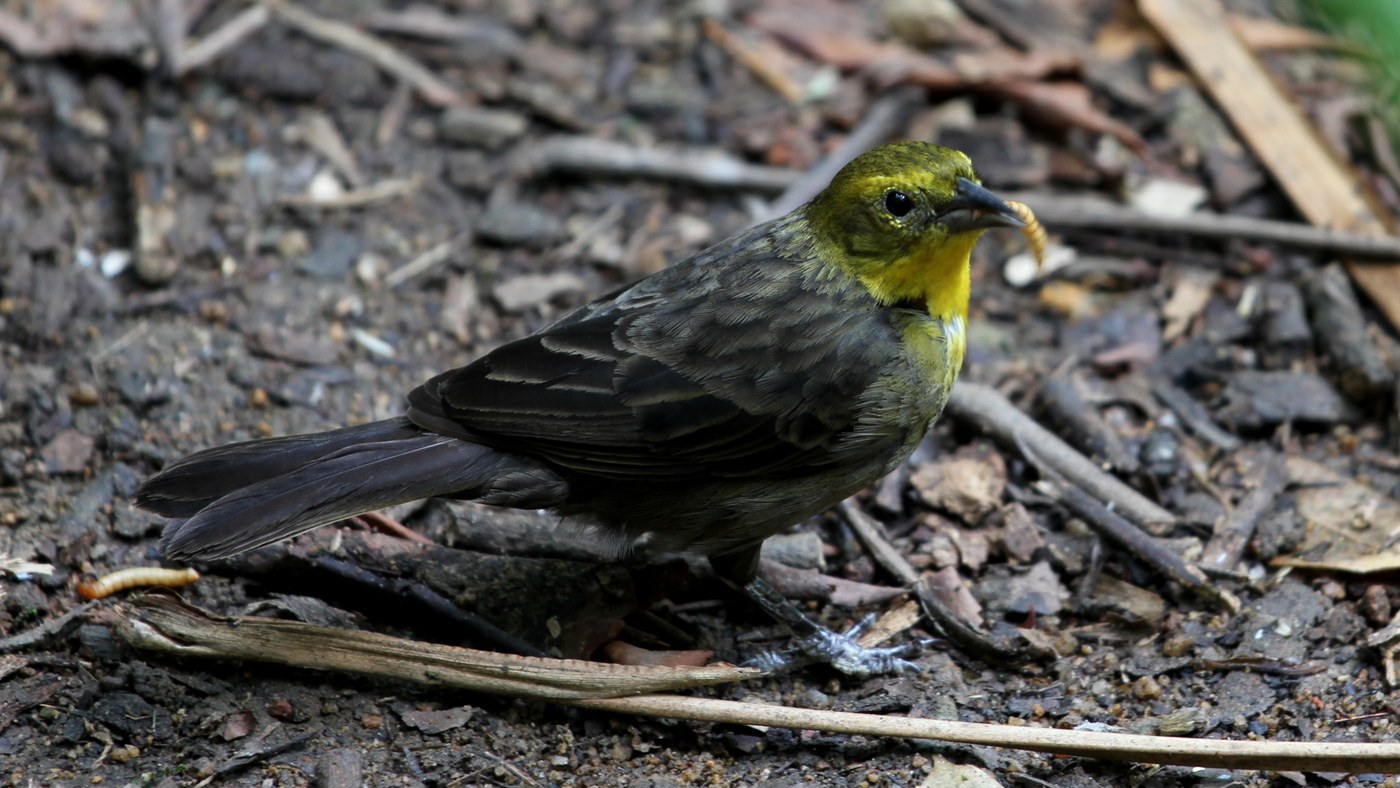
Yellow-hooded Blackbird
Contrasting hood and body feathers
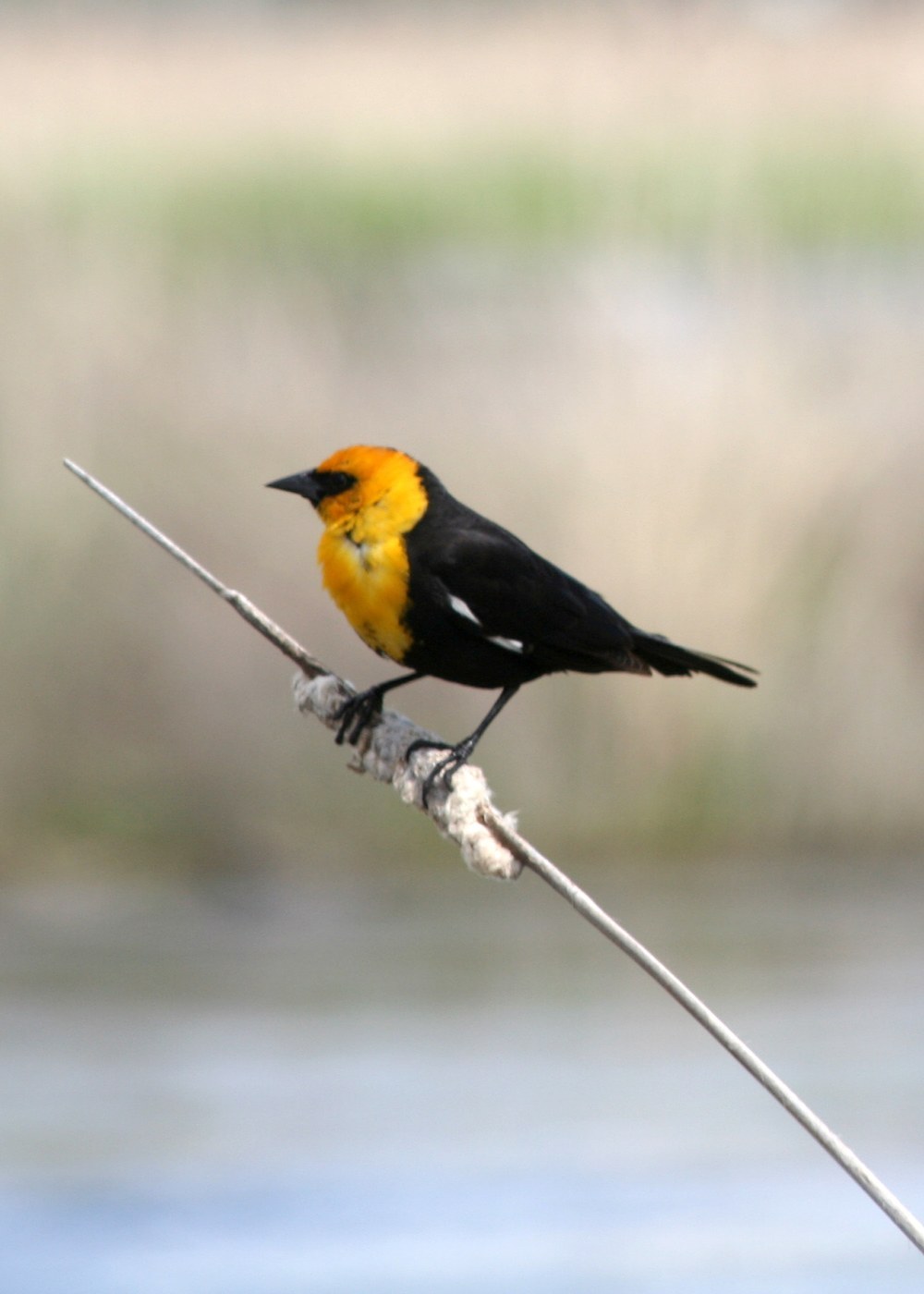
Yellow-headed Blackbird
Glossy black body plumage with a bright yellow head and breast

Yellow-eyed Junco
Contour and flight feathers

Yellow-fronted Canary
Small, smooth body plumage

Yellow-breasted Greenfinch
Compact, smooth body plumage